Choosing the right marine paints for your vessel is one of the most critical decisions every boat owner, captain, or yacht maintenance professional will make. With so many options on the market — each promising superior durability, ease of application, or unmatched gloss — it can be challenging to know where to begin.
In this comprehensive guide, we dive deep into five of the most respected marine coating brands used across boating communities worldwide. We evaluate them based on performance, longevity, value for money, and real-world user experience.
Whether you’re refinishing a performance yacht, protecting a fishing boat, or outfitting a luxury cruiser, this review will provide clarity and confidence in choosing the right anti-fouling paints, topside coatings, and clear protective finishes for your needs.
This Post Is All About Marine Paints!
What to Look for in Marine Paints
Picking the best marine coating system involves more than just brand reputation. Before we break down our top five, let’s explore what every discerning boater should consider:
Maintaining your vessel’s integrity in saltwater, brackish, or freshwater environments relies heavily on the protective systems you choose. Marine paints and coatings are your first line of defense against UV degradation, corrosion, blistering, and barnacle or algae growth. An optimal paint selection doesn’t just look better — it improves fuel efficiency by reducing drag, preserves hull integrity, and extends the life of your boat.
Rather than chasing the “shiniest finish,” prioritize paints that deliver on performance factors like adhesion, chemical resistance, ease of application, and compatibility with your vessel’s material — whether GRP, aluminium, steel, wood, or composite. Understanding these criteria will help you assess brands more effectively and match them to your maintenance goals and operating conditions.
Jotun stands as one of the most globally recognized names in the marine paints industry, offering an extensive range of antifouling, topside, and primer products designed for both commercial vessels and recreational boats.
What sets Jotun apart is its decades of research in corrosion prevention and hull protection, particularly for saltwater environments. Their coatings often incorporate advanced biocide technology to reduce marine organism growth while minimising environmental impact. Whether you’re repainting a motor yacht or protecting an offshore vessel, Jotun’s portfolio includes solutions that balance performance and sustainability.
Durability is a hallmark of Jotun marine paints, with many products engineered to withstand years of harsh UV exposure and abrasive sea conditions. Their flagship antifouling products often extend the intervals between haul-outs while providing smooth surfaces that help maintain efficiency and reduce fuel costs. On the topside, Jotun’s high-build enamel coatings provide exceptional gloss and colour retention, even in tropical climates.
However, working with Jotun products does require a good understanding of surface preparation and application techniques. Proper sanding, priming, and environmental conditions are key to unlocking their full protective capabilities. For boat owners who invest time in preparation and follow the manufacturer’s guidelines closely, Jotun paints deliver outstanding results that justify their premium positioning.
International Marine Paints, a division of AkzoNobel, has a longstanding reputation among marine professionals, particularly for their high-performance antifouling and topside coatings. With an expansive portfolio tailored to everything from small sailing yachts to large commercial fleets, International is often the go-to choice for reliability and proven protection.
One of the defining features of International is their focus on innovation — products like their self-polishing copolymer (SPC) antifouling systems deliver excellent performance across long seasons with minimal maintenance. These coatings are designed to release a controlled amount of biocide over time, reducing drag and organism buildup without overly accelerating paint wear.
For yachts and pleasure boats, International’s range of urethane and acrylic enamel paints provides superb gloss, colour retention, and ease of polishing. Their products are engineered to perform across a wide range of climates and water conditions, making them highly versatile.
International’s paints also enjoy widespread professional support and application data, making them a favourite among boatyards and professional painters. While they are typically priced at a premium, the lifecycle performance and comprehensive technical support often offset the initial cost for many vessel owners.
Pros: Renowned performance, reliable antifouling technology, excellent topside finishes. Cons: Price reflects professional tier; less budget-friendly for casual painters.
Awlgrip is synonymous with show-boat quality finishes that not only protect but also elevate the aesthetic presence of any vessel. Known for mirror-like gloss and long-term colour stability, Awlgrip’s coatings are a top choice for owners seeking a high-end finish that stands out in marinas and on the open water.
What distinguishes Awlgrip in the marine paints marketplace is their focus on premium urethane and polyurethane formulations that offer remarkable durability and UV resistance. These paints are often chosen for luxury yachts and performance boats where aesthetics matter almost as much as protection.
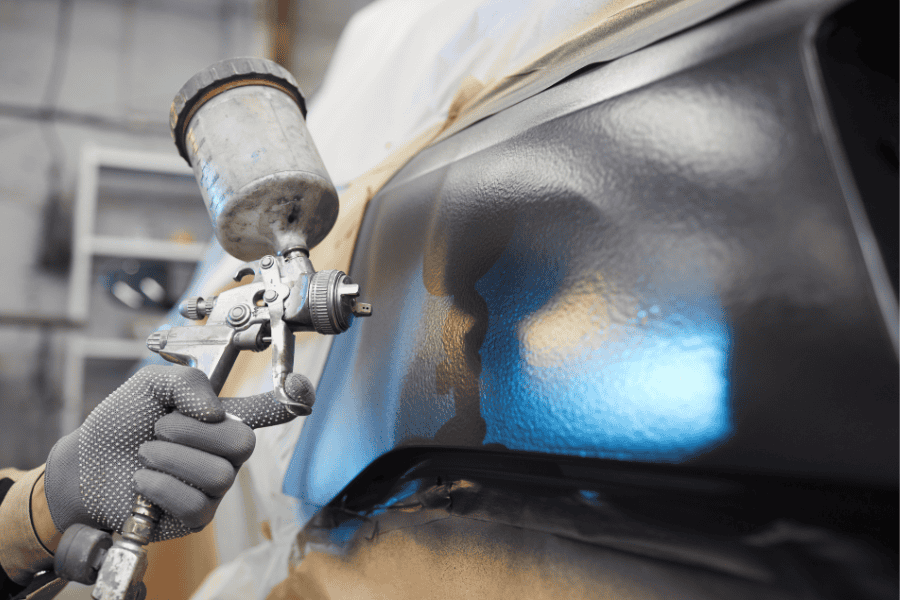
Awlgrip systems are typically two-component paints requiring careful mixing and professional application — but the payoff is a tough, resilient surface less prone to fading, chalking, or oxidation. Their coatings also contribute to easier maintenance and cleaning, since the hard, glossy surface resists staining and accumulation of environmental contaminants.
While Awlgrip may not offer the same breadth of antifouling products as some competitors, its topside and superstructure finishes are among the best in the industry and make an excellent complement to any antifouling system.
Pros: Unmatched gloss and colour stability, excellent durability, premium aesthetic results. Cons: Requires professional application; higher material and labour cost.
For boat owners who prioritise versatility and ease of use, Epifanes delivers a compelling range of marine paints and coatings that balance performance with accessibility. With roots in traditional craftsmanship, Epifanes blends classic marine chemistry with modern protective technologies.
Epifanes is particularly well-known for their high-quality varnishes, primers, and topside paints that perform beautifully on wooden vessels while also accommodating fiberglass and metal hulls. Their products often have a loyal following among classic boat restorers and owners who appreciate both performance and finish.
Epifanes antifouling options provide solid protection against barnacles and weed growth, especially for vessels kept in seasonal cruising waters. While they may not always match the absolute cutting-edge formulations of the very highest-end brands, Epifanes paints are easier to work with for DIY enthusiasts and professional applicators alike. Their clear, glossy varnishes and enamels deliver warmth and character without compromising on protective qualities.
Additionally, Epifanes offers excellent guidelines and support materials that make surfacing preparation and application more approachable — a definite benefit for boat owners handling projects outside of a professional workshop.
Pros: User-friendly, versatile across hull types, excellent varnish and topside finishes. Cons: Antifouling performance can be more average compared to premium SPC systems.
Alexseal represents a relatively newer but highly respected entrant into the high-performance marine coatings arena. With a strong emphasis on advanced polyurethane technology, Alexseal paints are engineered for striking colour depth, robustness against environmental stressors, and longevity.
Owners and yards often choose Alexseal for its impressive UV resistance and remarkable retention of gloss — even after prolonged exposure to harsh sun and salt spray. These paints are popular on performance yachts and custom builds where visual impact and enduring quality are top priorities.
Alexseal’s system boasts a range of products suitable for hulls, topsides, and superstructures, and is designed to interface well with quality primers and sealers to ensure adhesion and longevity. Technicians frequently describe Alexseal finishes as easier to polish and maintain over time compared to some competitors, contributing to lower long-term maintenance costs.
While the application process is similar to other professional two-component polyurethane systems and demands precision, Alexseal supports its products with detailed technical data and reputable customer service — making it a strong contender for both custom yards and discerning owners.
Pros: Deep, vibrant finishes with excellent UV stability, good polishability. Cons: Cost and application skill requirement reflect a professional focus.
Side-by-Side Comparison: Performance, Price, and Use Cases
Brand
Best For
Antifouling Quality
Topside Finish
Ease of Application
Price Tier
Jotun
Overall protection, commercial & leisure
4.5/5
3.5/5
4/5
$$$
International
Professional yachts & long seasons
5/5
4/5
4/5
$$$$
Awlgrip
Premium finishes & aesthetics
3/5
4.5/5
3/5
$$$$
Epifanes
DIY & classic boats
3.5/5
4/5
4/5
$$
Alexseal
Deep gloss & UV resistance
N/A
4.5/5
3/5
$$$
Tips for Applying Marine Paints Successfully
Choosing the right paint is only half the battle — proper application is what ensures performance and longevity. Below are practical tips for both DIY enthusiasts and professional painters:
Surface Preparation is King
Before any coating goes on, the surface must be clean, dry, and free of contaminants. Old paint should be stripped or abraded to promote adhesion. Depending on the substrate, sanding, solvent cleaning, and etching may be necessary.
Follow Manufacturer Specifications
Each brand has precise recommendations regarding primer compatibility, mixing ratios, temperature ranges, and drying times. Adhering closely to these protocols will maximise the protective qualities of the marine coating system you select.
Environmental Conditions Matter
Humidity, temperature, and surface moisture levels directly affect how a paint cures. Many high-performance formulations require controlled conditions to achieve optimal hardness and gloss.
Think Long Term
Even high-quality paints benefit from periodic washing, waxing, and polishing. Seasonal maintenance prolongs the life of your coatings and helps preserve efficiency by reducing biofouling and surface roughness.
Final Verdict: Which Marine Paint Brand Should You Choose?
There is no one-size-fits-all answer when selecting marine paints — but there is a right choice for every application.
Choose Jotun or International if you want robust antifouling protection and trusted performance backed by decades of research.
Go with Awlgrip or Alexseal when aesthetics, UV resistance, and premium gloss are top priorities.
Opt for Epifanes when versatility, ease of application, and classic boat finishes take precedence.
By understanding your vessel’s usage, local water conditions, and maintenance goals, you can match the marine paint system that delivers both protection and beauty season after season.
Frequently Asked Questions About Marine Paints
How long do marine paints typically last?
The lifespan of marine paints varies depending on product quality, preparation, and environmental exposure. High-performance antifouling paints can last between 12–36 months, while premium polyurethane marine paints used on topsides can maintain gloss and protection for 5–10 years with proper care. Regular washing and maintenance significantly extend marine paint durability.
What is the difference between antifouling paint and topside paint?
Antifouling paints are specifically designed for underwater hull areas to prevent barnacle, algae, and marine organism growth. In contrast, topside coatings are used above the waterline and focus on UV protection, gloss retention, and resistance to abrasion. Both are essential components of a complete boat hull protection system.
Can I apply marine paint myself, or should I hire a professional?
Some products, such as those from Epifanes, are well-suited for DIY application, especially for smaller vessels or seasonal maintenance. However, high-end systems like Awlgrip and Alexseal often require professional application due to their two-component formulations and strict environmental requirements. Proper surface preparation and adherence to manufacturer guidelines are critical regardless of who applies the paint.
How do I choose the right marine paint for my boat?
When selecting marine paints, consider your hull material, operating waters (saltwater vs freshwater), budget, and desired finish. For long-term antifouling protection, look for advanced SPC antifouling systems. If aesthetics are your priority, choose a high gloss boat paint with strong UV resistance. Consulting technical data sheets and understanding your vessel’s usage profile will ensure the right match.
Join the newsletter for practical yacht maintenance advice, new guide releases, downloadable resources, product recommendations and seasonal reminders designed to help owners, captains and crew make better maintenance decisions onboard. As TYMH grows, subscribers will also get early access to new checklists, maintenance resources, recommended products and exclusive offers or discounts from selected marine brands.
Success
Thank you for signing up to receive updates from The Yacht Maintenance Hub.
Blog / Marine Paints: Types, Brands & Best Options for Boats
We track how people interact with our online web content and resources, and some of that tracking involves storing cookies on your device. By continuing to use our site you accept that you agree to this. For more details see our Privacy Statement.
 310
310
310
310