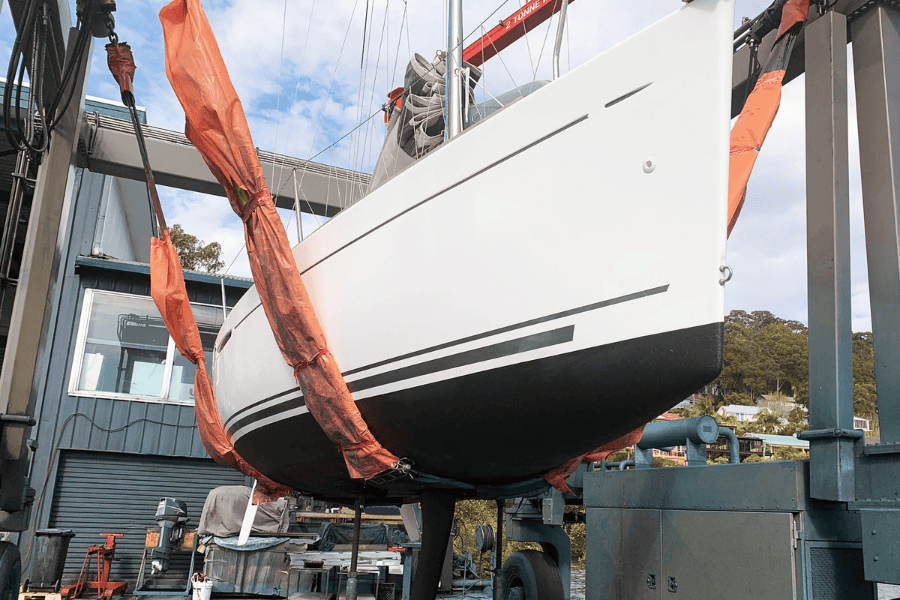
Every yacht owner eventually faces the hidden battle happening below the waterline. While engines, rigging, and electronics often receive the most attention, the real threat to a yacht’s longevity frequently comes from electrochemical corrosion attacking underwater metals.
This is where zinc anodes quietly perform one of the most important protective roles on any yacht. These small blocks of metal sacrifice themselves to protect expensive components like propellers, shafts, trim tabs, rudders, and hull fittings. Without them, galvanic corrosion can quickly destroy critical hardware.
Understanding how zinc anodes work, when to replace them, and how to maintain them properly is essential for yacht owners, captains, and crew who want to avoid costly repairs. In this guide, we’ll explain how zinc anodes protect boats, the warning signs they need replacing, and best practices for marine sacrificial anode maintenance.
This post is all about Zinc Anodes!
Quick Answer: When Should Zinc Anodes Be Replaced?
Zinc anodes should typically be replaced when they are about 50% consumed or at least once per year. Regular inspection during haul-outs or underwater checks is essential because worn anodes can no longer protect underwater metal components from galvanic corrosion.
What Are Zinc Anodes and Why Are They Used on Yachts?
They’re a type of sacrificial anode installed on boats to protect underwater metals from corrosion. They are made from a metal that corrodes more easily than the surrounding metals on the vessel.
Because zinc is more electrically active than bronze, stainless steel, or aluminum, it corrodes first. As a result, the anode sacrifices itself while protecting critical components.
Common locations where sacrificial anodes for yachts are installed include:
- Propellers
- Propeller shafts
- Rudders
- Trim tabs
- Bow thrusters
- Through-hull fittings
- Hull bonding systems
Without these protective devices, galvanic corrosion can quickly damage expensive underwater hardware.
In simple terms, zinc anodes are the yacht’s corrosion insurance policy.
How Zinc Anodes Protect Boats from Corrosion
To understand how anodes protect boats, it helps to understand the basic principle of galvanic corrosion.
Whenever two different metals sit in seawater and are electrically connected, a small electrical current forms between them. One metal becomes the anode, while the other becomes the cathode.
The anode metal slowly dissolves into the water.
On a yacht, this corrosion could attack expensive parts such as:
- Bronze propellers
- Stainless steel shafts
- Metal thru-hulls
- Trim tabs
- Rudder hardware
By installing marine anodes, the corrosion is redirected to the sacrificial metal instead.
Therefore, instead of damaging critical components, the anode gradually erodes.
This process forms the foundation of boat galvanic corrosion prevention.
Where Are Zinc Anodes Installed on Yachts?
Different yachts use several types of marine anodes for saltwater boats, depending on their configuration.
Shaft Anodes for Boats
Shaft anodes clamp directly around the propeller shaft. These are extremely common on shaft-driven vessels.
They protect:
- Propeller shafts
- Shaft couplings
- Propellers
Because they sit directly in the propeller wash, they often wear faster than other anodes.
Hull Anodes for Yachts
Hull anodes mount directly to the hull and connect to the vessel’s bonding system.
These anodes protect:
- Through-hulls
- Seacocks
- Struts
- Rudders
- Metal fittings connected to the bonding system
They play a major role in underwater metal protection for boats.
Sacrificial Anodes for Boat Propellers
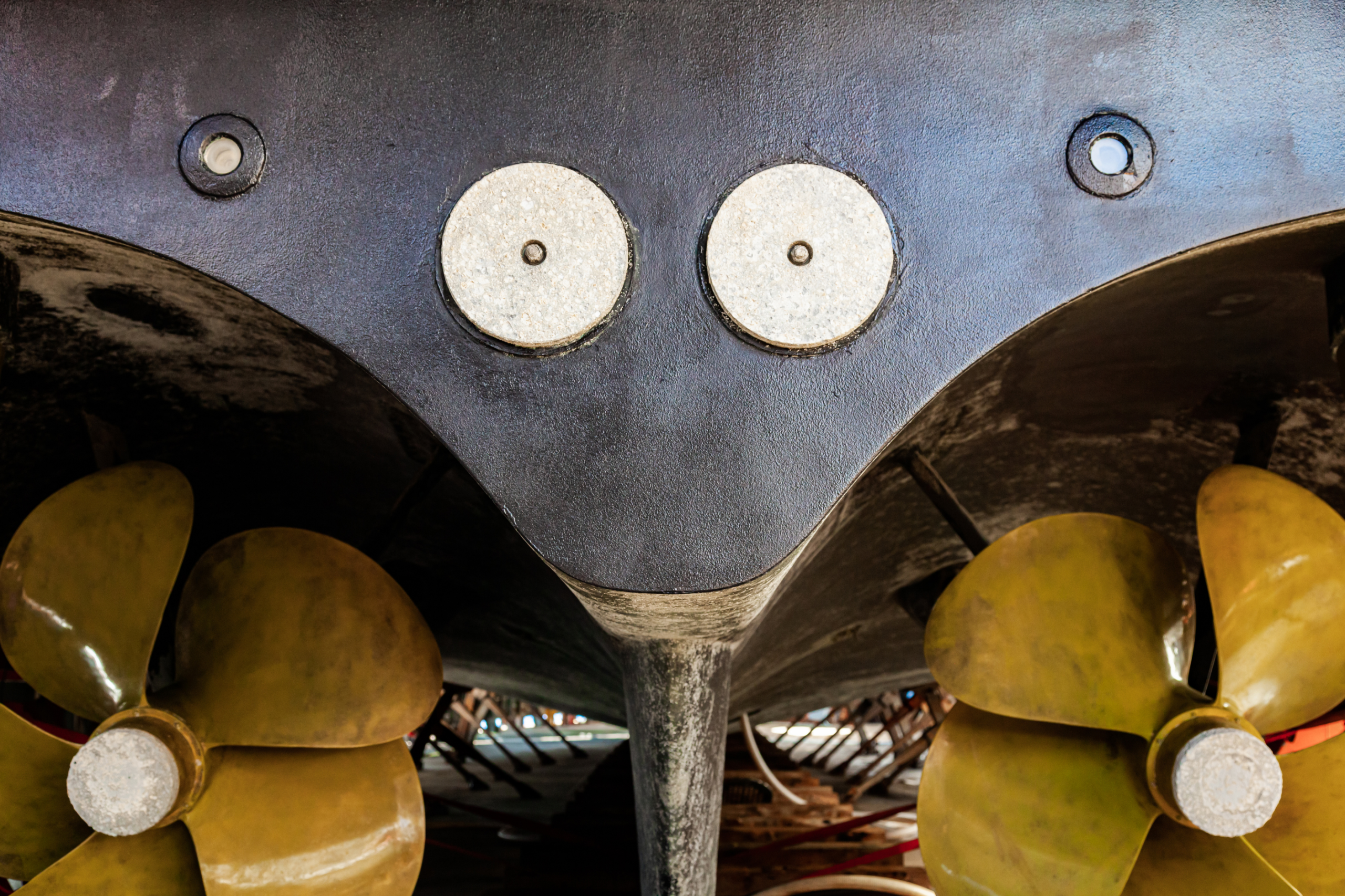
Some propellers use dedicated propeller nut anodes or propeller cap anodes.
These are particularly common on saildrives and some sterndrives.
Since propellers often use expensive bronze alloys, proper protection is essential.
When to Replace Zinc Anodes on a Boat?
One of the most common questions yacht owners ask is how often to replace boat anodes.
While conditions vary, a simple rule applies across most vessels.
The 50 Percent Rule
Replace zinc anodes when roughly half the original material has been consumed.
Once the anode reaches this stage, it loses its effectiveness and should be replaced.
Annual Replacement as a Minimum
Most yachts replace anodes during annual haul-out.
However, boats kept permanently in the water may require inspections every:
- 3–6 months in marinas
- 6–12 months in open moorings
Electrical activity in marinas often accelerates anode wear.
High Corrosion Environments
You may need more frequent yacht anode replacement if your boat is:
- Docked in marinas with many vessels
- Connected to shore power
- Located in warm saltwater regions
- Near steel docks or commercial vessels
Stray electrical currents can dramatically increase corrosion rates.
Signs Zinc Anodes Need Replacing
Routine inspection makes boat anode maintenance simple and predictable.
However, several warning signs indicate anodes need replacement sooner than expected.
Rapid Anode Consumption
If zinc anodes disappear within a few months, it usually indicates:
- Stray electrical current in the marina
- Faulty bonding system
- Poor shore power grounding
This situation should be investigated quickly.
Uneven Corrosion
Anodes should corrode evenly.
If one side wears significantly faster, it may indicate:
- Poor electrical connection
- Incorrect anode placement
- Partial bonding issues
Anode Surface Becomes Hard or Coated
Sometimes zinc anodes stop working because they become passivated.
A white coating can form on the surface, preventing the anode from reacting with seawater.
When this happens, the anode must be replaced.
Aluminium vs Zinc Anodes for Boats
Many yacht owners wonder whether aluminium vs zinc anodes for boats makes a difference.
Both types provide corrosion protection, but they perform differently in various environments.
Zinc Anodes
Best suited for:
- Saltwater boats
- Traditional marine installations
- Older vessels designed for zinc systems
They have been the industry standard for decades.
Aluminium Anodes
Aluminium anodes offer several advantages:
- Longer lifespan
- Higher electrical capacity
- Effective in saltwater and brackish water
Many modern boatyards now recommend aluminum anodes instead of zinc.
However, magnesium anodes should only be used in freshwater environments.
Checking Boat Anodes During Haul-Out
Haul-out provides the best opportunity for checking boat anodes during haul out.
A thorough inspection should include:
- Visual condition of all anodes
- Secure mounting bolts
- Clean electrical contact surfaces
- Even corrosion patterns
Before installing new anodes, clean the metal contact surfaces with sandpaper.
Paint, oxidation, or marine growth can reduce electrical conductivity.
This simple step ensures the marine sacrificial anode maintenance system works correctly.
Professional Maintenance Tips for Yacht Owners
Experienced yacht engineers often follow several best practices when managing yacht anode maintenance.
First, always install high-quality marine-grade anodes from reputable suppliers.
Poor-quality alloys may look identical but perform poorly.
Second, record anode wear in your maintenance log. Tracking consumption helps identify corrosion patterns over time.
Third, avoid painting over anodes. Even partial paint coverage can stop them working.
Finally, ensure the vessel’s bonding system remains intact. Without proper bonding, hull anodes cannot protect connected fittings.
Common Mistakes Yacht Owners Make with Anodes
Even experienced boat owners occasionally overlook simple mistakes when maintaining anodes.
Waiting Too Long to Replace Them
Once an anode drops below 50% of its size, protection drops significantly.
Replacing them early is always cheaper than repairing corrosion damage.
Installing Incorrect Anode Materials
Using freshwater magnesium anodes in saltwater can cause excessive corrosion.
Always match the anode type to the water environment.
Painting Over Anodes
This happens surprisingly often during antifouling jobs.
Paint blocks the electrochemical reaction that allows the anode to work.
Ignoring Rapid Wear
Fast anode loss often indicates electrical problems onboard or in the marina.
Ignoring it can lead to severe underwater damage.
Poor Installation
Loose bolts or dirty contact surfaces reduce the effectiveness of the anode system.
Clean metal-to-metal contact is essential.
FAQs: Zinc Anodes for Yachts
How often should zinc anodes be replaced on a yacht? Most yachts replace anodes annually during haul-out. However, boats in marinas or high electrical environments may require inspection every three to six months.
What happens if zinc anodes are not replaced? If anodes are fully consumed, galvanic corrosion will attack underwater metals such as propellers, shafts, and thru-hulls. Repairs can become extremely expensive.
Do all boats need zinc anodes? Any boat with underwater metal components needs sacrificial anodes. Even fiberglass yachts rely on them to protect propellers, shafts, and bonding systems.
Can zinc anodes last more than a year? In some low-corrosion environments they can. However, annual inspection remains essential because conditions vary significantly between marinas and cruising grounds.
Are aluminum anodes better than zinc? Aluminium anodes often last longer and work well in saltwater and brackish environments. However, zinc anodes remain widely used and effective when installed correctly.
Summary
Although they appear small and inexpensive, anodes play a critical role in protecting yachts from galvanic corrosion. These sacrificial metals absorb electrochemical damage that would otherwise attack expensive underwater hardware.
By understanding how zinc anodes protect boats, yacht owners can prevent serious corrosion problems before they begin. Regular inspection, proper installation, and timely replacement remain the keys to effective corrosion protection.
As part of routine yacht maintenance, checking anodes during haul-out should always be a priority. When properly maintained, they quietly safeguard propellers, shafts, hull fittings, and other underwater metals for the life of the vessel.
For yacht owners who value preventative maintenance, zinc anodes are one of the simplest yet most important systems on board.
← all Content & Guides
 310
310
310
310