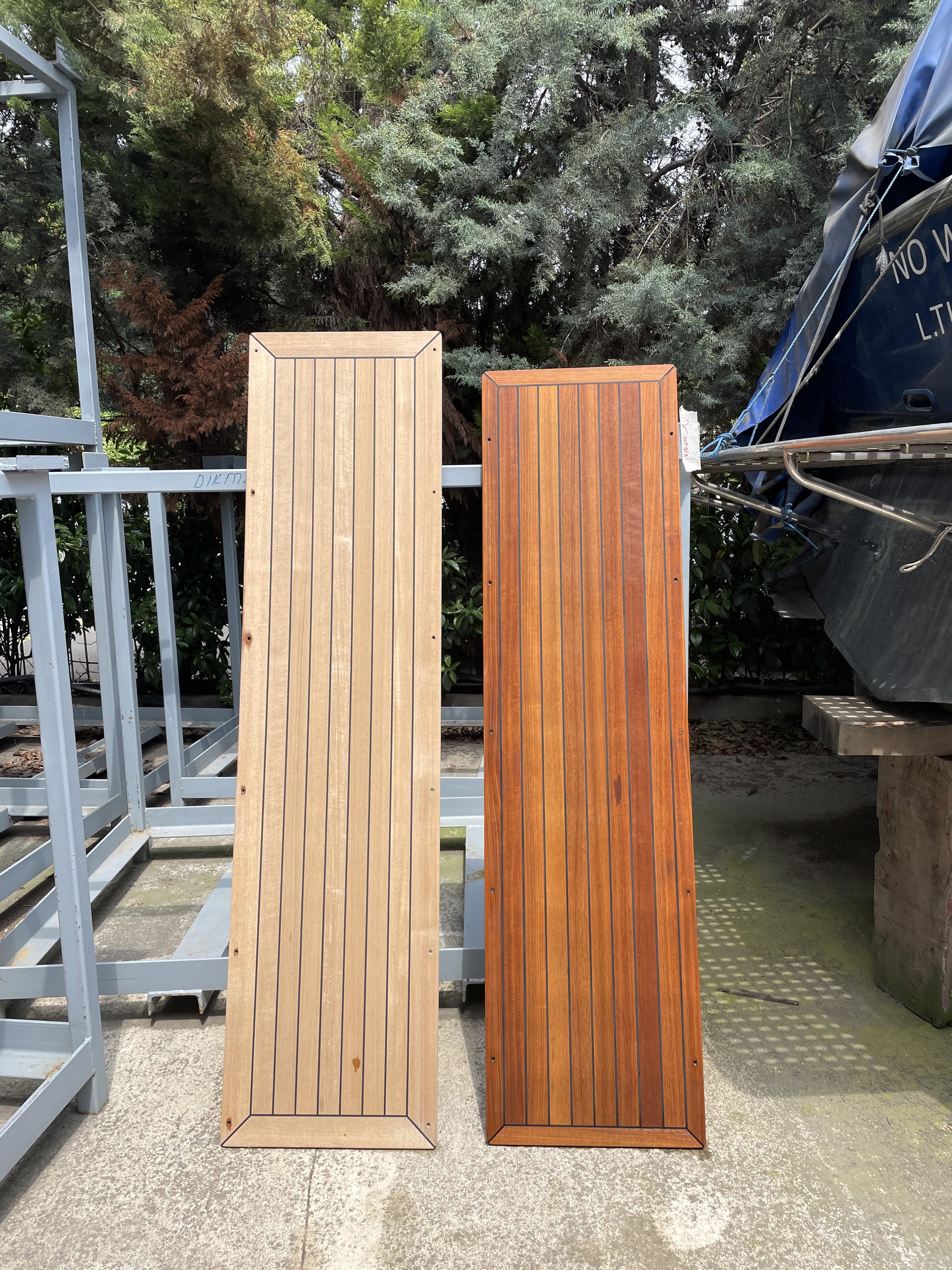
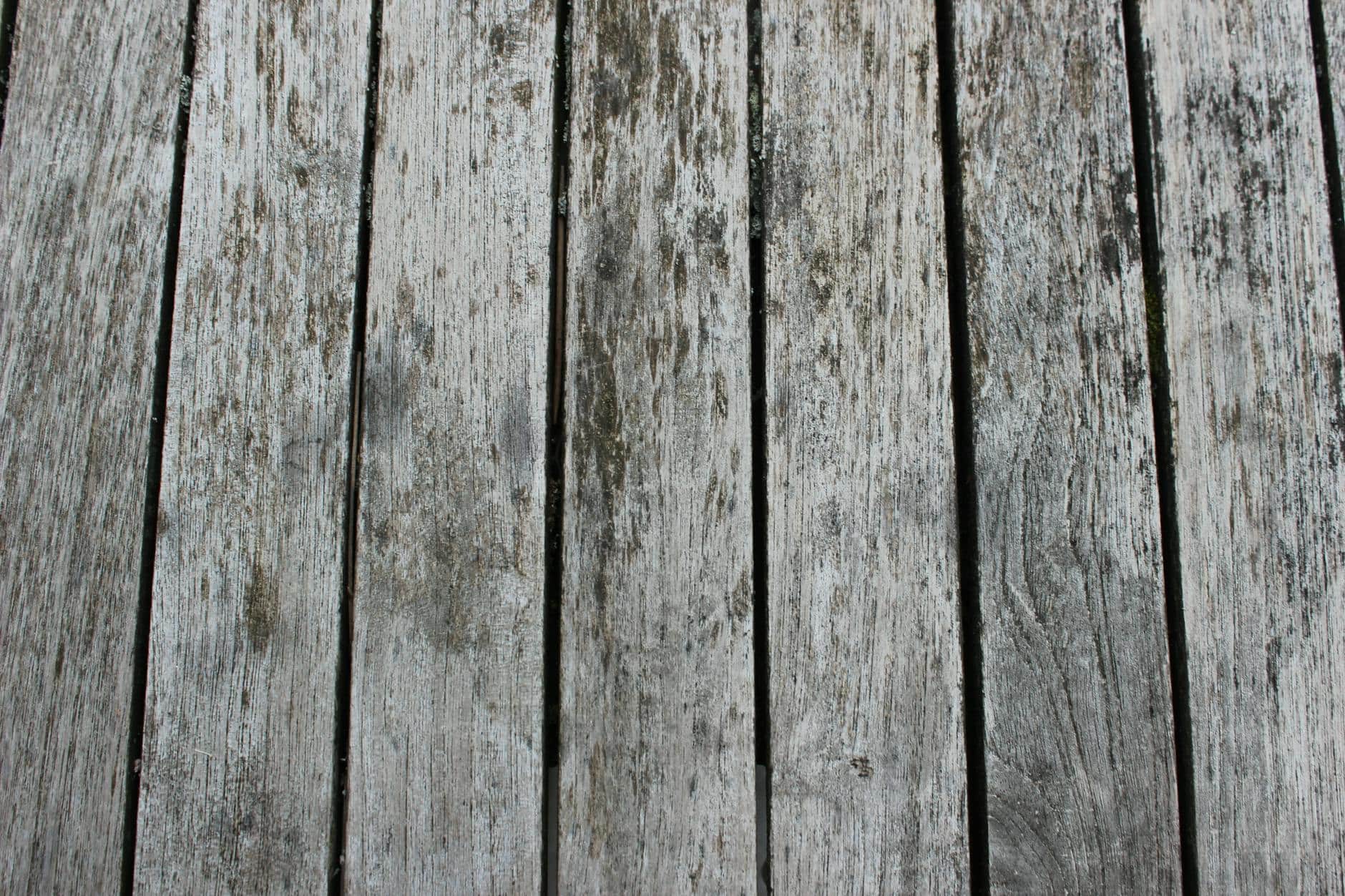
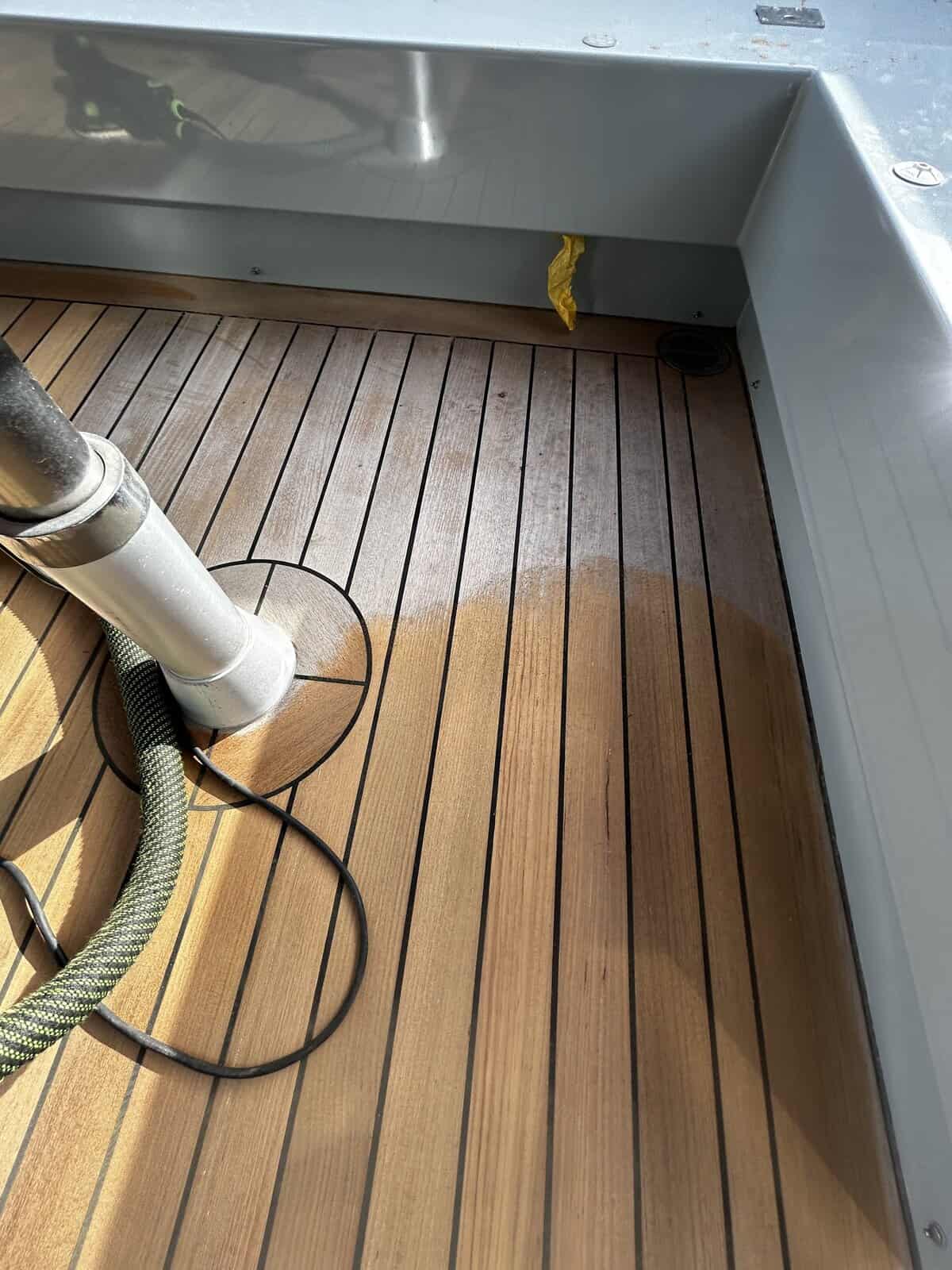
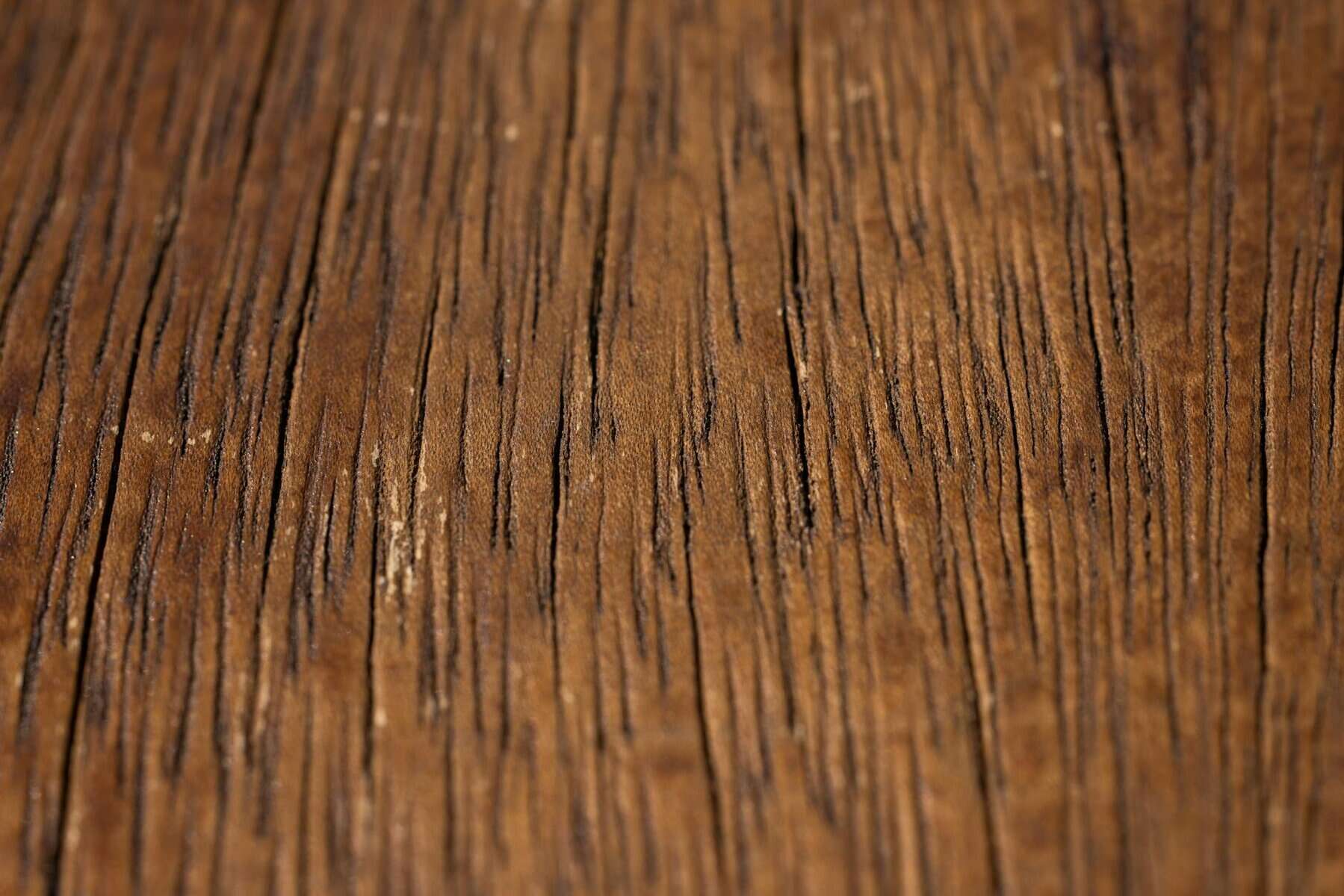
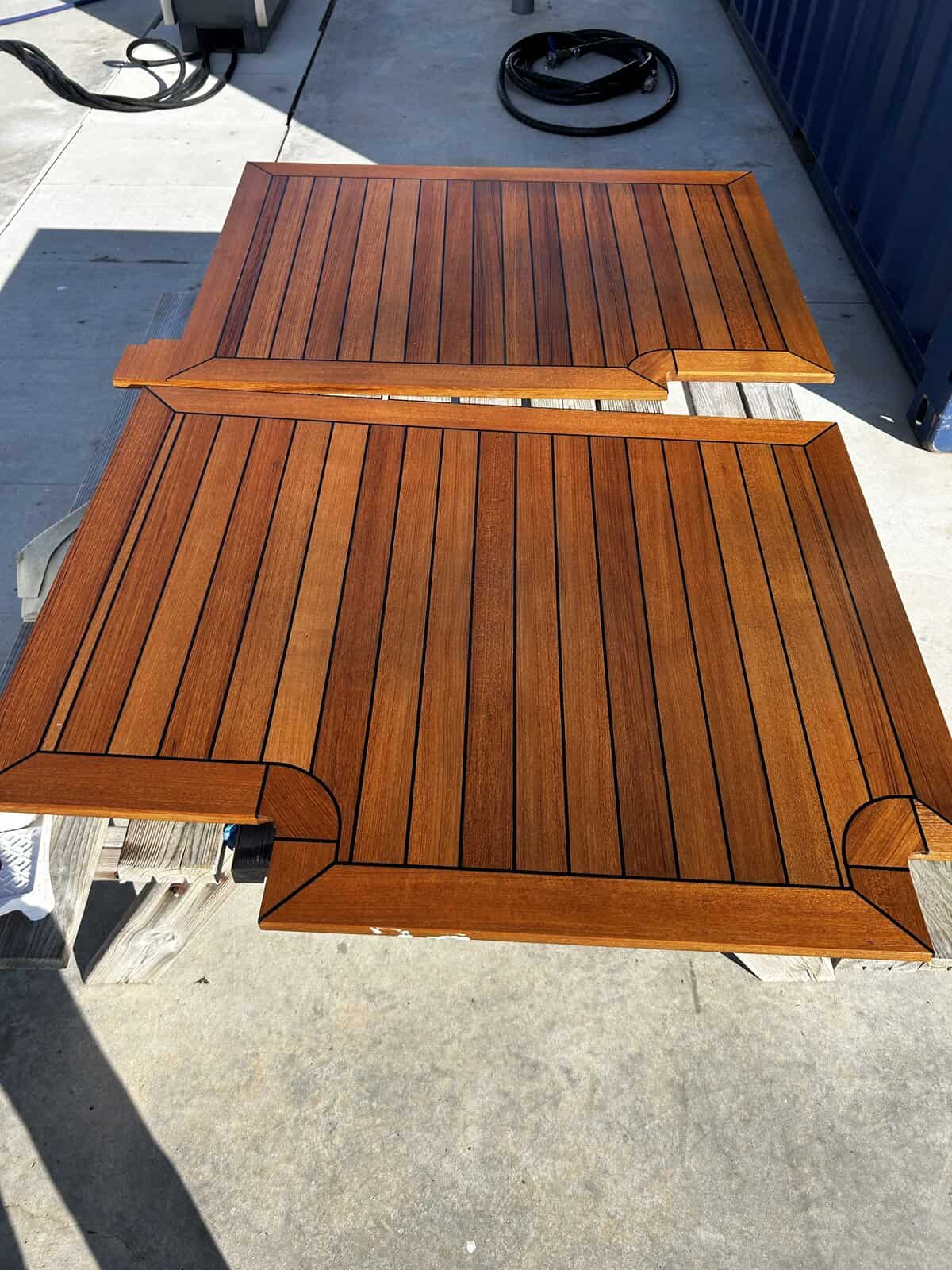
Owning a yacht with teak onboard comes with both pride and responsibility. Proper Teak care is essential not just for appearance, but for protecting one of the most valuable and exposed materials on your vessel. Whether it’s decking, cockpit seating, cap rails, or interior joinery, teak defines the character and longevity of a well-maintained yacht.
Teak maintenance on yachts requires more than occasional scrubbing or applying oil. Understanding how teak on yachts reacts to saltwater exposure, UV damage, and daily wear is the foundation of smart, long-term yacht teak maintenance. When done correctly, marine teak care preserves structural integrity, reduces costly restoration work, and extends the natural lifespan of the timber.
This ultimate guide to teak care is designed to be a definitive resource for yacht owners, crew and professionals. From deck care and maintenance to teak furniture, seam repairs, sealing options, tools, products, and long-term protection strategies, every aspect of how to maintain teak on a yacht is covered in depth. Use this page as your central reference point for everything related to teak maintenance, and as the foundation for maintaining the value and performance of your vessel for years to come.
This post is all about teak care and maintenance!
Guide Contents
Understanding Teak – Why It’s Used on Yachts and How It Ages
Teak has been used in boatbuilding for centuries, and despite modern materials and synthetic alternatives, it remains one of the most sought-after decking materials in the marine industry. From classic sailing yachts to modern superyachts, teak decking continues to be specified for cockpits, swim platforms, side decks, and exterior furniture. To maintain teak properly, owners and crew need to understand what makes it unique — and how it naturally behaves in a marine environment.
Teak is not just a cosmetic finish. It is a functional, structural surface designed to withstand saltwater exposure, UV radiation, heavy foot traffic, and constant moisture fluctuations. When maintained correctly, a teak deck can last decades. When misunderstood and over-maintained, it can deteriorate far sooner than expected.
Understanding teak as a material is the foundation of proper teak maintenance.
Why Teak Is Used for Marine Decking
The species most commonly used in yacht construction is Tectona grandis, a tropical hardwood known for its durability and stability. What makes teak particularly suited to yacht decking is not just its appearance, but its internal structure and chemistry.
Teak contains a naturally high oil content, which gives it inherent resistance to moisture penetration and rot. Unlike many hardwoods that absorb water rapidly and swell aggressively, teak absorbs moisture slowly and dries evenly. This stability is one of the reasons it performs so well in harsh marine environments. The natural oils also help protect against fungal growth and decay organisms, which are common concerns in saltwater climates.
In addition to its oil content, teak has a dense, tight grain structure. This density allows it to resist abrasion while still remaining workable during installation and repair. Underfoot, teak provides excellent natural grip, even when wet. This makes it ideal for cockpit soles, side decks, and boarding platforms where safety is critical.
Dimensional stability is another key reason teak decking remains so popular. All wood expands and contracts with changes in moisture and temperature, but teak moves in a relatively predictable way. When installed with flexible caulking seams, this movement is accommodated without causing widespread cracking or structural distortion. The result is a deck that can “breathe” naturally without failing prematurely.
For yacht owners concerned about resale value, teak also carries strong market appeal. A well-maintained teak deck is often seen as a premium feature. However, the key phrase is “well-maintained.” Poor teak maintenance can turn a desirable feature into a costly liability.
Solid Teak vs Teak Veneer Systems
Not all teak decks are built the same, and understanding which system your yacht has is critical for long-term maintenance planning.
Older custom yachts and some higher-end builds may have solid teak decking that ranges from 12 to 15mm thick when new. These decks can tolerate careful sanding over time and often have longer service lives if maintained conservatively.
Many modern production yachts, however, use thinner teak planking — often in the 8–10mm range. Some yachts use teak veneer systems or overlay decks that may only be 4–6mm thick. These thinner systems offer weight savings and lower installation costs but provide far less margin for aggressive sanding or repeated restoration.
This difference has a direct impact on teak deck lifespan. A thicker deck allows for occasional corrective sanding. A thinner deck demands extreme restraint. In both cases, teak thickness is finite. Every sanding session permanently reduces the amount of usable material remaining.
Owners who understand their deck thickness make better maintenance decisions. Owners who assume all teak is equal often shorten the lifespan of their decks unintentionally.
How Teak Ages in a Marine Environment
One of the most common misconceptions about teak is that it should remain golden-brown indefinitely. In reality, teak naturally turns silver-grey when exposed to sunlight and salt air. This process is not a sign of damage — it is a normal and healthy stage of weathering.
When teak is freshly installed or newly sanded, it appears warm and golden due to the presence of natural surface oils and unoxidised lignin. As UV radiation breaks down the surface fibres over time, the colour gradually fades. The wood begins to lighten and eventually settles into a soft silver-grey tone.
This silvering process is purely cosmetic. It does not indicate structural weakness or rot. In fact, many experienced yacht owners prefer the silver-grey appearance because it requires less aggressive maintenance and better preserves teak thickness.
Problems arise when owners repeatedly attempt to restore the golden colour through frequent sanding or harsh chemical cleaning. While the deck may look refreshed temporarily, the cycle of stripping and resurfacing gradually consumes material. Over time, this reduces plank thickness and accelerates the need for full deck replacement.
Accepting that teak will weather naturally is one of the most important mindset shifts in yacht maintenance.
What Actually Damages Teak Decks
Teak rarely fails because of simple exposure to sun and salt. Instead, most premature teak deck replacements are caused by maintenance practices.
Excessive sanding is one of the primary culprits. Every sanding session removes measurable thickness. On a deck that began at 8mm thick, even removing 1mm every few years can significantly reduce lifespan. Once planks become too thin, fasteners may become exposed and structural integrity declines.
Pressure washing is another common mistake. High-pressure water can lift soft grain fibres, erode caulking seams, and force moisture beneath the planks. While the deck may appear clean immediately after pressure washing, the long-term damage often becomes apparent later in the form of raised grain, seam separation, and uneven wear.
Aggressive chemical cleaners, especially strong two-part acid systems, can also accelerate deterioration when used too frequently. These products have their place in restoration, but repeated use strips natural oils and weakens surface fibres.
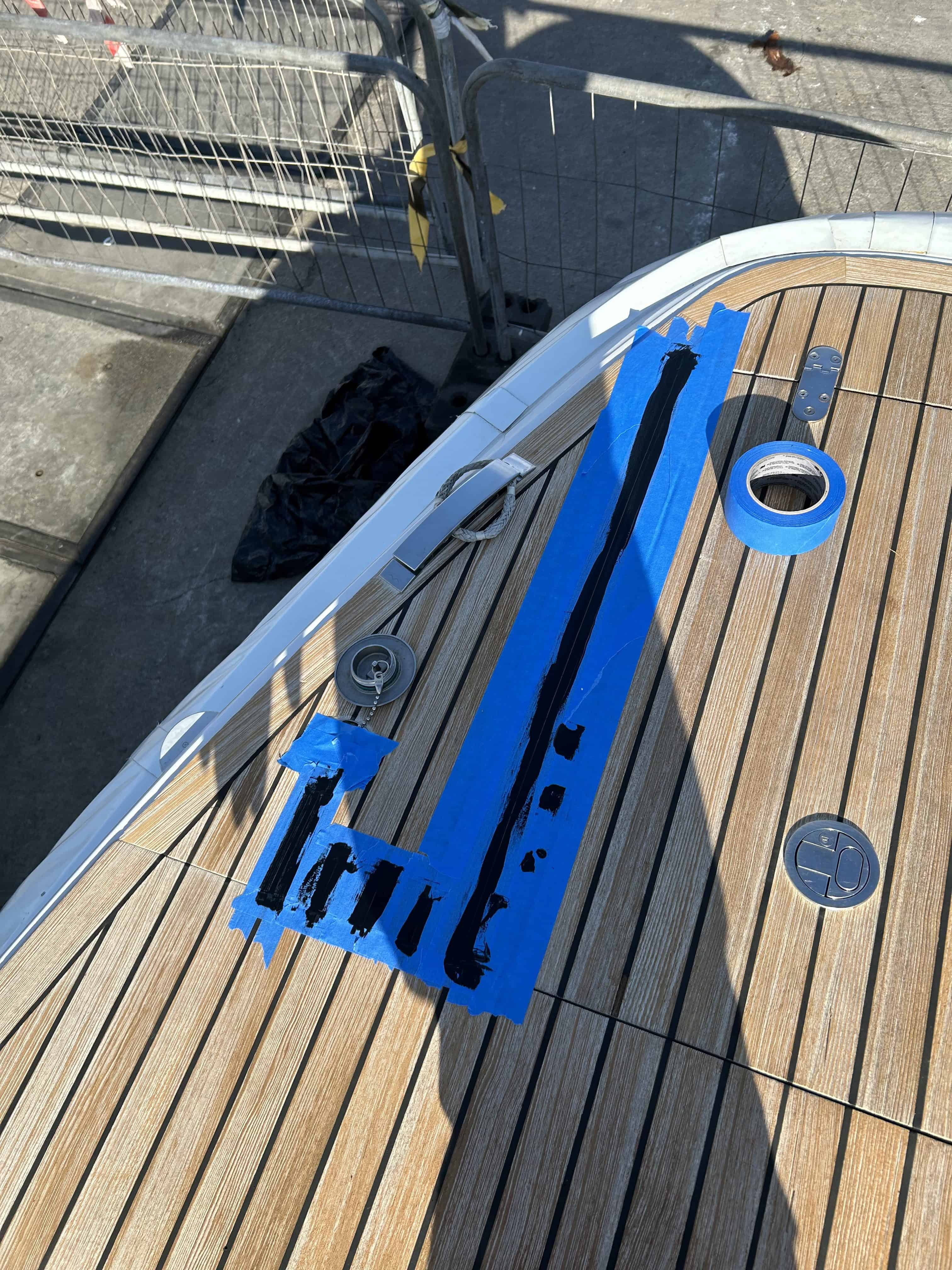
Finally, neglected seam maintenance poses a serious risk. Teak decks rely on flexible caulking seams to accommodate movement and prevent water intrusion. When seams crack or detach, water can reach the subdeck and compromise the bonding system. In many cases, deck failure is driven more by seam issues than by the teak planks themselves.
Understanding these risks allows owners to focus on preservation rather than cosmetic perfection.
Teak on Decks vs Teak on Furniture
It is also important to distinguish between teak decking and teak furniture. Although they share the same material, their maintenance priorities differ.
Teak cockpit tables, handrails, and exterior furniture are often made from thicker stock and can be removed for storage. These pieces may be oiled or sealed if a golden appearance is desired. Because they are not structural walking surfaces, sanding and cosmetic refinishing carry lower risk.
Teak decks, on the other hand, must remain non-slip and structurally sound. Oiling a teak deck can make it dangerously slippery and increase maintenance frequency. For decking, durability and safety take priority over colour.
Confusing these two applications often leads to inappropriate maintenance decisions.
Climate, Usage, and Wear Patterns
The rate at which teak ages depends heavily on environment and usage. Yachts operating in tropical climates experience higher UV exposure, which accelerates silvering and surface breakdown. Boats in colder climates may weather more slowly but still face moisture-related stress.
High-traffic areas such as cockpits and companionway steps typically wear faster than side decks. Swim platforms exposed to constant wet-dry cycles may also show accelerated ageing.
Storage habits matter as well. Boats kept under covers or stored indoors during the off-season often retain surface condition longer than those exposed year-round.
Understanding these variables helps owners create realistic teak maintenance schedules instead of reacting impulsively to cosmetic changes.
The Long-Term Perspective on Teak Care and Maintenance
Teak should be viewed as a long-term structural surface, not a decorative finish that requires constant restoration. Its purpose is to provide safe footing, resist marine exposure, and protect the subdeck beneath.
A sustainable teak maintenance strategy focuses on preserving thickness, protecting seams, and controlling moisture. It avoids unnecessary sanding and aggressive chemical treatments. It recognises that silver-grey teak is not a failure, but a natural stage in the wood’s lifecycle.
When owners adopt this preservation mindset, teak deck lifespan can extend well beyond two decades. When maintenance becomes driven by aesthetics alone, lifespan often shortens dramatically.
Before moving into cleaning techniques and restoration methods in the next section, the key takeaway is simple: teak is durable, but it is not indestructible. Every maintenance decision either preserves or consumes the material.
Understanding how teak behaves — and respecting its limitations — is the first step toward protecting both your yacht and your investment.
How to Clean Teak Decks
Cleaning teak decks is one of the most common parts of yacht maintenance — and one of the easiest ways to damage them.
Many owners scrub too aggressively, rely on harsh teak cleaners, or pressure wash their decks in an attempt to restore a golden finish. In doing so, they remove surface fibres, thin the planks, weaken the caulking seams, and reduce the overall lifespan of the teak deck.
Teak cleaning should protect the material, not consume it. The goal is simple: remove salt, dirt, organic growth, and staining while preserving teak thickness and seam integrity.
If you approach teak maintenance with that objective in mind, you will make better decisions every time you reach for a brush or cleaner.
Teak does not need to look freshly sanded to remain healthy. Silver-grey teak is not dirty teak. It is weathered teak — and that weathering does not compromise structural integrity.
When owners chase a permanent golden colour, they tend to:
Over-clean
Use strong chemical teak cleaners too often
Sand unnecessarily
Strip natural surface oils
That cycle accelerates wear.
Instead, focus on preservation. Clean teak to remove contaminants and salt buildup, not to erase every sign of weathering.
Routine Teak Deck Cleaning: The Low-Impact Method
Most yachts only require light, consistent care. You do not need aggressive products or specialist chemicals for routine teak deck cleaning.
Step 1: Rinse With Fresh Water
Salt crystals attract moisture and accelerate surface degradation. After sailing or extended salt exposure, rinse the teak deck thoroughly with fresh water.
Use low pressure and let the water flow across the deck. Most deck wash pumps or a docks water pressure is perfect. Avoid pressure washers entirely. Even “light” pressure washing can lift soft grain fibres and erode seams.
A simple rinse often removes most surface salt and loose dirt. Many decks need nothing more during active season.
Step 2: Use a Mild deck cleaner
When dirt builds up or stains begin to show, wash the deck with warm water and a gentle deck cleaner.
Choose a soft or medium bristle brush or scrubbing pad and scrub gently. There are multiple methods when scrubbing teak. Each have there benefits and there drawbacks.
Scrubbing with the grain can help pull dirt from lower in the grain. However can deepen the grain over time.
Scrubbing against the grain help to not deepen the grain but can damage fibers.
Scrubbing at a 45 degree angle is often proffered by most professionals as this is a middle ground.
You do not need heavy pressure. Let the product loosen the contamination while you guide the brush evenly across the surface.
This approach removes:
Surface grime
Light mildew
Organic debris
General marina buildup
It does not strip significant material or compromise plank thickness.
Step 3: Rinse Thoroughly and Let It Dry Naturally
After scrubbing, rinse the teak completely. Remove all soap residue. Allow the deck to air dry. Do not attempt to force-dry it with high-pressure water or compressed air. You can use a foam deck squeegee this will help it to dry evenly and not leave streaky water marks.
Consistent, gentle cleaning like this protects teak decks for years.
A concentrated powder cleaner for lifting dirt and brightening weathered teak decks. Applied directly to a wet deck, it offers a practical option for owners managing larger teak areas. Work gently across the grain with a suitable soft pad and rinse thoroughly.
Description:
Snappy Teak-Nu is a two-part, acid-based teak cleaner designed for heavily weathered or stained teak. It is used for deep and thorough teak cleaning and brightening, especially when teak has become grey, dirty, patchy or marked over time.
Description:
Star brite Teak Cleaner & Brightener is a one-step teak cleaning product designed to clean and brighten teak and other fine woods. It is commonly used on weathered, grey, or stained teak areas onboard, including teak trim, steps, furniture, cockpit areas, swim platforms, and selected deck sections where suitable.
Description:
A convenient option for cleaning and brightening teak decks, with a ready-to-use formula that needs no mixing. Its thicker consistency stays on the scrubbing pad, helping keep application controlled during routine deck care.
Description:
Simple Green All-Purpose Cleaner is a dilutable general-purpose cleaner and degreaser commonly used for removing dirt, grease, oil residue and everyday grime from washable surfaces. The manufacturer describes it as suitable for water-tolerant surfaces, with guidance to dilute as needed, spot test first, rinse or damp-wipe after use, and avoid unsuitable surfaces such as unfinished wood, suede and leather.
A concentrated powder cleaner for lifting dirt and brightening weathered teak decks. Applied directly to a wet deck, it offers a practical option for owners managing larger teak areas. Work gently across the grain with a suitable soft pad and rinse thoroughly.
Snappy Teak-Nu is a two-part, acid-based teak cleaner designed for heavily weathered or stained teak. It is used for deep and thorough teak cleaning and brightening, especially when teak has become grey, dirty, patchy or marked over time.
Star brite Teak Cleaner & Brightener is a one-step teak cleaning product designed to clean and brighten teak and other fine woods. It is commonly used on weathered, grey, or stained teak areas onboard, including teak trim, steps, furniture, cockpit areas, swim platforms, and selected deck sections where suitable.
A convenient option for cleaning and brightening teak decks, with a ready-to-use formula that needs no mixing. Its thicker consistency stays on the scrubbing pad, helping keep application controlled during routine deck care.
Simple Green All-Purpose Cleaner is a dilutable general-purpose cleaner and degreaser commonly used for removing dirt, grease, oil residue and everyday grime from washable surfaces. The manufacturer describes it as suitable for water-tolerant surfaces, with guidance to dilute as needed, spot test first, rinse or damp-wipe after use, and avoid unsuitable surfaces such as unfinished wood, suede and leather.
Sometimes routine washing will not restore a deck sufficiently. You may see:
Dark staining
Embedded dirt
Heavy greying combined with contamination
Mould or algae growth
Before reaching for a two-part teak cleaner, try a more controlled solution.
Use a single-stage teak cleaner designed specifically for marine decking. Wet the deck first, apply the cleaner evenly, and scrub gently along the grain. Rinse thoroughly before the product dries.
Teak decking systems has some greats products for these applications. Check the link below.
This method can brighten teak without stripping excessive surface material.
Target stains individually whenever possible. If a small area shows oil or rust staining, treat only that section instead of the entire deck. Localised cleaning preserves thickness across the rest of the surface.
Two-Part Teak Cleaners: Use With Restraint
Two-part teak cleaners contain an acidic first stage and a neutralising second stage. They remove heavy staining and dramatically brighten the surface.
They also act aggressively on the wood fibres.
Reserve two-part cleaners for genuine restoration situations, such as:
Severely neglected teak decks
Deep staining that routine cleaning cannot address
Pre-restoration preparation before seam replacement
When you use a two-part system, follow a disciplined process:
Wet the teak thoroughly.
Apply Part 1 evenly.
Scrub gently, let the product do the work.
Rinse completely and wash the surrounding paint.
Apply Part 2 to neutralize and brighten.
Rinse again thoroughly.
Do not allow the product to dry on the deck. Wear gloves and eye protection. Protect surrounding gelcoat and metal fittings.
Do not build two-part cleaning into your short term planned maintenance schedule. This should be done a a maximum of twice a year. Even on busy charter yachts. Frequent acid cleaning strips natural oils and weakens surface fibers, which increases future wear.
Why Pressure Washing Destroys Teak Decks
Pressure washing removes dirt quickly, but it damages teak in the process.
High-pressure water:
Lifts soft grain fibres
Creates a fuzzy surface texture
Erodes caulking seams
Forces water beneath planks
Even if the deck looks clean immediately afterward, the long-term impact often includes raised grain, faster wear, and seam deterioration.
Teak decks should never be pressure washed. If a contractor suggests it as routine maintenance, reconsider the approach.
Cleaning Teak Without Sanding
Many owners assume that sanding must follow every deep clean. In most cases, that assumption leads to unnecessary material loss.
If cleaning leaves minor roughness, allow the deck to dry fully and reassess. Often the surface settles naturally. If raised grain persists, use very light hand sanding with fine grit to smooth isolated areas — not the entire deck.
Avoid turning cosmetic brightening into full teak restoration. Every sanding session reduces thickness permanently.
Mould and Mildew in Teak Care
In humid climates, mold may develop on teak decking.
Address mild mold with a diluted vinegar solution or a gentle marine cleaner. Scrub lightly along the grain and rinse thoroughly. Improve airflow where possible and reduce standing moisture.
Avoid heavy chlorine bleach use. Bleach can weaken fibres and damage caulking seams over time.
Consistent rinsing and proper ventilation reduce recurrence more effectively than aggressive chemical treatment.
Teak furniture requires a slightly different approach than teak decks.
Cockpit tables, exterior chairs, and handrails often use thicker stock and can tolerate light sanding more easily. You may oil or seal furniture if you prefer a golden finish, but understand that oil increases maintenance frequency and attracts dirt.
Teak decking must remain non-slip and structurally sound. Do not oil teak decks. Oil creates a slippery surface and accelerates maintenance cycles. If you want to keep that golden look for longer, apply a sealer instead. Check out our recommended product below for this.
Always separate your approach to furniture teak and deck teak. They serve different functions and require different priorities.
Common Teak Cleaning Mistakes
Avoid these errors if you want to protect your teak deck:
Cleaning too frequently with strong products. Using pressure washers. Allowing chemical cleaners to dry on the surface. Treating cosmetic silvering as damage.
Each of these habits reduces plank thickness or weakens seams.
Build a Sustainable Teak Maintenance Routine
A long-term teak maintenance plan should feel controlled and deliberate.
During the active season, rinse after heavy salt exposure and wash lightly when necessary. Inspect seams regularly while cleaning. Look for cracking, detachment, or areas where caulking sits flush instead of slightly recessed.
At the end of the season, perform a gentle wash and allow the deck to dry thoroughly before layup. Use covers where practical to reduce UV exposure.
Avoid routine sanding. Avoid annual acid stripping. Focus on preservation rather than restoration.
The Long-Term Impact of Proper Teak Cleaning
When you clean teak conservatively, you protect:
Plank thickness
Seam adhesion
Surface integrity
Overall deck lifespan
When you clean aggressively, you accelerate replacement.
The difference between a teak deck that lasts 10 years and one that lasts 20 often comes down to cleaning habits.
Teak is durable, but it rewards restraint. Clean with purpose. Remove contamination. Preserve material. Accept natural weathering.
Sanding teak is one of the most misunderstood and high-risk tasks in yacht maintenance. Many yacht owners and crew approach it as a cosmetic procedure, aiming to restore a golden finish. In reality, sanding is a structural intervention. Every pass removes measurable material and reduces the lifespan of the deck. Done correctly, however, sanding corrects surface irregularities, removes deep stains, and restores a smooth, safe walking surface — all without compromising the wood or caulking.
The key to safe teak restoration lies in restraint, understanding teak deck thickness, and using the proper tools and techniques. A disciplined approach ensures that your teak remains durable, visually appealing, and safe for decades.
When Sanding Becomes Necessary
Sanding should never form part of routine maintenance. Most healthy teak decks do not require sanding, even when they appear silver-grey. Natural weathering and surface silvering do not indicate damage.
Consider sanding only when:
The surface develops uneven wear patterns or raised grain that cannot be corrected by cleaning.
Deep staining from oil, rust, or chemicals persists after careful cleaning.
Minor mechanical damage, such as scratches or gouges, threatens comfort or safety.
Seam edges become uneven and need light levelling prior to re-caulking.
If the deck remains smooth and functional, silvered, or lightly weathered, sanding will remove more material than necessary and shorten overall deck life. Accepting the natural aging of teak is a crucial mindset in long-term maintenance.
Understanding Teak Thickness
The thickness of your teak deck determines how much material you can safely remove. Modern yachts often have decks between 8–10mm thick, while custom or older vessels may range from 12–15mm. Teak veneer systems can be as thin as 4–6mm. Each sanding session removes between 0.5 and 1mm, depending on grit, pressure, and technique.
A deck that begins at 8mm can reach a critical point after only a few aggressive sanding cycles. Fasteners may become exposed, caulking may fail, and structural integrity may decline. Measuring plank thickness before sanding allows you to plan how much material you can safely remove without compromising the deck.
Thickness preservation always outweighs aesthetic considerations. Golden colour restoration is tempting, but it should never come at the cost of structural integrity.
Hand Sanding vs Machine Sanding
Choosing the right sanding method has a direct impact on deck safety and longevity.
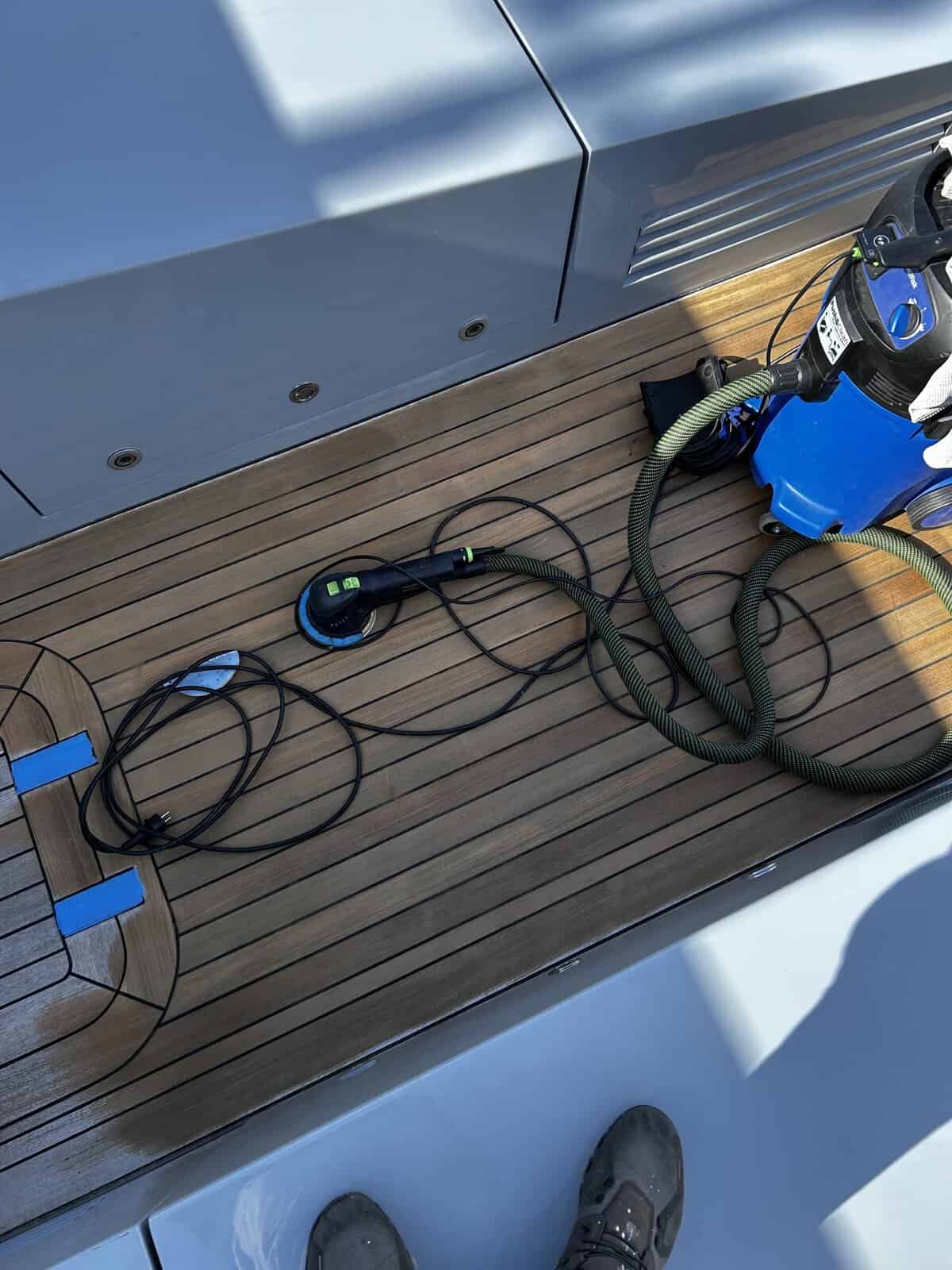
Hand sanding offers maximum control. It removes material slowly, preserves grain, and minimizes the risk of uneven surfaces or seam damage. It works particularly well for minor spot repairs, small gouges, or stain removal. While slower than mechanical sanding, hand sanding allows you to correct issues without consuming excessive wood.
Machine sanding, such as orbital or belt sanders, removes material quickly but carries higher risk. It can create uneven surfaces, expose fasteners, or weaken caulking seams. For thinner decks and veneer systems, machine sanding may destroy the deck in a single session. Always exercise extreme caution and consider professional assistance for large areas or delicate surfaces.
Grit Selection and Sanding Technique
The choice of sandpaper grit and the technique you use play a critical role in preserving teak.
60 grit works for light levelling and smoothing uneven planks.
80-120 grit works for finishing and smoothing minor imperfections.
Sanding always follows the grain of the teak. Cross-grain sanding tears fibres, creates scratch patterns, and weakens the surface. Apply even, moderate pressure and let the sandpaper do the work. Overly aggressive sanding leads to low spots, wavy surfaces, and raised seams.
Raised Grain and Surface Restoration
Raised grain often develops after improper cleaning, pressure washing, or repeated chemical treatments. The surface feels fuzzy or rough underfoot. Light sanding smooths the grain without significantly reducing thickness.
If raised grain recurs frequently, reevaluate cleaning methods rather than sanding more often. The goal is surface correction, not repeated restoration cycles that consume plank material.
Spot Sanding vs Full Deck Sanding
Full deck sanding should remain a last resort. In most cases, spot sanding addresses the specific issue without removing material unnecessarily. Localised sanding corrects stains, minor gouges, or uneven wear while preserving thickness elsewhere.
Before sanding the entire deck, ask:
Can the problem be solved locally?
Is the issue cosmetic or structural?
Does the deck have enough thickness to safely remove material?
Targeted interventions extend deck life while reducing risk.
Seam Integrity During Sanding
Teak decks rely on flexible caulking seams to accommodate movement and prevent water ingress. Aggressive sanding can lower or unevenly abrade seams, compromising their ability to shed water. Seams should remain slightly recessed after sanding, and any new seam replacement should precede heavy sanding to ensure a level surface.
Exposing or thinning seams accelerates wear, invites leaks, and shortens the deck’s service life. Always evaluate seam health before embarking on sanding projects.
Colour Restoration: Golden vs Silver Teak
Many yacht owners sand teak to restore a warm golden appearance. While sanding temporarily achieves this, UV exposure quickly returns the deck to silver-grey. A permanent golden finish requires regular sanding and chemical brightening, increasing maintenance and reducing lifespan.
Silver-grey teak represents healthy, weathered wood. It retains its non-slip properties and structural integrity, requiring less aggressive maintenance. Embrace this natural patina rather than chasing a temporary aesthetic.
Fastener Exposure Risk
Repeated sanding can expose fasteners, especially on older decks with screws or bolts. Once exposed, water ingress increases, and corrosion can compromise deck safety. Modern vacuum-bonded decks reduce this risk but still rely on adequate teak thickness. Monitoring fastener exposure is critical in scheduling future maintenance.
Professional vs DIY Restoration
For minor corrections and localized sanding, DIY methods work well with hand sanding. Large-scale restoration, veneer decks, or areas with marginal thickness require professional intervention. Experienced marine teak specialists understand deck construction, thickness limitations, and seam behavior, ensuring that restoration extends deck life rather than shortening it.
Sustainable Teak Care Philosophy
A long-term approach to sanding balances safety, aesthetics, and preservation. Focus on cleaning and inspection first. Sand only when genuinely necessary, using hand sanding wherever possible. Avoid chasing a golden colour and prioritize structural integrity.
By adopting a conservative restoration mindset, you protect the teak deck for decades, reduce long-term costs, and maintain a safe, functional surface for all yacht activities.
Key Takeaways
Sanding is corrective, not cosmetic.
Always measure deck thickness before sanding.
Hand sanding provides control and minimizes material loss.
Machine sanding is faster but riskier and should be reserved for professionals.
Follow the grain and use moderate pressure.
Spot sanding is safer than sanding the entire deck.
Silver-grey teak is healthy teak — colour restoration should not dictate sanding frequency.
Protect caulking seams to maintain water-tight integrity.
Sanding done correctly extends the life of your teak deck, while unnecessary sanding shortens it. With careful planning, measured technique, and a long-term perspective, teak restoration becomes a controlled maintenance strategy rather than a cycle of degradation.
Check out some of a recommendations below to get you started with your decks sanding!
Worth considering for regular restoration work, with geared sanding for stronger material removal and random-orbit sanding for finer finishing. The 150 mm pad suits larger surfaces, making this a versatile option for experienced owners and professionals tackling substantial refinishing projects.
A practical starter kit for cordless sanding, supplied with a battery, charger and storage bag. Its brushless motor and variable-speed control suit regular preparation work, while the compact design helps when moving between smaller jobs around the boat.
A practical corded sander for preparing wooden trim and flat surfaces before refinishing. Variable speed lets you adjust the sanding action to the job, while its low profile and rubber grip help maintain control close to the workpiece.
A convenient choice for moving between onboard sanding jobs without trailing a power lead. Three speed settings provide flexibility for preparation and finishing, particularly if you already use Makita’s 18V LXT range. This is the tool-only version, so a compatible battery and charger are required separately.
A straightforward corded option for regular wood preparation, with a comfortable grip and dust collection through the sanding pad. The included carry case keeps it organised between jobs, making it a useful addition to an onboard or workshop toolkit.
This set keeps 120 Granat sanding discs, from P60 to P220, organised in a protective Systainer case. A practical investment for regular preparation and refinishing work, with separate compartments that make the right grit easy to find. Designed for compatible 150 mm sanders.
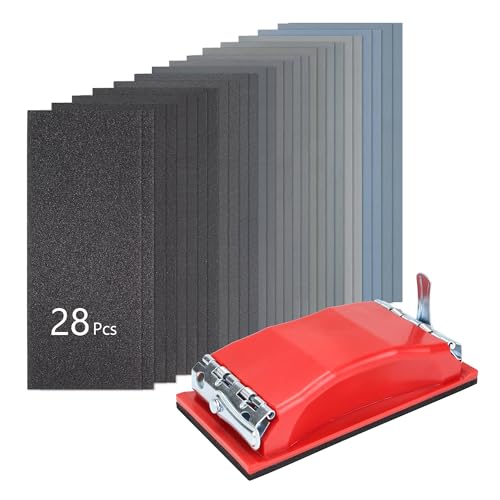
A useful hand-sanding kit for smaller repairs and finishing jobs that need a careful touch. The reusable block holds sheets securely, while the included 120–3000 grit wet-and-dry papers provide options for surface preparation through to fine finishing.
A useful bulk pack for keeping your sander stocked, with grits from 40 to 600 covering different preparation and finishing jobs. Hook-and-loop backing makes disc changes quick; check that the 125 mm size and eight-hole layout match your sanding pad.
Worth considering for regular restoration work, with geared sanding for stronger material removal and random-orbit sanding for finer finishing. The 150 mm pad suits larger surfaces, making this a versatile option for experienced owners and professionals tackling substantial refinishing projects.
A practical starter kit for cordless sanding, supplied with a battery, charger and storage bag. Its brushless motor and variable-speed control suit regular preparation work, while the compact design helps when moving between smaller jobs around the boat.
A practical corded sander for preparing wooden trim and flat surfaces before refinishing. Variable speed lets you adjust the sanding action to the job, while its low profile and rubber grip help maintain control close to the workpiece.
A convenient choice for moving between onboard sanding jobs without trailing a power lead. Three speed settings provide flexibility for preparation and finishing, particularly if you already use Makita’s 18V LXT range. This is the tool-only version, so a compatible battery and charger are required separately.
A straightforward corded option for regular wood preparation, with a comfortable grip and dust collection through the sanding pad. The included carry case keeps it organised between jobs, making it a useful addition to an onboard or workshop toolkit.
This set keeps 120 Granat sanding discs, from P60 to P220, organised in a protective Systainer case. A practical investment for regular preparation and refinishing work, with separate compartments that make the right grit easy to find. Designed for compatible 150 mm sanders.
A useful hand-sanding kit for smaller repairs and finishing jobs that need a careful touch. The reusable block holds sheets securely, while the included 120–3000 grit wet-and-dry papers provide options for surface preparation through to fine finishing.
A useful bulk pack for keeping your sander stocked, with grits from 40 to 600 covering different preparation and finishing jobs. Hook-and-loop backing makes disc changes quick; check that the 125 mm size and eight-hole layout match your sanding pad.
We earn a commission if you make a purchase, at no additional cost to you.
Sealing, Oiling, and Long-Term Teak Care & Protection
After cleaning and, if necessary, light sanding, the next critical step in teak care is long-term protection. Teak is naturally durable, but exposure to sunlight, saltwater, and heavy foot traffic gradually diminishes its performance. Proper protection strategies extend teak deck lifespan, maintain surface integrity, and reduce the need for frequent restoration.
The goal is not to make teak look artificially new, but to preserve its structure, reduce maintenance frequency, and prevent accelerated wear. This section explains the options for teak sealing, teak oil, long-term protection strategies, and best practices to maintain both exterior and interior teak surfaces on yachts.
Understanding Teak Oil and Sealer
Owners often ask whether to oil or seal teak, and the answer depends on goals, deck type, and location. Teak oil penetrates the wood fibres, enhancing natural colour and providing temporary protection against moisture. Oiled teak looks warm and golden and highlights the grain, making it visually appealing for exterior furniture and handrails.
Sealers, by contrast, form a protective layer on the surface. They reduce water absorption, protect against UV damage, and help prevent the wood from drying excessively. Sealers can be clear or slightly tinted to enhance colour, but they do not penetrate as deeply as oils.
Understanding these differences is crucial in marine teak care:
Teak oil accentuates colour but requires frequent reapplication, especially on high-traffic areas.
Teak sealer may slightly darken silvered teak but provides longer-lasting protection.
Many modern yacht owners combine both approaches: light oiling for colour and a thin sealer layer for UV protection.
Choosing the right product depends on your priorities: aesthetic finish, maintenance frequency, and deck type. Remember that over-oiling or over-sealing can trap dirt, encourage mildew, and reduce slip resistance.
When and How to Apply Teak Oil
Applying teak oil is best done on clean, dry, and lightly sanded surfaces. For decks that are thick enough to allow occasional sanding without reducing longevity, light sanding enhances oil absorption. For thinner planks or veneers, skip sanding and apply oil only to freshly cleaned surfaces.
Steps for proper teak oil application:
Ensure the teak surface is thoroughly clean and dry.
Use a high-quality, marine-grade teak oil designed for outdoor use.
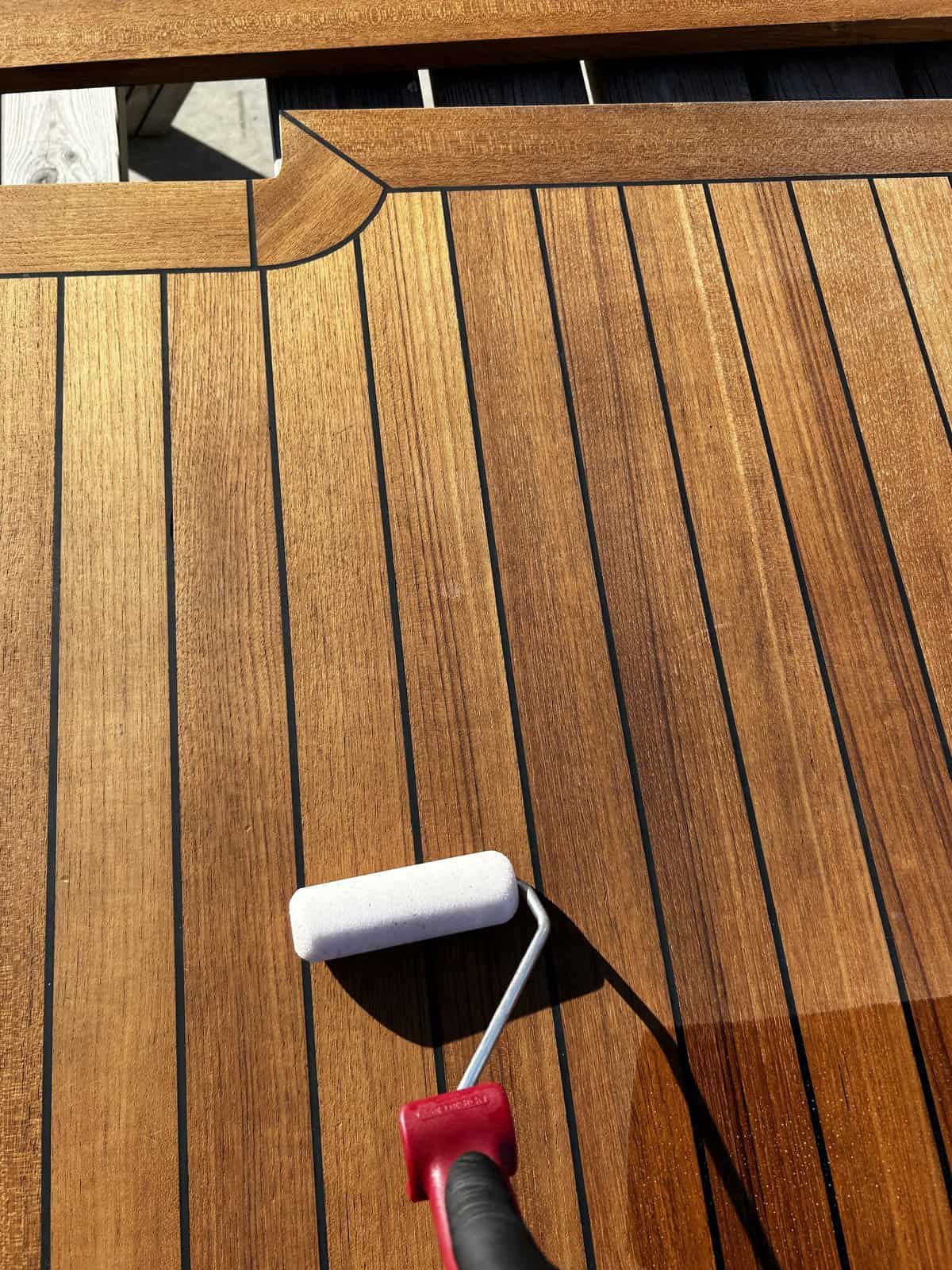
Apply a thin layer with a soft brush, foam roller or cloth, always following the grain.
Allow 15–30 minutes for absorption.
Wipe off excess to prevent sticky residue.
Let the deck or furniture dry completely before use.
Frequency of application depends on environmental exposure: tropical, high-UV regions may require reapplication every 2–3 months, while temperate areas may extend intervals to 4–6 months. Avoid oiling silver-grey teak solely to restore golden colour — instead, focus on moisture protection and fibre preservation.
Check out starbrites Step 3 teak oil below. An industry leader when it comes to that dark golden finish.
For yacht owners prioritising long-term teak protection and reduced maintenance, sealers provide a safer, more sustainable solution. Sealers penetrate minimally but create a barrier that resists water and UV degradation. They also reduce surface fibre erosion, which prolongs teak deck lifespan.
To apply a sealer:
Clean and dry the teak thoroughly.
Lightly sand if surface fibres raised after cleaning.
Apply sealer with a soft brush or roller, always following the grain.
Allow to penetrate 20–30 minutes and wipe off excess.
Apply a second coat for high-traffic areas.
Sealers do not restore colour permanently but reduce silvering and protect the wood from UV damage, saltwater exposure, and general wear. Many professional yacht maintenance programs recommend sealers over frequent oiling for decks, while oils remain popular for removable furniture and interior teak surfaces.
Balancing Oil and Sealer
Some yacht owners combine teak oil and teak sealer for maximum effect. In these cases:
Apply a light coat of oil first to enhance the natural grain and colour.
Let the oil cure fully, usually 24–48 hours.
Apply a thin layer of marine-grade sealer for long-term protection.
This method keeps decks visually warm, reduces maintenance frequency, and provides a barrier against moisture, mildew, and UV degradation. However, it requires careful timing and attention to product compatibility. Never apply one product over another without checking manufacturer instructions.
Check out some easy to apply TYMH favourites below!
A useful choice for maintaining a natural-looking finish on exterior teak while helping repel water. Maintenance coats can be applied without routinely stripping the previous treatment, making it worth considering for owners who want a manageable upkeep routine.
Description:
Star brite Premium Golden Teak Oil is a marine teak oil designed to help enhance the natural colour of teak and provide a protective finish for exterior wood surfaces. It is commonly used as the final step after cleaning and brightening teak, particularly on yacht trim, cockpit tables, swim platforms, deck furniture, handrails and other exposed teak areas.
Description:
A useful finishing option for owners wanting to maintain the warm appearance of exterior teak. Its no-drip formula helps keep application controlled around furniture and trim; apply to properly cleaned, dry wood for an even finish.
A useful choice for maintaining a natural-looking finish on exterior teak while helping repel water. Maintenance coats can be applied without routinely stripping the previous treatment, making it worth considering for owners who want a manageable upkeep routine.
Star brite Premium Golden Teak Oil is a marine teak oil designed to help enhance the natural colour of teak and provide a protective finish for exterior wood surfaces. It is commonly used as the final step after cleaning and brightening teak, particularly on yacht trim, cockpit tables, swim platforms, deck furniture, handrails and other exposed teak areas.
A useful finishing option for owners wanting to maintain the warm appearance of exterior teak. Its no-drip formula helps keep application controlled around furniture and trim; apply to properly cleaned, dry wood for an even finish.
We earn a commission if you make a purchase, at no additional cost to you.
Protecting Exterior Teak Furniture
Exterior teak furniture faces similar environmental stressors as decks but can tolerate slightly more aggressive treatments. Oiling or sealing chairs, tables, and railings enhances colour and slows ageing. Because these pieces are removable, owners can sand or reapply protection more easily than on fixed decking.
When maintaining yacht teak furniture:
Follow the same grain direction for sanding and application.
Avoid over-oiling; thick layers trap moisture and attract dirt.
Consider light sanding every few seasons for deep stains.
Combine oiling and sealing cautiously if a golden tone is desired.
Exterior furniture can act as a testing ground for products before committing to full deck application.
Protecting Interior Teak
Interior teak surfaces also benefit from proper interior teak care. While protected from direct sunlight and saltwater, interior teak can suffer from humidity, spills, and general wear.
Key steps for interior teak maintenance:
Regularly dust and wipe surfaces with a damp cloth.
Clean with pH-neutral, wood-safe marine cleaners.
Avoid harsh chemicals or abrasive pads.
Consider a light oil or sealer to protect high-touch areas like handrails or cabinetry edges.
Proper interior teak maintenance enhances both longevity and appearance without creating slippery surfaces, which is crucial for safety inside the yacht.
Preventing UV and Saltwater Damage
Even with oils and sealers, teak remains vulnerable to environmental stressors. Salt and UV degrade the wood over time. To reduce damage:
Rinse decks and exterior furniture with fresh water after sailing in saltwater.
Use covers where possible to reduce UV exposure on high-traffic areas.
Inspect decks and furniture regularly for raised fibres, seam cracks, or discoloration.
Avoid constant sanding and chemical brightening.
These preventive measures complement your teak care routine and extend the effective lifespan of all teak surfaces.
Avoiding Common Teak Protection Mistakes
Yacht owners often unintentionally accelerate wear with well-intentioned protection efforts. Common errors include:
Applying oil too frequently, which increases maintenance and attracts dirt.
Using thick sealant layers that trap moisture and prevent proper drying.
Sanding excessively before oiling or sealing, removing precious plank thickness.
Ignoring raised fibres or seam integrity, which leads to uneven wear.
Avoiding these mistakes preserves both aesthetics and structural integrity.
Long-Term Protection Strategy
A sustainable long-term teak care strategy combines cleaning, selective sanding, and measured protection:
Clean decks gently and consistently to remove salt and debris.
Inspect seams and fasteners regularly.
Sand only when absolutely necessary, and only minimal material.
Apply oil selectively for visual enhancement or furniture.
Use sealer for long-lasting moisture and UV protection.
Rinse decks and furniture after saltwater exposure.
Accept natural silver-grey teak on decking — chasing golden tones accelerates wear.
This strategy balances visual appeal, structural preservation, and maintenance efficiency, allowing teak decks and furniture to last for decades.
Extending the Life of Teak
By combining proper cleaning, selective sanding, and responsible application of oils and sealers, yacht owners can extend the life of both exterior and interior teak. A well-maintained deck can easily reach 20–30 years, while furniture and cabinetry may last even longer.
Key principles for extending teak lifespan:
Prioritize preservation over cosmetic perfection.
Avoid over-cleaning or over-sanding.
Protect surfaces without creating slippery coatings.
Monitor UV and saltwater exposure, adjusting protection routines seasonally.
Integrate a combination of oil and sealer where appropriate.
Ultimately, teak care is about controlled maintenance, respecting the wood’s natural properties, and making informed choices to balance appearance with structural longevity.
FAQs: Teak Care and Maintenance on Yachts
How often should I clean teak decks on my yacht?
Routine cleaning depends on usage and environment. For yachts exposed to saltwater, rinse with fresh water after every sail and perform a gentle wash every few weeks during active season. Avoid over-cleaning, which accelerates wear. Deep cleaning with chemical teak cleaners should only occur 1–2 times per year, or as needed for stubborn stains.
Should I oil or seal my teak decks?
For teak deck protection, oils enhance colour but require frequent reapplication and increase maintenance frequency. Sealers provide longer-lasting UV and moisture protection with less ongoing work. Many owners combine light oiling for aesthetics with a sealer layer for protection, especially on high-traffic areas. For decks, silver-grey teak is healthy — oil is often better reserved for furniture or handrails.
Can I pressure wash my teak deck?
No. High-pressure water can lift grain fibres, erode caulking seams, and force water beneath planks. Even if the deck appears clean immediately, pressure washing accelerates damage and reduces teak deck lifespan. Gentle rinsing with fresh water is far safer.
How do I repair teak seams?
Regular inspection and maintenance of caulking is key. If seams crack, detach, or deteriorate, remove old caulking, clean the grooves, and refill with marine-grade flexible caulk. Properly maintained seams prevent water intrusion and protect subdeck integrity.
How can I extend the life of teak furniture on yachts?
For yacht teak furniture, clean gently, sand lightly if necessary, and apply oil or sealer selectively. Avoid excessive oiling and over-sanding. Store removable furniture indoors during off-season or under covers when possible.
Is it normal for teak to turn silver-grey?
Yes. Natural silvering is a normal stage in weathering and does not indicate damage. Chasing a permanent golden colour often leads to over-cleaning, excessive sanding, and reduced plank thickness. Accept silver-grey teak as healthy, durable wood.
How can I prevent UV and saltwater damage on teak?
Rinse decks and furniture after salt exposure, apply sealer for long-term protection, and use covers or shade where possible. Inspect surfaces for raised fibres, cracks, or seam issues regularly.
Can I sand teak decks myself?
Minor spot sanding for raised grain or small stains is safe with fine grit sandpaper. Full deck sanding carries risk and should be done sparingly or by professionals, especially on thin or veneer teak systems. Always follow the grain and monitor thickness.
What is the difference between exterior and interior teak maintenance?
Exterior teak faces UV, saltwater, and foot traffic, so protection and maintenance prioritize durability and safety. Interior teak requires dusting, gentle cleaning, and occasional oiling or sealing for high-touch areas. Slippery finishes should always be avoided inside and out.
What are common teak care mistakes to avoid?
Over-cleaning, aggressive sanding, pressure washing, chasing golden colour, over-oiling decks, and ignoring seam integrity are the most common errors. Following a preservation-focused approach ensures long-term durability and reduced maintenance costs.
Join the newsletter for practical yacht maintenance advice, new guide releases, downloadable resources, product recommendations and seasonal reminders designed to help owners, captains and crew make better maintenance decisions onboard. As TYMH grows, subscribers will also get early access to new checklists, maintenance resources, recommended products and exclusive offers or discounts from selected marine brands.
Success
Thank you for signing up to receive updates from The Yacht Maintenance Hub.
Blog / The Ultimate Guide to Teak Care and Maintenance on Yachts
We track how people interact with our online web content and resources, and some of that tracking involves storing cookies on your device. By continuing to use our site you accept that you agree to this. For more details see our Privacy Statement.

 310
310
310
310