← all Content & Guides
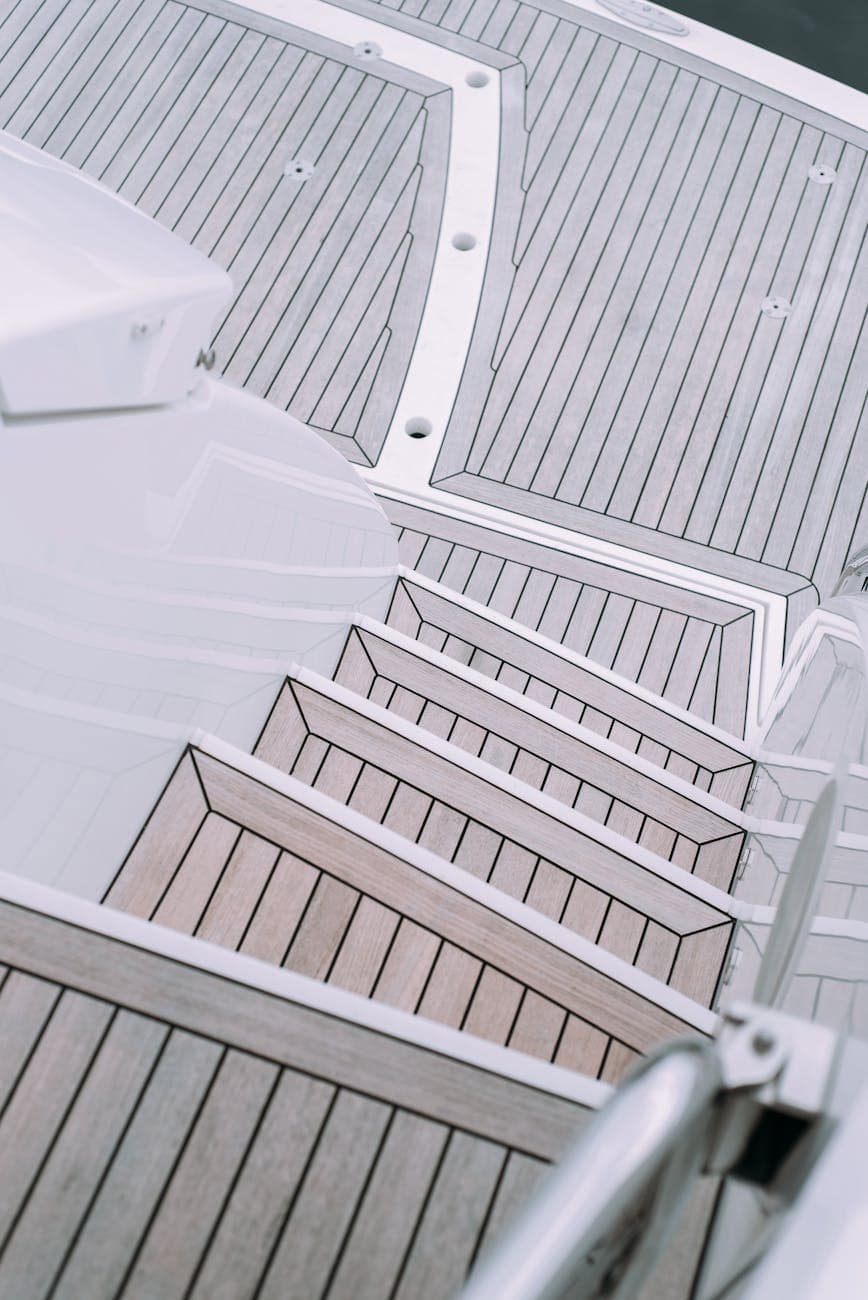
Teak decks remain a defining feature of many yachts, valued for their durability, natural grip, and predictable performance in marine environments. When maintained correctly, a teak deck can remain serviceable for decades and continue to support both vessel safety and resale value. When mismanaged, teak decking often becomes one of the most expensive long-term maintenance items onboard.
The lifespan of teak decks is influenced less by age and more by how they are treated. Many failures occur not through neglect, but through excessive or inappropriate maintenance practices that remove material unnecessarily or compromise caulking and subdeck integrity. Understanding how yacht teak wears is essential to preserving it.
This article outlines practical, long-term strategies for extending the life of teak decks. The focus is on realistic maintenance decisions, cost control, and preservation rather than cosmetic appearance or short-term fixes.
This post is all about extending the life of teak decks!
Understanding the Long-Term Value of Teak Decks
Why Teak Decks Are Still Considered a Premium Investment
Teak has been used for centuries in marine construction due to its natural resistance to moisture, salt, and temperature variation. Its dense grain structure and high oil content make teak decking particularly suitable for exterior applications such as a teak boat deck or yacht cockpit.
A well-installed boat teak deck provides reliable grip in wet conditions and maintains structural stability over time. These characteristics explain why teak decks continue to be specified on premium yachts, even as synthetic teak deck alternatives become more common.
How Proper Maintenance Impacts Yacht Value
The condition of a teak deck is a key focus during yacht surveys. Thin planks, uneven wear, and failed caulking are clear indicators of deferred maintenance and future cost. A boat teak decking system showing excessive sanding or exposed fasteners often raises immediate concerns for prospective buyers.
By contrast, teak decks that retain consistent thickness and intact caulking demonstrate informed ownership. Proper maintenance of yacht teak reduces replacement risk and protects long-term value.
Teak Decks vs. Synthetic and Fake Teak Decks
Synthetic teak deck products and fake teak deck materials are often selected for their uniform appearance and reduced day-to-day cleaning requirements. However, these materials behave differently over time, particularly with regard to heat retention, UV exposure, and adhesive longevity.
While a synthetic teak deck may suit certain applications, real teak decking offers greater flexibility for long-term management. Localized repairs, re-caulking, and controlled sanding allow owners to extend service life incrementally, rather than committing to complete replacement cycles.
Daily Habits That Preserve Teak Decks
Rinsing Practices That Prevent Premature Wear
Regular fresh-water rinsing removes salt crystals and surface contaminants that accelerate fiber breakdown in teak decking. Salt left on a teak deck draws moisture and contributes to surface erosion.
Rinsing should always be done using low pressure. High-pressure washing damages both the wood grain and caulking seams, significantly reducing the lifespan of a teak boat deck.
Cleaning Methods That Do More Harm Than Good
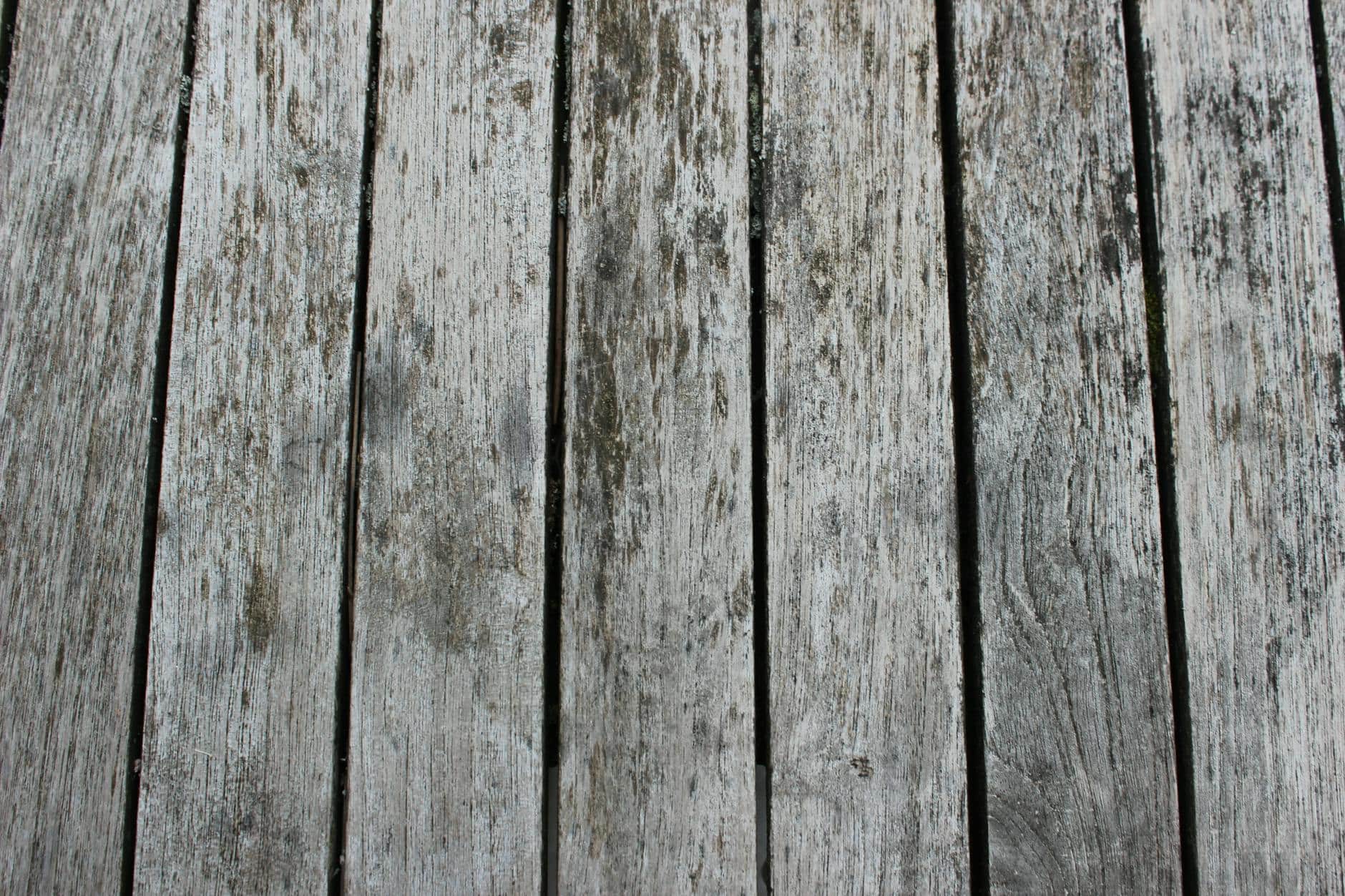
One of the most common causes of premature teak deck failure is aggressive cleaning. Hard brushes, pressure washers, and frequent chemical treatments erode the softer grain between teak fibers, thinning the surface of the deck.
Teak decks do not require frequent scrubbing to remain functional. Light cleaning with water and a soft brush is typically sufficient for maintaining a boat teak deck.
Footwear Rules and Their Long-Term Impact
Foot traffic is a primary contributor to wear on teak decks. Shoes carry grit that acts as an abrasive, particularly in high-use areas such as companionways and helm stations.
Encouraging barefoot use or soft-soled deck shoes reduces abrasion and helps maintain even wear across teak decking surfaces.
Immediate Spill and Stain Management
Teak is naturally resistant to staining, but substances such as oils, sunscreen, and food can penetrate the surface if not addressed promptly. Early intervention reduces the likelihood that sanding will be required.
Spot cleaning should be localized and gentle, preserving as much material as possible.
Foot Traffic Management and Furniture Placement
High-Traffic Zones and Accelerated Wear Patterns
Certain areas of a yacht experience concentrated foot traffic, leading to accelerated wear on teak decks. Boarding points, companionways, and helm stations are common examples.
Without management, these areas thin faster than surrounding teak decking, limiting the usable lifespan of the entire deck.
Strategic Use of Mats and Runners
Breathable mats can reduce abrasion in high-traffic zones when used correctly. Mats should allow airflow and avoid rubber or latex backing, which can trap moisture against the teak deck.
Periodic repositioning prevents uneven discoloration and localized wear.
Furniture Placement Best Practices
Deck furniture introduces point loads that compress teak fibers and stress caulking seams. This is especially true on a yacht teak deck where furniture remains in fixed positions for extended periods.
Protective pads beneath furniture feet and seasonal repositioning reduce long-term damage. Furniture should always be lifted rather than dragged across teak decking.
Tender, Toy, and Equipment Storage
Dragging equipment across a teak boat deck causes immediate surface damage and can disrupt caulking. Using cradles, stands, or dedicated storage areas helps protect the deck structure.
Find out more about teak care and maintenance.
Seasonal Maintenance Routines for Teak Decks
Spring Commissioning for Teak Decks
Spring commissioning is the ideal time to inspect teak decks for caulking failure, plank movement, and early fastener exposure. Addressing small issues early often prevents more invasive work later.
Cleaning during this period should focus on salt removal rather than cosmetic brightening.
Summer Maintenance During Heavy Use
During peak season, teak decks are exposed to increased traffic, sunscreen, and food spills. Cleaning frequency may increase, but cleaning intensity should remain minimal.
Regular inspections help identify developing issues before they become structural.
Autumn and Pre-Layup Care
Before winter layup, teak decks should be cleared of organic debris that traps moisture. A final inspection helps determine whether off-season work is required.
Winter Protection and Storage Considerations
Covers should protect teak decking while allowing ventilation. Fully sealed coverings often promote mildew and staining due to trapped moisture.
Re-Caulking vs. Sanding vs. Replacement Timelines
Understanding Teak Deck Construction and Wear Limits
Most teak decks are installed with an initial plank thickness of approximately 10–12mm. Each sanding permanently removes material, reducing remaining service life.
Knowing the current thickness of a boat teak deck is critical before authorizing any sanding.
When Re-Caulking Is the Right Solution
Caulking failure does not necessarily indicate teak failure. In many cases, re-caulking restores deck integrity without removing additional wood.
Timely re-caulking is one of the most effective ways to extend the lifespan of teak decking.
Sanding: When It’s Necessary and When It’s Not
Sanding should only be undertaken when structurally required. Cosmetic sanding to improve color or uniformity significantly shortens the lifespan of teak decks and often accelerates replacement timelines.
Indicators That Full Replacement Is Imminent
Exposed fasteners, proud caulking, plank movement, and moisture ingress into the subdeck indicate that teak deck replacement may be required. At this stage, further sanding often increases long-term cost.
Cost Comparison – Maintenance vs. Replacement
Typical Costs of Routine Teak Deck Maintenance
Routine inspections, light cleaning, and periodic re-caulking represent a predictable and manageable expense over time. Compared to replacement, these costs are relatively low.
The True Cost of Teak Deck Replacement
Replacing a teak deck involves significant material and labor costs, potential subdeck repairs, and vessel downtime. It is typically one of the most expensive refit items on a yacht.
Maintenance ROI Over a 20–30 Year Ownership Cycle
Owners who focus on preservation rather than appearance often double the service life of teak decks. This approach significantly reduces total ownership cost and protects resale value.
Best Practices Summary for Maximizing Teak Deck Lifespan
Habits That Add Years to Teak Decks
- Gentle, consistent cleaning
- Managed foot traffic and furniture placement
- Early attention to caulking issues
Decisions That Shorten Teak Deck Life
- Over-sanding
- Aggressive cleaning methods
- Delayed maintenance
Building a Long-Term Teak Deck Care Plan
A structured maintenance plan allows owners to manage teak decks proactively, preserving material and avoiding unnecessary replacement.
Final Thoughts on Protecting Teak Decks
Teak decks perform best when treated as long-term structural components rather than cosmetic surfaces. Owners who understand how teak decking wears and make informed maintenance decisions consistently achieve better outcomes.
With appropriate care, a teak deck can remain functional, safe, and serviceable for decades, protecting both the vessel and its value.
 310
310
310
310