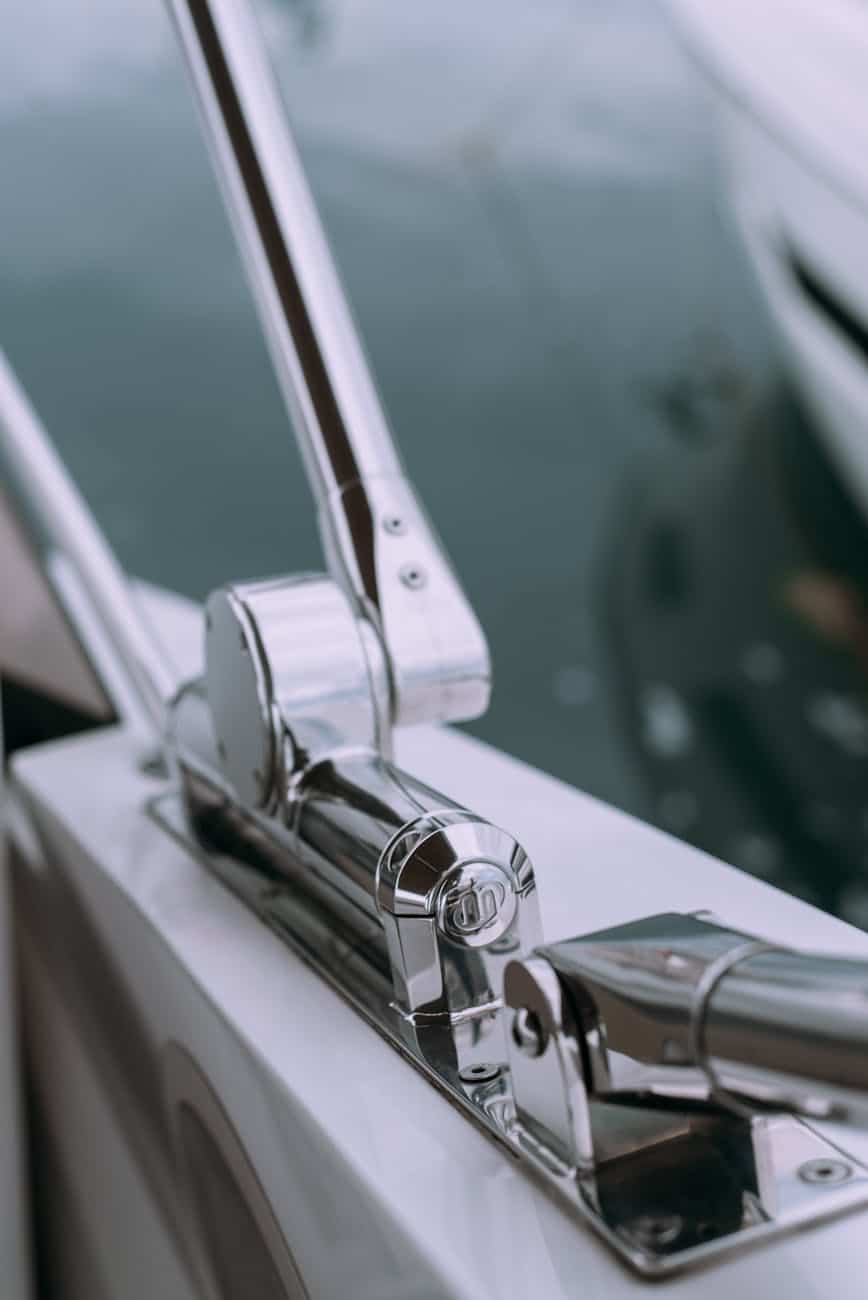
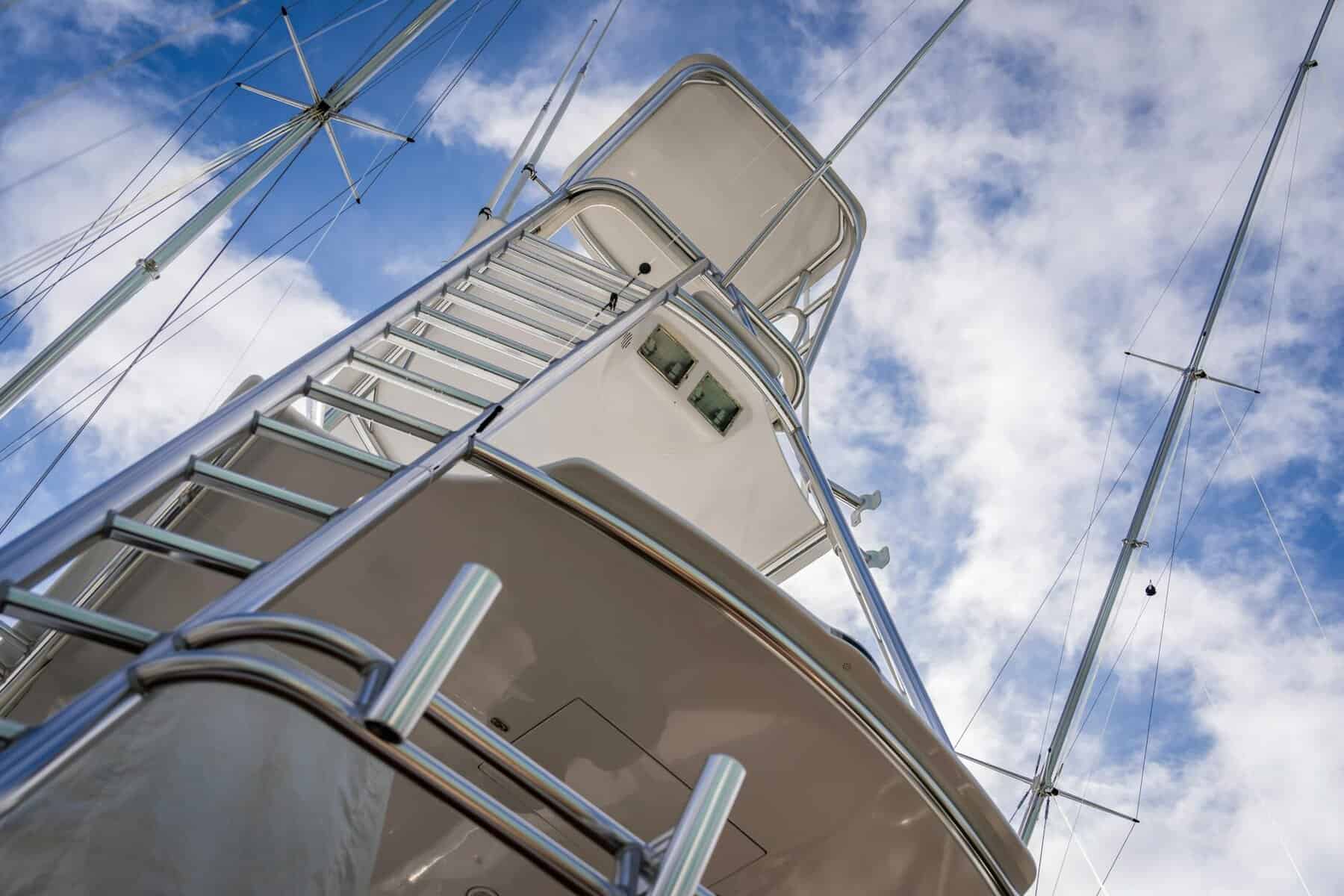
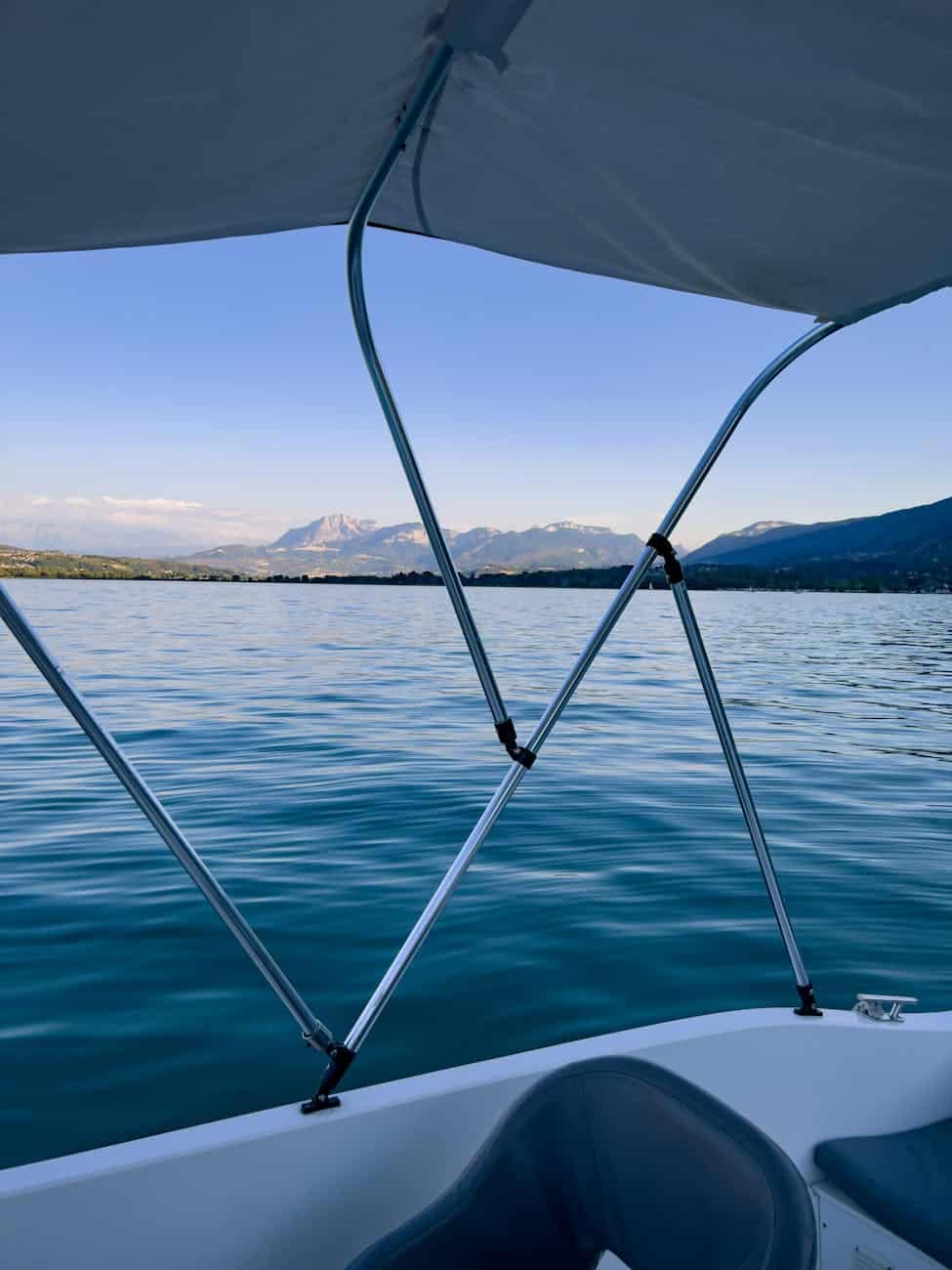
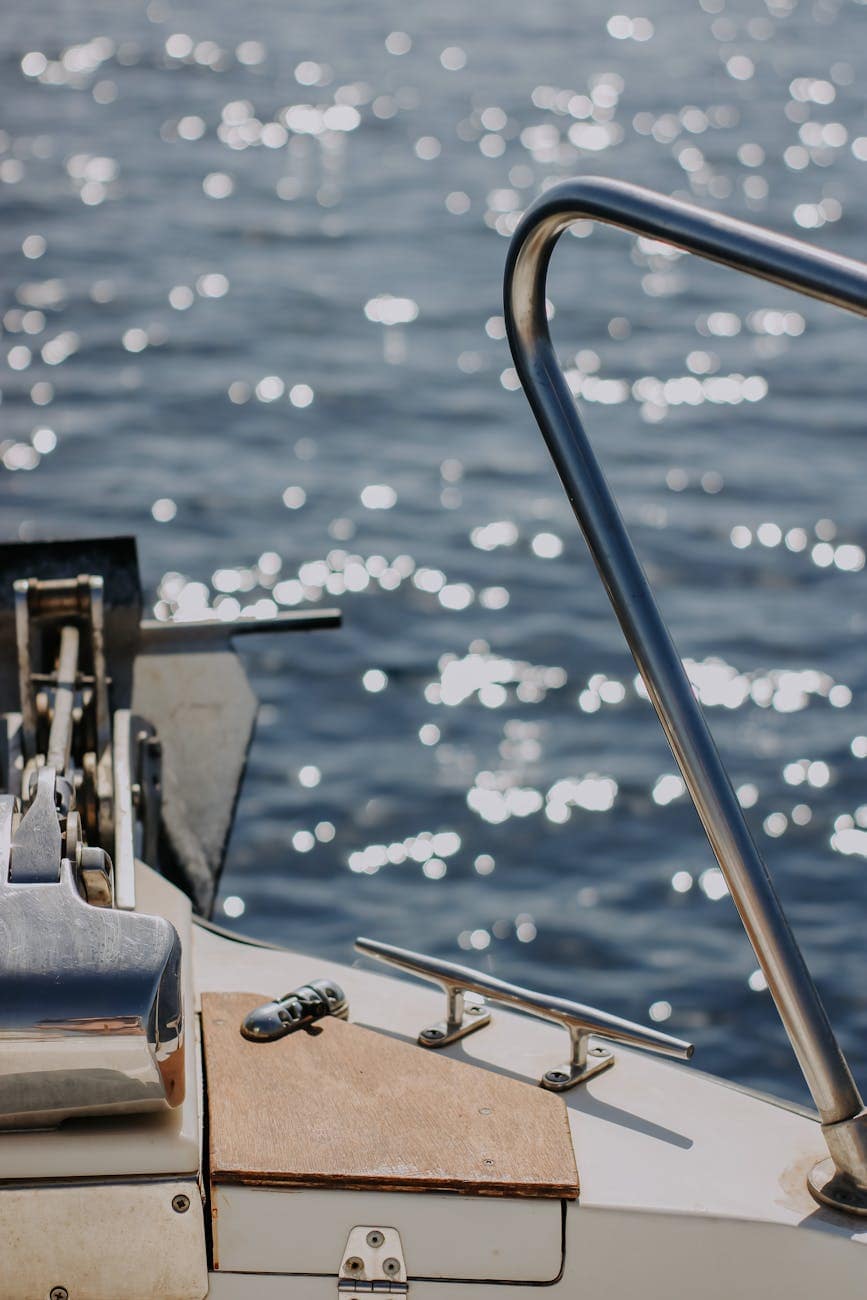
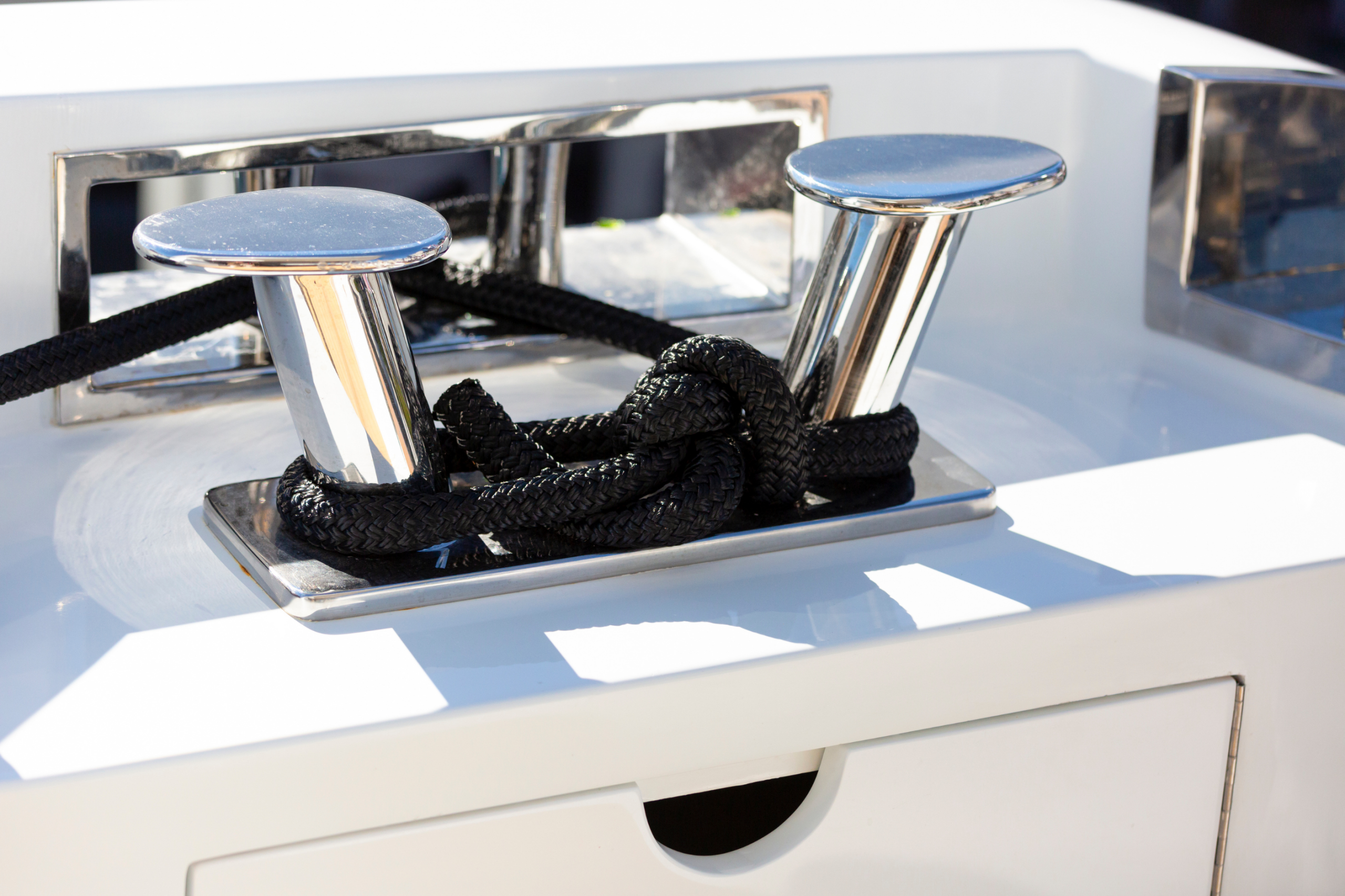
Boat stainless steel plays a critical role in almost every yacht, from railings and cleats to deck hardware and fittings. Although it is known for strength and corrosion resistance, it is not immune to marine conditions, especially constant exposure to saltwater and humidity.
Without proper maintenance, even high-quality marine-grade stainless steel can stain, pit, or lose its protective layer. Over time, this leads to both cosmetic deterioration and potential structural concerns that can become costly if ignored.
In this guide, we will break down practical stainless steel care techniques used by professional crew and marine yards to keep fittings clean, strong, and corrosion-free.
This post is all about Boat Stainless Steel!
Quick Answer: What Annual Yacht Maintenance Tasks Should Never Be Skipped?
Boat stainless steel should be regularly rinsed with fresh water, cleaned with a non-abrasive marine cleaner, and polished with a protective stainless steel product to prevent corrosion. Routine maintenance removes salt deposits, while polishing restores the protective chromium layer that prevents rust and staining in marine environments.
Understanding Boat Stainless Steel in Marine Environments
What Makes Marine Stainless Steel Different?
Most yacht fittings use 304 or 316 marine-grade stainless steel. The key difference is molybdenum content in 316, which improves resistance to chloride corrosion found in seawater.
However, even marine-grade alloys are not fully rust-proof. They rely on a passive chromium oxide layer that must remain intact to protect the metal underneath.
Why Stainless Steel Still Corrodes on Boats
Despite its reputation, stainless steel can still suffer from:
- Salt buildup
- Oxygen depletion in crevices
- Surface contamination from iron particles
- Poor cleaning habits
This is why consistent marine stainless steel cleaning is essential rather than optional.
7 Essential Boat Stainless Steel Care Tips
1. Rinse Regularly with Fresh Water
The simplest yet most overlooked step in saltwater stainless steel maintenance is rinsing. Salt crystals attract moisture and accelerate corrosion.
After every voyage or exposure to spray, rinse railings, cleats, and fittings thoroughly. This alone significantly reduces long-term damage.
2. Use the Right Marine Cleaner
Not all cleaners are suitable for yacht hardware. Harsh chemicals can damage the protective layer, leading to accelerated corrosion.
Instead, use a dedicated product designed for best cleaner for boat stainless steel applications. These cleaners remove salt and grime without stripping the protective surface.
Avoid chlorine-based products at all costs, as they break down stainless steel integrity.
3. Polish to Restore the Protective Layer
Regular boat stainless steel polish applications are more than cosmetic. Polishing helps restore the chromium oxide layer that protects the metal.
When you notice dullness or streaking, it is often an early sign of surface contamination. Polishing not only improves appearance but also strengthens corrosion resistance.
For best results, apply polish along the grain of the metal to avoid micro-scratching.
4. Inspect for Early Signs of Corrosion
Early detection is essential in boat stainless steel corrosion prevention. Look for:
- Small rust spots (tea staining)
- Pitting around welds
- Discoloration near fittings
These signs indicate that the protective layer has been compromised. Addressing them early prevents deeper structural damage.
5. Protect High-Exposure Areas
Areas like bow rails, stern rails, and anchor hardware experience constant exposure. Applying protective coatings improves boat stainless steel protection and reduces maintenance frequency.
These coatings create a barrier that slows salt adhesion and reduces oxidation risk.
6. Pay Attention to Crevices and Welds
Most corrosion begins in hidden areas. Crevices trap salt and moisture, leading to localized breakdown.
Effective boat stainless steel deck hardware care involves detailed cleaning around joints, fasteners, and weld points where water naturally collects.
7. Remove Contaminants Before They Cause Damage
Iron particles from tools or nearby steel work can embed into stainless surfaces and trigger rusting.
Routine boat stainless steel stain removal prevents contamination from becoming permanent. If left untreated, these particles accelerate surface breakdown and pitting corrosion.
Common Mistakes in Boat Stainless Steel Maintenance
Many yacht owners unintentionally damage their fittings through simple oversights.
One of the most common mistakes is using abrasive pads or steel wool. While it may remove stains quickly, it scratches the surface and weakens corrosion resistance.
Another issue is neglecting rinsing after saltwater exposure. Without regular cleaning, salt crystals accumulate and accelerate oxidation.
Finally, using incorrect chemicals—especially bleach-based products—can permanently damage stainless steel, making stainless steel oxidation removal more difficult in the long term.
Preventative Maintenance Strategy for Yacht Owners
A strong maintenance routine prevents most stainless steel issues before they begin.
For active yachts, rinse fittings after every trip and perform a deep clean weekly. Additionally, schedule a full inspection every 3–6 months depending on usage and cruising environment.
In tropical or high-salinity regions, more frequent maintenance is required due to increased salt exposure. This is especially important for marine grade stainless steel care, where environmental conditions play a major role in degradation.
How to Restore Dull or Damaged Stainless Steel
If stainless steel has already lost its shine, restoration is still possible.
Begin with thorough cleaning to remove surface contamination. Then apply a dedicated polish to restore reflectivity and protection. In more severe cases, light oxidation removal may be required before polishing.
This process helps restore boat stainless steel shine and extends the life of fittings significantly.
Safety Considerations for Stainless Steel on Boats
Damaged stainless steel is not just a cosmetic issue. In advanced corrosion cases, structural integrity can be affected.
For example, weakened railings or cleats may fail under load. Therefore, any signs of deep pitting should be assessed immediately.
Proper stainless steel maintenance ensures both appearance and onboard safety remain uncompromised.
FAQs: Boat Stainless Steel
How often should stainless steel be cleaned? Ideally after every saltwater exposure, followed by a deeper clean weekly or biweekly depending on usage.
Why does stainless steel rust in marine environments? Rust forms when the protective oxide layer is damaged by salt, moisture, or contamination from iron particles.
What is the best way to remove rust from stainless steel on boats? Use a marine-safe cleaner designed for boat stainless steel rust removal, followed by polishing to restore protection.
Can stainless steel on boats be permanently damaged? Yes, severe pitting corrosion cannot be reversed, which is why early maintenance is critical.
What is the most important maintenance step? Regular rinsing with fresh water is the simplest yet most effective form of prevention.
Summary
Proper boat stainless steel care is essential for maintaining both appearance and structural reliability onboard. Although marine-grade stainless steel is highly resistant, it still requires routine cleaning, inspection, and protection to withstand harsh saltwater environments.
By following consistent maintenance practices—rinsing, cleaning, polishing, and inspecting—you can significantly extend the lifespan of yacht fittings and prevent costly corrosion damage.
← all Content & Guides
 310
310
310
310