← all Content & Guides
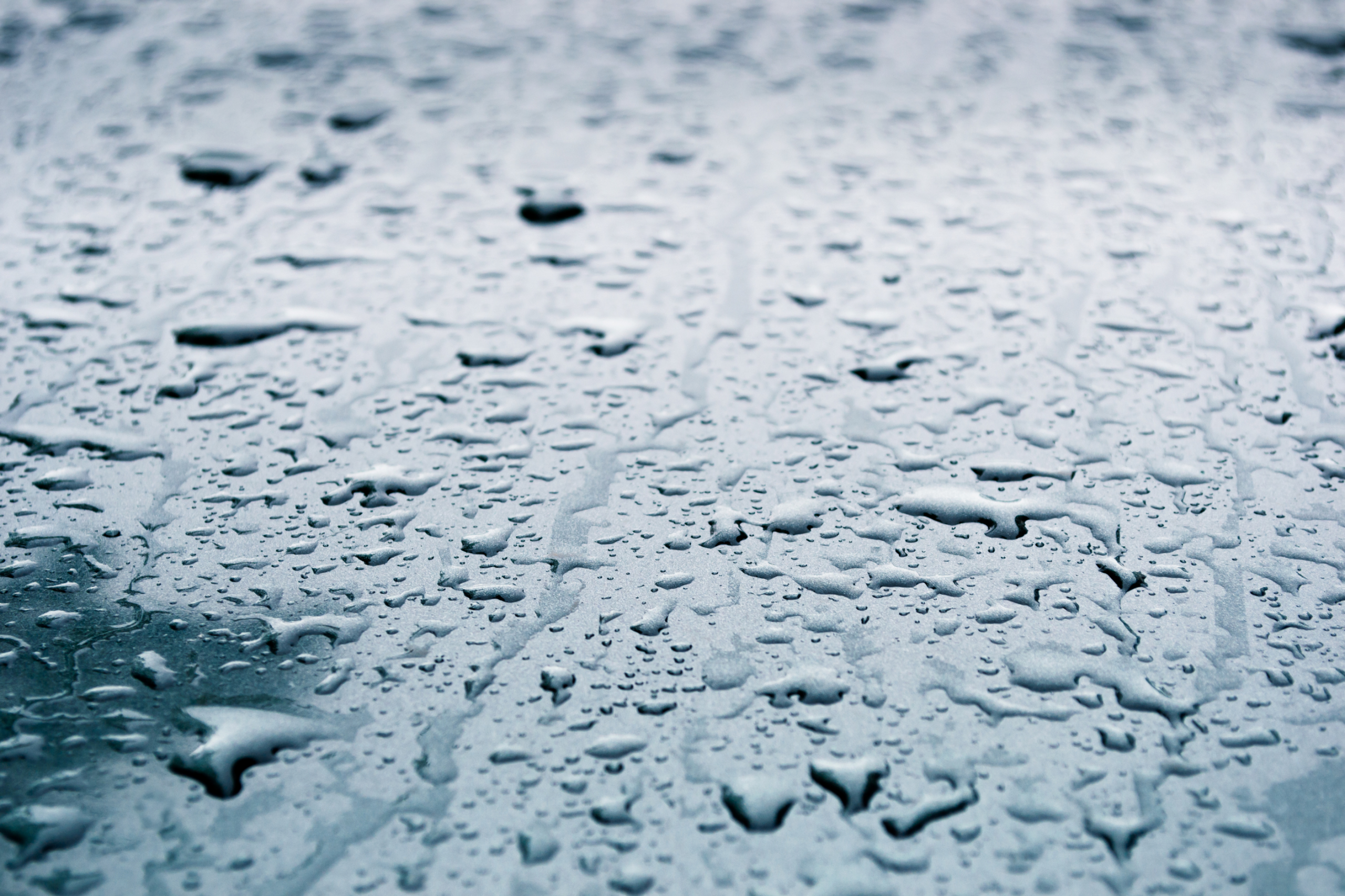
Water spots are one of the most common — and most frustrating — issues in yacht detailing. They can appear overnight, dulling an otherwise polished finish and making even a well-maintained yacht look neglected.
However, these marks are more than just cosmetic. If left untreated, mineral deposits can etch into gelcoat, stain stainless steel, and permanently damage glass surfaces. Over time, what starts as a simple cleaning job can turn into a costly restoration project.
In this guide, you’ll learn exactly how to remove water spots properly, safely, and efficiently across all yacht surfaces. More importantly, you’ll understand how to prevent them from returning — which is where real long-term value lies.
This post is all about How to Remove Water Spots!
Quick Answer: How to Remove Water Spots on a Yacht?
To remove water spots, use a dedicated marine water spot remover or a mild acid-based cleaner to dissolve mineral deposits. Apply it to the affected surface, gently agitate if needed, then rinse thoroughly and protect the area with wax or sealant to help prevent future spotting.
What Causes Water Spots on a Yacht?
Understanding the cause is the first step toward effective yacht water spot removal.
Water spots form when water evaporates and leaves behind minerals such as calcium and magnesium. On yachts, this happens frequently due to:
- Saltwater spray drying on surfaces
- Hard water used during washdowns
- Incomplete drying after rinsing
- Environmental exposure in marinas
There are typically two types:
- Surface-level spots (easy to remove)
- Etched stains (require polishing or restoration)
Because of constant exposure, learning how to remove water spots from yacht surfaces quickly is essential for maintaining appearance and value.
Why Water Spot Removal Matters for Yacht Maintenance
Ignoring water spots often leads to bigger problems. While they may seem minor, they directly impact several key areas of yacht maintenance.
Firstly, mineral deposits can chemically bond to surfaces. This makes removing hard water stains more difficult over time. Secondly, they reduce gloss and clarity, especially on gelcoat and glass. Finally, they can accelerate surface degradation.
Regular yacht detailing water spots removal helps:
- Preserve gelcoat finish
- Maintain resale value
- Reduce long-term polishing work
- Prevent permanent staining
In short, removing water spots early is a preventative maintenance task, not just detailing.
How to Remove Water Spots from Different Yacht Surfaces
Different materials require different approaches. Using the wrong method can cause more damage than the water spots themselves.
Gelcoat and Painted Surfaces
Gelcoat is particularly vulnerable to mineral buildup.
To remove water stains from gelcoat, follow this process:
- Rinse the surface with fresh water
- Apply a marine-safe water spot remover
- Wipe gently with a microfiber cloth
- Rinse thoroughly
- Apply wax or sealant
This approach supports safe water spot removal gelcoat without damaging the finish.
If stains persist, light polishing may be required. However, always start with the least aggressive method to remove water spots without scratching gelcoat.
Hull and Exterior Surfaces
When working on larger areas, such as the hull, efficiency matters.
To how to remove water spots from boat hull surfaces:
- Work in shaded sections
- Use a spray-on remover
- Avoid letting the product dry
- Rinse immediately
For heavier buildup, especially when dealing with remove calcium buildup boat, a slightly stronger cleaner may be necessary.
This is where proper marine water stain removal techniques prevent overuse of abrasives.
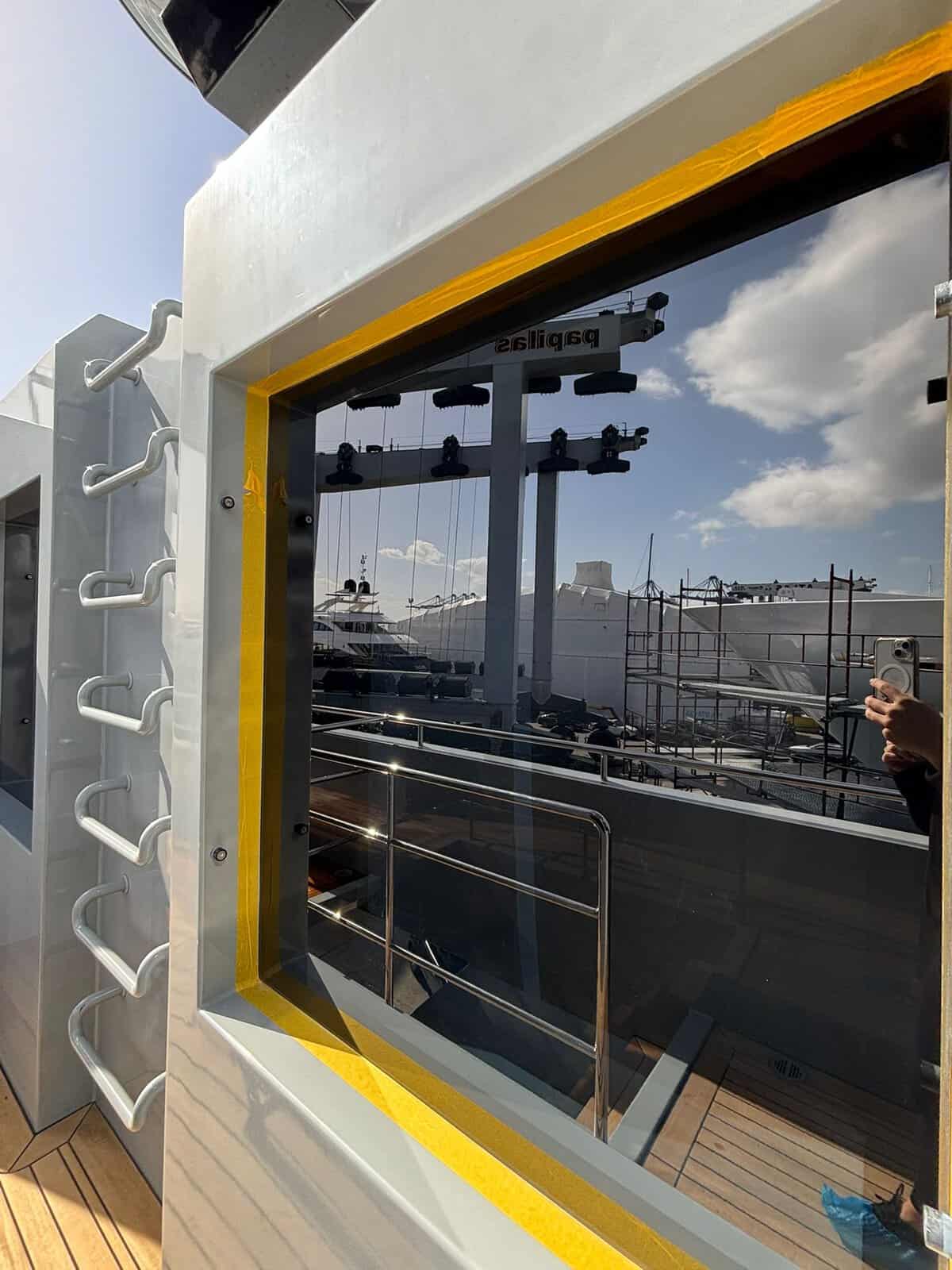
Glass and Windows
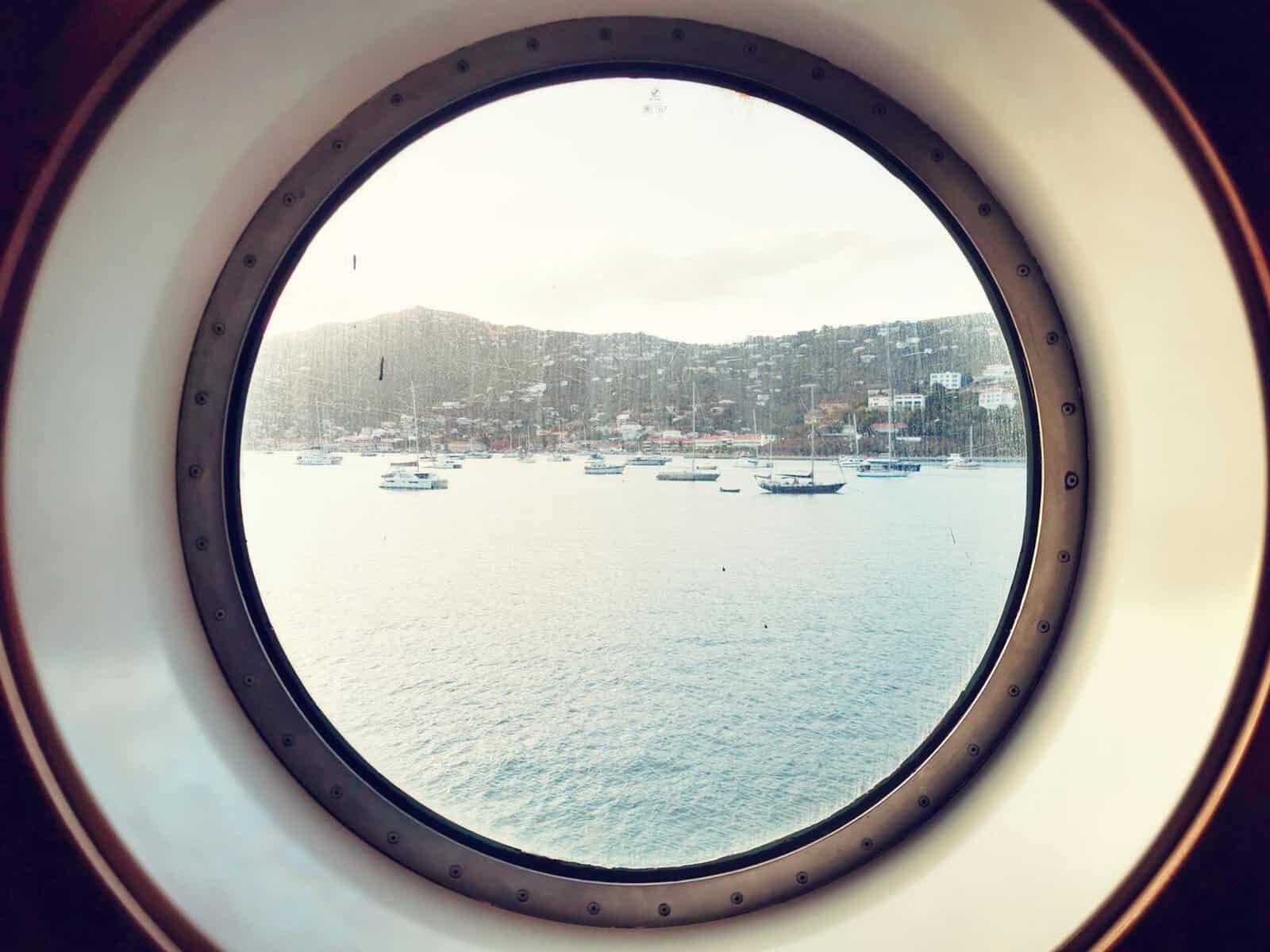
Glass shows water spots more clearly than any other surface.
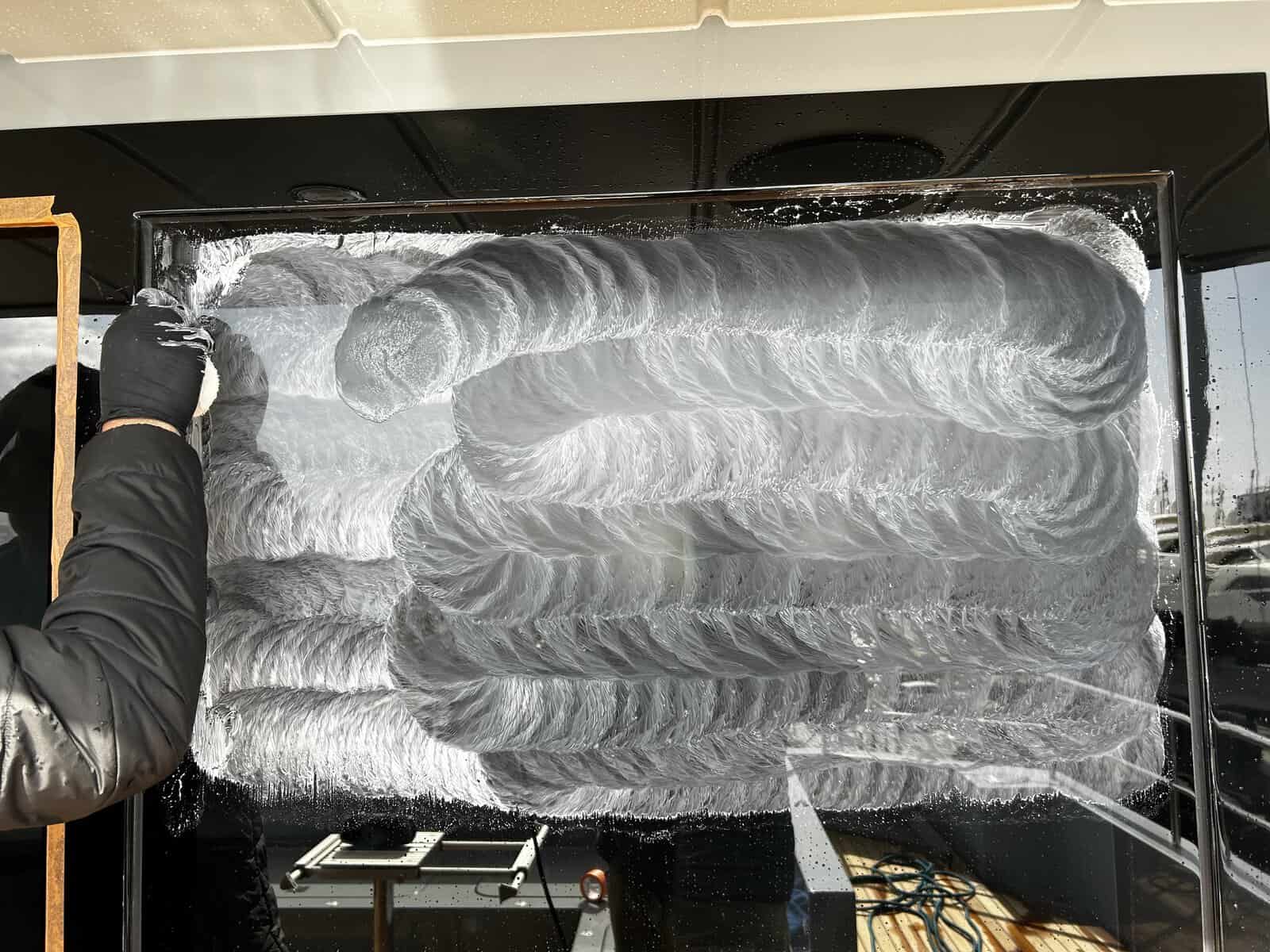
To clean water spots from yacht windows:
- Use a dedicated marine glass cleaner
- Apply with a soft cloth
- Buff dry to avoid streaks
For stubborn marks, use a specialist product designed to remove water spots from marine glass without damaging coatings.
Clear glass is critical for visibility and safety, so regular maintenance is essential.
Metal surfaces are prone to both staining and corrosion.
To remove water spots from stainless steel boat fittings:
- Use a non-abrasive cleaner
- Wipe in the direction of the grain
- Rinse and dry immediately
Salt exposure often complicates things, so combining this with methods to remove salt water stains is important.
Finish by applying a protective coating to slow future buildup.
Best Products for Water Spot Removal
Choosing the right product makes the job easier and safer.
Look for:
- Marine-specific formulations
- Mild acid-based cleaners (for mineral removal)
- Non-abrasive compounds
- Multi-surface compatibility
A quality water spot remover for boats should dissolve deposits without harming gelcoat, paint, or metal.
When building a detailing kit, include:
- Microfiber cloths
- Soft brushes
- Spray applicators
Using the correct yacht detailing products reduces effort and improves results.
Below is some of our recommendations.
Meguiar’s water spot remover
Starke water spot remover
DIY vs Professional Water Spot Removal
Many yacht owners prefer a DIY water spot removal yacht approach. In most cases, this works well for routine maintenance.
However, professional help may be needed when:
- Stains are deeply etched
- Large areas are affected
- Gelcoat requires machine polishing
Knowing the limits of DIY work prevents unnecessary damage.
How to Prevent Water Spots on a Yacht
Prevention is always easier than removal.
To prevent water spots yacht, focus on these habits:
- Dry surfaces after washing
- Use deionised water for final rinse
- Apply protective wax or sealant
- Wash regularly to avoid buildup
A consistent yacht maintenance cleaning routine significantly reduces spotting.
Additionally, protective coatings make future removal of water spot efforts faster and easier.
Maintenance Intervals: How Often Should You Remove Water Spots?
Frequency depends on usage and environment.
As a general guide:
- Weekly: rinse and dry high-exposure areas
- Monthly: full wash and inspection
- Quarterly: deep clean and protection
Regular yacht cleaning water stains checks help identify early buildup before it becomes stubborn.
Practical Maintenance Insights from the Field
From a crew perspective, water spots are often a sign of rushed washdowns.
A few simple adjustments make a big difference:
- Always rinse from top down
- Never let water air dry in direct sun
- Use dedicated drying towels or chamois
These small changes reduce the need to remove mineral deposits yacht surfaces later.
Consistency always beats heavy correction work.
Common Mistakes to Avoid
Even experienced yacht owners make avoidable errors when trying to remove water spots.
Using Abrasive Materials Too Early
Scrubbing aggressively can damage gelcoat. Always start with chemical removal.
Letting Products Dry on Surfaces
This can worsen staining and leave residue behind.
Ignoring Early Signs
Delaying action makes yacht cleaning water stains more difficult and costly.
Skipping Protection
Without wax or sealant, water spots return quickly.
FAQs: Removing Water Spots on a Yacht
What is the best way to remove water spots from a yacht? The best way to remove water spots on yacht surfaces is to use a marine-safe cleaner that dissolves minerals, followed by rinsing and protective sealing.
Can water spots permanently damage gelcoat? Yes. If ignored, they can etch into the surface, making remove water stains from gelcoat more difficult and sometimes requiring polishing.
How do I remove hard water stains from my yacht? To remove hard water stains on a yacht, use a slightly stronger marine cleaner and repeat the process carefully without scrubbing aggressively.
Are DIY methods effective for water spot removal? Yes. Most routine DIY water spot removal yacht tasks are effective with the right products and technique.
How can I stop water spots from coming back? To prevent water spots on a yacht, dry surfaces after washing and apply protective coatings regularly.
Summary
Water spots are unavoidable in the marine environment, but they don’t have to become a long-term problem. By understanding how to remove water spots correctly, you protect your yacht’s surfaces, reduce maintenance effort, and maintain overall value.
More importantly, consistent prevention — through proper washing, drying, and protection — will save time and money in the long run. As with most aspects of yacht care, small routine actions make the biggest difference.
 310
310
310
310