Knowing how to clean a boat hull properly helps protect your boat’s appearance, speed, fuel efficiency, and long-term maintenance costs. However, not every part of the hull should be cleaned the same way.
The topside hull paint or gelcoat above the waterline needs a gentle cleaning method that protects gloss and avoids scratches. Meanwhile, antifouling hull paint below the waterline needs a different approach because it is designed to prevent marine growth and can be damaged by aggressive scrubbing.
In this guide, you’ll learn how to clean both topside hull paint and antifouling hull paint, remove algae, stains, slime, and growth, choose the right tools, avoid costly mistakes, and know when to call a professional.
Some links on this page are affiliate links. This means The Yacht Maintenance Hub may earn a commission if you click through and make a purchase, at no extra cost to you. We only recommend products, tools and marine suppliers that we believe are useful for yacht owners, captains, crew and marine professionals.
Quick Answer: How to Clean a Boat Hull
To clean a boat hull, rinse the surface first, identify whether you are cleaning topside paint, gelcoat, or antifouling paint, then use the least aggressive method that works. Use mild marine soap and soft brushes above the waterline, but use soft pads or brushes below the waterline to avoid damaging antifouling paint. For barnacles, heavy fouling, or underwater cleaning, use a professional diver or haul the boat out.
Topside Hull Paint vs Antifouling Paint: Why It Matters
Before you clean a boat hull, you need to understand which surface you are working on.
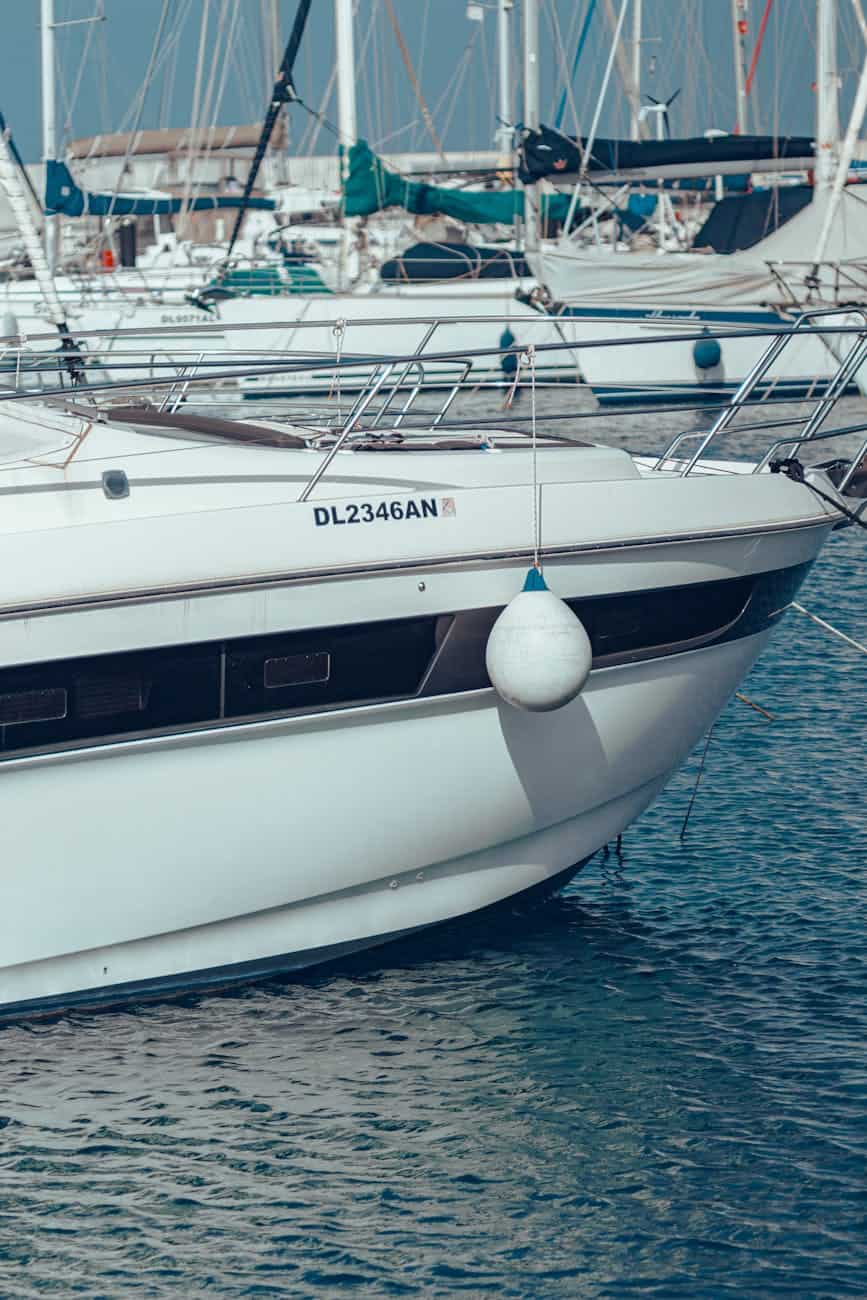
Topside hull paint is the painted or gelcoat surface above the waterline. It is designed for appearance, UV protection, and weather resistance. Therefore, it should be cleaned gently to avoid dulling, scratching, or stripping protective waxes or coatings.
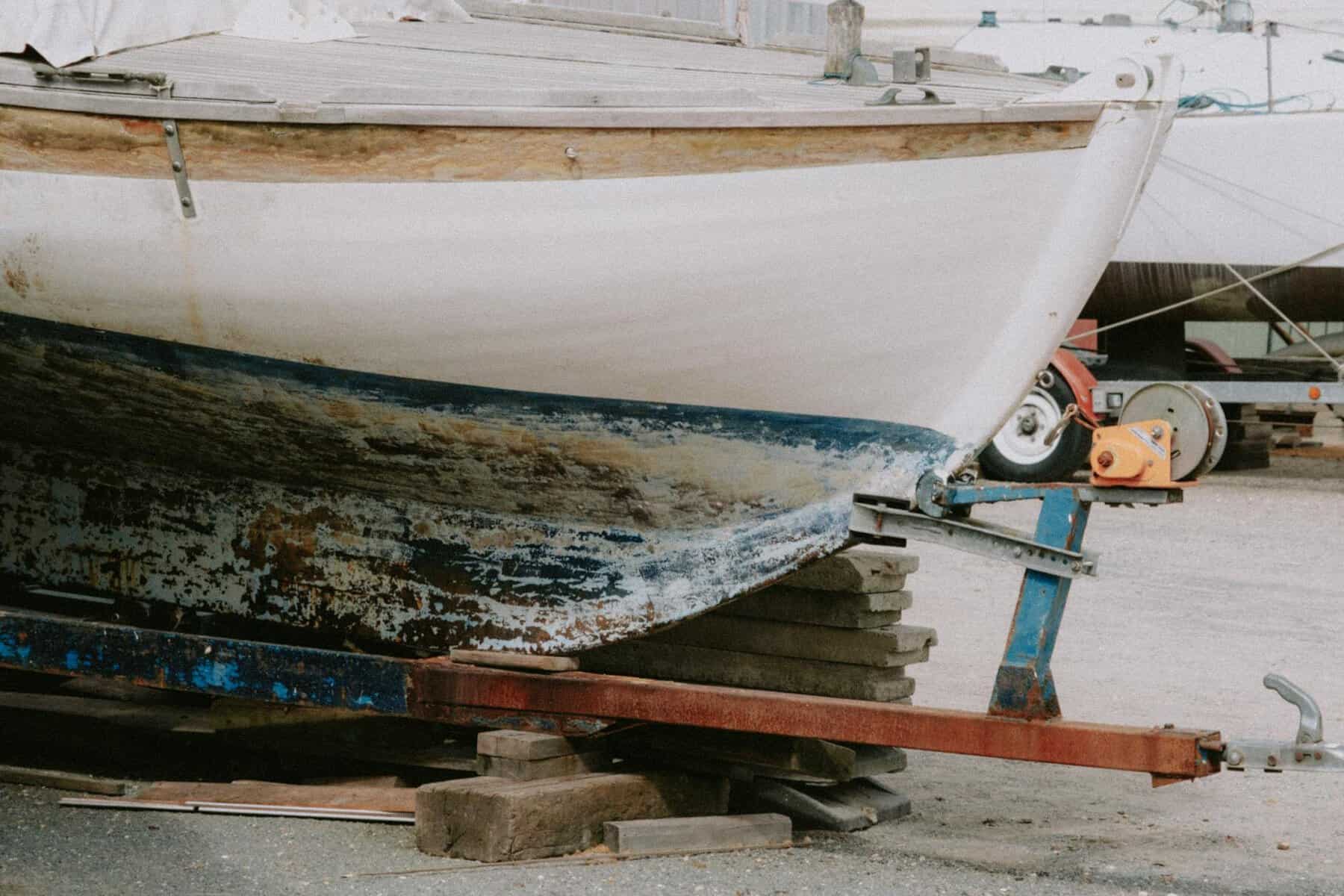
Antifouling hull paint is the coating below the waterline. It helps prevent algae, slime, barnacles, and other marine growth from attaching to the hull. However, many antifouling paints are softer than topside coatings. As a result, hard scrubbing, pressure washing, or abrasive pads can remove paint and shorten coating life.
In simple terms:
Hull Area
Main Purpose
Cleaning Priority
Topside hull paint / gelcoat
Appearance and UV protection
Protect gloss and finish
Antifouling hull paint
Prevent marine growth
Remove growth without removing paint
Waterline
High-stain area
Remove marks without harsh abrasion
This distinction is important because the wrong cleaner or brush can turn a simple cleaning job into a repair or repainting problem.
For more information on antifouling paint check out our articles below:
A clean hull reduces drag, improves performance, and helps the boat move through the water more efficiently. When slime, algae, barnacles, or weed build up below the waterline, the boat has to work harder. Consequently, fuel use can increase, speed can drop, and handling may feel sluggish.
Regular hull cleaning also protects the boat’s coatings. If marine growth remains attached for too long, it can become much harder to remove. Then, when you finally clean it, you may need stronger tools that damage antifouling paint or mark the hull surface.
In addition, cleaning gives owners and crew a chance to spot early problems, including:
Loose or flaking antifouling paint
Yellow waterline stains
Rust marks
Gelcoat chips
Paint scratches
Worn anodes
Blocked through-hulls
Fouled props, shafts, rudders, or thrusters
Therefore, hull cleaning should be treated as preventative maintenance, not just cosmetic work.
Common Hull Growth and Stains
Different problems need different cleaning methods. Before choosing a product, inspect the hull and identify the type of buildup.
Problem
Common Area
Best Cleaning Method
Salt and dirt
Topsides
Marine soap and soft brush
Black streaks
Topside paint
Boat wash or streak remover
Yellow stains
Waterline
Hull stain remover
Slime
Antifouling paint
Soft pad or cloth
Algae
Below waterline
Soft brush or hull cleaner
Barnacles
Antifouling and running gear
Plastic scraper or professional cleaning
Rust stains
Fittings and waterline
Marine rust remover
Generally, the earlier you clean the hull, the easier the job becomes. Light slime is easy to remove. However, barnacles and heavy growth require much more care.
Tools and Products Needed
Using the right boat hull cleaning tools helps you clean faster while protecting paint and coatings.
Tool or Product
Best For
Mild marine boat soap
Topside hull paint and gelcoat
Wash bucket
Mixing and handling wash soap
Wash pole
Reaching tough areas and general washing.
Soft wash mitt or sponge
Painted topsides
Soft-bristle brush
General hull cleaning
Plastic scraper
Small barnacles
Hull stain remover
Yellow or brown waterline marks
Marine rust remover
Rust streaks
Gloves and eye protection
Chemical safety
Hose or low-pressure washer
Rinsing
Microfibre cloths
Drying and finishing topsides
Avoid household bleach, harsh degreasers, metal scrapers, rough scouring pads, and unknown acid cleaners. These can dull topside paint, damage gelcoat, strip wax, or remove antifouling paint.
Check out the products below for your complete kit!
A useful choice for washing rails, supports and awkward areas that need close hand control. The soft lambswool pile, shaped thumb and elastic cuff make detailed cleaning comfortable; rinse the mitt frequently to avoid carrying grit across the finish.
Description:
Reach hull sides and higher fittings with a handle that extends to six feet and collapses for storage. Its lightweight aluminium construction and SHUR-LOK connection let you switch between compatible cleaning heads without carrying several separate poles.
Description:
The extra-soft nylon bristles make this worth considering for delicate exterior surfaces and gentle washdowns. Its compact head offers control around windows and fittings; rinse away loose grit first and check the surface manufacturer’s cleaning guidance.
Description:
A practical everyday washdown brush for gelcoat and painted surfaces, with soft split-end bristles and a compact head for working around fittings. The rubber bumper helps protect against accidental knocks, and the head fits compatible Shurhold handles. Great for more stubborn and hard stains.
Description:
A practical upgrade for keeping washdown equipment organised and easy to carry around the boat. The five-gallon bucket includes a storage caddy, grate and padded seat lid, while the protective base adds stability and helps reduce sliding on deck.
Description:
A useful spot cleaner for black runoff streaks and grime on compatible exterior surfaces. The spray, wipe and rinse application makes touch-ups straightforward, and the formula is designed to preserve existing wax and polish when used as directed.
Description:
A useful option after haul-out for tackling stubborn scum lines, hull stains and marine deposits. The non-abrasive formula works on buildup before rinsing, making it worth considering for deeper hull cleaning once compatibility with the surface has been checked.
Description:
A targeted option for removing stubborn rust stains from paint and gelcoat. Its hydrofluoric acid formula requires careful handling and strict attention to the label. Use only on the listed surfaces, keeping it away from stainless steel, glass and other unapproved finishes. This product is strong and tymh recommends test patches and water dilution if using for the first time.
Description:
MaryKate On & Off Hull & Bottom Cleaner is a strong marine hull cleaner designed for cleaning stained fiberglass hulls, bottoms and waterline areas. It is commonly used to help remove scum lines, brown waterline staining, rust staining and other stubborn hull marks that standard boat soap may not remove.
Description:
A useful everyday wash for owners who want one bottle for the hull and exterior fittings. Its wax-friendly formula helps you keep up with regular cleaning between polishing and protection jobs.
Description:
A handy set for spreading fillers and removing loose material during small repair jobs. Six blade widths let you tackle narrow patches or larger areas, while the flexible plastic blades help spread material evenly.
Description:
A practical addition to an onboard tool kit for maintenance tasks requiring safety glasses. The Scotchgard anti-fog coating helps maintain visibility in humid conditions, while padded temples and a soft nose bridge improve comfort during longer jobs.
Description:
A useful disposable glove for greasy maintenance and general cleanup, with a textured grip and two-layer nitrile construction. The contrasting inner layer helps reveal damage; check chemical compatibility before handling cleaners, coatings or solvents.
Description:
A useful bulk supply for wiping tools, grease and general workshop mess during maintenance. The recycled white cotton makes transferred dirt easy to see, helping you switch to a clean section as you work.
Description:
A handy addition to the detailing kit for wiping away product residue and giving surfaces a final buff. The plush microfibre pile suits finishing work; keep separate clean towels for different products and replace any cloth that picks up grit.
Description:
A compact electric pressure washer for heavier cleaning on suitable hard surfaces around the boatyard. Quick-connect nozzles and an onboard detergent tank simplify setup, but keep high-pressure jets away from teak, seals and delicate finishes.
A useful choice for washing rails, supports and awkward areas that need close hand control. The soft lambswool pile, shaped thumb and elastic cuff make detailed cleaning comfortable; rinse the mitt frequently to avoid carrying grit across the finish.
Reach hull sides and higher fittings with a handle that extends to six feet and collapses for storage. Its lightweight aluminium construction and SHUR-LOK connection let you switch between compatible cleaning heads without carrying several separate poles.
The extra-soft nylon bristles make this worth considering for delicate exterior surfaces and gentle washdowns. Its compact head offers control around windows and fittings; rinse away loose grit first and check the surface manufacturer’s cleaning guidance.
A practical everyday washdown brush for gelcoat and painted surfaces, with soft split-end bristles and a compact head for working around fittings. The rubber bumper helps protect against accidental knocks, and the head fits compatible Shurhold handles. Great for more stubborn and hard stains.
A practical upgrade for keeping washdown equipment organised and easy to carry around the boat. The five-gallon bucket includes a storage caddy, grate and padded seat lid, while the protective base adds stability and helps reduce sliding on deck.
A useful spot cleaner for black runoff streaks and grime on compatible exterior surfaces. The spray, wipe and rinse application makes touch-ups straightforward, and the formula is designed to preserve existing wax and polish when used as directed.
A useful option after haul-out for tackling stubborn scum lines, hull stains and marine deposits. The non-abrasive formula works on buildup before rinsing, making it worth considering for deeper hull cleaning once compatibility with the surface has been checked.
A targeted option for removing stubborn rust stains from paint and gelcoat. Its hydrofluoric acid formula requires careful handling and strict attention to the label. Use only on the listed surfaces, keeping it away from stainless steel, glass and other unapproved finishes. This product is strong and tymh recommends test patches and water dilution if using for the first time.
MaryKate On & Off Hull & Bottom Cleaner is a strong marine hull cleaner designed for cleaning stained fiberglass hulls, bottoms and waterline areas. It is commonly used to help remove scum lines, brown waterline staining, rust staining and other stubborn hull marks that standard boat soap may not remove.
A useful everyday wash for owners who want one bottle for the hull and exterior fittings. Its wax-friendly formula helps you keep up with regular cleaning between polishing and protection jobs.
A handy set for spreading fillers and removing loose material during small repair jobs. Six blade widths let you tackle narrow patches or larger areas, while the flexible plastic blades help spread material evenly.
A practical addition to an onboard tool kit for maintenance tasks requiring safety glasses. The Scotchgard anti-fog coating helps maintain visibility in humid conditions, while padded temples and a soft nose bridge improve comfort during longer jobs.
A useful disposable glove for greasy maintenance and general cleanup, with a textured grip and two-layer nitrile construction. The contrasting inner layer helps reveal damage; check chemical compatibility before handling cleaners, coatings or solvents.
A useful bulk supply for wiping tools, grease and general workshop mess during maintenance. The recycled white cotton makes transferred dirt easy to see, helping you switch to a clean section as you work.
A handy addition to the detailing kit for wiping away product residue and giving surfaces a final buff. The plush microfibre pile suits finishing work; keep separate clean towels for different products and replace any cloth that picks up grit.
A compact electric pressure washer for heavier cleaning on suitable hard surfaces around the boatyard. Quick-connect nozzles and an onboard detergent tank simplify setup, but keep high-pressure jets away from teak, seals and delicate finishes.
We earn a commission if you make a purchase, at no additional cost to you.
How to Clean Topside Hull Paint
Around 2 hours depending on the boat and hull type. 2 hours
Topside hull paint needs a careful approach because the finish is visible and exposed to sun, salt, fenders, dock lines, and cleaning marks.
Rinse First
Start by rinsing the topsides with fresh water. This removes loose salt, sand, and grit. As a result, you reduce the risk of scratching the paint when you wash it.
Wash with Mild Marine Soap
Next, use a mild marine boat soap with a soft wash mitt, sponge, or soft brush. Work from top to bottom in small sections. Also, keep the surface wet so soap does not dry onto the paint.
Treat Stains Carefully
For black streaks, use a dedicated black streak remover. For yellow waterline marks, use a hull stain remover suitable for your surface. However, always test a small hidden area first, especially on painted hulls.
Rinse and Dry
After washing, rinse thoroughly with fresh water. Then dry the surface with a clean microfibre cloth or chamois to reduce water spots.
Protect the Finish
If the hull is gelcoat, polishing and waxing may help restore shine and protect the surface. However, if the boat has a painted finish, check the paint manufacturer’s guidance first. Some premium marine paints should not be aggressively polished or waxed unless the product is approved. For more information see our best boat waxes
How to Clean Antifouling Hull Paint
Antifouling paint needs a different cleaning method. The goal is to remove slime and growth without scrubbing away the coating.
Step 1: Inspect the Bottom Paint
Before cleaning, check for flaking paint, bare patches, heavy fouling, or areas where growth returns quickly. These signs may mean the antifouling is worn out or unsuitable for your cruising area.
Step 2: Use a Soft Pad or Cloth
For light slime, use a soft pad, cloth, or very soft brush. Avoid hard scrubbing. Although aggressive cleaning may remove growth faster, it can also remove antifouling paint.
Step 3: Remove Algae Gently
For algae, use gentle pressure and rinse often. If the algae does not come off easily, the hull may need a haul-out or professional diver cleaning.
Step 4: Handle Barnacles with Care
Barnacles should be removed carefully with a scraper held at a low angle. Do not dig into the paint. If barnacles are widespread, arrange a haul-out because the antifouling may need inspection or renewal.
Step 5: Check Running Gear
Finally, inspect props, shafts, rudders, thrusters, intakes, through-hulls, transducers, and anodes. Growth in these areas can reduce performance even if the main hull looks clean.
Can You Clean a Boat Hull in the Water?
Yes, you can clean a boat hull in the water if the fouling is light, the antifouling is in good condition, and local rules allow it. However, always check marina regulations first because some areas restrict in-water cleaning to prevent paint particles and marine growth entering the water.
In-water cleaning is best for:
Light slime
Early algae
Regular maintenance
However, haul-out cleaning is better for:
Heavy barnacles
Flaking antifouling
Pressure washing
Full inspection
Antifouling preparation
For larger yachts, professional underwater hull cleaning is usually safer and more effective than DIY cleaning.
DIY vs Professional Boat Hull Cleaning
DIY cleaning works well for topside paint, trailer boats, light slime, and simple waterline stains. However, professional cleaning is often better for heavy fouling, underwater work, larger yachts, and expensive coatings.
Option
Best For
Main Benefit
DIY topside cleaning
Painted hulls and gelcoat
Low cost and regular upkeep
DIY light bottom cleaning
Minor slime
Simple maintenance
Diver cleaning
Boats kept in the water
No haul-out needed
Yard haul-out
Heavy fouling and inspection
Most thorough option
Professional detailing
Paint care, stain removal, polishing
Better finish
If you are unsure whether a cleaner or pad is safe, choose the gentler option or check out our other guides.
How Often Should You Clean a Boat Hull?
Cleaning frequency depends on water temperature, salt content, marina conditions, boat use, and coating condition.
Boat Situation
Suggested Interval
Topside hull paint
Wash every 2–4 weeks, or after heavy salt exposure
Trailer boat
Rinse after every use
Marina-kept boat
Inspect monthly
Warm saltwater boat
Inspect every 2–4 weeks
Antifouling paint
Clean light slime before it becomes heavy growth
Racing boat
Clean more often for performance
Inactive boat
Inspect frequently
As a rule, remove slime before it turns into barnacles. Also, keep notes in your maintenance log so you can track how quickly growth returns.
How Much Does It Cost to Clean a Boat Hull?
The cost to clean a boat hull depends on size, access, fouling level, and whether you clean it yourself or hire a professional.
Service
Typical Cost Level
DIY topside wash
Low
DIY waterline stain removal
Low to moderate
Diver hull cleaning
Usually priced per foot
Yard pressure wash
Often charged during haul-out
Heavy fouling removal
Higher due to labour
Full clean, polish, and protection
Moderate to high
Regular light cleaning is usually cheaper than waiting until the hull is heavily fouled.
Common Mistakes to Avoid
Avoid these common hull cleaning mistakes:
Using the same brush on topside paint and antifouling paint
Scrubbing antifouling too aggressively
Using household cleaners on marine paint
Pressure washing too close to decals, fittings, or soft coatings
Ignoring waterline stains until they set deeply
Using metal scrapers on gelcoat or paint
Waxing antifouling paint
Polishing painted topsides without checking manufacturer guidance
Forgetting props, shafts, thrusters, and through-hulls
Cleaning underwater without checking marina rules
Most damage happens when owners wait too long and then use harsh tools to catch up.
Frequently Asked Questions About How to Clean a Boat Hull
What is the best way to clean a boat hull?
The best way to clean a boat hull is to identify the surface first. Use mild soap and soft tools on topside paint, and use gentle pads on antifouling paint to avoid removing the coating.
Can I clean antifouling paint with a pressure washer?
You can pressure wash antifouling during haul-out, but use care. Too much pressure can remove paint, especially if the coating is old, soft, or already flaking.
How do you clean painted topsides?
Rinse first, wash with mild marine soap, use a soft mitt or sponge, treat stains carefully, rinse thoroughly, and dry with microfibre cloths. Avoid abrasive compounds unless approved for the paint.
How do you clean algae off antifouling paint?
Use a soft pad or soft brush with gentle pressure. If algae is stubborn or barnacles are present, consider a professional diver or haul-out cleaning.
How often should you clean a boat hull?
Inspect the hull monthly, or more often in warm saltwater. Clean topsides regularly after salt exposure, and remove slime from antifouling before it becomes heavy growth.
Summary
To clean a boat hull properly, you need to treat topside hull paint and antifouling hull paint differently. Above the waterline, protect the finish with mild cleaners and soft tools. Below the waterline, remove growth gently so you do not strip antifouling paint.
A clean hull improves performance, protects coatings, prevents stains, and helps you spot problems early. Therefore, build hull cleaning into your regular maintenance schedule instead of waiting until growth becomes expensive to remove.
Join the newsletter for practical yacht maintenance advice, new guide releases, downloadable resources, product recommendations and seasonal reminders designed to help owners, captains and crew make better maintenance decisions onboard. As TYMH grows, subscribers will also get early access to new checklists, maintenance resources, recommended products and exclusive offers or discounts from selected marine brands.
Success
Thank you for signing up to receive updates from The Yacht Maintenance Hub.
Blog / How to Clean a Boat Hull (Remove Algae, Stains & Growth Fast)
We track how people interact with our online web content and resources, and some of that tracking involves storing cookies on your device. By continuing to use our site you accept that you agree to this. For more details see our Privacy Statement.
 310
310
310
310