← all Content & Guides
This article is for educational purposes only and does not replace official regulations or professional advice. Always follow your vessel’s coding requirements and consult the official Maritime and Coastguard Agency (MCA) small vessel safety guidelines for full compliance.
Safety at sea starts before you leave the dock. Every yacht owner, captain, and crew member needs to prepare properly before heading out. The right equipment can prevent small incidents from turning into serious emergencies.
However, many boaters focus on buying gear and forget about maintaining it. That mistake leads to failures at critical moments. Expired flares, faulty radios, and unserviced life jackets appear more often than most expect.
This guide explains safety equipment on boats, covering both what you need and how to maintain it. You will learn how to build a reliable starter kit and keep every item ready for use.
This post is all about Safety Equipment on Boats!
Quick Answer: What Safety Equipment Do Boats Need?
The essential safety equipment on boats includes life jackets, fire extinguishers, distress flares, a life raft, communication devices like VHF radios, and emergency beacons such as EPIRBs. You must inspect and maintain these items regularly to ensure they work in an emergency.
What Is Considered Safety Equipment on Boats?
Most yacht owners search for a boat safety equipment checklist to understand what they need onboard. Regulations define minimum requirements, but good seamanship goes beyond compliance.
A solid starter kit should include:
- Life jackets for boating safety
- Fire extinguishers
- Marine distress signals and flares
- A life raft (for offshore use)
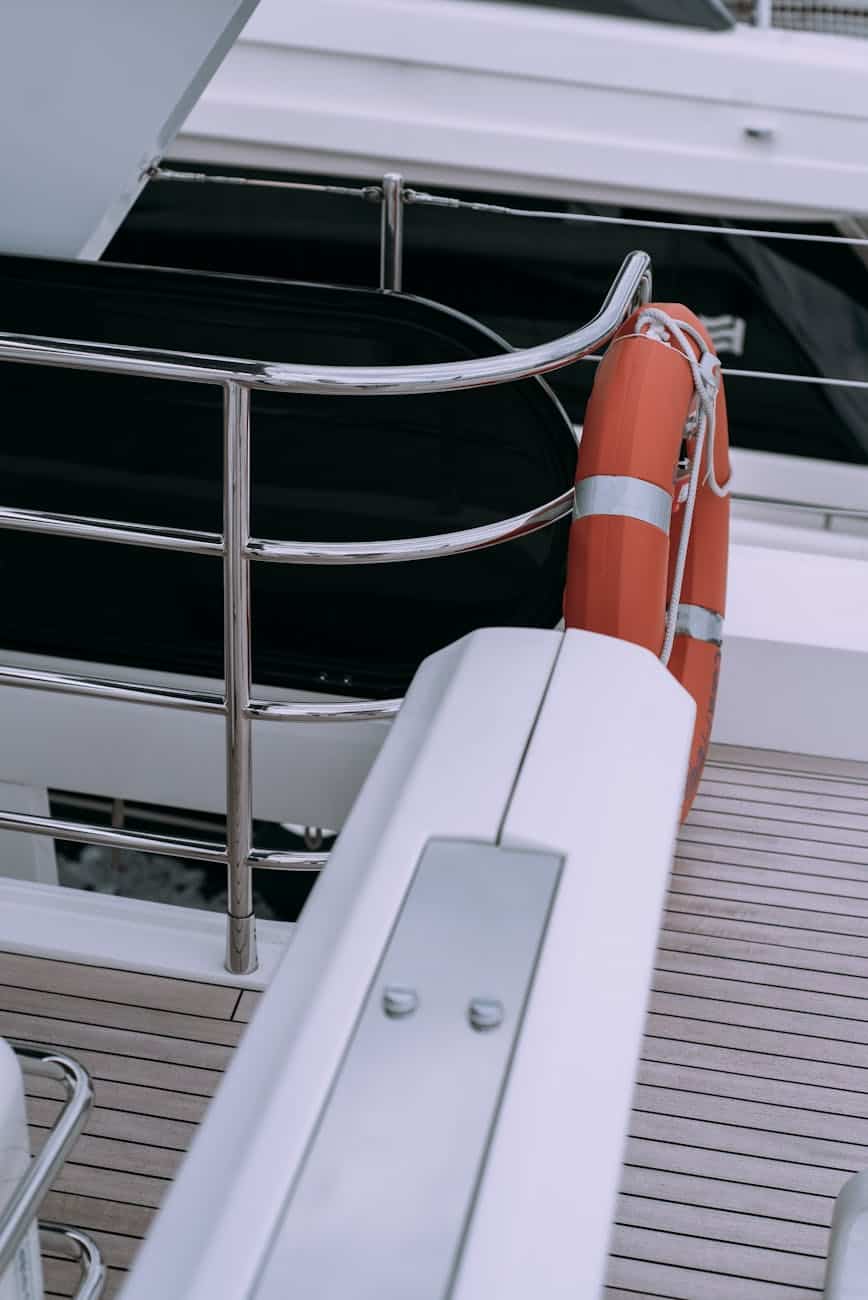
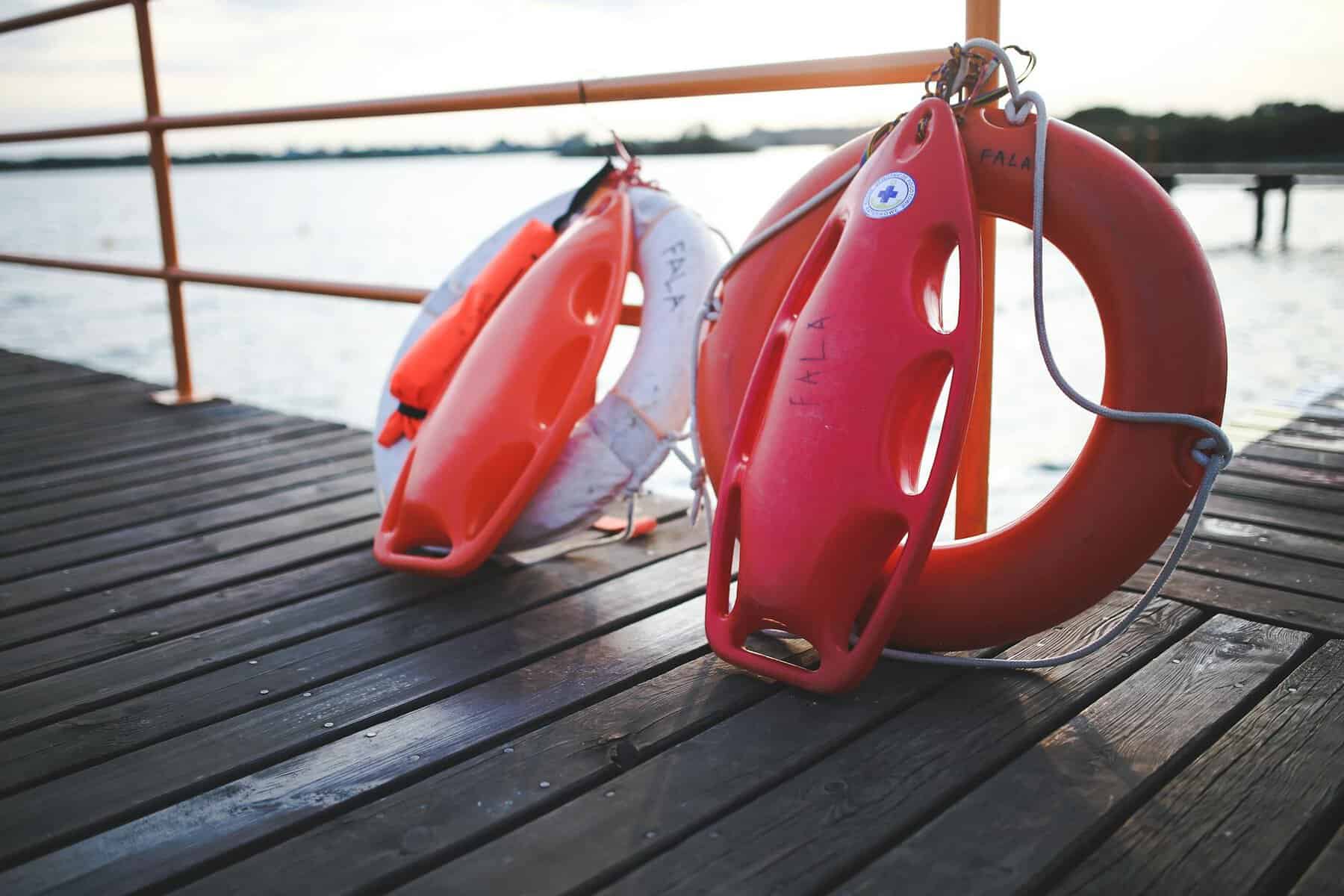
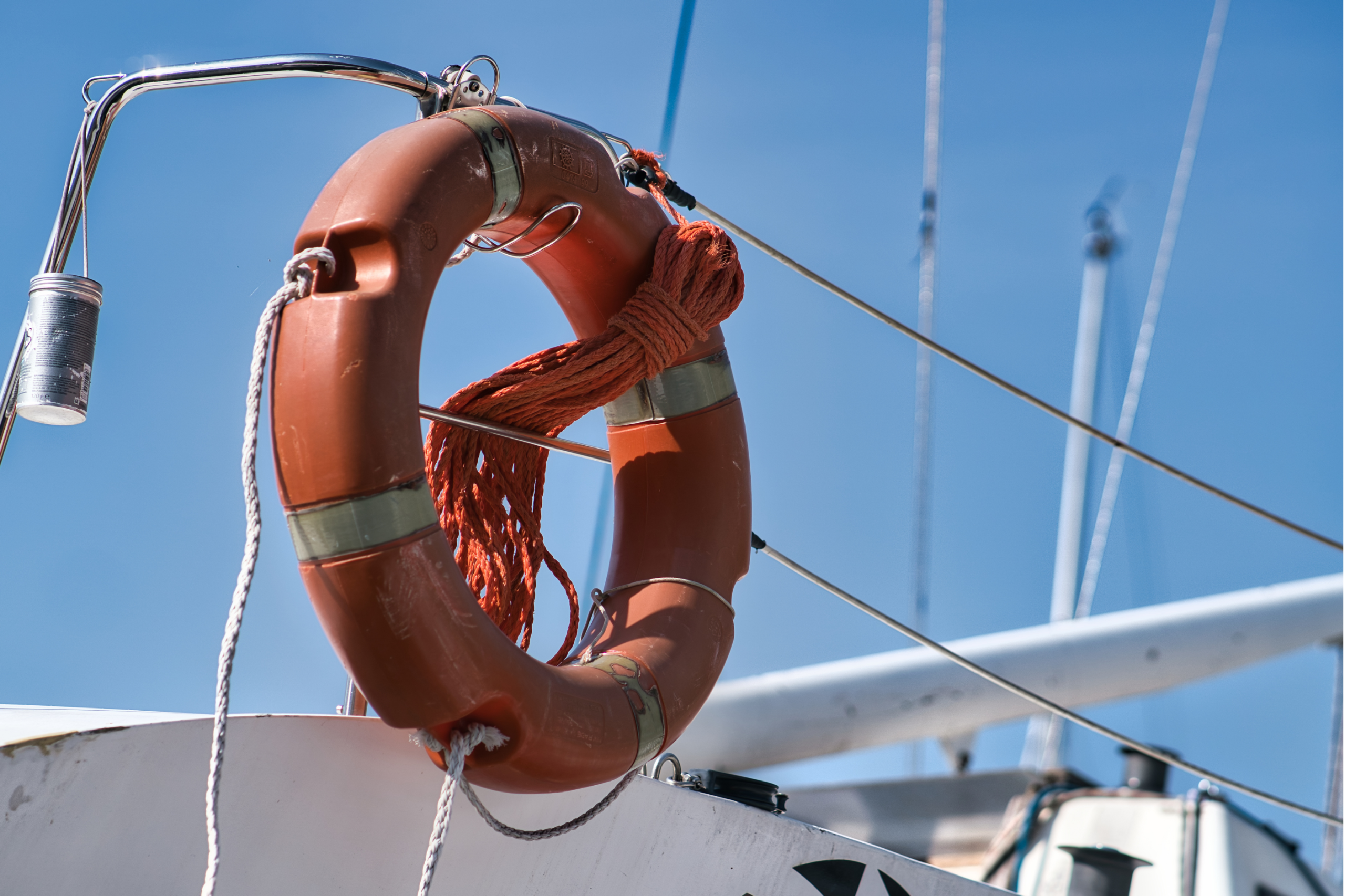
- Lifebuoys or ring buoys
- First aid kit
- VHF radio
- Emergency beacon (EPIRB – Emergency positioning indicating radio beacon)
These items form the core of your essential boat safety gear and align with coast guard boat requirements and MCA guidance.
Why Safety Equipment Matters More Than You Think
Most onboard emergencies start small. A minor issue can escalate quickly without the right response. For example, a small fire becomes dangerous if your extinguisher fails. A person overboard situation becomes critical without a lifebuoy.
A complete yacht safety equipment list helps, but condition matters more than quantity. Well-maintained marine safety equipment allows you to act quickly and effectively.
Good equipment:
- Improves response time
- Increases survival chances
- Keeps you compliant
- Protects crew and passengers
Core Safety Equipment for Your Starter Kit
Life Jackets and Personal Flotation Devices
Every vessel must carry life jackets for boating safety, and each jacket must fit correctly.
Check them regularly. Look for tears, UV damage, and corrosion. Test inflation systems and replace gas cylinders when needed. Service automatic jackets according to manufacturer instructions.
Many issues with boat safety gear for beginners start here, especially when owners skip routine checks.
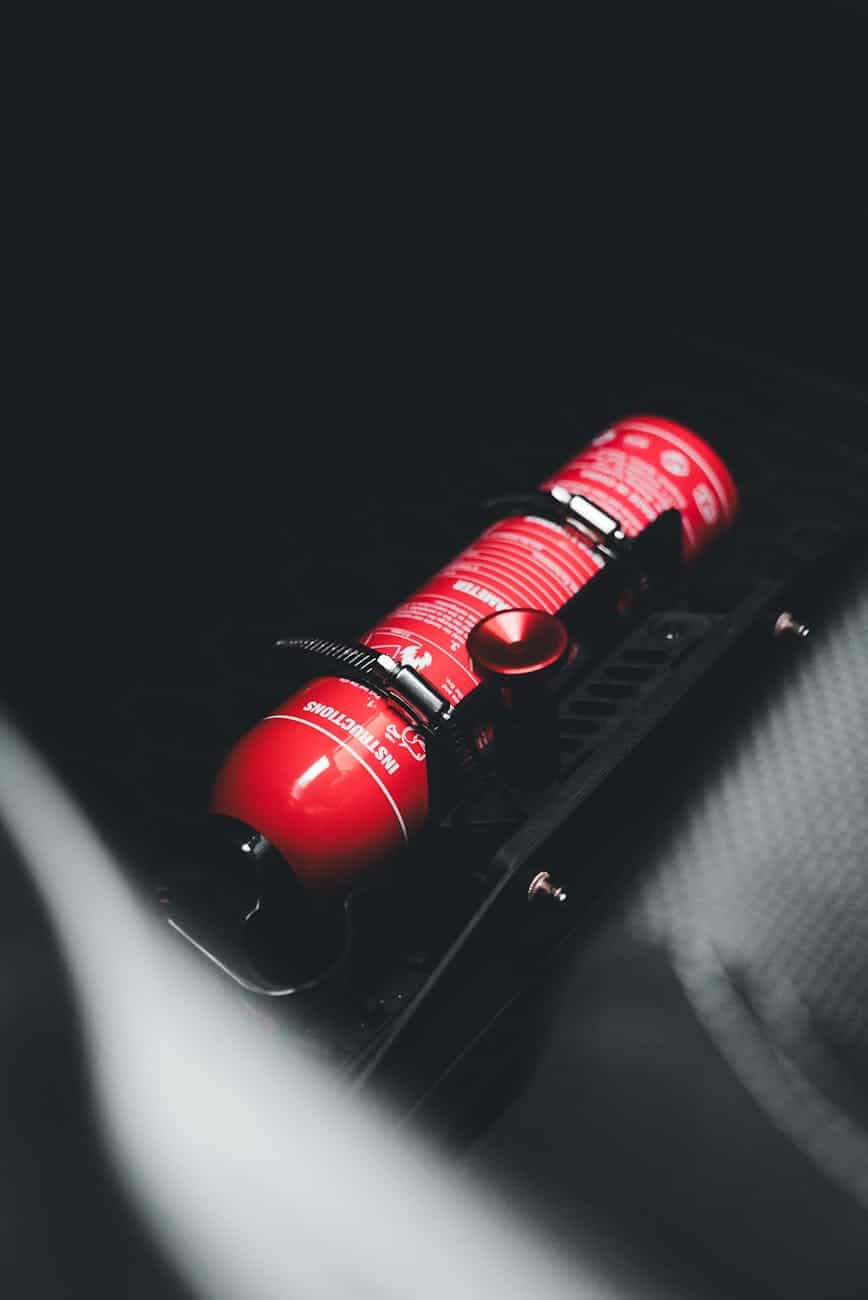
Fire Extinguishers
You must meet boat fire extinguisher requirements based on vessel size and layout.
Inspect extinguishers monthly. Check the pressure gauge, look for corrosion, and ensure easy access. Shake dry powder units occasionally to prevent compaction. Replace or service them annually.
Fire extinguishers play a key role in boat emergency kit essentials, yet many owners ignore them until it is too late.
Distress Signals and Flares
Marine distress signals and flares provide visibility during emergencies.
Check expiry dates often. Store flares in a dry, accessible location. Replace them before they expire and dispose of old ones correctly.
Expired flares remain one of the most common failures found during inspections.
Life Raft and Lifebuoys
A life raft forms a critical part of offshore boating safety equipment. Lifebuoys support quick response during man-overboard situations.
Service your life raft at the recommended intervals. Inspect mounting brackets and lashings. Ensure lifebuoys remain easy to access and properly secured.
Communication Equipment
Reliable communication defines effective emergency equipment for yachts.
Your setup should include:
- VHF radio
- Backup handheld radio
- Emergency beacon
Test radios before every trip. Check antenna connections and keep batteries charged. Understanding VHF radio safety on boats ensures you can use the system under pressure.
EPIRB and PLB
EPIRB and PLB for boats provide location tracking during emergencies.
Check registration details every year. Test the unit according to manufacturer instructions and replace batteries before expiry.
These devices remain essential for offshore cruising.
First Aid Kit
Every boat should carry supplies listed under boat first aid kit essentials.
Inspect the kit regularly. Replace expired items and restock after use. Adjust contents based on crew size and trip duration.
Navigation Lights
You must follow navigation lights requirements to remain compliant and visible.
Test all lights before departure. Replace faulty bulbs and inspect wiring for corrosion.
Maintenance Intervals: How Often Should You Check Safety Equipment?
Routine checks prevent failures. You should include safety gear in your boat safety checklist before departure.
Follow this schedule:
- Before every trip: quick visual inspection
- Monthly: check extinguishers, radios, and lights
- Annually: service life jackets, life raft, and EPIRB
- As needed: replace expired flares and medical supplies
This approach keeps your required safety equipment on a boat ready at all times.
Cost Considerations: Budgeting for Safety Equipment
Many new owners worry about cost when building their basic safety gear for small boats.
However, safety equipment protects lives and reduces long-term expenses. Regular maintenance costs less than replacement and prevents failures.
For example:
- Servicing a life raft costs less than replacing it
- Maintaining extinguishers prevents system failure
- Caring for electronics extends lifespan
Practical Maintenance Insights for Yacht Owners
Consistency drives effective maintenance. Create a simple logbook to track inspections, servicing dates, and expiry dates. This system helps you manage your marine safety equipment essentials efficiently.
Store equipment properly. Keep it dry, protected from UV, and secured against movement. Good storage extends lifespan and reliability.
Involve your crew. Everyone onboard should know where equipment sits and how to use it.
Common Mistakes Yacht Owners Make
Many yacht owners make avoidable mistakes with safety equipment on boats.
Some rely on expired gear, especially flares and medical supplies. Others store equipment in hard-to-reach locations, which slows response time.
Training also gets overlooked. Owning equipment does not guarantee effective use.
Finally, small signs of wear often go ignored. Corrosion, fading, and loose fittings signal future failure.
FAQ: Safety Equipment on Boats
What safety equipment is required on a boat? The required safety equipment on a boat usually includes life jackets, fire extinguishers, distress signals, communication devices, and navigation lights, depending on regulations.
How often should boat safety equipment be checked? You should review your boat safety equipment checklist before every trip, with detailed checks monthly and servicing annually.
Do flares expire on boats? Yes, marine distress signals and flares expire and must be replaced before the expiry date.
Is an EPIRB required for all boats? Not always, but EPIRB and PLB for boats are strongly recommended, especially offshore.
What is the most important safety equipment on a boat? Life jackets for boating safety remain the most critical item because they directly protect lives.
Summary
Every yacht owner must understand safety equipment on boats and commit to maintaining it properly. Life jackets, fire extinguishers, flares, communication systems, and life rafts all play vital roles onboard.
A structured boat safety equipment checklist combined with regular maintenance ensures reliability when it matters most.
Good preparation, consistent checks, and proper storage will keep your vessel safe, compliant, and ready for any situation at sea.
 310
310
310
310