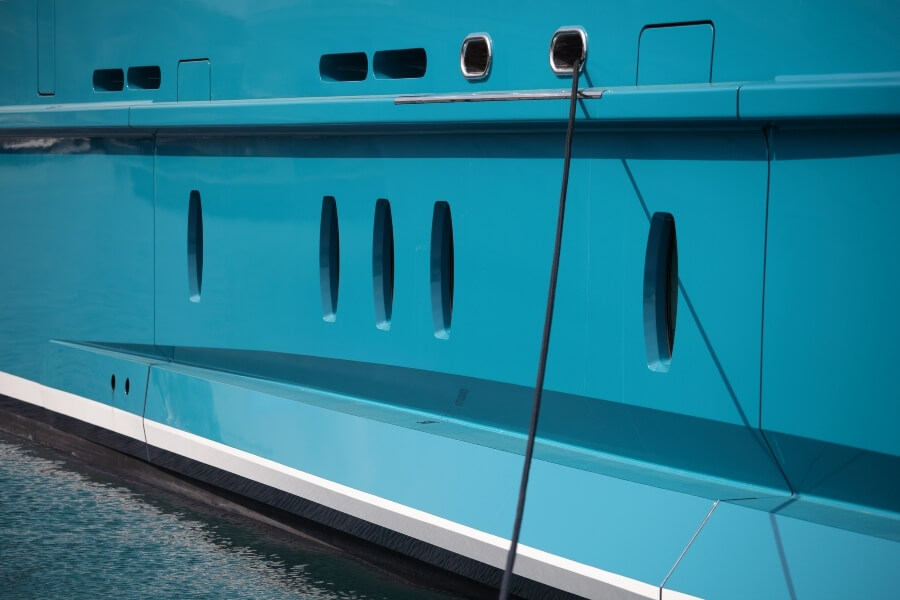
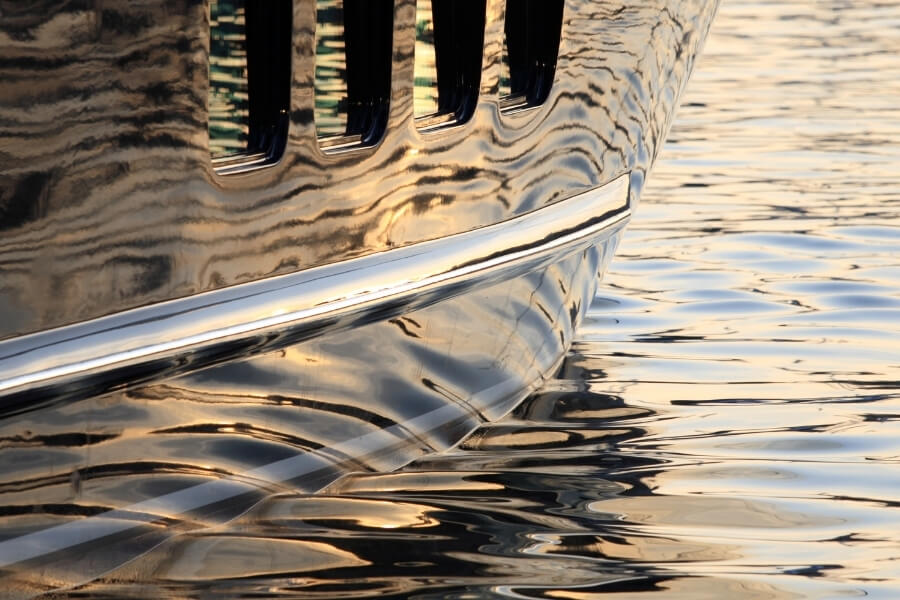
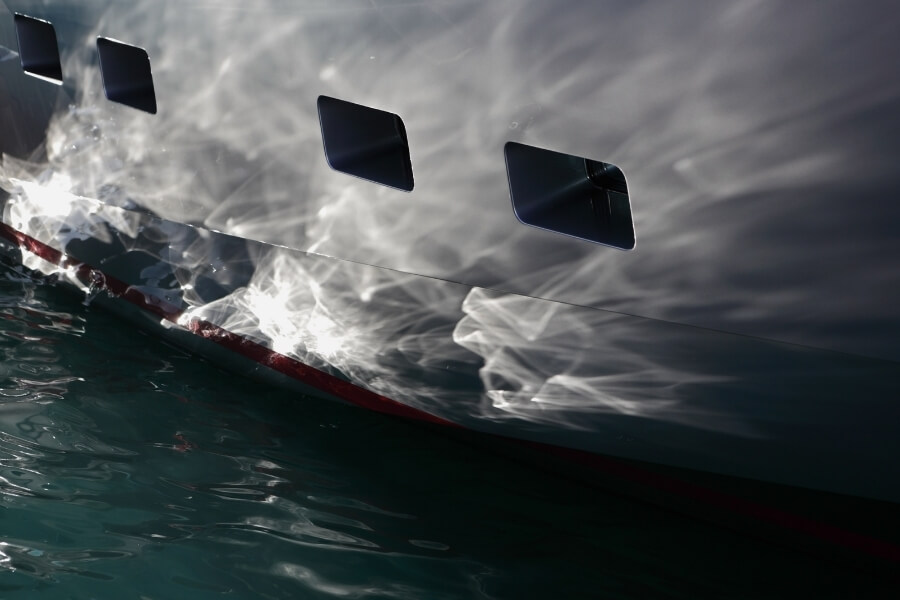
Salt, UV, diesel soot, hard water marks, bird mess, fender scuffs, and constant washdowns all wear down a boat’s exterior finish. Over time, gelcoat becomes dull, painted surfaces lose gloss, and cleaning starts to take more effort.
That is why many owners and crew now consider ceramic coating for boats as an alternative to traditional wax. A good marine ceramic coating can help protect gelcoat, paint, glass, stainless steel, and other marine surfaces while making routine cleaning easier.
However, ceramic coating is not a miracle product. It will not repair damaged gelcoat, stop scratches, or replace regular maintenance. In this guide, we explain how boat ceramic coating works, what it costs, how long it lasts, and whether it is worth it compared with wax.
Some links on this page are affiliate links. This means The Yacht Maintenance Hub may earn a commission if you click through and make a purchase, at no extra cost to you. We only recommend products, tools and marine suppliers that we believe are useful for yacht owners, captains, crew and marine professionals.
This article is all about Ceramic Coating for Boats!
Quick Answer: Is ceramic coating for boats worth it?
Ceramic coating for boats can be worth it if the surface is properly polished, prepared, and maintained. It usually lasts longer than wax, improves water beading, helps reduce staining, and makes washdowns easier.
However, it is only a good investment when applied correctly. Poor preparation, cheap products, or unrealistic expectations can make ceramic coating a waste of money.
What Is Ceramic Coating for Boats?
Ceramic coating for boats is a liquid protective coating that bonds to the surface and forms a hard, slick, water-repellent layer. Most marine ceramic coatings are designed for gelcoat, painted surfaces, hull sides, superstructures, stainless steel, glass, and selected marine surfaces.
In simple terms, it adds a protective barrier between the boat and the marine environment. This can help with UV protection for boat gelcoat, easier cleaning, reduced staining, and longer-lasting gloss.
Marine ceramic coating is often based on silicon dioxide, also known as SiO₂. Once cured, it creates a durable finish that helps water, salt, grime, and dirt release more easily.
However, it does not make a boat maintenance-free. Instead, it makes the surface easier to maintain when the correct washdown routine is followed.
How Does Marine Ceramic Coating Work?
Marine ceramic coating works by bonding to a clean, prepared surface. Once cured, it creates a thin protective layer that is more durable than standard wax.
This slick layer helps reduce how strongly salt, dirt, soot, and stains stick to the surface. As a result, washdowns can become quicker and less aggressive.
However, preparation is everything. Ceramic coating should not be applied over oxidation, old wax, polishing oils, salt residue, or dirty gelcoat. If the surface underneath is poor, the coating will simply lock in a poor finish.
Before applying ceramic coating, the surface normally needs to be:
Washed thoroughly
Decontaminated
Polished or corrected
Wiped down with a suitable surface prep product
Fully dry before application
Therefore, the coating product is only one part of the job. The real result comes from proper preparation.
Ceramic Coating vs Wax for Boats
Many owners compare ceramic coating vs wax for boats because both protect exterior surfaces. However, they suit different needs.
Feature
Marine Wax
Ceramic Coating
Typical lifespan
Weeks to a few months
Several months to multiple seasons
Cost
Lower
Higher
Application
Easier
More preparation needed
Gloss
Good short-term shine
Better long-term gloss retention
Cleaning benefit
Moderate
Stronger dirt and water release
DIY-friendly
Very
Sometimes
Best for
Simple regular protection
Longer-term protection
Wax is still useful. It is cheaper, easier to apply, and more forgiving for DIY owners. However, ceramic coating offers better long-term marine gelcoat protection when applied correctly.
For older boats with tired gelcoat, polishing and waxing may be a better first step. Newer boats, freshly corrected gelcoat, or high-value yachts, ceramic coating often makes more sense.
The main benefit of ceramic coating for boats is durability. Wax can break down quickly under UV, salt, heat, and repeated washing. A good ceramic coating usually lasts longer and gives a more durable layer of protection.
Easier Washdowns
Ceramic coating makes the surface slicker. Therefore, salt, diesel soot, dust, bird mess, and general grime often release more easily during washdowns. This can save time for owners and crew, especially on larger yachts.
Better Water Beading
A good coating creates strong water beading. This helps water run off the surface instead of sitting flat and drying into marks. However, water beading is not the only sign of protection. Some coatings still protect even when beading reduces.
Reduced Staining
Ceramic coating can help reduce staining from salt, tannins, exhaust soot, dirty dock water, and fender marks. It will not stop every stain, but it can make many marks easier to remove.
Better Gelcoat and Paint Protection
Ceramic coating for gelcoat and boat paint protection coating can help slow UV damage and oxidation. However, it does not reverse faded gelcoat. If the surface is already dull, it must be corrected before coating.
Downsides of Boat Ceramic Coating
Ceramic coating has clear benefits, but it also has limits.
First, it costs more than wax. The product itself may not be the biggest expense. Labour and preparation usually make up most of the boat ceramic coating cost.
Second, it requires proper application. If the surface is not cleaned, polished, and wiped down correctly, the coating may fail early or look uneven.
Third, ceramic coating does not stop scratches. Dirty brushes, fenders, dock lines, abrasive cloths, and poor wash techniques can still mark gelcoat and paint.
Finally, it still needs maintenance. Harsh chemicals, aggressive scrubbing, and poor washdown habits can reduce the coating’s lifespan.
How Long Does Ceramic Coating Last on Boats?
How long ceramic coating lasts on boats depends on the product, surface preparation, UV exposure, salt exposure, and cleaning routine.
Area
Typical Lifespan
Topsides
1–3 seasons
Hull sides
1–3 seasons
Superstructure
1–2 seasons
Stainless steel
6–18 months
Glass
6–18 months
High-touch areas
Shorter lifespan
Boats in strong sun, such as the Med, Caribbean, Florida, Middle East, and Australia, may experience faster wear. Likewise, boats washed daily with strong cleaners may need coating maintenance sooner.
Boat Ceramic Coating Cost
Boat ceramic coating cost varies depending on boat size, surface condition, access, labour, and whether polishing is included.
A small DIY job may only involve the cost of product and basic preparation supplies. However, a professional yacht ceramic coating job can cost much more because it may include washing, compounding, polishing, surface prep, and careful coating application.
Job Type
Cost Level
Notes
DIY small boat
Lower
Best for confident owners
Professional small boat
Medium
Good if gelcoat is in fair condition
Full yacht coating
Higher
Labour-intensive
Oxidised gelcoat correction plus coating
Highest
Requires heavy preparation
If a quote seems very cheap, ask what preparation is included. A cheap coating applied over poor gelcoat rarely lasts well.
Is Ceramic Coating Good for Fiberglass Boats?
Yes, ceramic coating for fiberglass boats can work well when applied over properly prepared gelcoat. It can help protect against UV, salt, grime, and staining.
However, many fiberglass boats already have oxidation. If the gelcoat is chalky or faded, it should be compounded and polished before coating.
Some owners can apply ceramic coating themselves, especially on smaller boats. However, DIY ceramic coating is not always the best option for large yachts or expensive painted surfaces.
DIY may be suitable if the boat is small, the surface is already in good condition, and you can work in shade or controlled conditions.
A professional is usually better if the boat has oxidised gelcoat, dark paint, large topsides, or high-value finishes. Professional application may also be worthwhile if you want better correction, cleaner results, or a product warranty.
Tools and Products Needed
For a proper ceramic coating job, you need:
Boat wash
Decontamination product
Machine polisher
Cutting compound
Finishing polish
Surface prep spray
Microfibre towels
Foam or suede applicators
Gloves
Good lighting
Marine-safe maintenance wash
When choosing the best ceramic coating for boats, use a product designed for marine surfaces. Boats face stronger UV, salt, and washdown demands than cars.
Ceramic Coating Maintenance for Boats
Ceramic coating maintenance is simple but important.
Good wash technique matters. Even a coated boat can become scratched if crew use dirty mitts, stiff brushes, or harsh chemicals.
For a full washdown routine, see our guide to yacht cleaning.
Best Areas to Ceramic Coat
Ceramic coating does not need to go everywhere. It usually makes most sense on surfaces that are high-value or difficult to keep clean.
Good areas include:
Topsides
Hull sides
Superstructure
Painted surfaces
Gelcoat
Glass
Transoms
Diesel soot areas
Waterline sections
Be careful with non-slip decks. Some coatings may reduce grip or change the surface feel. Always check product suitability first.
Common Mistakes to Avoid
The biggest mistake is applying ceramic coating over oxidation. If the gelcoat is dull or chalky, polish it first.
Another mistake is skipping the prep wipe. Polishing oils can stop the coating from bonding properly.
Owners also often choose the cheapest product without checking whether it is suitable for marine use. In addition, applying ceramic coating in direct sun can cause streaks and high spots.
Finally, do not assume ceramic coating replaces maintenance. It reduces cleaning effort, but it does not remove the need for regular care.
Practical Advice for Owners and Crew
For owners, ceramic coating makes sense if you want longer-lasting protection and easier cleaning. It is especially useful for boats exposed to strong UV, saltwater, and frequent washdowns.
For captains and crew, it can reduce exterior cleaning time. However, everyone onboard needs to follow the right washdown process. Poor cleaning habits can damage any coating.
Before choosing ceramic coating, ask:
Is the gelcoat or paint in good condition?
Does the boat need polishing first?
Is the product designed for marine use?
Will the boat be washed with coating-safe products?
Would wax be enough for the current use?
If the surface is already well-prepared and the boat needs longer-term protection, ceramic coating can be a good investment.
FAQs: Ceramic Coating for Boats
Is ceramic coating better than wax for boats?
Ceramic coating usually lasts longer than wax and offers better water beading, stain resistance, and cleaning benefits. However, wax is cheaper and easier for DIY owners.
How long does ceramic coating last on a boat?
It can last from several months to a few seasons depending on preparation, product quality, UV exposure, salt exposure, and maintenance.
Can ceramic coating be used on gelcoat?
Yes, ceramic coating can be used on gelcoat if it is cleaned, polished, and properly prepared first.
Is ceramic coating worth it for saltwater boats?
Yes, it can help salt, grime, and stains release more easily. However, the boat still needs regular fresh water rinsing and gentle washing.
Can I apply boat ceramic coating myself?
Yes, on smaller boats in good condition. For larger yachts, oxidised gelcoat, or expensive paint, professional application is usually safer.
Conclusion
Ceramic coating for boats can be a smart upgrade for gelcoat, paint, glass, stainless steel, and other marine surfaces. It can improve gloss retention, reduce staining, and make washdowns easier.
However, it is not a shortcut for poor maintenance. The best results come from proper preparation, careful application, and gentle aftercare.
If your boat is already in good condition or has been properly polished, ceramic coating is worth considering. If the surface is tired or oxidised, correct the finish first before applying any long-term protection.
Work through essential checks for your boat’s hull, engine, electrical systems, plumbing and safety equipment. Use the printable checklist and launch log to record completed jobs, flag outstanding work and organise your return to the water.
Success
Thank you for submitting the form, we will be in touch with you shortly with your Spring Commissioning Checklist.
Prepare Your Boat Properly Before Winter
Use TYMH’s practical winterisation checklist to help protect your engine, plumbing, batteries, deck gear, safety equipment and onboard systems before the cold weather sets in.
Success
Thank you for submitting the form, we will be in touch with you shortly.
Sign up for updates
Join the newsletter for practical yacht maintenance advice, new guide releases, downloadable resources, product recommendations and seasonal reminders designed to help owners, captains and crew make better maintenance decisions onboard. As TYMH grows, subscribers will also get early access to new checklists, maintenance resources, recommended products and exclusive offers or discounts from selected marine brands.
Success
Thank you for signing up to receive updates from The Yacht Maintenance Hub.
Blog / Ceramic Coating for Boats: Is It Worth It for Long-Term Protection?
We track how people interact with our online web content and resources, and some of that tracking involves storing cookies on your device. By continuing to use our site you accept that you agree to this. For more details see our Privacy Statement.
 310
310
310
310