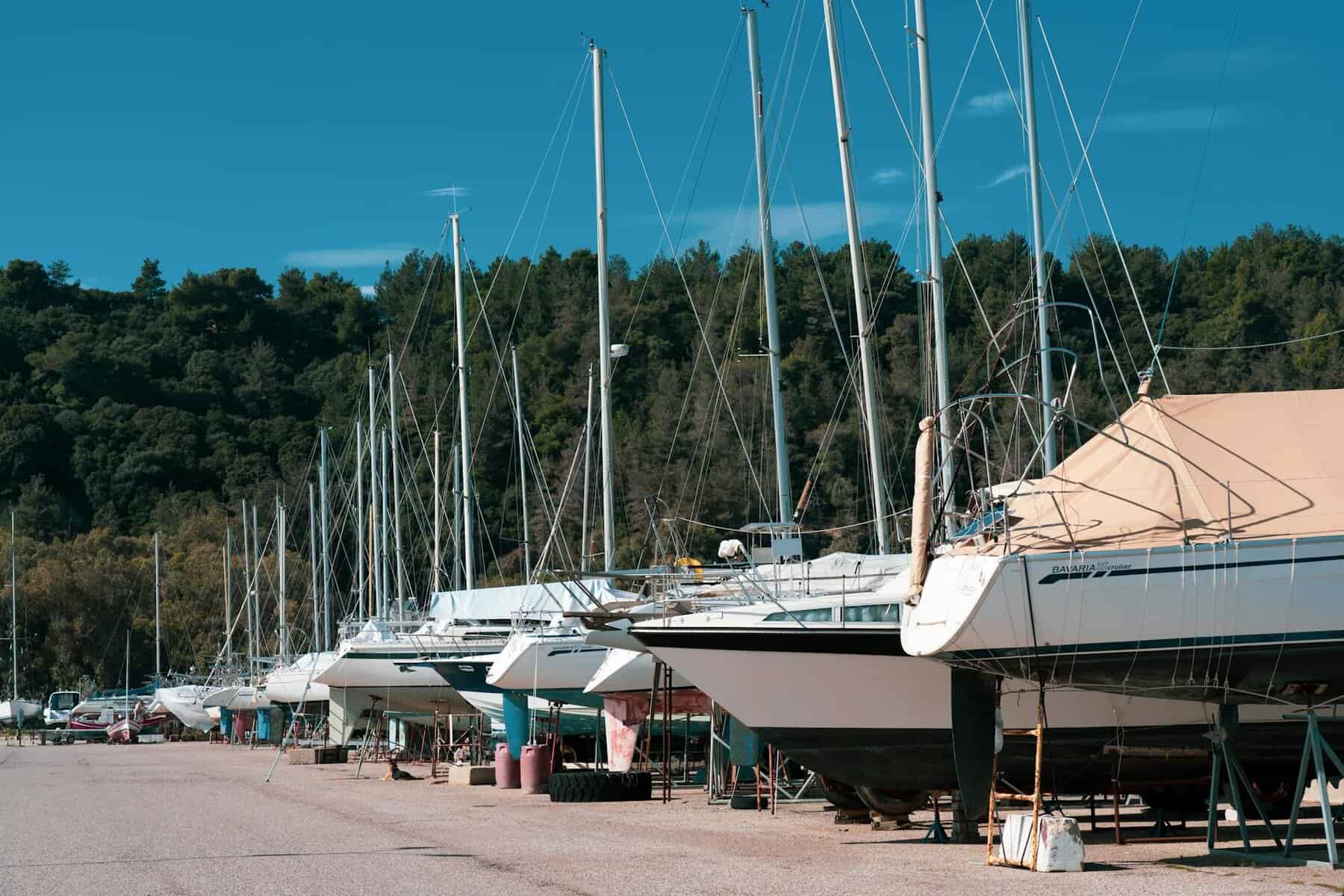
Owning a yacht delivers freedom, flexibility and long-term lifestyle value. However, without a clear strategy, yacht maintenance costs can quickly spiral beyond expectations. Therefore, every serious owner needs a structured approach that protects both the vessel and the budget.
Many owners focus only on the visible expenses, yet the real challenge lies in managing recurring projects and preparing for the unexpected. Because of that, understanding the cost of yacht maintenance in detail allows you to make rational decisions instead of reactive ones. This guide will show you how to prioritise correctly.
At The Yacht Maintenance Hub, we advocate planned maintenance over emergency repairs. When you manage annual yacht maintenance costs strategically, you reduce risk, protect asset value and stabilise long-term yacht running costs. Let’s break down how to do exactly that.
This post is all about Yacht Maintenance Costs!
Understanding Yacht Maintenance Costs Before You Cut Anything
Before you start trimming expenses, you must first understand what drives yacht maintenance costs in the first place. While many owners ask, “how much does yacht maintenance cost?”, the real answer depends on vessel size, usage, mooring location, onboard systems and your appetite for preventative work. Consequently, a structured cost breakdown forms the foundation of intelligent budgeting.
In general, the average yacht maintenance cost per year ranges between 7% and 12% of the vessel’s value. However, that figure only becomes useful when broken into categories such as hull care, machinery servicing, safety compliance, marina fees and refit reserves. Without that clarity, even experienced owners underestimate their yearly cost to maintain a yacht.
Instead of viewing expenses as one large burden, divide them into three tiers:
Recurring essential projects
Preventative system servicing
Variable or surprise repairs
This tiered model allows you to control yacht upkeep costs while still protecting the yacht’s operational integrity.
Recurring Yacht Maintenance Projects: Your Non-Negotiables
Recurring projects form the backbone of predictable yacht maintenance costs annually. Therefore, you must prioritise them first, even when budgets tighten.
Antifouling and Hull Protection
Antifouling remains one of the most critical recurring expenses in your yacht maintenance cost per year. Marine growth affects performance, fuel efficiency and hull longevity; consequently, delaying antifouling increases long-term costs rather than reducing them.
Most cruising yachts require antifouling every 12–18 months depending on location and usage. Warm climates and high-growth marinas demand more frequent applications, while colder regions may allow slight flexibility. Nevertheless, postponing haul-outs to “save money” often results in higher fuel consumption, strain on propulsion systems and eventual osmosis risk.
Because haul-outs combine yard fees, labour and materials, they represent a significant part of yacht running costs. However, smart scheduling reduces impact. For example, you can align antifouling with shaft inspections, bearing checks and through-hull servicing. By bundling work, you lower overall yard labour charges and reduce repeated lifting fees.
Ultimately, antifouling should never sit in the “optional” column when reviewing annual yacht maintenance costs.
Check out our other posts on Boat Lifting and Antifouling:
Engines define both safety and asset value. Therefore, routine servicing forms a predictable part of yacht maintenance costs per month when averaged across the year.
Oil changes, impellers, filters and coolant servicing cost far less than a rebuild. Moreover, maintaining accurate service intervals stabilises your yacht ownership costs and protects resale value. Owners who skip intervals often face compounding issues such as overheating, injector wear and turbo damage.
When budgets feel tight, focus on service-hour compliance rather than cosmetic upgrades. Mechanical reliability directly affects your cost of yacht maintenance long term, whereas deferred cosmetic polishing rarely threatens structural integrity.
Safety Systems and Compliance
Safety systems often hide quietly in the background of yacht maintenance costs annually, yet they demand consistent attention. Fire extinguishers require servicing, liferafts need inspection, EPIRBs need battery checks and bilge systems must remain fully operational.
Although these items may not improve appearance, they protect life and insurance validity. Therefore, include them as fixed line items in your yacht maintenance cost calculator rather than treating them as discretionary spending.
Creating a Tiered Budget Strategy
After identifying non-negotiables, you can structure a prioritised plan.
Tier 1 – Essential Operational Maintenance
This category includes antifouling, engine servicing, steering systems, through-hulls, batteries and safety compliance. These expenses protect seaworthiness and prevent catastrophic failure. Consequently, they represent the core of your average yacht maintenance cost per year.
When funds feel limited, never reduce Tier 1 spending. Instead, reallocate from cosmetic or upgrade categories.
Tier 2 – Preventative System Protection
Preventative maintenance sits between urgent and optional. It includes corrosion control, electrical inspections, plumbing servicing and deck hardware lubrication. While postponement may not cause immediate breakdown, neglect gradually inflates your yacht upkeep costs.
For example, untreated corrosion around stainless fittings may lead to structural staining or fastener failure. Similarly, ignoring battery testing can shorten lifespan and increase replacement frequency. Therefore, Tier 2 tasks deserve structured scheduling even if spaced slightly further apart.
Tier 3 – Cosmetic and Upgrade Projects
Cosmetic refinishing, upholstery updates, electronics upgrades and aesthetic improvements influence enjoyment and resale appeal. However, they rarely affect immediate safety or propulsion.
When reviewing yacht maintenance costs per month, this tier provides flexibility. You can postpone these projects temporarily without undermining core vessel integrity. Nevertheless, avoid indefinite delays because cosmetic decline eventually impacts market value and increases future refit costs.
Planning Yacht Maintenance Costs Annually
Instead of reacting to invoices, build a 12-month projection. This approach stabilises yacht running costs and prevents seasonal cash flow shocks.
Start by listing recurring tasks:
Antifouling
Engine servicing
Generator servicing
Safety inspections
Insurance renewal
Marina fees
Next, assign realistic cost ranges based on previous invoices or yard quotes. Then divide total projected yacht maintenance costs annually by twelve to estimate yacht maintenance costs per month. This method transforms unpredictable expenses into manageable planning.
Additionally, review multi-year projects such as sail replacement, standing rigging renewal or battery bank upgrades. By forecasting three years ahead, you protect yourself from sudden spikes in the yearly cost to maintain a yacht.
Using a Yacht Maintenance Cost Calculator Effectively
A structured yacht maintenance cost calculator improves clarity and reduces emotional spending. However, the tool only works if populated accurately.
Include categories for:
Hull and antifouling
Mechanical servicing
Electrical systems
Safety compliance
Interior upkeep
Yard and haul-out fees
Contingency reserve
Furthermore, compare historical data year-on-year. If yacht maintenance costs trend upward sharply, investigate root causes. Increased yard rates, ageing systems or deferred maintenance may drive the rise.
When you quantify data, you gain control over the cost of yacht maintenance rather than reacting to it.
Budgeting for the Unexpected
Even the best planning cannot eliminate surprise repairs. Therefore, building a contingency fund protects long-term stability.
Most experienced owners allocate 10–20% of projected annual yacht maintenance costs into a reserve account. This fund absorbs sudden failures such as alternator replacement, steering ram leaks or water pump breakdowns.
Without a reserve, unexpected failures inflate perceived yacht ownership costs dramatically. However, when a contingency exists, the financial shock diminishes. Consequently, stress levels fall and decision-making improves.
Moreover, consistent preventative work reduces the frequency of these surprises. Thus, disciplined planning lowers overall average yacht maintenance cost per year across multiple seasons.
Reducing Yacht Maintenance Costs Without Increasing Risk
Cost reduction does not mean neglect. Instead, it requires strategic efficiency.
First, combine yard periods whenever possible. Second, purchase service kits in advance rather than paying marina mark-ups. Third, perform suitable DIY tasks while leaving critical mechanical work to qualified professionals.
Additionally, improve record keeping. Clear maintenance logs strengthen resale value and reduce survey disputes, thereby lowering hidden yacht ownership costs later.
Above all, avoid deferring antifouling, engine servicing or safety compliance purely to ease short-term pressure. Those decisions almost always increase the cost of yacht maintenance over time.
Long-Term Asset Protection and Resale Value
Well-managed Yacht Maintenance costs Annually support long-term capital protection. Buyers evaluate service history closely; therefore, structured records enhance confidence and reduce negotiation leverage against you.
When a yacht shows consistent antifouling intervals, engine compliance and documented servicing, survey findings remain minor rather than structural. As a result, resale pricing aligns more closely with asking value.
In contrast, deferred maintenance often results in survey deductions that far exceed the savings achieved by postponement. Therefore, prioritised budgeting ultimately lowers the yearly cost to maintain a yacht across the full ownership cycle.
Final Thoughts: Control, Clarity and Consistency
Ultimately, controlling yacht maintenance costs requires discipline rather than drastic cuts. By prioritising recurring projects like antifouling and mechanical servicing, you protect seaworthiness and stabilise yacht running costs. Furthermore, structured forecasting and a contingency reserve transform uncertainty into controlled planning.
While many owners ask, “how much does yacht maintenance cost?”, the more valuable question becomes, “How do I manage it intelligently?” The answer lies in tiered prioritisation, realistic projections and preventative discipline.
At The Yacht Maintenance Hub, we believe structured maintenance reduces long-term yacht upkeep costs, protects resale value and supports safer cruising. When you approach annual yacht maintenance costs strategically, you do not merely control expenses — you protect your asset, your safety and your enjoyment on the water.
Join the newsletter for practical yacht maintenance advice, new guide releases, downloadable resources, product recommendations and seasonal reminders designed to help owners, captains and crew make better maintenance decisions onboard. As TYMH grows, subscribers will also get early access to new checklists, maintenance resources, recommended products and exclusive offers or discounts from selected marine brands.
Success
Thank you for signing up to receive updates from The Yacht Maintenance Hub.
Blog / How to Prioritise Yacht Maintenance Costs on a Budget
We track how people interact with our online web content and resources, and some of that tracking involves storing cookies on your device. By continuing to use our site you accept that you agree to this. For more details see our Privacy Statement.
 310
310
310
310