Small problems on a yacht often happen at the worst time. A loose hose clamp, corroded terminal, leaking fitting, or stuck fastener can quickly become more serious if you do not have the right tools on board.
Therefore, a waterproof marine tool kit is one of the most practical items a yacht owner, captain, or crew member can carry. It keeps essential tools dry, organised, and ready for use in a saltwater environment.
In this guide, you will learn what to include in a waterproof boat tool kit, how to choose the right marine tool box, which tools are worth buying, and how to maintain your kit so it stays reliable.
This post is all about Waterproof Marine Tool Kits!
Quick Answer: What should be in a waterproof marine tool kit?
A waterproof marine tool kit is an onboard repair kit stored in a waterproof case or marine tool box. It should include corrosion-resistant hand tools, marine electrical tools, hose clamps, spare fasteners, tapes, sealants, and emergency repair items for common yacht maintenance and boat repair tasks.
What Is a Waterproof Marine Tool Kit?
A waterproof marine tool kit is a set of essential boat tools stored in a dry, protected case. Unlike a standard garage tool kit, it is designed for salt air, damp lockers, spray, vibration, and corrosion.
A good onboard boat tool kit helps with:
Loose deck fittings
Minor engine checks
Hose clamp replacement
Electrical faults
Temporary leak repairs
Tender and outboard jobs
General yacht maintenance
However, the aim is not to carry a full workshop. Instead, you want the right tools for the problems most likely to happen on board.
Why Every Yacht Needs One
Yachts are harsh environments for tools. Salt, moisture, heat, and movement can quickly damage cheap tools or poorly sealed boxes. As a result, even a simple repair can become difficult if your tools are rusty, missing, or badly stored.
A waterproof marine tool kit helps you act quickly before small faults become expensive repairs.
Benefit
Why It Matters
Keeps tools dry
Reduces rust and corrosion
Improves organisation
Makes tools easier to find
Supports quick repairs
Helps stop minor faults getting worse
Improves safety
Useful during leaks, faults, or loose fittings
Saves money
Reduces avoidable call-outs and delays
For yacht owners and crew, this is one of the most useful pieces of maintenance equipment to keep on board. In addition, it gives you more confidence when dealing with small issues away from the marina.
What Should Be in a Waterproof Marine Tool Kit?
The best marine tool kit should cover mechanical, electrical, plumbing, deck hardware, and emergency tasks. Therefore, it should include more than just screwdrivers and spanners.
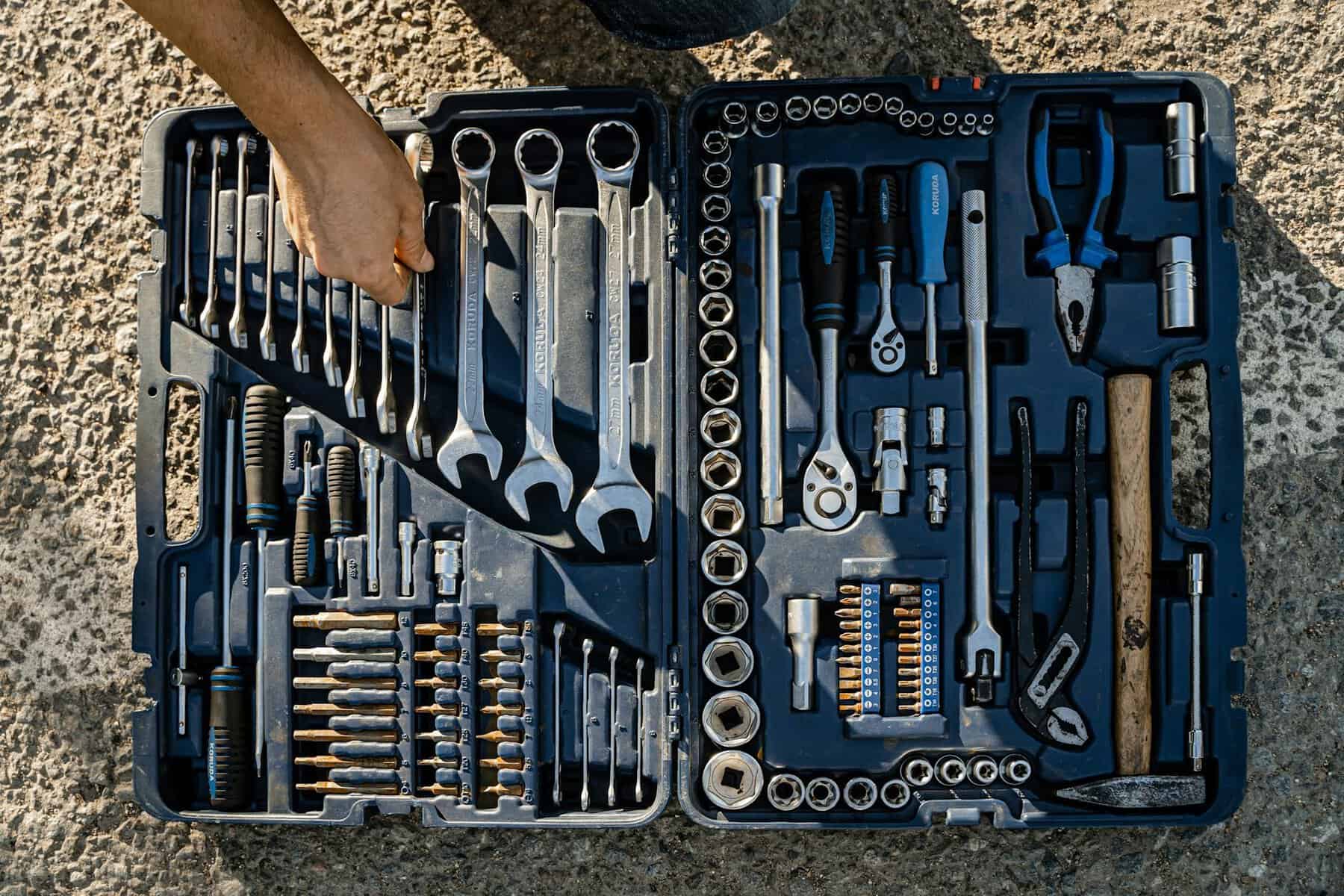
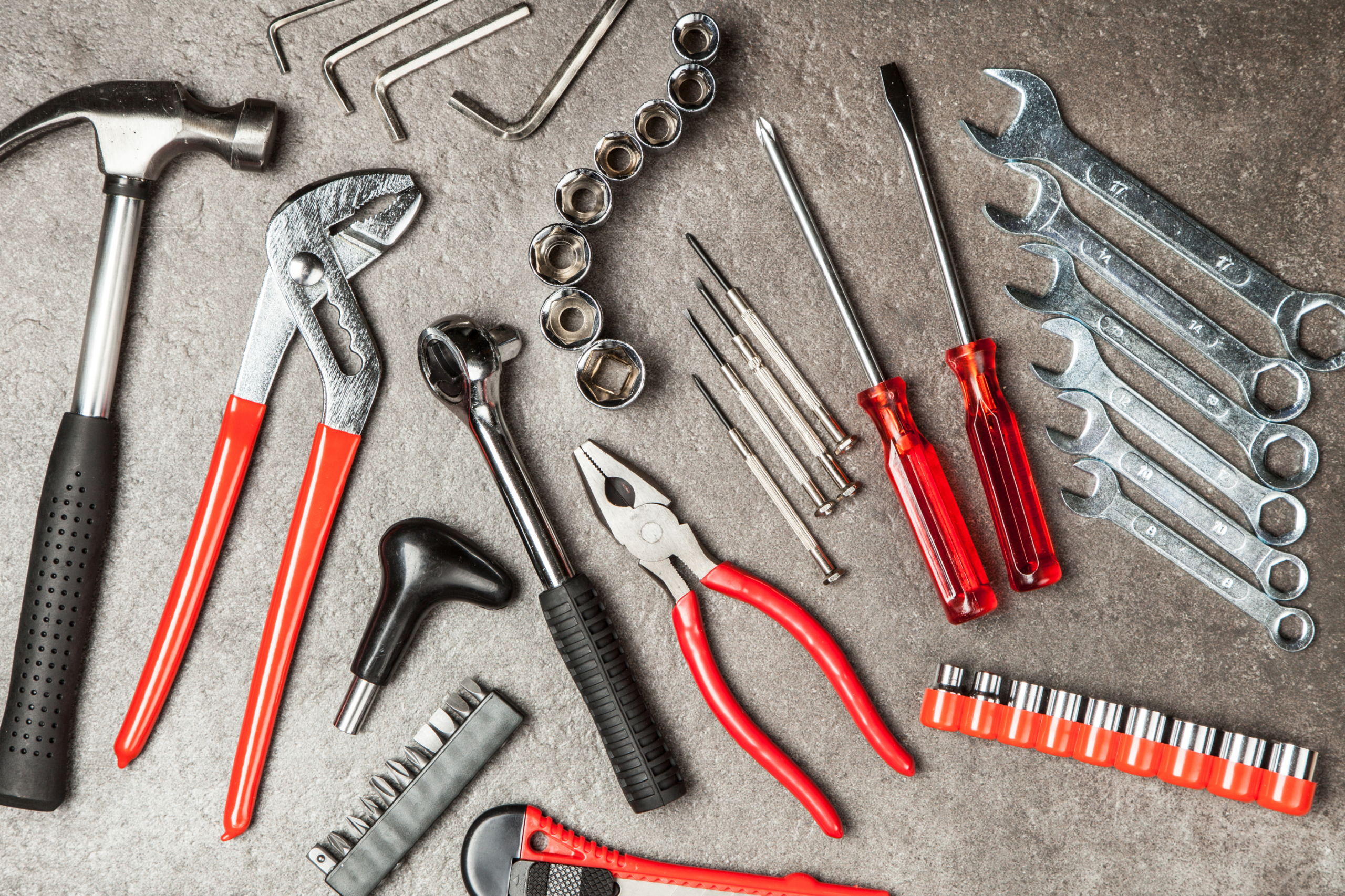
Essential Hand Tools
Firstly, start with reliable hand tools because these will handle most routine jobs.
Include:
Adjustable spanner
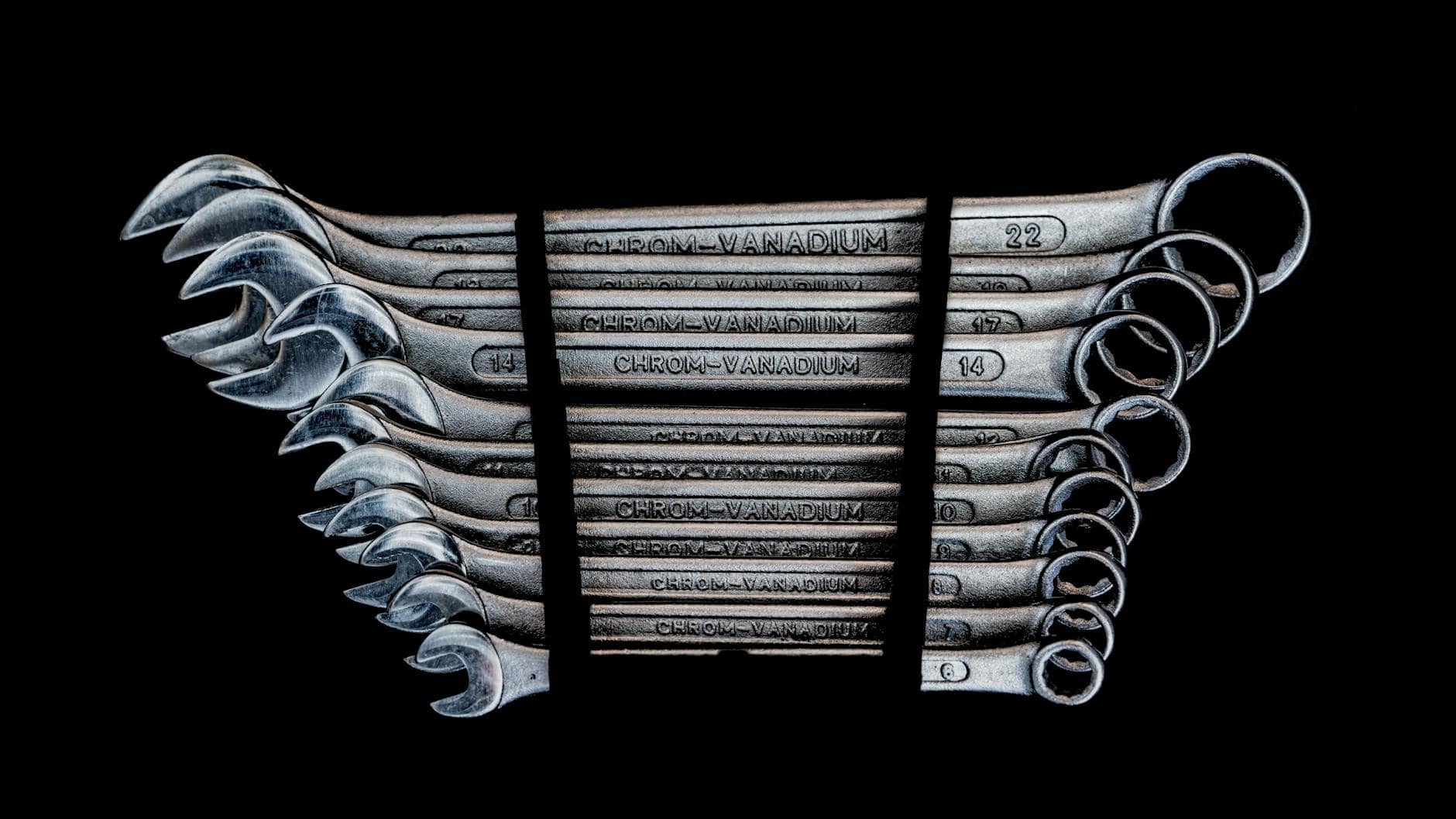
Metric and imperial spanner set
Socket set
Phillips and flathead screwdrivers
Allen keys
Pliers
Long-nose pliers
Side cutters
Locking pliers
Utility knife
Compact hacksaw
Tape measure
Small hammer or mallet
Head torch or waterproof torch
In addition, a mix of metric and imperial sizes is useful because yachts often have equipment from different manufacturers and countries.
For more on the essentials check out our recommended boat tool kit.
Marine Electrical Tools
Electrical issues are common on boats because moisture and vibration affect batteries, terminals, switches, pumps, and lights. Therefore, your kit should include basic marine electrical tools.
Add:
Digital multimeter
Wire strippers
Marine crimping tool
Heat shrink terminals
Heat shrink tubing
Electrical tape
Spare fuses
Cable ties
Spare marine-grade wire
Terminal cleaning brush
Dielectric grease
A multimeter is one of the most useful yacht maintenance tools you can own. For example, it helps test battery voltage, diagnose pump faults, check lighting circuits, and find poor connections.
Next, add temporary repair supplies. These items help control a problem until you can make a proper repair.
Include:
Self-amalgamating tape
Waterproof repair tape
Epoxy putty
Marine sealant
Spare stainless hose clamps
Cable ties
Soft wooden plugs
PTFE tape
Absorbent pads
Spare nuts, bolts, washers, and screws
Rigging tape
However, these items are not a replacement for proper repairs. Instead, they help stop a leak, secure a loose part, or keep a system working until you reach port.
Choosing the Right Waterproof Marine Tool Box
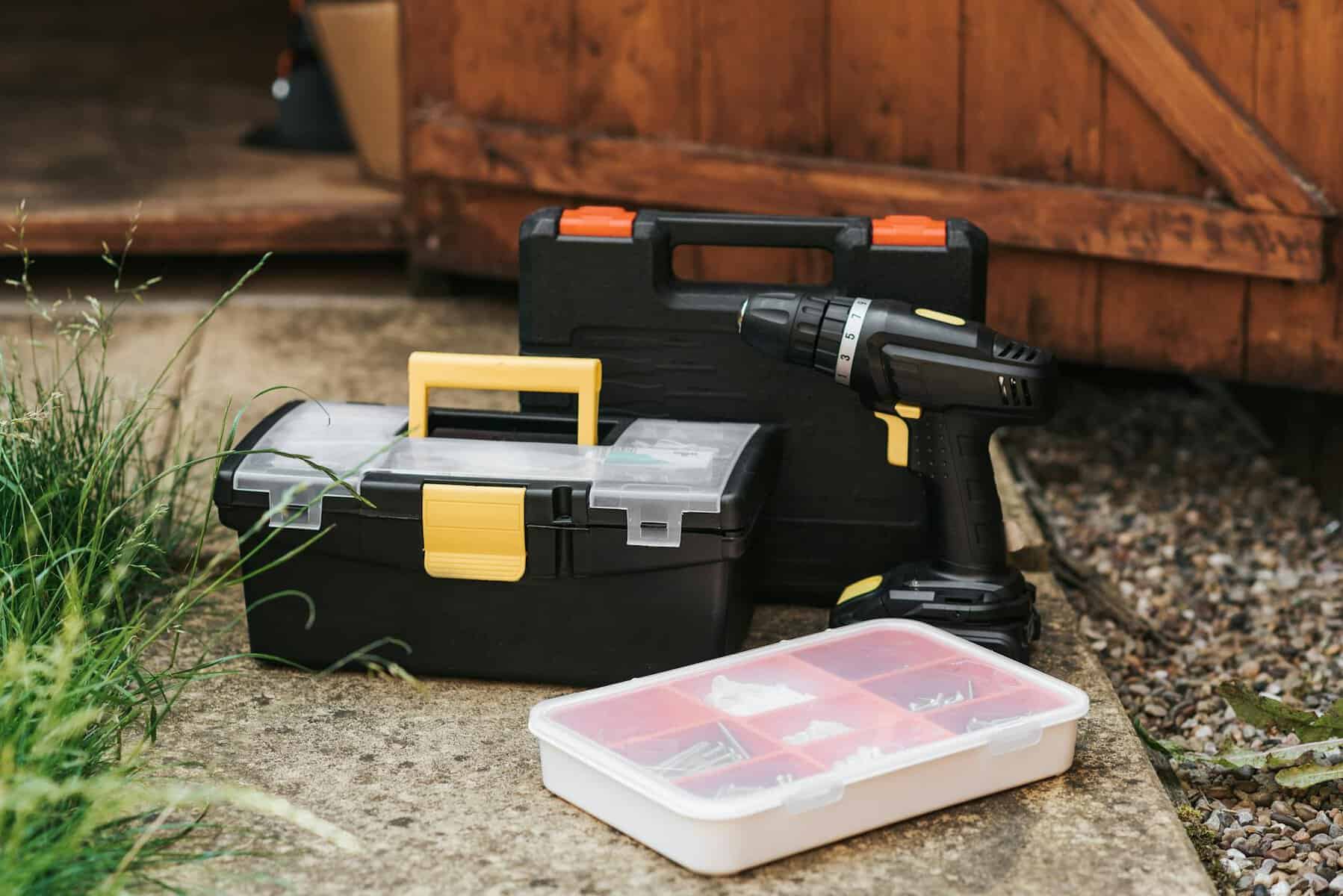
The case is just as important as the tools inside it. A poor-quality box can leak, crack, or allow tools to rattle around and get damaged.
When choosing a waterproof tool box for boats, look for:
Strong waterproof seal
Corrosion-resistant latches
Impact-resistant body
Secure handle
Internal dividers or trays
Space for extra tools
Easy locker storage
Good organisation options
A hard waterproof tool case gives the best protection. However, a soft waterproof tool bag may be easier to carry for quick jobs around the boat.
Storage Option
Best For
Main Benefit
Hard waterproof case
Offshore use and long-term storage
Best protection
Marine tool box
General yacht maintenance
Easy organisation
Waterproof tool bag
Day-to-day jobs
Easy to carry
Small dry box
Electrical tools and terminals
Keeps small parts dry
For most yachts, the best setup is one main waterproof marine tool kit plus a smaller dry box for electrical spares.
Saltwater Resistant Tools: What to Look For
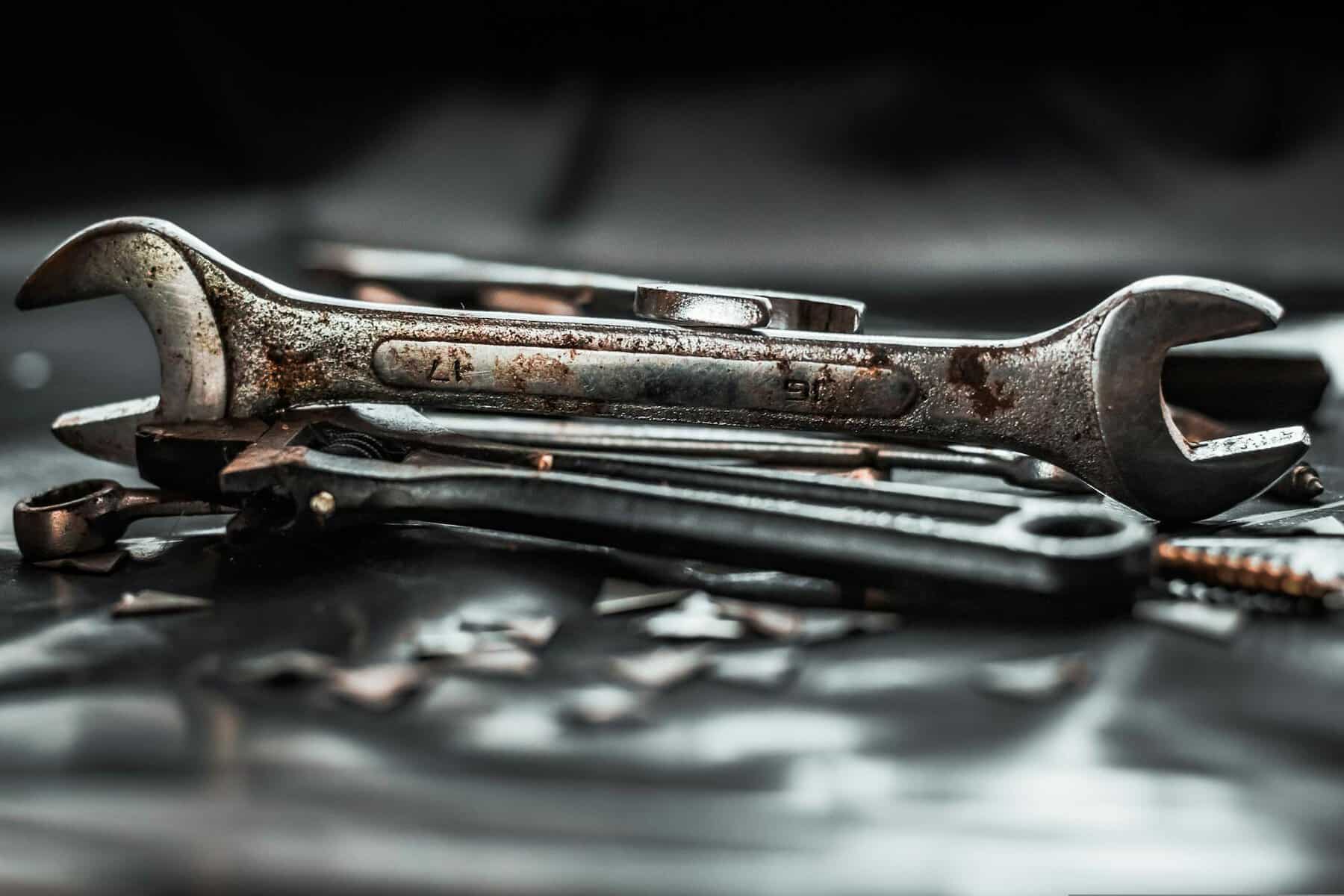
Saltwater quickly damages cheap tools. Standard steel tools can rust after only a short time in a damp locker. Therefore, tool quality matters.
Look for:
Chrome vanadium steel
Corrosion-resistant finish
Rubberised handles
Strong ratchets and hinges
Replaceable bits
Good-quality storage cases
Stainless steel marine tools can reduce rust. However, they are not always the strongest option. In many cases, good-quality corrosion-resistant tools are better if you keep them clean and dry.
After use, wipe tools down and apply a light corrosion inhibitor. As a result, your boat tool kit will last much longer.
Boat Maintenance Tool Kit Checklist
Use this checklist as a practical starting point.
Category
What to Include
Hand tools
Spanners, sockets, screwdrivers, pliers, Allen keys
Cutting tools
Utility knife, side cutters, compact hacksaw
Electrical tools
Multimeter, crimpers, wire strippers, terminals
Fasteners
Screws, nuts, bolts, washers, hose clamps
Repair supplies
Waterproof tape, PTFE tape, sealant, epoxy putty
Safety items
Gloves, torch, eye protection, absorbent pads
Storage
Waterproof case, trays, labelled bags
Protection
Corrosion spray, rags, small brush
This setup will cover many common jobs, including replacing a hose clamp, tightening fittings, checking a bilge pump connection, and securing loose hardware.
How Much Does a Marine Tool Kit Cost?
The cost depends on your yacht size, tool quality, and how much maintenance you plan to do yourself.
Kit Level
Estimated Cost
Best For
Basic boat tool kit
$75–$150
Small boats and light use
Mid-range marine tool kit
$150–$350
Regular yacht maintenance
Advanced yacht tool kit
$350–$800+
Larger yachts and offshore use
Professional repair kit
$800+
Captains, engineers, and refit work
A cheaper kit may be fine for occasional use. However, avoid very low-quality tools for important repairs. Poor crimpers, weak sockets, and cheap screwdrivers can damage fittings or create unreliable electrical connections.
Therefore, spend more on the tools you use most, such as your multimeter, crimpers, screwdrivers, sockets, spanners, and pliers.
DIY vs Professional Repairs
A waterproof marine tool kit is ideal for routine jobs and minor repairs. However, some tasks should still be handled by a qualified marine professional.
Suitable DIY Jobs
Most owners or crew can handle:
Tightening loose fittings
Replacing hose clamps
Cleaning battery terminals
Changing fuses
Basic pump checks
Securing deck hardware
Temporary leak control
Replacing simple fasteners
Call a Marine Professional For
Use a specialist for:
Major electrical faults
Shore power issues
Fuel system repairs
Steering faults
Structural damage
Engine problems
Seacock or through-hull replacement
Gas system repairs
In short, your tool kit helps prevent damage and manage simple faults. However, safety-critical systems should always be checked by a professional if you are unsure.
How to Maintain Your Marine Tool Kit
Your tool kit needs regular checks because tools can rust, tapes can dry out, batteries can fail, and sealants can expire.
Interval
Maintenance Task
Monthly in season
Check for moisture, rust, and missing tools
Every 3 months
Clean tools and apply corrosion protection
Before long trips
Check electrical tools, tapes, sealants, and spares
Annually
Replace damaged tools and expired repair supplies
After heavy use
Dry, clean, and restock the kit
In addition, keep a simple inventory inside the lid. This makes it easier to spot missing tools after a repair.
Where to Store It On Board
Your waterproof marine tool kit should be easy to reach but protected from standing water and heat.
Good storage places include:
Dry locker near the companionway
Dedicated maintenance locker
Engine room shelf on larger yachts
Under-seat locker with ventilation
Workshop area on larger vessels
Avoid storing tools in the bilge, beside wet ropes, under leaking hatches, or close to fuel and chemicals. Even a waterproof case will last longer if it is stored in a dry, ventilated space.
Common Mistakes to Avoid
Buying a Household Tool Kit
A standard household kit will often rust quickly on board. Instead, choose a waterproof marine tool box and corrosion-resistant tools.
Forgetting Electrical Tools
Many boat faults involve batteries, pumps, lights, switches, or wiring. Therefore, a kit without a multimeter and crimpers is incomplete.
Not Carrying Hose Clamps
Spare stainless hose clamps are cheap, small, and extremely useful. Carry several sizes.
Letting the Kit Become Messy
Loose tools waste time. As a result, repairs take longer and tools are easier to lose. Use trays, pouches, and labelled bags so everything has a place.
Ignoring Tool Maintenance
Even waterproof cases need checking. Dry your tools after use, inspect them regularly, and replace damaged items before they fail.
FAQs: Waterproof Marine Tool Kit
What should be in a waterproof marine tool kit?
It should include hand tools, screwdrivers, pliers, sockets, spanners, a multimeter, crimpers, hose clamps, spare fasteners, waterproof tape, marine sealant, epoxy putty, and cable ties.
Is a waterproof marine tool kit worth it?
Yes. It protects tools from salt, spray, and damp storage. As a result, it helps owners and crew complete small repairs before they become expensive problems.
What is the best tool kit for boat owners?
The best tool kit for boat owners includes corrosion-resistant hand tools, marine electrical tools, emergency repair supplies, and a strong waterproof case suited to the size of the boat.
How often should I check my boat tool kit?
Check it monthly during the season and before longer passages. Also check it after heavy use, especially if tools were exposed to saltwater.
Do I need stainless steel marine tools?
Stainless steel tools can help reduce rust. However, quality corrosion-resistant tools are often enough if they are stored properly, kept dry, and protected with a light corrosion inhibitor.
Summary
A waterproof marine tool kit is one of the most useful items you can keep on board. It helps with routine yacht maintenance, small repairs, emergency fixes, and preventative care.
Start with a strong waterproof case, reliable hand tools, marine electrical tools, spare clamps, tapes, sealants, and repair supplies. Then check the kit regularly so it is ready when you need it.
For the next step, build your tool kit around the jobs you actually do on board. After that, connect it with a wider maintenance plan using TYMH guides on marine electrical tools, essential boat tools, and yearly yacht maintenance.
Join the newsletter for practical yacht maintenance advice, new guide releases, downloadable resources, product recommendations and seasonal reminders designed to help owners, captains and crew make better maintenance decisions onboard. As TYMH grows, subscribers will also get early access to new checklists, maintenance resources, recommended products and exclusive offers or discounts from selected marine brands.
Success
Thank you for signing up to receive updates from The Yacht Maintenance Hub.
Blog / The Complete Waterproof Marine Tool Kit for Yacht Owners
We track how people interact with our online web content and resources, and some of that tracking involves storing cookies on your device. By continuing to use our site you accept that you agree to this. For more details see our Privacy Statement.
 310
310
310
310