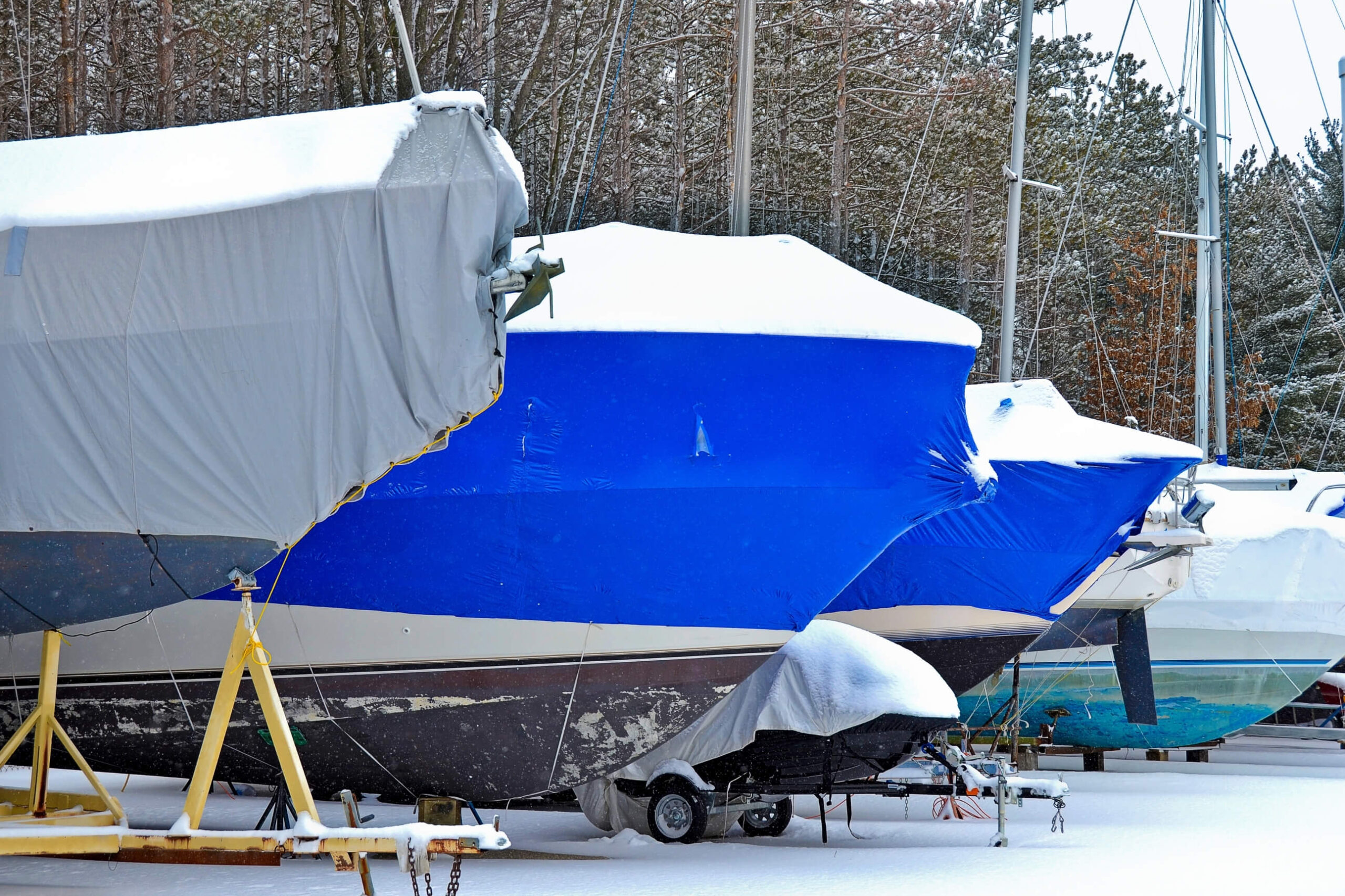
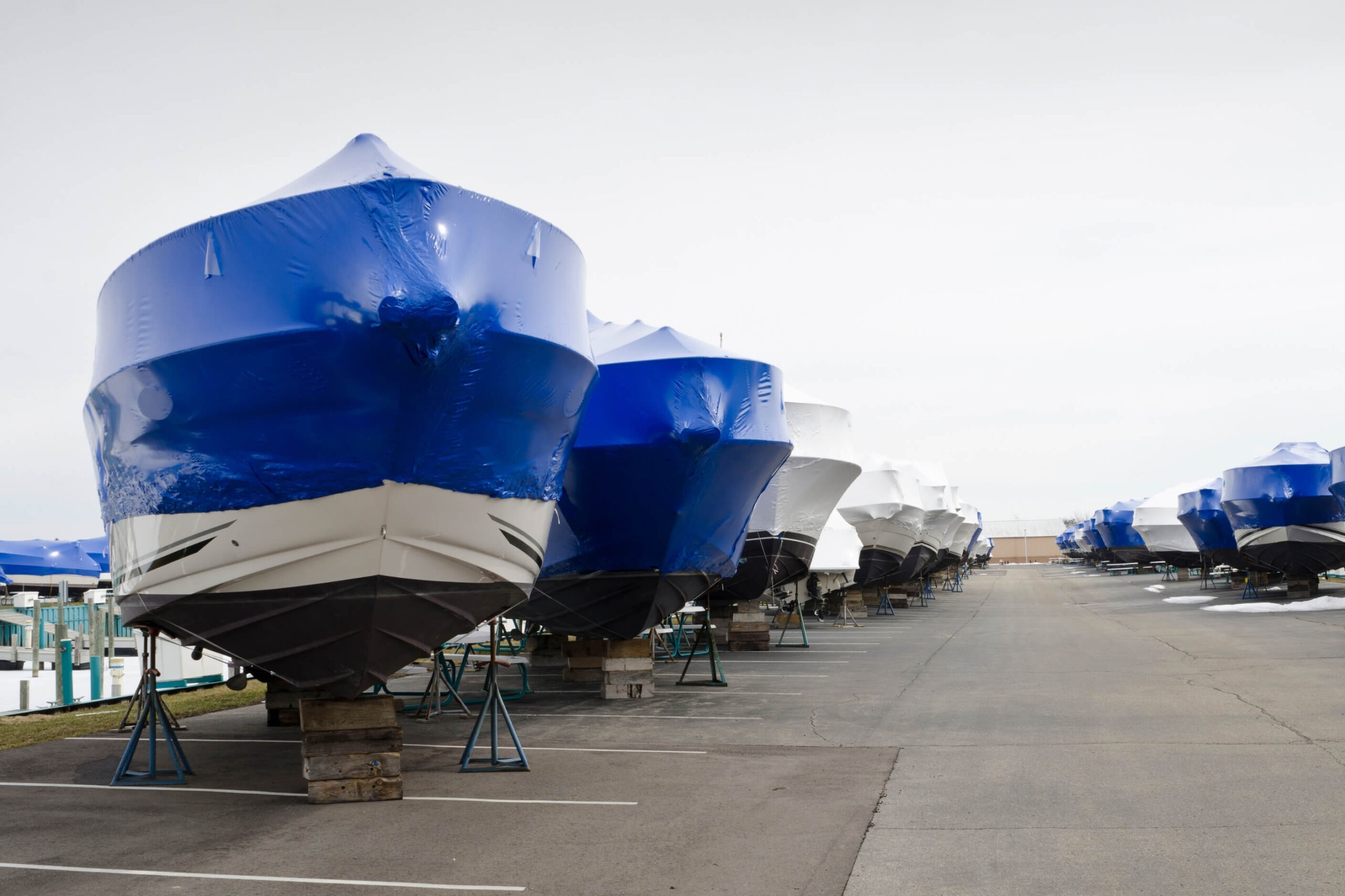
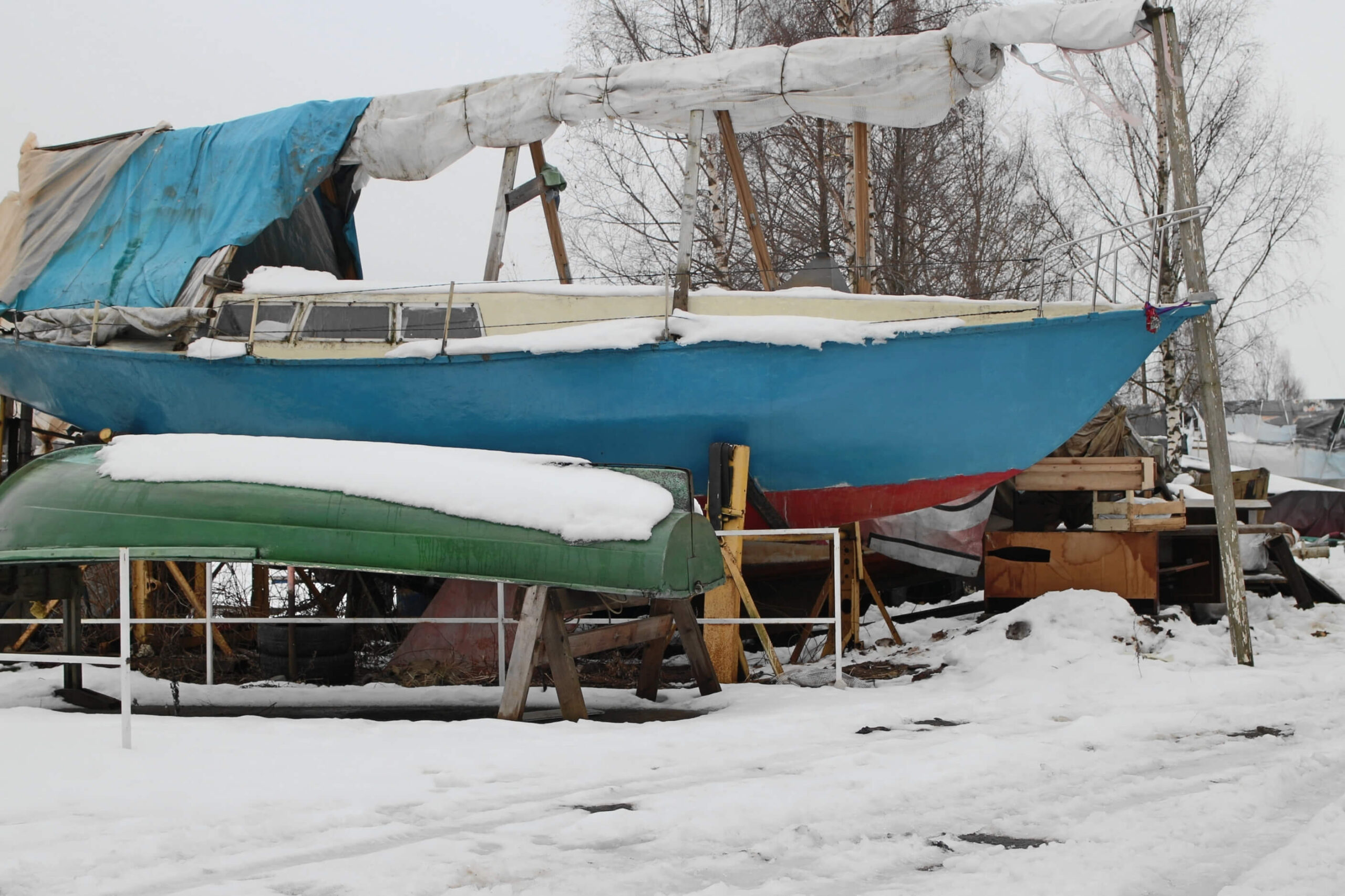
Winter can be one of the most damaging times of year for a boat. Freezing water, damp cabins, flat batteries, stale fuel, corrosion, mould, and poor storage preparation can all turn a simple lay-up into an expensive spring repair list.
That is why a clear Boat Winterization Checklist is so useful. Instead of guessing what needs doing, you can work through the boat system by system and make sure the engine, plumbing, batteries, hull, deck gear, and interior are properly prepared before the cold weather arrives.
This guide gives you a practical overview of the main boat winterization tasks owners and crew should consider. However, for the full step-by-step version, use the complete TYMH winterization resource as your working checklist before storage.
Some links on this page are affiliate links. This means The Yacht Maintenance Hub may earn a commission if you click through and make a purchase, at no extra cost to you. We only recommend products, tools and marine suppliers that we believe are useful for yacht owners, captains, crew and marine professionals.
This post is all about Boat Winterization Checklists!
Quick Answer: What Should Be on a Boat Winterization Checklist?
A good boat winterization checklist should cover the engine, fuel system, plumbing, batteries, bilge, hull, deck gear, interior, safety equipment, and storage setup. The aim is to prevent freezing damage, corrosion, mould, flat batteries, fuel problems, and avoidable maintenance issues before the boat is left for winter.
Why Boat Winterization Matters
Winterizing a boat is not just about covering it and walking away. Instead, it is about removing or reducing the common risks that affect boats during long periods of inactivity.
The biggest winter risks include:
Water freezing inside engines, pumps, pipes, and tanks
Batteries discharging or becoming damaged
Fuel degrading during storage
Damp causing mould, smells, and upholstery damage
Corrosion on metal fittings, engines, terminals, and deck hardware
Bilges holding dirty water, oil, or moisture
Covers failing and allowing rainwater into the boat
Because of this, a proper boat winter storage checklist should be completed before the boat is left unattended for long periods.
When Should You Winterize a Boat?
Most owners should start winterizing before the first hard frost, not after it. Ideally, plan your winter boat maintenance checklist at the end of the boating season while the weather is still workable.
As a general rule:
Task
Best Time to Do It
Engine winterization
Before freezing temperatures arrive
Fuel treatment
Before final run or storage
Freshwater system draining
Before frost risk
Battery care
Before long-term lay-up
Deep cleaning
Before damp winter storage
Cover inspection
Before heavy rain and wind
If your boat is stored in a mild climate, you may not need the same level of antifreeze protection. However, you should still follow a basic boat layup checklist to reduce corrosion, damp, battery issues, and system deterioration.
Boat Winterization Checklist Overview
Every boat is different, but most winterization tasks fall into the same core areas. The full TYMH resource breaks these down in detail, but the overview below gives you the main areas to check.
1. Engine and Cooling System
The engine is one of the most important parts of any boat engine winterization checklist. If water is left inside the cooling system in freezing conditions, it can expand and cause serious damage.
Typical checks include:
Flush the engine with fresh water
Add suitable marine antifreeze where required
Change or inspect engine oil
Check coolant levels on closed cooling systems
Inspect belts, hoses, clips, and leaks
Check raw water strainers
Inspect the impeller if due
Run the engine as recommended before lay-up
For inboard engines, the inboard boat winterization checklist should also include checks around shaft seals, seacocks, exhaust systems, and engine room bilges.
For outboards, an outboard motor winterization checklist usually includes flushing, fuel stabilisation, draining water, checking gear oil, greasing moving points, and storing the engine in the correct position.
If you are unsure how your engine cooling system works, get a qualified marine engineer involved. Mistakes with marine engine winterization can be expensive.
2. Fuel System
Fuel can degrade during storage. In addition, condensation can form inside tanks, especially if the boat is left for months.
Before winter storage, consider:
Filling or managing the tank according to your setup
Adding a suitable fuel stabiliser
Running treated fuel through the system
Checking fuel filters and water separators
Looking for leaks, cracked hoses, or poor clamps
This is a simple part of boat winterization steps, but it can prevent starting problems when the boat is recommissioned.
3. Freshwater and Plumbing Systems
The boat plumbing winterization stage is easy to overlook. However, water trapped in pipes, pumps, taps, showers, and heads can freeze and split fittings.
Your checklist should include:
Drain freshwater tanks where needed
Drain or protect pumps and pipework
Open taps and showers
Protect toilets and holding tank systems
Check shower sumps and grey water lines
Use correct non-toxic marine antifreeze where appropriate
Never use the wrong antifreeze in freshwater systems. For potable water systems, only use products designed for that purpose.
4. Batteries and Electrical Systems
Good boat battery winter storage reduces the chance of flat, damaged, or unreliable batteries in spring.
Before laying the boat up:
Fully charge batteries
Clean and inspect terminals
Check for corrosion
Switch off non-essential loads
Use a smart charger if suitable
Confirm bilge pumps still have power if the boat remains afloat
If the boat is ashore and unattended, check whether batteries should be left onboard, isolated, or removed. This depends on the boat, storage location, charger setup, and bilge pump requirements.
Tools and Products You May Need
A DIY boat winterization job is easier when you have the right supplies ready before you start.
Item
Used For
Marine antifreeze
Protecting selected water systems
Fuel stabiliser
Reducing fuel degradation
Engine flush kit
Flushing outboards or raw water systems
Battery charger
Maintaining battery health
Moisture absorbers
Reducing damp inside cabins
Bilge cleaner
Cleaning dirty bilge areas before storage
Grease/lubricant
Protecting moving parts
Boat cover or frame
Keeping rain, debris, and UV off the boat
When choosing products, always check compatibility with your boat, engine type, plumbing materials, and manufacturer guidance.
Many owners can complete basic winter preparation themselves. For example, cleaning, battery checks, covering, moisture control, and visual inspections are usually manageable with basic tools.
However, some jobs are better handled by a marine professional, especially if they involve:
Diesel engine winterization
Inboard cooling systems
Seacocks and through-hulls
Complex plumbing systems
Generator winterization
Air conditioning systems
Fuel system faults
Electrical charging issues
A good approach is to handle the simple checks yourself, then bring in a marine engineer for technical systems. This keeps costs under control while reducing the risk of expensive mistakes.
How Much Does Boat Winterization Cost?
The cost depends on boat size, engine type, systems onboard, location, and whether you do the work yourself.
Winterization Type
Typical Cost Level
Basic DIY winter prep
Low
Outboard winterization
Low to moderate
Inboard engine winterization
Moderate
Full boatyard winterization
Moderate to high
Yacht winterization with multiple systems
High
A small boat with an outboard may only need basic supplies and a few hours of work. However, a larger yacht with engines, generator, freshwater system, heads, air conditioning, batteries, and covers will need a more detailed boat winterization guide.
Common Winterization Mistakes to Avoid
Leaving Water in the System
Water left in engines, pumps, pipes, strainers, or shower sumps can freeze and cause damage. Therefore, draining and protecting water systems should be a priority.
Forgetting the Bilge
Dirty bilges hold moisture, oil, salt, and odours. Clean and dry the bilge before storage so problems do not sit there all winter.
Ignoring Batteries
A flat battery in spring is common. However, it is often preventable with proper charging, isolation, and inspection.
Using the Wrong Antifreeze
Not all antifreeze is suitable for marine systems. More importantly, potable water systems need non-toxic products designed for that use.
Poor Ventilation
A sealed-up boat with damp inside can develop mould quickly. Use ventilation, moisture absorbers, and dry soft furnishings where possible.
Not Checking the Cover
A winter cover that leaks, sags, or rubs can cause serious damage. Check support, tension, tie-downs, chafe points, and water run-off.
Practical Winter Storage Tips for Owners and Crew
Before leaving the boat, walk around slowly and think about what could happen while nobody is onboard.
Ask yourself:
Can rainwater drain properly?
Are bilges clean and dry?
Are batteries safe and managed?
Are seacocks in the correct position?
Is the cover secure?
Is the interior dry and ventilated?
Are valuables, flares, and removable electronics stored safely?
Is the boatyard or marina aware of any special checks?
Also, take photos of key systems before leaving the boat. This helps you remember how things were set up and gives you a useful reference if anything changes over winter.
What is the most important part of a boat winterization checklist?
The most important areas are the engine, cooling system, freshwater plumbing, batteries, fuel system, bilge, and cover setup. These are the areas most likely to cause costly problems if ignored.
Can I winterize my boat myself?
Yes, many owners can complete basic DIY boat winterization tasks. However, engines, generators, plumbing systems, and technical equipment should be handled by a qualified marine professional if you are unsure.
Do I need antifreeze to winterize a boat?
In freezing climates, boat antifreeze winterization may be needed for certain engines, plumbing systems, toilets, pumps, and water lines. Always use the correct marine-safe product for the system.
Should I leave my boat fuel tank full over winter?
This depends on the boat, fuel type, tank material, and storage conditions. Many owners use fuel stabiliser and manage tank levels to reduce condensation and fuel degradation. Follow your engine and fuel system guidance.
What happens if I do not winterize my boat?
If you do not winterize your boat, you risk freeze damage, corrosion, flat batteries, mould, fuel problems, leaks, and expensive spring repairs. Even in mild climates, a basic boat winter storage preparation routine is still recommended.
Summary
A proper Boat Winterization Checklist helps protect your boat before the worst winter conditions arrive. By checking the engine, fuel, plumbing, batteries, bilges, covers, and interior early, you reduce the risk of avoidable damage and make spring recommissioning much easier.
Join the newsletter for practical yacht maintenance advice, new guide releases, downloadable resources, product recommendations and seasonal reminders designed to help owners, captains and crew make better maintenance decisions onboard. As TYMH grows, subscribers will also get early access to new checklists, maintenance resources, recommended products and exclusive offers or discounts from selected marine brands.
Success
Thank you for signing up to receive updates from The Yacht Maintenance Hub.
Blog / Boat Winterization Checklist: The Smart Owner’s Pre-Winter Guide
We track how people interact with our online web content and resources, and some of that tracking involves storing cookies on your device. By continuing to use our site you accept that you agree to this. For more details see our Privacy Statement.
 310
310
310
310