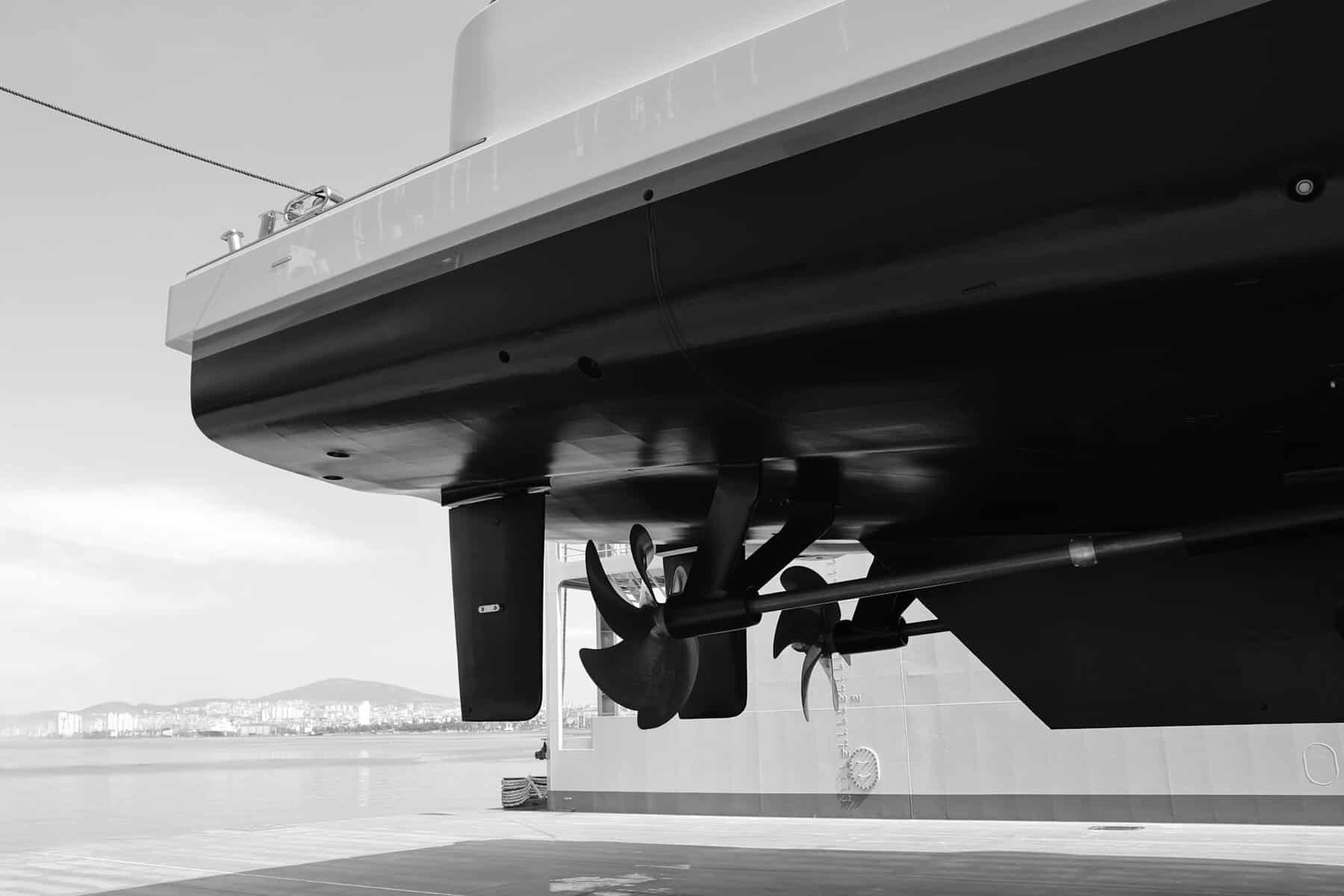
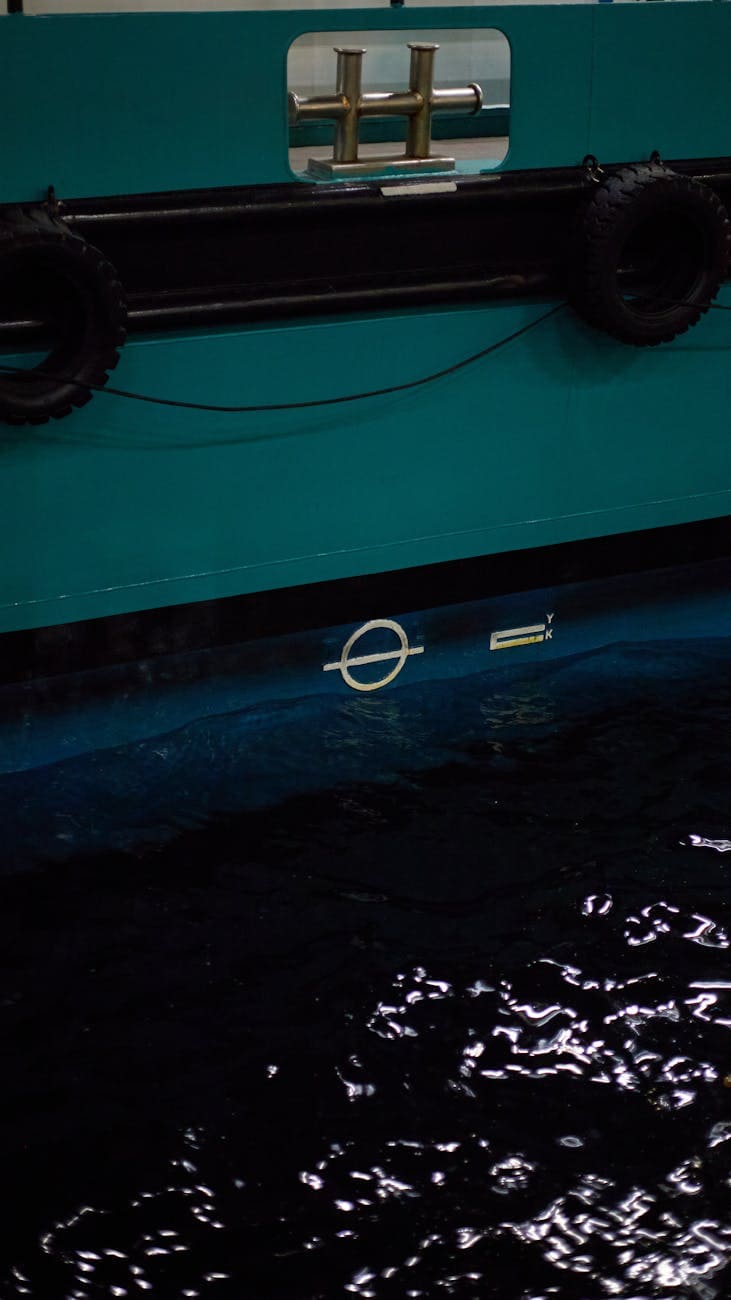
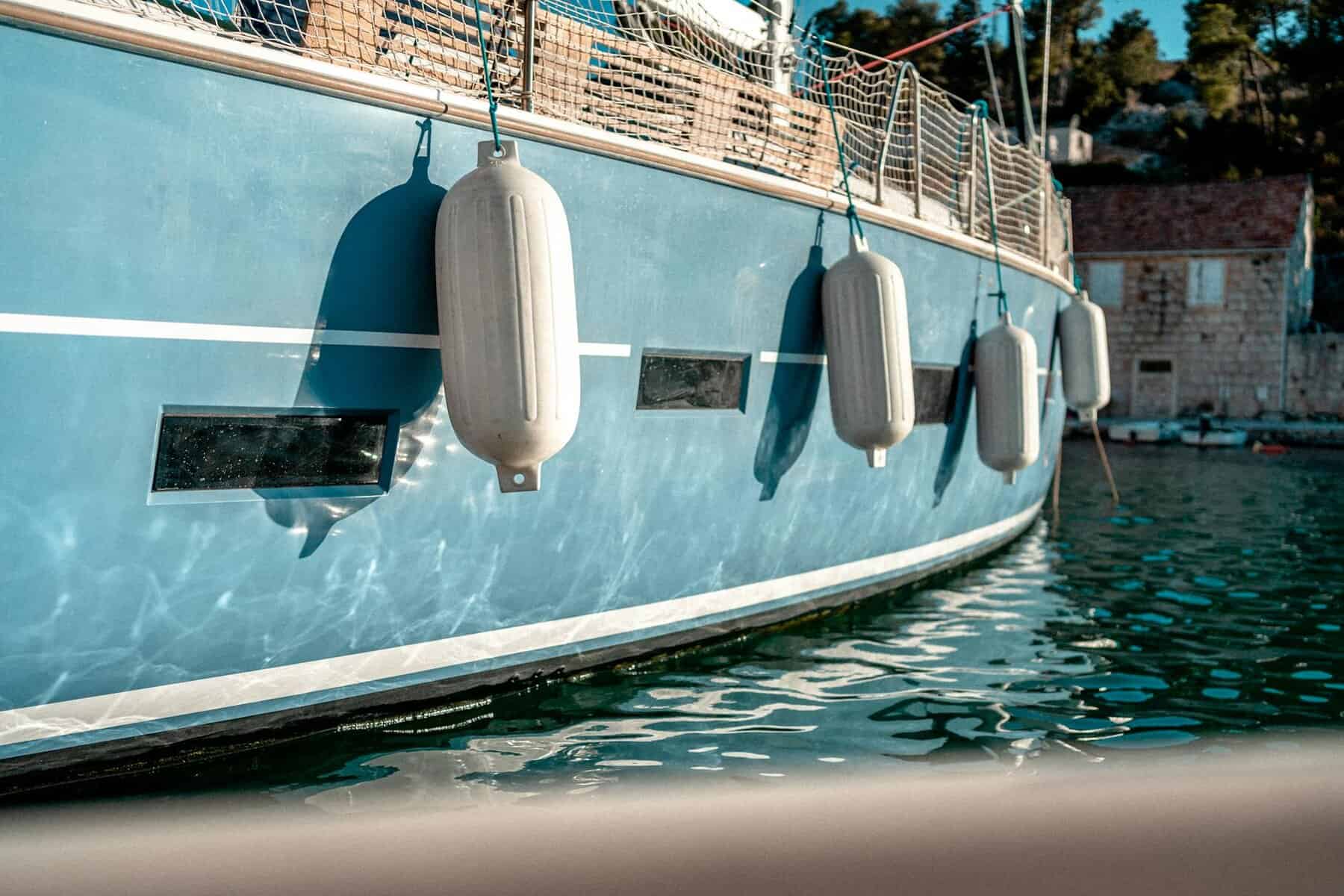
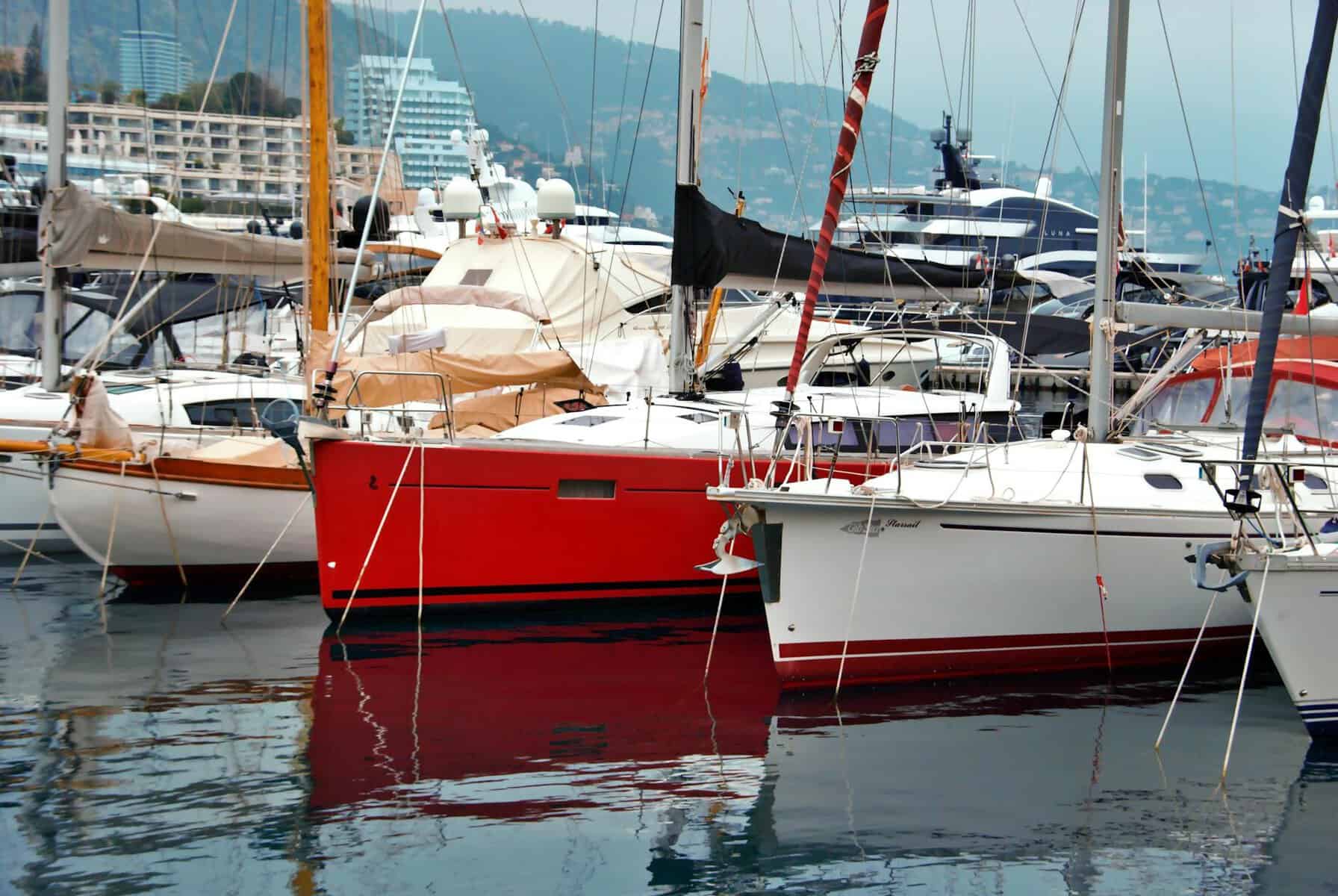
Antifouling paints are one of the most important yet often overlooked aspects of yacht maintenance. From the moment a vessel enters the water, marine growth begins to form. As a result, even a clean-looking hull can quickly develop slime, algae, and barnacles that reduce performance and increase fuel consumption.
For yacht owners and crew, this isn’t just a cosmetic issue. Instead, it directly affects efficiency, operating costs, and long-term hull condition. Therefore, choosing the right antifouling system—and applying it correctly—plays a major role in preventative maintenance planning.
However, with so many options available, many boat owners struggle to understand which product truly offers the best protection. In this guide, we break down how antifouling paints work, how to choose the right one, and compare five of the most trusted options based on performance, durability, and value.
This post is all about Antifouling Paints!
Quick Answer: What Are the Best Antifouling Paints for Boats?
The best antifouling paints depend on how and where you use your boat. In most cases, self-polishing paints like International Micron 350 or Hempel systems work well for cruising yachts, while hard coatings from Interlux or long-life systems like Coppercoat suit specific use cases and maintenance strategies.
What Are Antifouling Paints and Why Do They Matter?
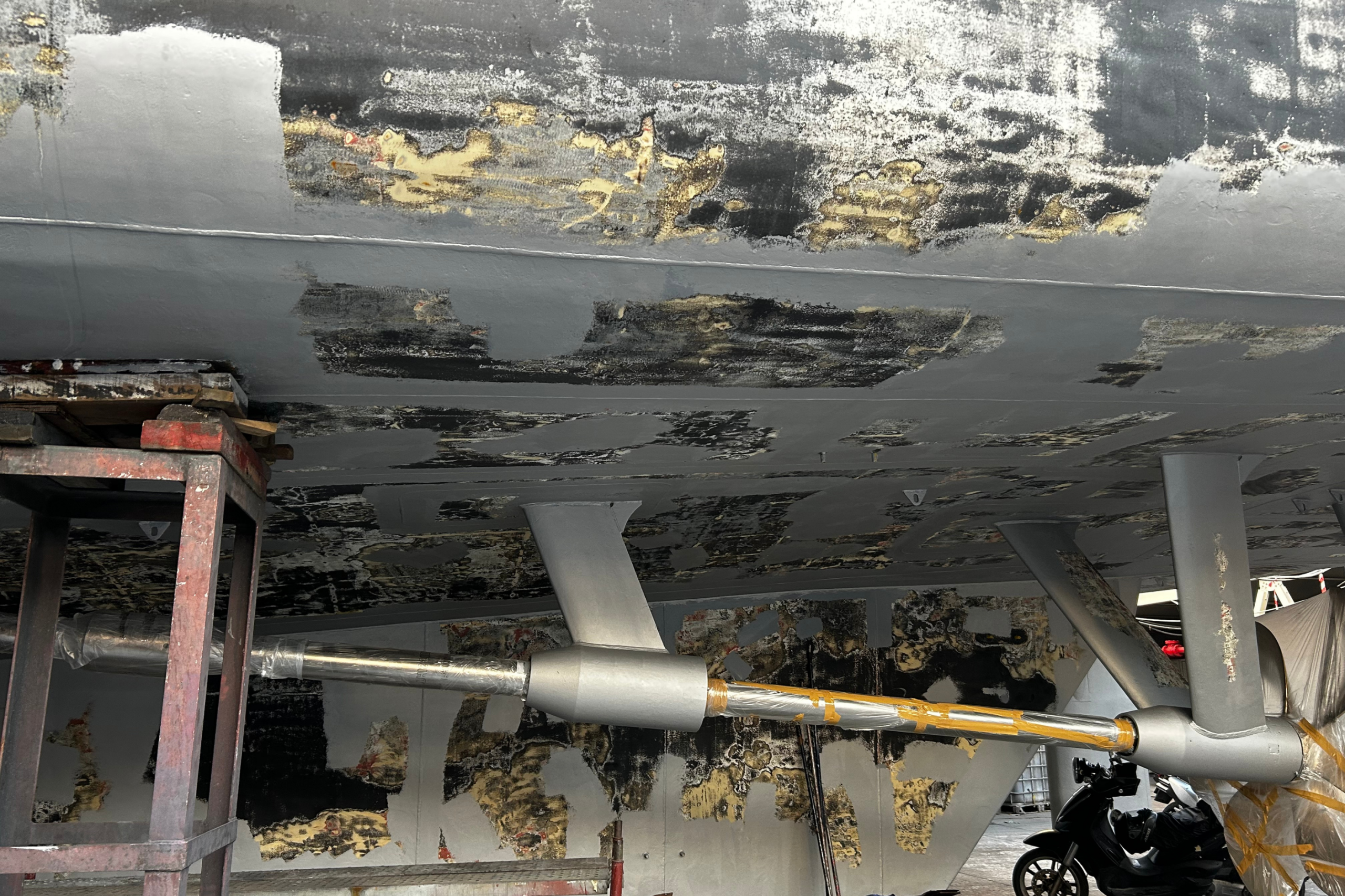
Antifouling paints are specialised coatings designed to prevent marine organisms from attaching to a boat’s hull. Without them, fouling begins quickly. In fact, in warm waters, growth can appear within weeks.
As fouling builds, drag increases. Consequently, fuel efficiency drops, and engine load rises. Over time, this leads to higher running costs and reduced performance. Therefore, antifouling paints are essential not only for cleanliness but also for protecting your vessel’s efficiency and longevity.
Antifouling Paint Types Explained
Before comparing brands, it is important to understand the different types of antifouling paints. Although many products appear similar, they behave very differently in the water.
Self-Polishing Antifouling Paints
Self-polishing paints gradually wear away as the boat moves. As a result, fresh biocide is continuously exposed, which keeps the coating effective over time.
Therefore, they are ideal for:
Regularly used yachts
Cruising vessels
Boats operating in high-fouling areas
Hard Antifouling Paints
In contrast, hard antifouling paints create a durable outer layer that does not wear away easily. Instead, they release biocide more slowly.
As a result, they are better suited for:
High-speed vessels
Racing yachts
Boats that undergo regular cleaning
Epoxy-Based Antifouling Systems
Meanwhile, epoxy-based systems like Coppercoat work differently. Rather than wearing away, they rely on exposed copper within a hard matrix.
Because of this, they can last significantly longer than traditional paints. However, they require careful application and maintenance.
Hempel antifouling paints are widely used due to their balance between performance and cost.
Best for: Owners seeking dependable performance without premium pricing
Why it stands out: These paints offer consistent fouling protection while remaining cost-effective. As a result, they are popular across both private and commercial vessels.
Key advantage: Strong value for money
Consequently, Hempel is a solid choice in any antifouling paint brands comparison.
How to Choose the Right Antifouling Paint for Your Boat
Choosing the right antifouling paint depends on several factors. Therefore, a one-size-fits-all approach rarely works.
Consider How You Use Your Boat
If you use your boat regularly, self-polishing paints perform better. However, if it sits idle, a different system may be more effective.
Consider Your Operating Environment
Warm and nutrient-rich waters increase fouling pressure. Therefore, selecting the best antifouling paint for saltwater boats requires careful consideration.
Consider Maintenance Planning
You should also think about:
How long does antifouling paint last in your area?
How often should you antifoul a boat?
In most cases, annual antifouling is recommended. However, some systems extend this interval.
Consider Long-Term Costs
Although some paints are cheaper upfront, they may require more frequent reapplication. Therefore, it is important to consider overall lifecycle cost.
How to Apply Antifouling Paint Properly
Even the top rated antifouling paint will fail if applied incorrectly. Therefore, preparation and technique are critical.
It depends on usage, environment, and maintenance schedule. Self-polishing paints suit most cruising yachts.
How many coats of antifouling paint should I apply?
Typically, 2–3 coats are recommended, with extra on high-wear areas.
Can antifouling paint be applied over old paint?
Yes, but only if the coatings are compatible and in good condition.
What is the difference between ablative and hard antifouling paint?
Ablative paint wears away over time, while hard paint remains intact.
What happens if antifouling paint fails?
Marine growth builds quickly, reducing performance and increasing fuel consumption.
Summary
Choosing the right antifouling paints is essential for maintaining performance, reducing fuel costs, and protecting your yacht. While brands like International, Hempel, Interlux, Jotun, and Coppercoat all offer strong solutions, the best choice depends on how you use your boat and where you operate it.
Ultimately, by understanding paint types, applying them correctly, and maintaining a consistent schedule, yacht owners can significantly improve efficiency and reduce long-term costs.
Join the newsletter for practical yacht maintenance advice, new guide releases, downloadable resources, product recommendations and seasonal reminders designed to help owners, captains and crew make better maintenance decisions onboard. As TYMH grows, subscribers will also get early access to new checklists, maintenance resources, recommended products and exclusive offers or discounts from selected marine brands.
Success
Thank you for signing up to receive updates from The Yacht Maintenance Hub.
Blog / Best Antifouling Paint Types for Boats: Costs, Uses & Buying Guide
We track how people interact with our online web content and resources, and some of that tracking involves storing cookies on your device. By continuing to use our site you accept that you agree to this. For more details see our Privacy Statement.
 310
310
310
310