← all Content & Guides
Rust stains are one of the most common cosmetic issues yacht owners face. However, whether it’s streaks running down from stainless fittings or stubborn marks along the waterline, they quickly make an otherwise well-maintained vessel look neglected.
Moreover, rust stains are more than just a visual problem. If ignored, they often indicate underlying corrosion issues, poor maintenance routines, or contamination from deck hardware. That’s why understanding how to deal with them properly is essential.
In this guide, we’ll break down everything you need to know about rust stain removers, including how they work, the best application methods, and how to prevent stains from returning. Additionally, you’ll learn practical, professional-level techniques used across the yachting industry.
This post is all about Rust Stain Removers!
Quick Answer: How Do You Remove Rust Stains from a Boat?
The most effective way to remove rust stains is by using a dedicated rust stain removers product—typically an oxalic or acid-based cleaner—applied directly to the affected area, allowed to dwell, and then rinsed thoroughly. Importantly, always use proper PPE and select the correct product for gelcoat, stainless steel, or painted surfaces to avoid damage.
What Causes Rust Stains on Boats?
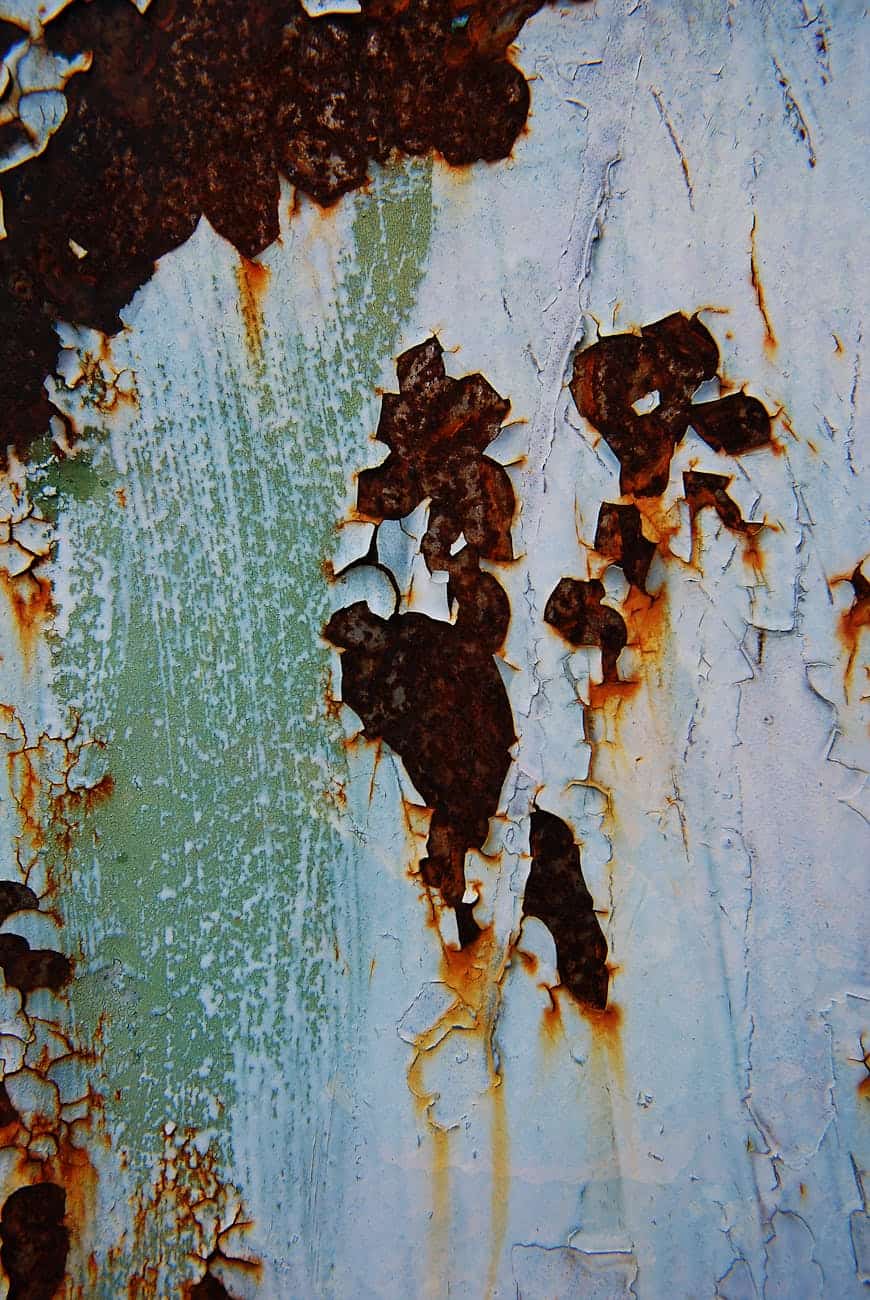
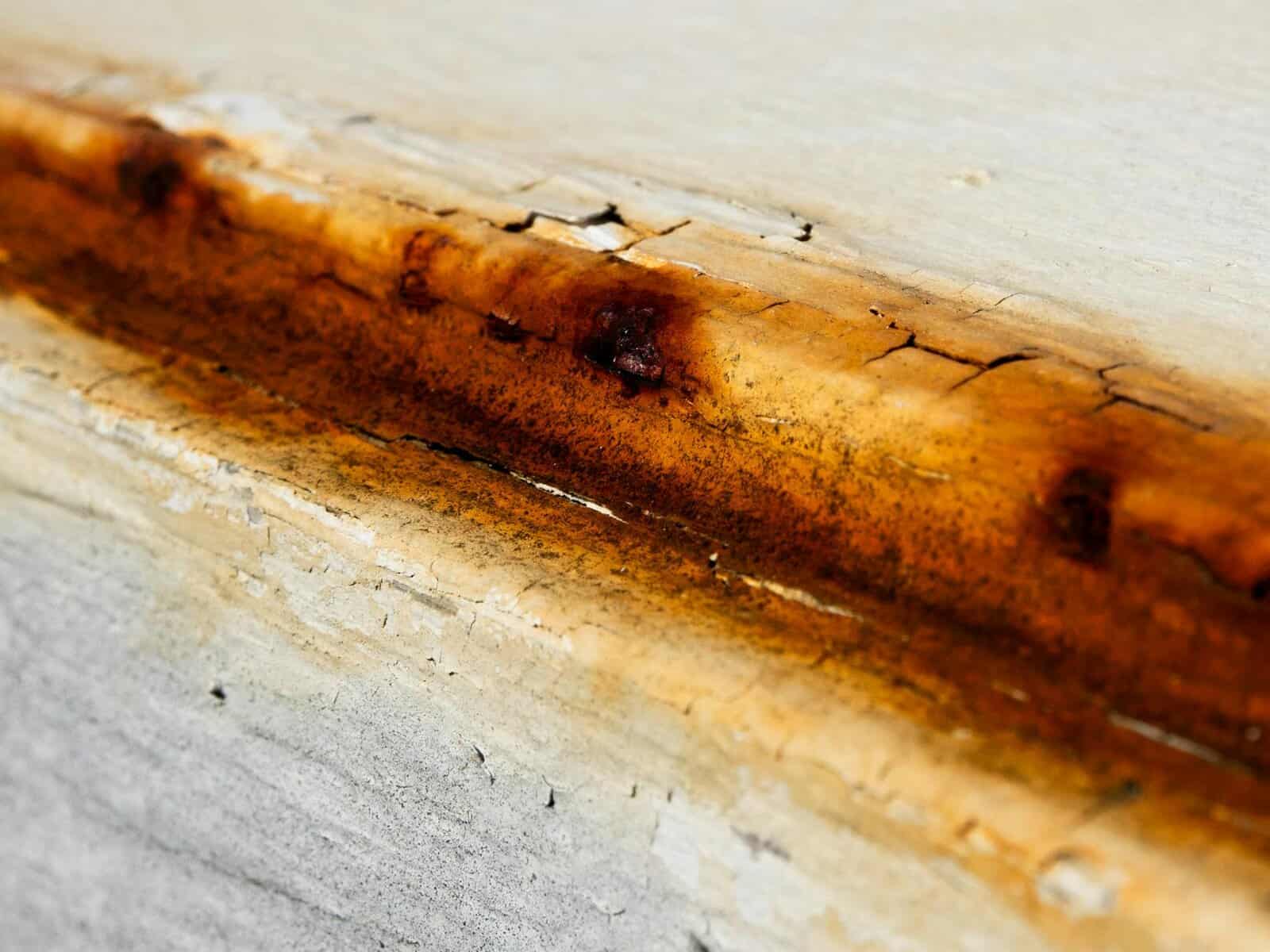
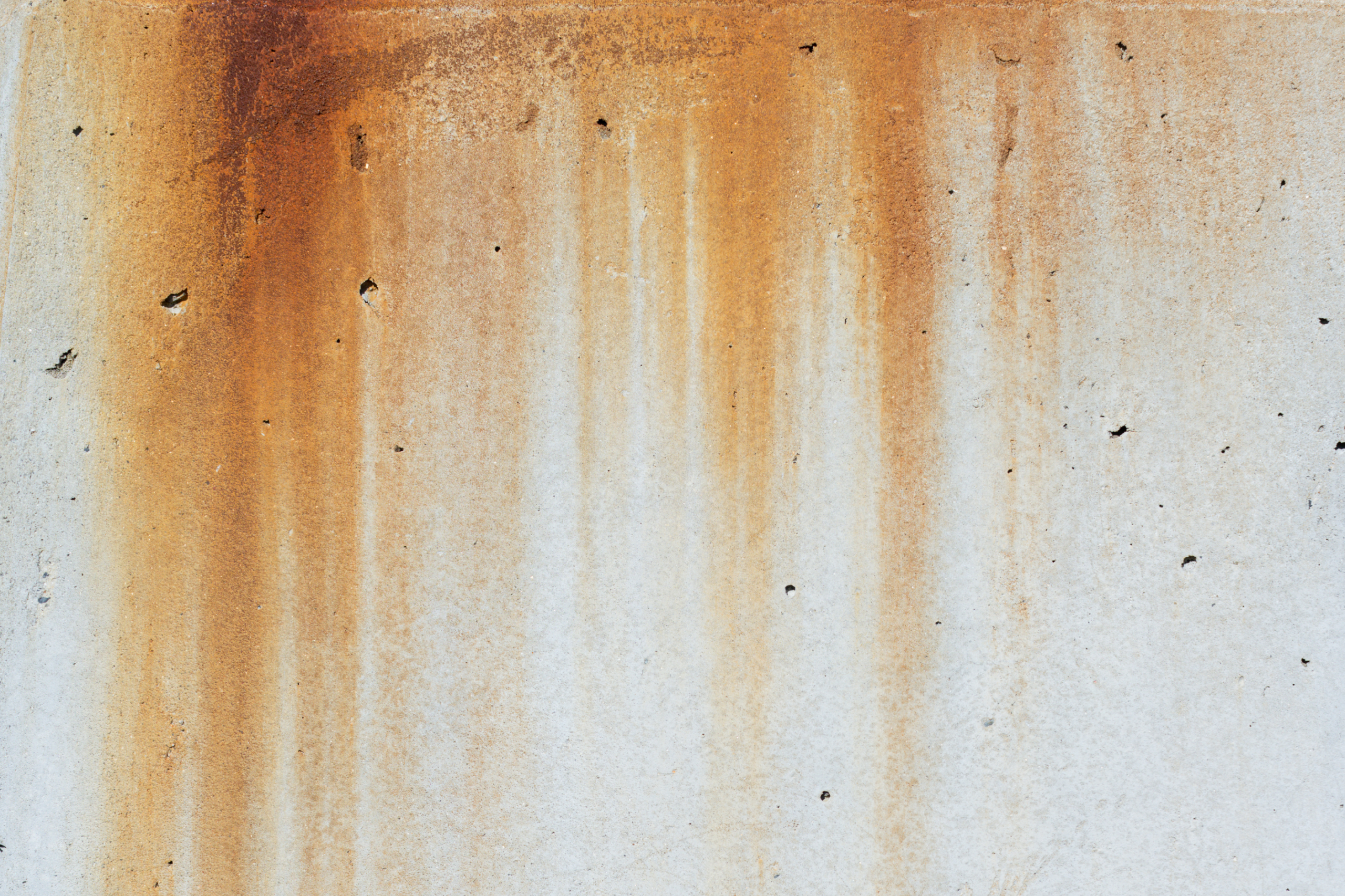
Rust stains typically appear as orange or brown streaks and are most often seen on hull sides, decks, and around fittings. Understanding the cause is the first step in effective boat rust stain removal.
Common Sources of Rust on Yachts
- Stainless steel fittings shedding particles
- Anchor chains and deck hardware
- Contaminated wash water
- Nearby metalwork or tools left on deck
Even high-quality stainless steel can produce staining under certain conditions. In addition, saltwater accelerates oxidation, especially when surface contamination is present.
Why Rust Stains Appear on Fiberglass and Gelcoat
Although fiberglass doesn’t rust, it is porous at a microscopic level. This allows iron particles to embed and oxidize, leading to visible rust stains on fiberglass boat surfaces. Consequently, timely removal is critical to prevent permanent staining.
Why Rust Stain Removal Matters
Many owners delay addressing rust stains, assuming they are purely cosmetic. However, they often signal early-stage corrosion or poor maintenance routines.
Firstly, persistent stains can permanently discolour gelcoat if left untreated. Secondly, they may indicate failing hardware or inferior stainless components. Therefore, consistent rust removal from yacht surfaces protects both appearance and long-term value.
Types of Rust Stain Removers and How They Work
Choosing the right product is critical. Notably, not all marine cleaning products for rust stains are suitable for every surface.
Oxalic Acid-Based Cleaners
An oxalic acid rust remover boat product is one of the most widely used solutions. Essentially, it works by chemically dissolving iron oxide without aggressively attacking gelcoat.
These are ideal for:
- waterline rust stain removal
- Light to moderate hull staining
- Routine maintenance cleaning
Acid-Based Marine Cleaners
An acid-based rust remover marine cleaner typically uses stronger acids like hydrochloric or phosphoric acid. As a result, they are more aggressive and should be used carefully.
They are best for:
- Heavy rust streaks on boat hull
- Deep-set stains
- Commercial or neglected vessels
However, they require strict PPE and careful rinsing to avoid surface damage.
Eco-Friendly Alternatives
Many owners now prefer an eco-friendly rust stain remover boat solution. While they reduce environmental impact, they still offer reasonable performance.
They are suitable for:
- Light stains
- Frequent cleaning routines
- Sensitive marina environments
Step-by-Step: How to Remove Rust Stains from a Boat
Knowing how to remove rust stains from a boat hull properly ensures effective results without damaging surfaces.
Preparation
Before starting:
- Rinse the area with fresh water
- Identify the surface (gelcoat, paint, metal)
- Select the correct boat stain remover
Additionally, always wear gloves and eye protection.
Application Process
- Apply the marine rust stain remover directly to the stain
- Allow it to sit (usually 2–5 minutes)
- Observe the stain dissolving
- Lightly agitate if necessary (non-abrasive pad)
- Rinse thoroughly with fresh water
For example, for stubborn stains, repeat rather than over-applying.
Special Considerations for Gelcoat
When working to remove rust stains from gelcoat, avoid abrasive scrubbing. Instead, rely on chemical action to lift the stain.
Removing Rust from Different Yacht Surfaces
Each material requires a slightly different approach. Consequently, understanding your surface type is crucial.
Fiberglass and Hull Sides
For fiberglass stain removal boat applications:
- Use oxalic-based products first
- Work in small sections
- Avoid drying product on surface
Stainless Steel Fittings
To remove rust from stainless steel boat fittings:
- Use a dedicated stainless cleaner
- Follow with polishing
- Inspect for pitting or corrosion
Decks and Non-Skid Areas
When tackling how to clean rust stains off boat deck surfaces:
- Use soft brushes for non-skid
- Avoid harsh acids that can degrade texture
Best Rust Stain Remover Products (Marine Industry Favourites)
When selecting the best rust remover for boats, professionals often rely on proven brands:
In addition, these products are widely used in both private and commercial yacht maintenance.
Safety and PPE When Using Rust Stain Removers
Safety should never be overlooked when working with Rust Stain Removers.
Essential PPE
- Nitrile or chemical-resistant gloves
- Eye protection
- Protective clothing
- Respirator (for strong acid products)
Safe Working Practices
Always work in ventilated areas. Furthermore, avoid mixing chemicals, as this can produce dangerous fumes. Rinse all runoff responsibly, especially in marinas.
Preventing Rust Stains on Boats
Prevention reduces the need for frequent boat rust stain removal.
Routine Maintenance Tips
- Rinse stainless fittings regularly
- Dry metal surfaces after washing
- Inspect hardware for corrosion
- Apply protective coatings
These steps help prevent rust stains on boat surfaces before they develop.
Protective Products
Using sealants or wax coatings creates a barrier that reduces staining. This is particularly effective along the waterline.
DIY vs Professional Rust Removal
Many owners consider DIY rust stain remover for boats solutions. While effective for light staining, they often lack consistency for larger areas.
Professional services, on the other hand, offer:
- Faster results
- Reduced risk of damage
- Better long-term finish
That said, most routine rust removal tasks can be handled onboard with the right products and techniques.
Common Mistakes to Avoid
Rust stain removal seems straightforward, yet several common mistakes can cause damage.
Scrubbing aggressively damages gelcoat and spreads contamination.
Letting Chemicals Dry
Allowing product to dry can leave marks or cause surface etching.
Using the Wrong Product
Not all cleaners suit every surface. Therefore, always match the product to the material.
Ignoring the Source of Rust
Cleaning without addressing the cause leads to recurring stains.
Practical Maintenance Insights
Rust stains often provide early warning signs. By performing regular inspections, owners can identify:
- Failing stainless fittings
- Water contamination issues
- Poor drainage areas
By addressing these early, owners can avoid costly repairs and maintain a higher standard of vessel care.
FAQ: Rust Stain Removers
What is the best product for removing rust stains from boats? The best rust remover for boats depends on the surface, but oxalic acid-based cleaners are widely recommended for gelcoat and fiberglass.
Can rust stain removers damage gelcoat? Yes, especially strong acids. Always choose products designed for marine use and follow instructions carefully when you remove rust stains from gelcoat.
How often should I remove rust stains from my boat? Light cleaning can be done monthly, while deeper treatments depend on exposure and usage conditions.
Are eco-friendly rust removers effective? An eco-friendly rust stain remover boat option works well for light stains and routine maintenance, though it may require repeated applications.
What causes rust streaks on boat hulls? Rust streaks on boat hull surfaces usually come from stainless fittings, anchor chains, or metal contamination.
Summary
Rust stains are a routine part of yacht ownership, but they should never be ignored. With the right rust stain removers, proper techniques, and consistent maintenance, you can keep your vessel looking sharp while protecting its surfaces.
More importantly, understanding the cause of rust stains allows you to prevent them altogether. Therefore, smart maintenance routines make the biggest difference in preserving your yacht’s value and appearance.
 310
310
310
310