The Yacht Maintenance Hub, The resource for Yacht Maintenance & Repairs310310
7 July 2026 | Read it in 11 minutes
Written by Archie Wilson
Archie Wilson is a commercially endorsed Yachtmaster Offshore, experienced Bosun, yacht crew member and founder of The Yacht Maintenance Hub. His background spans superyachts, private motor yachts, chase boats and sailing yachts, with hands-on experience in maintenance, refit work, boat building, deck operations and basic engineering. Having also lived aboard sailing yachts and helped smaller boat owners manage their own maintenance, Archie created TYMH to share practical guidance grounded in real onboard experience.
A dirty bilge is easy to ignore, but it can quickly lead to bad smells, blocked bilge pumps, hidden leaks and corrosion. Because the bilge sits at the lowest point of the boat, it collects water, oil residue, dirt, cleaning run-off and debris over time.
However, bilge cleaning is not just about appearance. A clean boat bilge makes it easier to spot leaks, protect equipment and keep the boat safer. It also helps owners and crew understand what is happening below the floorboards.
In this guide, we’ll explain how to clean a bilge properly, what bilge cleaning products to use, how often to do it, what it costs and when to call a marine professional.
Some links on this page are affiliate links. This means The Yacht Maintenance Hub may earn a commission if you click through and make a purchase, at no extra cost to you. We only recommend products, tools and marine suppliers that we believe are useful for yacht owners, captains, crew and marine professionals.
This article is all about bilge cleaning!
Quick Answer: What Is the Best Way to Clean a Boat Bilge?
The best way to clean a boat bilge is to remove debris, absorb any oil, pump or sponge out dirty water, apply a suitable marine bilge cleaner, scrub gently, rinse carefully and dispose of contaminated water safely. Most importantly, never pump oily bilge water overboard!
What Is Bilge Cleaning?
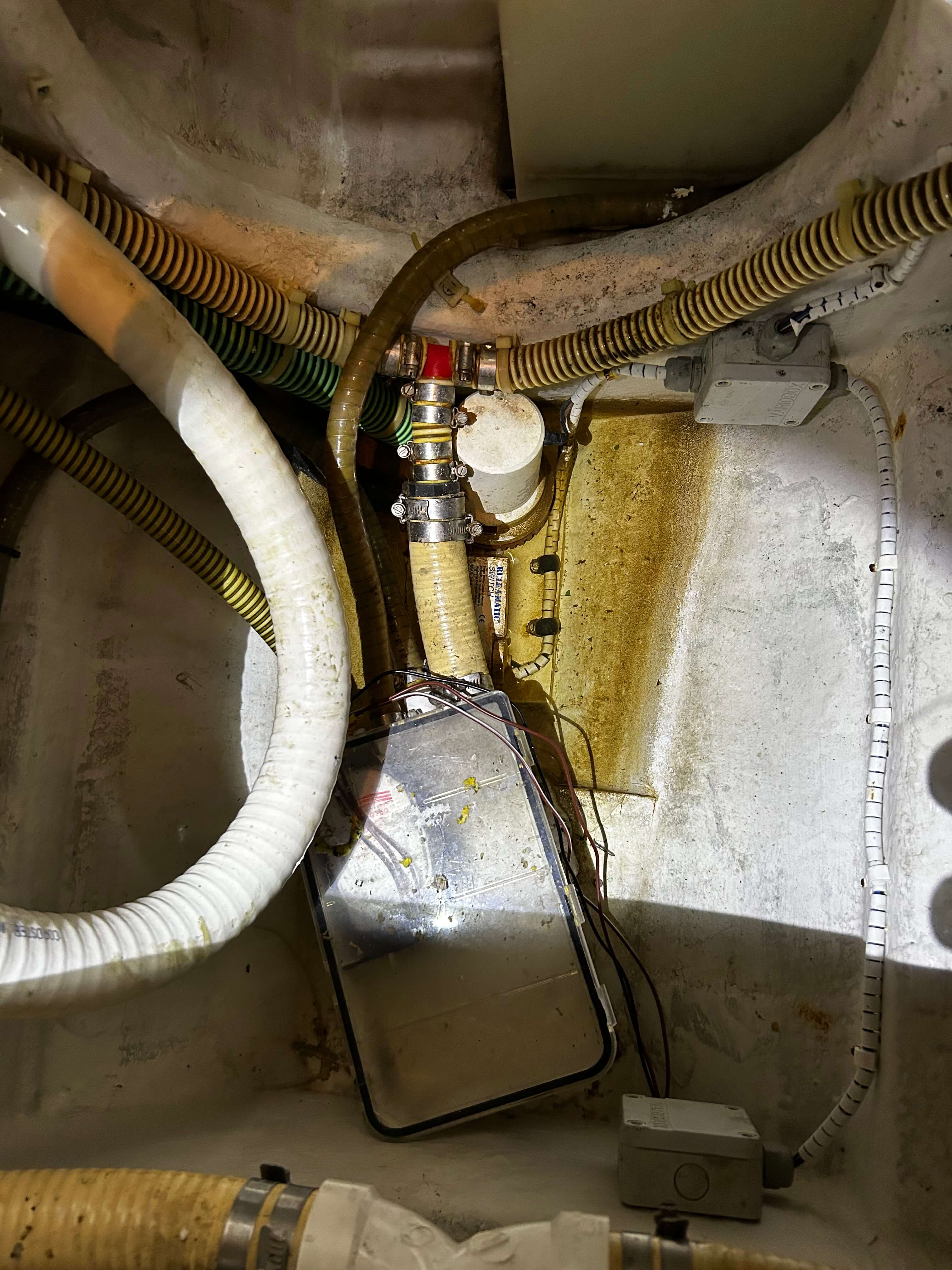
Bilge cleaning is the process of removing water, oil residue, sludge, smells, mould and debris from the bilge area of a boat. The bilge may be under the engine, beneath the cabin sole, in the lazarette, near shower sumps or in other low areas where water naturally collects.
On smaller boats, the bilge may be a simple sump with one bilge pump. On larger yachts, there may be several bilge areas, including engine room bilges, accommodation bilges, machinery space drip trays and tender garage drains.
Therefore, boat bilge cleaning should be treated as routine maintenance, not just an occasional deep-cleaning job.
Why Bilge Cleaning Matters
A clean bilge helps protect the boat and makes inspections much easier. In addition, it can prevent small problems from turning into expensive repairs.
It Helps You Spot Leaks Early
When the bilge is clean and dry, new water is easy to notice. As a result, you can quickly check whether the water is coming from a leaking hose, freshwater system, deck fitting, seawater pump, stern gland or rainwater leak.
However, if the bilge is already full of dirty water and sludge, small leaks can stay hidden for weeks.
It Protects Bilge Pumps
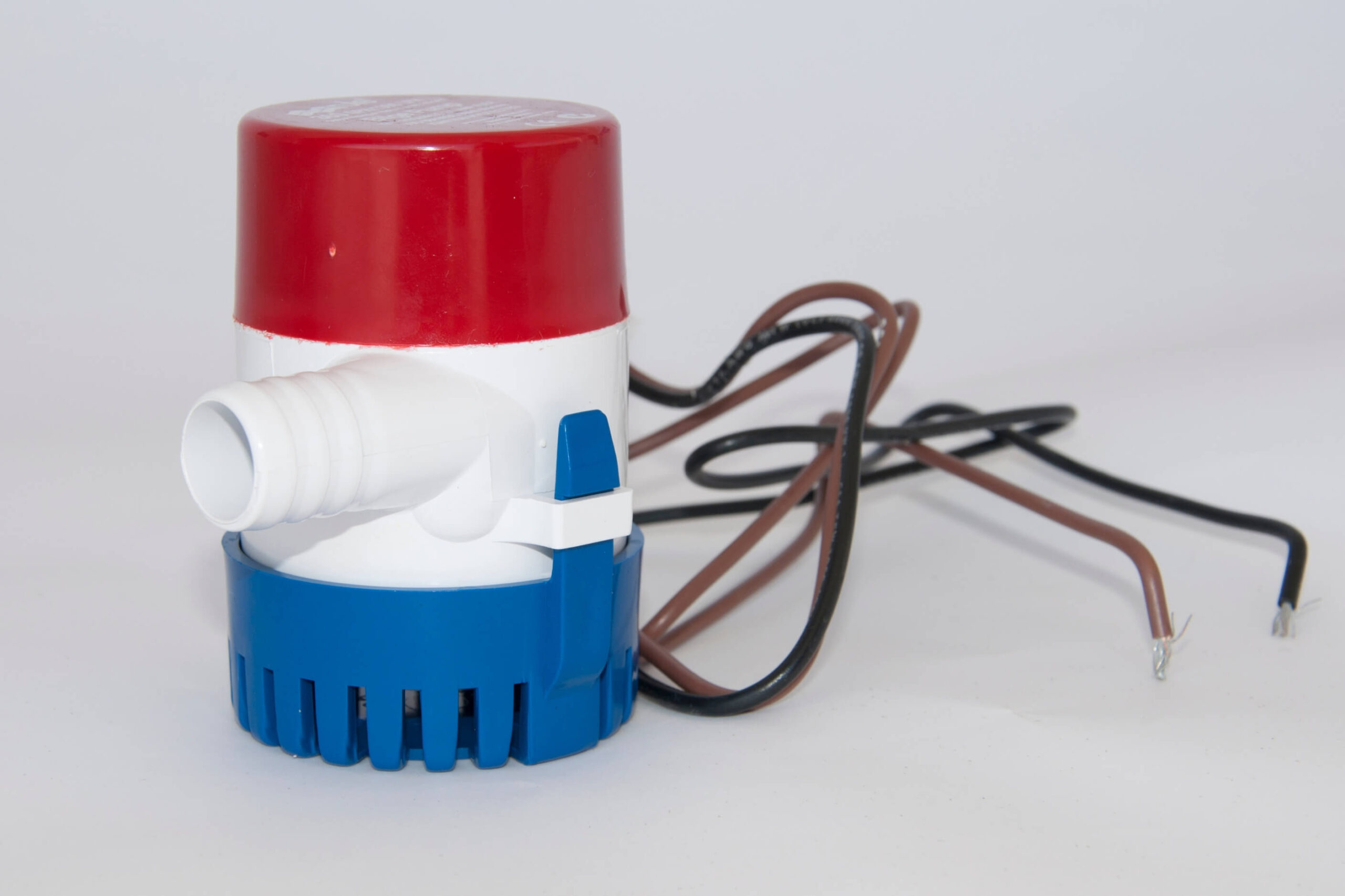
Bilge pump maintenance is much easier when the bilge is clean. Loose debris, cable ties, leaves, hair, sealant, dirt and sludge can block pump strainers and float switches.
Once this happens, the pump may fail when it is needed most. Therefore, a clean bilge is also a safety issue.
It Reduces Bad Smells
Bilge smell removal is one of the main reasons owners look for a bilge cleaner. Bad smells often come from stagnant water, oil residue, mould, diesel, shower sump waste or poor ventilation.
However, cleaner alone will not solve the problem if the source is still there. You need to clean the area and then work out why the smell started.
It Reduces Corrosion
Standing water, salt, grime and chemical residue can speed up corrosion around fittings, fasteners, mounts and machinery. Meanwhile, oily residue attracts more dirt and makes the bilge harder to inspect.
Common Causes of a Dirty Bilge
Before you clean the bilge, try to understand why it is dirty. Otherwise, the same issue may return.
Bilge Problem
Likely Cause
What to Check
Oily bilge water
Engine, gearbox or fuel leak
Engines, filters, hoses and drip trays
Brown sludge
Dirt, oil, rust and old water
Low points and hidden corners
Bad smell
Stagnant water, mould or sump waste
Sumps, drains and ventilation
Clean water returning
Freshwater or rainwater leak
Tanks, pumps and deck fittings
Salt water in bilge
Seawater system or shaft seal leak
Seacocks, hoses and stern gear
Pump cycling often
Leak or float switch fault
Pump, switch and pipework
How Often Should You Clean a Bilge?
There is no single bilge cleaning schedule for every boat. However, regular inspection is more important than waiting for the bilge to look terrible.
Boat Use
Inspection Interval
Deep Cleaning Interval
Light seasonal use
Monthly
1–2 times per season
Weekend use
Every 2–4 weeks
Every 2–3 months
Liveaboard boat
Weekly
Monthly or as needed
Charter yacht
Weekly or after trips
Monthly
Engine room bilges
Weekly
Monthly or after servicing
Before lay-up
Before storage
Full clean recommended
As a simple rule, inspect the bilge before long trips, after heavy rain, after servicing and whenever you reopen the boat after time away.
What You Need for Bilge Cleaning
The right tools make DIY bilge cleaning safer and quicker. Fortunately, you do not need a large kit.
Basic Bilge Cleaning Tools
Nitrile gloves
Eye protection
Oil absorbent pads
Bucket or wet vacuum
Sponge or hand pump
Soft and medium brushes
Microfibre cloths
Marine bilge cleaner
Bilge degreaser
Fresh water
Waste container
Torch or inspection light
Useful Product Types
Product Type
Best For
Notes
Marine bilge cleaner
Routine cleaning
Good for light grime
Bilge degreaser
Oil and grease
Use carefully and rinse properly
Bilge odour eliminator
Persistent smells
Works best after deep cleaning
Oil absorbent pads
Oily bilge water
Keep onboard at all times
Enzyme cleaner
Organic odours
Useful near sumps and drains
Wet vacuum
Removing dirty water
Dispose of waste correctly
A cheaper cleaner may be enough for light dirt. However, if the bilge contains oil, diesel residue or heavy sludge, use a proper marine bilge cleaner or boat bilge degreaser.
How to Clean a Bilge Step by Step
This process works for most small boats, chase boats and yacht bilge areas. However, always follow the product instructions and local waste rules.
1. Ventilate the Area
First, open hatches and let the area ventilate. This is especially important if you smell fuel, solvent or strong chemical vapours. If you suspect a fuel leak, stop cleaning and investigate before continuing.
2. Inspect Before Cleaning
Next, inspect the bilge with a torch. Look for oil sheen, fuel smells, standing water, rust stains, hose leaks, pump condition and float switch movement. This gives you useful clues before everything gets disturbed.
3. Remove Loose Debris
Then remove loose debris by hand, sponge or vacuum. Debris such as cable ties, grit, hair, sealant and leaves can block the bilge pump during cleaning.
4. Absorb Oil First
If you see oil or a rainbow sheen, use oil absorbent pads before adding cleaner. Do not mix oil with detergent and pump it away.
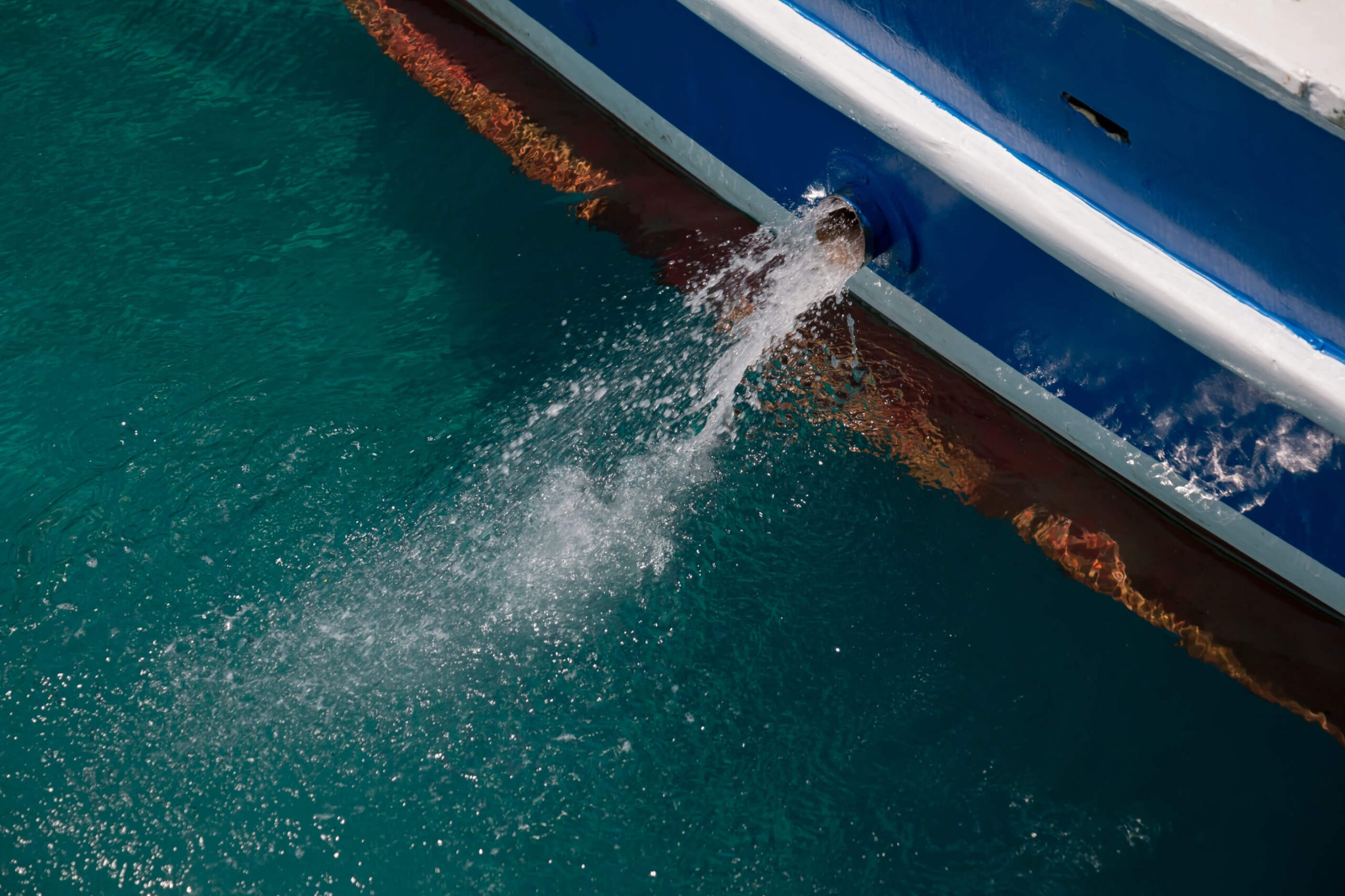
Importantly, oily bilge water should not be discharged overboard. Instead, use absorbents, marina waste facilities or a professional disposal service where needed.
5. Remove Dirty Water
After that, remove standing water using a sponge, hand pump, wet vacuum or bucket. If the water is contaminated, transfer it to a suitable container for proper disposal.
6. Apply Bilge Cleaner
Apply your chosen bilge cleaning solution to the dirty areas. Allow it to dwell for the recommended time, but do not let strong cleaners dry onto wiring, rubber, paint or labels.
For light cleaning, a diluted marine cleaner is normally enough. For heavy sludge, use a stronger bilge degreaser.
7. Scrub Gently
Scrub the area with a brush, working from cleaner areas toward the lowest point. Pay attention to corners, limber holes, pump strainers, under-engine areas and hidden recesses.
However, avoid aggressive scrubbing around wiring, sensors and hose clamps.
8. Rinse, Dry and Reinspect
Rinse with a controlled amount of fresh water. Avoid spraying electrical components or flooding areas unnecessarily. Then remove the rinse water safely.
Finally, dry the bilge as much as possible. Once it is clean, inspect again for leaks, staining or damage.
9. Test the Bilge Pump
Before closing the area, test the bilge pump and float switch. Make sure the pump activates, discharges properly and shuts off.
Best Bilge Cleaning Products: What to Look For
The best bilge cleaner depends on the problem you are trying to solve. A general marine bilge cleaner is ideal for routine grime. Meanwhile, a bilge degreaser is better for oil, grease and engine room residue.
Look for products with:
Marine-use instructions
Good degreasing ability
Clear dilution guidance
Low-foam formula
Compatibility with bilge materials
Odour control if needed
Easy rinse-off performance
Avoid using random household chemicals in the bilge. Some cleaners can damage rubber, paint, hoses, wiring labels or pump components. In addition, some detergents can make oily water harder to separate and dispose of.
Bilge cleaning is usually low-cost if it is done regularly. However, costs rise when oil, sludge or poor access are involved.
Job Type
Typical Cost Range
Notes
DIY light clean
$10–$40
Cleaner, gloves, pads and cloths
DIY deep clean
$40–$100
Degreaser, absorbents and waste containers
Professional small boat clean
$100–$300
Depends on access and condition
Yacht engine room bilge clean
$300–$1,000+
Larger spaces take longer
Contaminated waste disposal
Varies
Depends on marina or contractor
Overall, regular light cleaning is far cheaper than leaving dirty water, sludge and oil to build up.
DIY Bilge Cleaning vs Professional Cleaning
DIY bilge cleaning is suitable for most routine jobs. For example, light grime, minor odours and freshwater residue can usually be handled by an owner or crew member.
However, call a marine professional if:
You smell fuel strongly
There is heavy oil contamination
The bilge pump is not working
Wiring has been submerged
You cannot find the leak source
There is thick sludge under engines
You suspect a seacock or shaft seal leak
Waste disposal is unclear
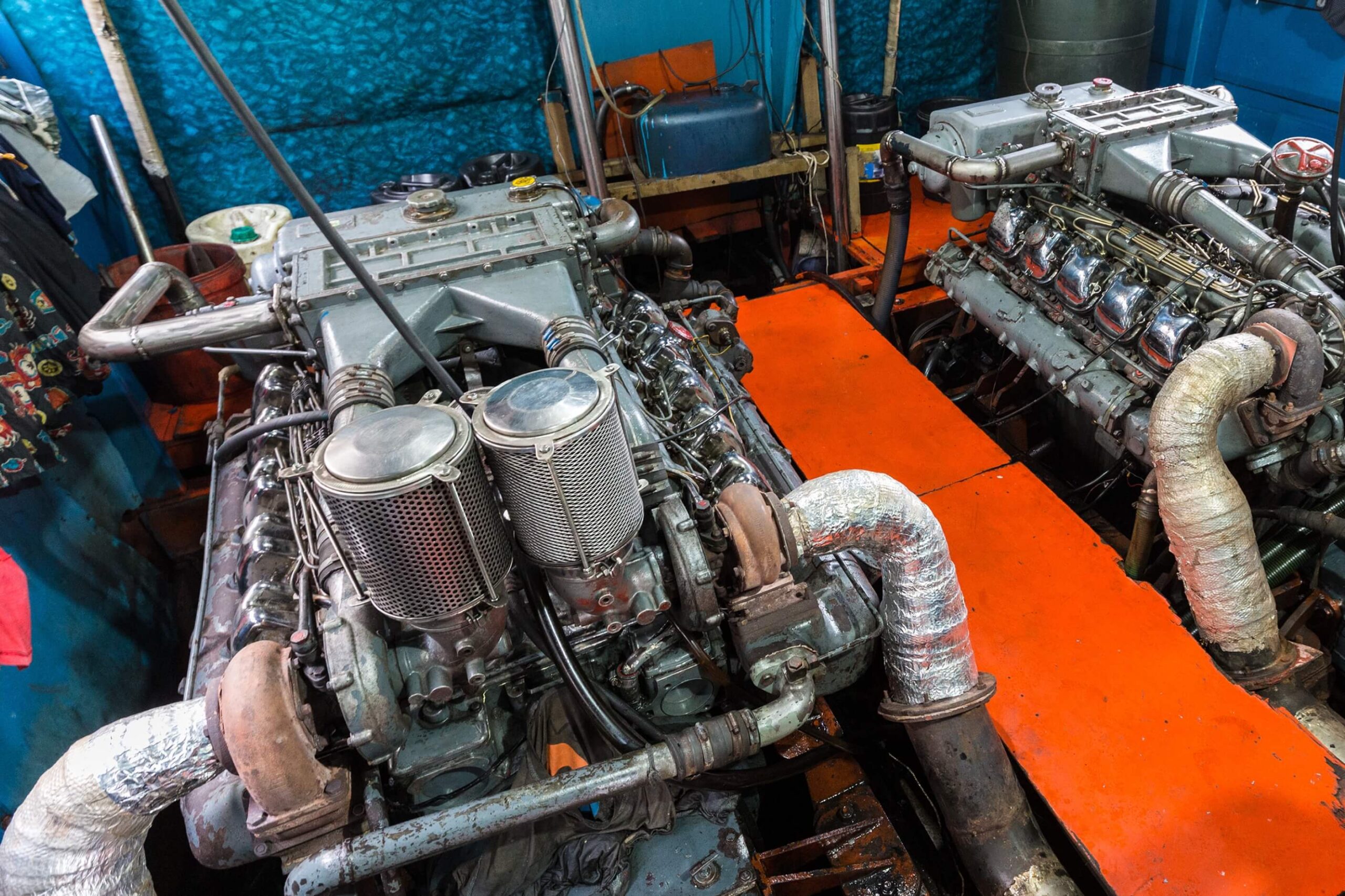
On larger yachts, engine room bilges often need a more controlled process because of machinery, electrical systems and pollution risks.
Bilge Smell Removal
A bilge odour eliminator can help, but it will not fix the cause. Therefore, start by finding the source.
Common causes include stagnant water, old oil residue, diesel, mould, shower sump waste, dirty hoses and poor ventilation.
After cleaning, keep the bilge as dry as possible. Also, place absorbent pads under engines and inspect sumps regularly. If the smell returns quickly, there is likely still contamination or an active leak.
Bilge Cleaning Checklist
Task
Done
Ventilate the area
☐
Check for fuel smell or oil sheen
☐
Remove loose debris
☐
Absorb oil residue
☐
Remove dirty water
☐
Apply marine bilge cleaner
☐
Scrub low points and corners
☐
Rinse carefully
☐
Remove rinse water safely
☐
Dry the bilge
☐
Test bilge pump and float switch
☐
Check for fresh leaks
☐
Common Bilge Cleaning Mistakes to Avoid
Pumping Oily Water Overboard
This is the biggest mistake. If the bilge water contains oil, fuel or chemicals, treat it as contaminated waste.
Using Too Much Cleaner
More cleaner does not always mean better results. In fact, excess product can create foam, leave residue and make disposal harder.
Ignoring the Cause
Cleaning is useful, but it should also trigger an inspection. If water keeps returning, find the source.
Forgetting the Bilge Pump
A clean bilge is not enough if the pump fails. Therefore, always test the pump and float switch afterwards.
Leaving the Bilge Wet
After cleaning, dry the bilge where possible. This reduces smell and makes new leaks easier to spot.
Practical Bilge Cleaning Tips for Owners and Crew
Keep a small bilge cleaning kit onboard with gloves, absorbent pads, a sponge, a torch and a suitable marine bilge cleaner.
Also, take a photo after a deep clean. This gives you a useful reference point for future inspections. If the bilge looks different two weeks later, you can quickly see what has changed.
For crewed yachts, add bilge checks to the weekly maintenance list. For owner-operated boats, inspect the bilge before and after each trip.
FAQs: Bilge Cleaning
How often should I clean my boat bilge?
Most boats should have the bilge inspected every few weeks and deep cleaned every few months. However, engine room bilges, charter boats and liveaboards may need more frequent checks.
What is the best bilge cleaner for oil and sludge?
A marine bilge degreaser is usually best for oil and sludge. However, absorb free oil with oil pads before applying any cleaner.
Can I pump bilge water overboard after cleaning?
Only clean, uncontaminated bilge water should be discharged where local rules allow. Never pump oily or chemical-contaminated bilge water overboard.
Why does my bilge smell bad?
Bad bilge smells usually come from stagnant water, oil residue, diesel, mould, shower sump waste or poor ventilation. Clean the area first, then find the source.
Is DIY bilge cleaning safe?
DIY bilge cleaning is safe for routine grime if you use gloves, ventilate the area and dispose of waste correctly. However, call a professional for fuel smells, heavy oil or unknown leaks.
Summary
Bilge cleaning is a simple but important maintenance job. A clean boat bilge helps prevent bad smells, protects bilge pumps, reveals leaks early and reduces corrosion risk.
The best approach is to inspect often, absorb oil safely, use the right bilge cleaner, rinse carefully, dry the area and test the bilge pump afterwards. Above all, treat bilge cleaning as preventative maintenance, not just a cosmetic job.
Join the newsletter for practical yacht maintenance advice, new guide releases, downloadable resources, product recommendations and seasonal reminders designed to help owners, captains and crew make better maintenance decisions onboard. As TYMH grows, subscribers will also get early access to new checklists, maintenance resources, recommended products and exclusive offers or discounts from selected marine brands.
Success
Thank you for signing up to receive updates from The Yacht Maintenance Hub.
Blog / Bilge Cleaning Guide: Remove Oil, Sludge, Smells & Dirty Water Fast
We track how people interact with our online web content and resources, and some of that tracking involves storing cookies on your device. By continuing to use our site you accept that you agree to this. For more details see our Privacy Statement.
 310
310
310
310