The Yacht Maintenance Hub, The resource for Yacht Maintenance & Repairs310310
24 July 2026 | Read it in 12 minutes
Written by Archie Wilson
Archie Wilson is a commercially endorsed Yachtmaster Offshore, experienced Bosun, yacht crew member and founder of The Yacht Maintenance Hub. His background spans superyachts, private motor yachts, chase boats and sailing yachts, with hands-on experience in maintenance, refit work, boat building, deck operations and basic engineering. Having also lived aboard sailing yachts and helped smaller boat owners manage their own maintenance, Archie created TYMH to share practical guidance grounded in real onboard experience.
Oil, grease, fuel residue and black grime can build up quickly around engines, bilges, lockers and working areas on a boat. At first, this may look like a simple cleaning issue. However, dirty machinery spaces can hide leaks, create odours, damage surfaces and make routine inspections much harder.
A good marine degreaser helps break down oily residue so it can be wiped, rinsed or removed safely. However, not every boat degreaser is suitable for every surface. Some products are too strong for gelcoat, paint, rubber seals, wiring or deck finishes.
In this guide, The Yacht Maintenance Hub explains how to choose the best marine degreaser, where to use it, what to avoid, and how owners and crew can clean engines, bilges and decks safely.
Some links on this page are affiliate links. This means The Yacht Maintenance Hub may earn a commission if you click through and make a purchase, at no extra cost to you. We only recommend products, tools and marine suppliers that we believe are useful for yacht owners, captains, crew and marine professionals.
This article is all about Marine Degreasers!
Quick Answer: What is the best marine degreaser for boats?
The best marine degreaser for boats is a boat-safe cleaner that removes oil, grease and grime without damaging fiberglass, paint, rubber, wiring or protective coatings. For most owners, a biodegradable marine degreaser is best for routine cleaning, while a heavy duty marine degreaser should be kept for engine rooms, bilges and stubborn contamination.
What Is a Marine Degreaser?
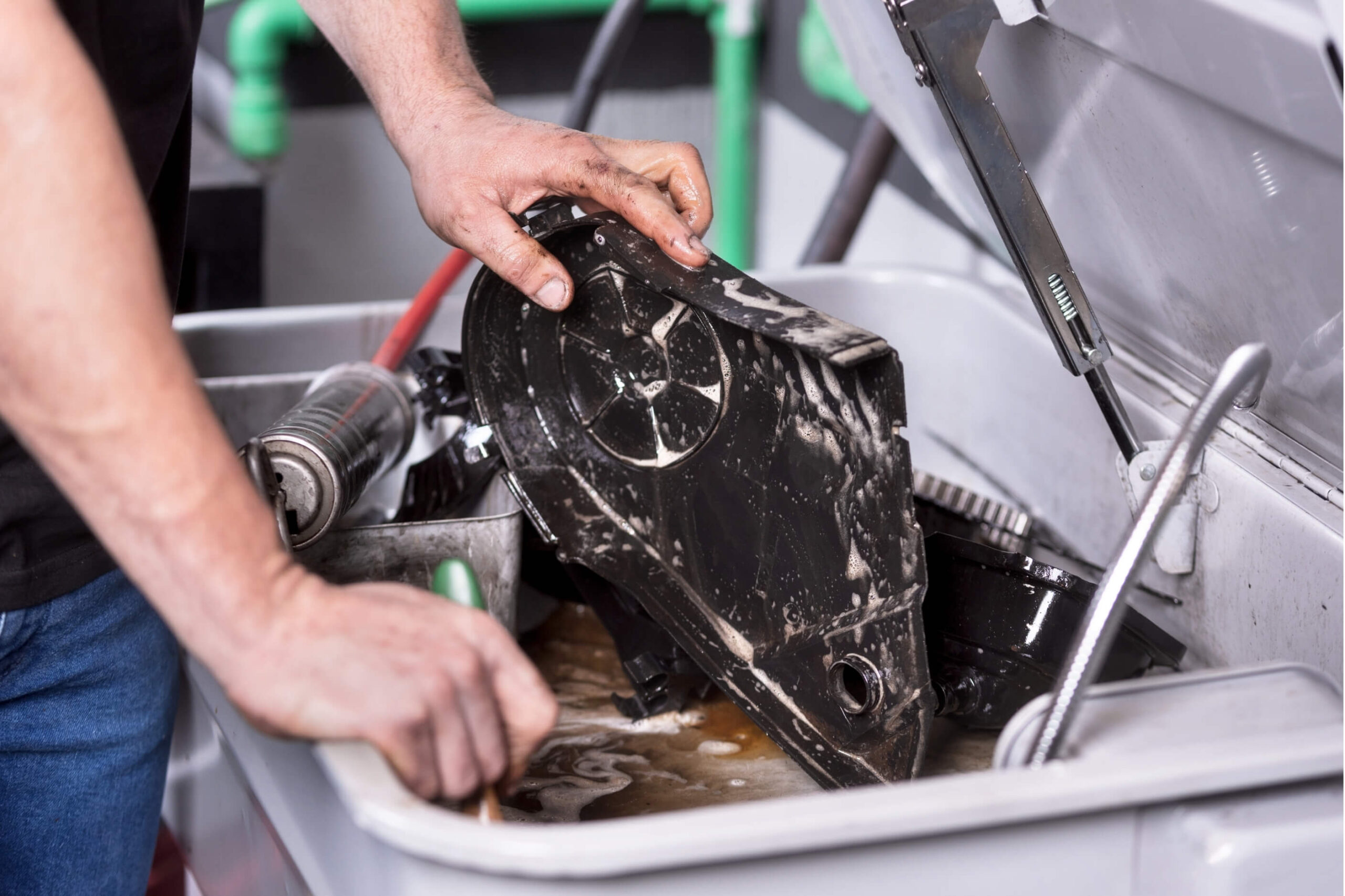
A marine degreaser is a cleaning product designed to break down oil, grease, fuel residue, dirt and grime on boat surfaces. It is commonly used in engine rooms, bilges, lazarettes, deck lockers, machinery spaces and maintenance areas.
Unlike a normal household cleaner, a proper marine degreaser for boats should be chosen with marine materials in mind. Boats contain fiberglass, gelcoat, painted metal, aluminium, stainless steel, rubber hoses, electrical insulation and sensitive components. Therefore, the wrong product can cause damage if it is too harsh or used incorrectly.
A boat cleaning degreaser is usually needed when a normal boat wash is not strong enough. For example, if you are dealing with engine oil mist, old grease, hydraulic residue, fuel stains, bilge sludge or black grime around machinery, a degreaser will usually work better than a general cleaner.
However, stronger is not always better. The right product depends on the surface, the dirt, and where the dirty water will go after cleaning.
Why Marine Degreaser Matters
A clean engine room or bilge is not just about appearance. More importantly, it helps you spot problems early.
Oil and grime can hide:
Small oil leaks
Fuel weeps
Coolant leaks
Hydraulic hose issues
Corroded fittings
Loose hose clamps
Failing pump seals
Blocked bilge areas
As a result, regular cleaning with the right marine engine degreaser, boat engine degreaser or bilge degreaser can help prevent small issues from turning into expensive repairs.
In addition, clean bilges reduce smells. Many “old boat” odours come from stagnant water, oil residue, sludge and poor bilge hygiene. A suitable marine bilge cleaner can make a noticeable difference, especially on older boats or yachts with damp bilge spaces.
Where Can You Use Marine Degreaser?
A marine grease remover can be used in several areas onboard. However, each area needs a slightly different approach.
Engine Rooms
The engine room is one of the most common places to use a boat engine room cleaner or engine room degreaser. Oil mist, belt dust, fuel residue and grease often settle around engines, trays, mounts and surrounding panels.
However, take care around:
Alternators
Starter motors
Batteries
Electrical panels
Sensors
Wiring
Air intakes
Belts
Painted engine surfaces
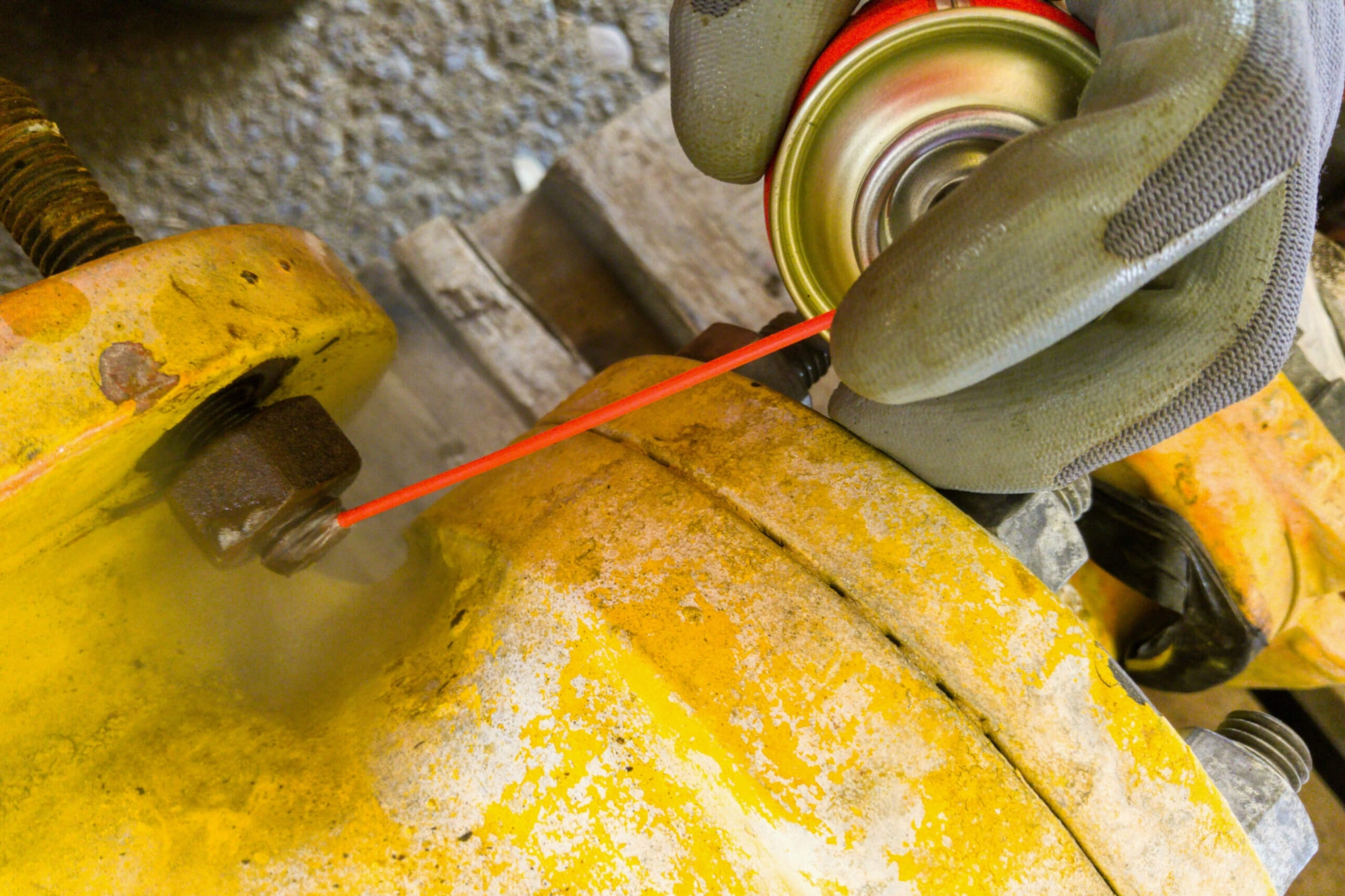
For better control, spray the cleaner onto a cloth or brush instead of soaking the engine directly. This reduces overspray and helps protect sensitive components.
Bilges
Bilges collect water, dirt, oil residue and debris. Therefore, a boat bilge degreaser can be very useful. However, bilge cleaning must be handled responsibly.
Before using a bilge degreaser, remove visible oil with absorbent pads. Do not simply break up oil with detergent and pump it overboard. Dirty bilge water may contain oil, fuel and chemical residue, so it should be collected and disposed of properly where required.
For deeper cleaning, use a dedicated marine bilge cleaner and work in controlled sections.
A boat degreaser can also help remove grease marks from non-skid decks, tender garages, davit areas, lockers and maintenance zones. However, always check whether the product is safe for teak, synthetic decking, painted decks or polished gelcoat.
On deck, start mild. A strong marine oil remover may remove grease, but it can also strip wax, dull coatings or leave patchy marks if used carelessly.
A fiberglass safe degreaser can remove oily marks from gelcoat, cockpit areas, transoms and locker interiors. However, do not leave strong degreaser sitting on polished surfaces for too long.
Instead, test a small area first, work in short sections and rinse or wipe properly after use.
Marine Degreaser Types Compared
There is no single best marine degreaser for every job. Instead, choose the product based on the surface and the level of contamination.
Degreaser Type
Best For
Main Benefit
Product Option
Watch Out For
Biodegradable marine degreaser
Routine cleaning, bilges and light grime
Better for regular use
Star brite Super Orange Citrus Bilge Cleaner
Still dispose of oily waste properly. Do not pump oily bilge water overboard.
May need more dwell time on heavy grease or old bilge grime.
Heavy duty marine degreaser
Engines, machinery and stubborn grease
Strong cleaning power
Marine Spray Nine Heavy-Duty Cleaner + Degreaser + Disinfectant
Can be too strong for delicate finishes if left too long. Test first and avoid sensitive electrics.
Citrus degreaser
Tools, lockers and light oil
Effective and leaves a cleaner smell
3M Industrial Cleaner Citrus Base
Check rubber, plastic and coating compatibility before wider use.
Solvent degreaser
Metal parts and workshop cleaning
Very powerful and fast drying
CRC Brakleen Brake Parts Cleaner
Not a general boat cleaner. Use only with ventilation and avoid fiberglass, paint, bilges and enclosed spaces.
Aerosol degreaser
Localised engine parts and small machinery areas
Precise application
CRC Marine Cleaner and Degreaser
Avoid overspray near electrics, belts, sensors and painted surfaces.
For most owners and crew, a biodegradable marine degreaser is the best starting point. Then, for occasional deep cleaning, keep a stronger heavy duty marine degreaser onboard or in the workshop.
Marine Degreaser vs Boat Cleaner
A normal boat cleaner is designed for salt, light dirt and everyday washdowns. A boat oil and grease cleaner, meanwhile, is designed for oily contamination.
Use a general cleaner for:
Salt residue
Light dirt
Cockpit cleaning
Exterior washdowns
Light marks
Use a marine degreaser for:
Oil residue
Grease
Engine room grime
Bilge sludge
Fuel staining
Hydraulic residue
Heavy machinery dirt
In simple terms, use the least aggressive cleaner that will do the job. This protects the surface and avoids unnecessary chemical use.
When choosing a marine degreaser for boats, look beyond the label. The best product is the one that suits the job, the surface and the cleaning frequency.
Check Surface Compatibility
Before using a marine engine degreaser, check whether it is suitable for:
Fiberglass
Gelcoat
Painted metal
Aluminium
Stainless steel
Rubber
Plastic
Hoses
Wiring
Non-skid
Teak or synthetic decking
This matters because a product that works well on a metal engine tray may be too aggressive for polished gelcoat or deck coatings.
Choose the Right Strength
For routine cleaning, start with a mild boat degreaser. Then, if the grime is stubborn, move up to a stronger product.
A practical onboard setup could include:
One general boat cleaning degreaser
One stronger engine room degreaser
Oil absorbent pads
Nitrile gloves
Soft brushes
Microfibre cloths
A small detailing brush
A bucket or wet vacuum for dirty water
This gives you enough flexibility for most cleaning jobs without overusing harsh chemicals.
Consider Eco Options
An eco friendly marine degreaser is often a sensible choice for regular cleaning. However, “eco friendly” does not mean oily water can be discharged overboard.
If the cleaning water contains oil, fuel, sludge or chemical residue, collect it and dispose of it through the correct marina or yard facilities.
How to Use Marine Degreaser Safely
Using a marine degreaser safely is mostly about control. Control the product, control the runoff, and protect sensitive components.
Step-by-Step Process
Find the source first Before cleaning, check whether the oil or grease is coming from an active leak.
Remove loose oil and debris Use absorbent pads, rags or a scraper before applying cleaner.
Protect sensitive areas Cover electrics, alternators, air intakes, battery terminals and exposed wiring.
Apply carefully Spray onto a cloth or brush where possible. This is safer than soaking the whole area.
Let it dwell briefly Give the cleaner time to work, but do not let it dry on the surface.
Agitate gently Use a soft brush or detailing brush to lift grime.
Wipe or rinse responsibly Collect oily residue and dirty water where needed.
Dry and inspect Once clean, check again for leaks, corrosion, loose clamps or damaged hoses.
Bilge Cleaning and Oil Safety
Bilges need extra care because they can contain oil, fuel, detergent, dirt and stagnant water.
Before using a marine bilge cleaner or boat bilge degreaser, ask:
Is there visible oil?
Is there a fuel smell?
Is the bilge pump automatic?
Can contaminated water be collected?
Is the source of oil known?
Are absorbent pads in place?
If you see oil, remove it first with absorbent pads. Then clean the remaining residue. Do not use detergent simply to hide an oil sheen and pump it away.
The best marine degreaser is one that matches the surface and the type of grime. For most boats, a biodegradable marine degreaser is best for routine cleaning, while a stronger marine engine degreaser is useful for machinery spaces.
Can I use marine degreaser in the bilge?
Yes, but use it carefully. A bilge degreaser can remove sludge and oily residue, but visible oil should be removed first with absorbent pads.
Is marine degreaser safe on fiberglass?
Some products are safe, but not all. Use a fiberglass safe degreaser, test a small area first and avoid leaving strong cleaner on polished gelcoat.
Can I use boat degreaser on engines?
Yes, but avoid soaking electrical parts, belts, alternators, starters and sensors. For better control, apply boat engine degreaser with a cloth or brush.
How often should I clean the bilge with degreaser?
Inspect the bilge regularly and use boat bilge degreaser only when oil, sludge or odour appears. For many boats, every 1–3 months is enough.
Conclusion
A good marine degreaser is one of the most useful products in a boat cleaning kit. It helps remove oil, grease, grime and bilge sludge while making leaks easier to spot.
However, the best results come from using the right product in the right place. Choose a boat-safe cleaner, protect sensitive components, manage dirty water responsibly and avoid using strong chemicals where a mild boat degreaser will do.
For most owners and crew, the best setup is simple: keep a biodegradable marine degreaser for routine cleaning, a stronger heavy duty marine degreaser for deep cleaning, and absorbent pads onboard for oil control.
Next Steps
Bilge Cleaning Guide: Remove Oil, Sludge, Smells & Dirty Water Fast
Best Boat Cleaning Products for Owners and Crew
Boat Wash Guide: How to Clean Salt, Dirt and Grime Safely
Join the newsletter for practical yacht maintenance advice, new guide releases, downloadable resources, product recommendations and seasonal reminders designed to help owners, captains and crew make better maintenance decisions onboard. As TYMH grows, subscribers will also get early access to new checklists, maintenance resources, recommended products and exclusive offers or discounts from selected marine brands.
Success
Thank you for signing up to receive updates from The Yacht Maintenance Hub.
Blog / Best Marine Degreaser for Boats: Clean Engines, Bilges & Decks Safely
We track how people interact with our online web content and resources, and some of that tracking involves storing cookies on your device. By continuing to use our site you accept that you agree to this. For more details see our Privacy Statement.

 310
310
310
310