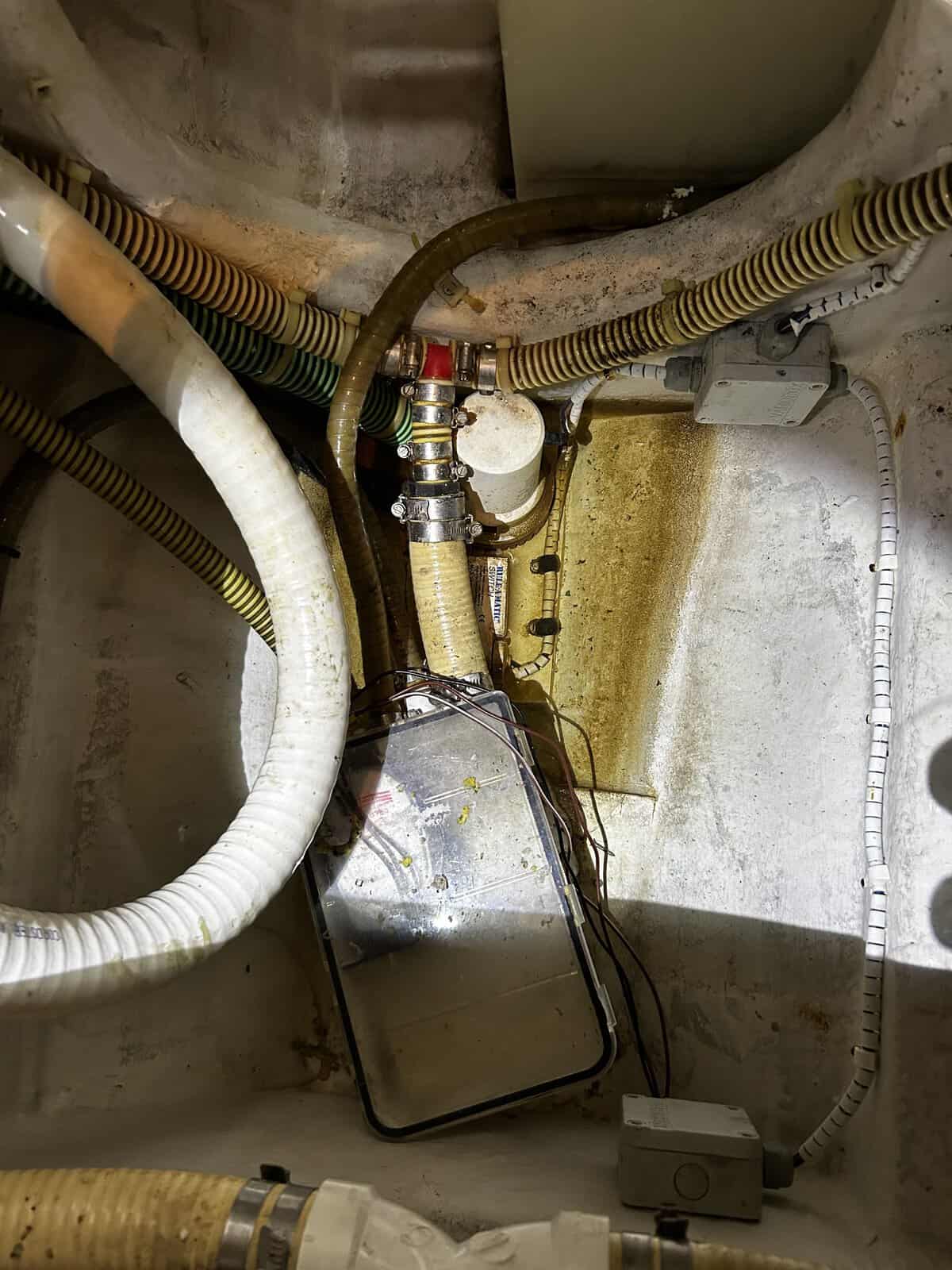
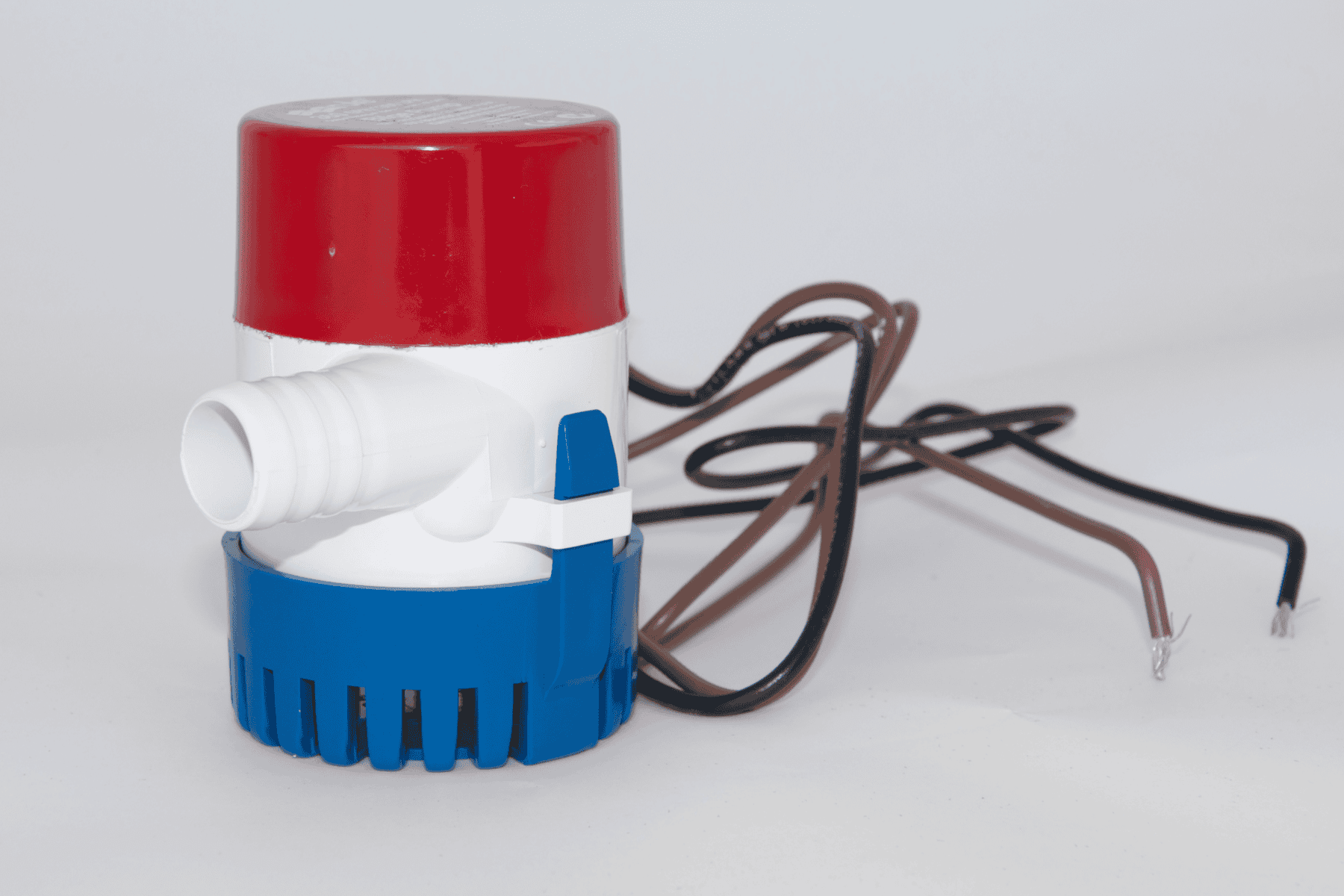
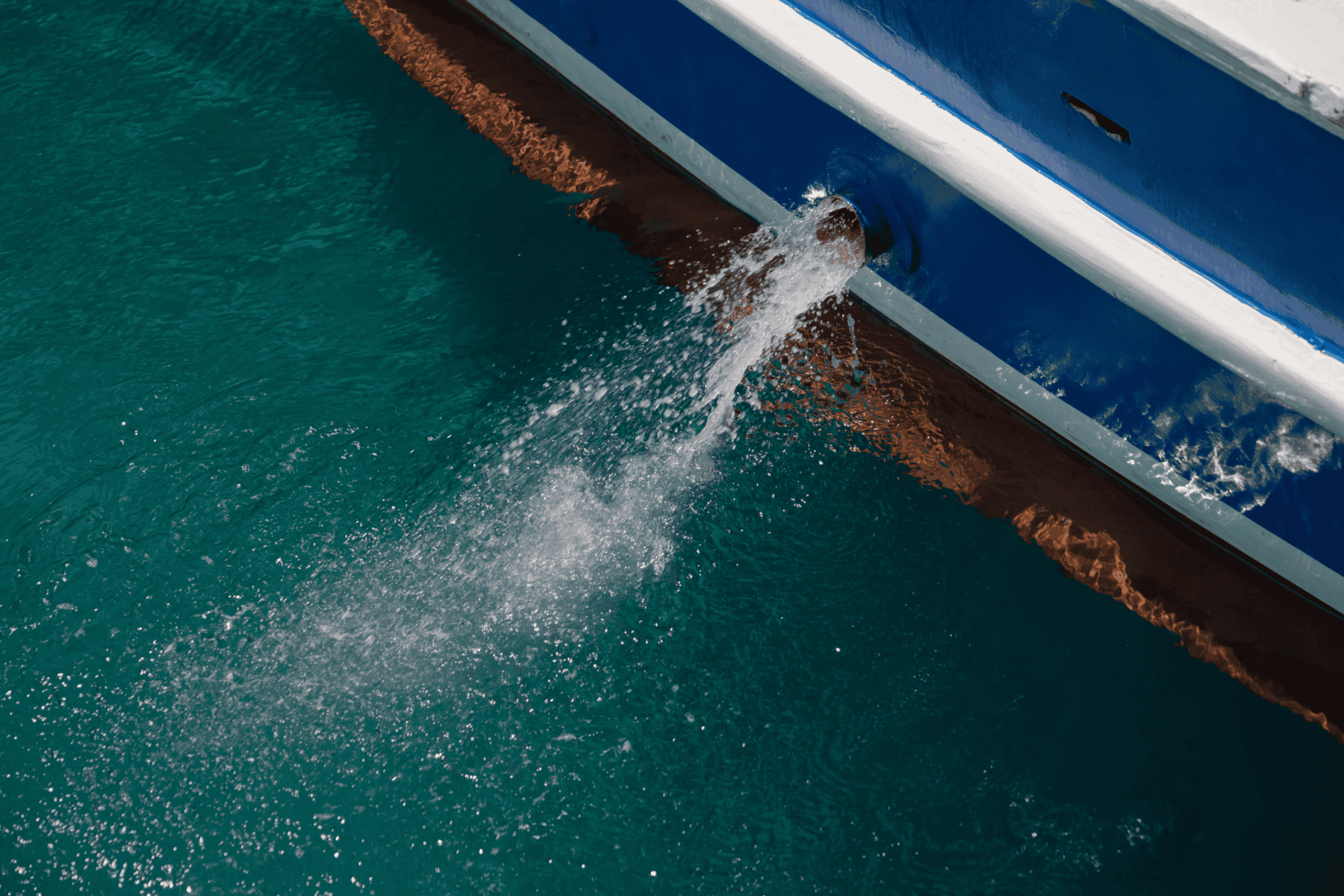
A dirty bilge is more than an unpleasant smell. It can hide oil leaks, fuel residue, saltwater, blocked drains, mould, and early signs of mechanical problems. Therefore, choosing the right bilge cleaner is an important part of boat maintenance.
A good bilge cleaner should remove oil, grease, grime, and odours without damaging pumps, hoses, wiring, paint, or nearby components. However, not every household cleaner is suitable for marine use.
In this guide, you’ll learn what bilge cleaner does, how to choose the right product, how often to clean your bilge, and which mistakes to avoid.
This post is all about Bilge Cleaners!
Quick Answer: What is the best bilge cleaner for boats?
The best bilge cleaner for boats is a marine-safe degreasing cleaner that removes oil, fuel residue, grime, and odours without damaging bilge pumps, hoses, wiring, or coatings. For regular maintenance, choose a biodegradable bilge cleaner, use absorbent pads for oil, and never pump oily bilge water overboard.
What Is Bilge Cleaner?
Bilge cleaner is a marine cleaning product designed to break down oil, grease, fuel residue, sludge, dirt, salt, and bad smells in the lowest part of a boat.
The bilge often collects water and contamination from machinery spaces, deck leaks, freshwater systems, and general use. As a result, it can quickly become dirty if it is not checked regularly.
A good boat bilge cleaner helps loosen this contamination so it can be wiped, absorbed, rinsed, or removed correctly. More importantly, it keeps the bilge clean enough to inspect properly.
Why Bilge Cleaning Matters
A clean bilge makes maintenance easier. When the bilge is dirty, small problems can stay hidden until they become expensive.
For example, a light oil leak from an engine, gearbox, generator, or hydraulic hose is hard to spot in a black, oily bilge. However, in a clean bilge, new leaks stand out quickly.
Regular bilge cleaning can help prevent:
Bad bilge smells
Blocked bilge pumps
Contaminated bilge water
Slippery engine room surfaces
Corrosion around fittings
Mould and bacteria growth
Missed oil, fuel, or water leaks
Therefore, bilge cleaning is not just cosmetic. It is part of preventative boat maintenance.
Safety and Environmental Considerations
Before using any bilge cleaning products, check whether the bilge contains oil, fuel, or a visible sheen. If it does, do not pump it overboard.
Instead, use oil absorbent pads first. Then, collect contaminated water and dispose of it through the correct marina or waste facility.
Even if you use a biodegradable bilge cleaner, oily water still needs proper disposal. So, the safest rule is simple: if the bilge water looks oily, smells of fuel, or contains chemical residue, contain it and dispose of it properly.
Types of Bilge Cleaners
Not all bilge cleaning products do the same job. Therefore, the best choice depends on the condition of your bilge.
Type of Product
Best For
Notes
Marine bilge cleaner
General cleaning
Good all-round option
Bilge degreaser
Oil and grease
Stronger cleaning power
Biodegradable bilge cleaner
Routine maintenance
Better for regular use
Bilge odour remover
Smelly bilges
Helps smells, but does not fix leaks
Absorbent pads
Oil and fuel sheen
Essential before pumping
Heavy-duty marine degreaser
Very dirty bilges
Use carefully near sensitive parts
For most boat owners, the best setup is simple: keep a reliable marine bilge cleaner, absorbent pads, gloves, and basic cleaning tools onboard.
How to Choose the Best Bilge Cleaner
The best bilge cleaner is not always the strongest product. Instead, it should be strong enough to clean properly while still being safe for marine materials.
Choose a Marine-Safe Formula
Avoid random household cleaners unless the label clearly says they are safe for marine use. Some harsh degreasers can damage rubber, plastics, paint, seals, or wiring insulation over time.
Look for products labelled as:
Boat bilge cleaner
Marine bilge cleaner
Yacht bilge cleaner
Bilge degreaser
Biodegradable bilge cleaner
Match the Cleaner to the Problem
A lightly dirty bilge does not need an aggressive cleaner. However, an engine bilge with oily residue may need a stronger boat bilge degreaser.
Bilge Condition
Best Cleaning Option
Light dirt and smell
Mild biodegradable bilge cleaner
Oily film
Marine bilge cleaner and absorbent pads
Heavy grease
Bilge degreaser
Diesel smell
Cleaner plus fuel leak inspection
Sludge
Manual removal, cleaner, rinse, and dry
Recurring odour
Clean, dry, and inspect for leaks
Check Compatibility
Before using any cleaner, check whether it is safe for painted bilges, gelcoat, rubber hoses, plastic strainers, pump housings, wiring, stainless fittings, and nearby soundproofing.
If you are unsure, test a small area first. This is especially useful on older boats or freshly painted bilges.
How Often Should You Clean a Boat Bilge?
Bilge cleaning frequency depends on the boat, engine setup, age, and usage. However, regular inspection matters more than waiting for a major clean.
Task
Suggested Interval
Quick bilge check
Weekly or before each trip
Check for oil or fuel sheen
Before using the bilge pump
Remove debris
Monthly
Light bilge clean
Every 1–3 months
Deep bilge clean
Every 6–12 months
Engine bilge inspection
Before and after long passages
Professional clean
When contamination or access is a concern
On yachts, bilge checks should form part of the planned maintenance system. Meanwhile, smaller boat owners should include them in their pre-departure routine.
How to Clean a Bilge Safely
Cleaning a bilge is usually straightforward. However, you need to avoid spreading contamination.
First, ventilate the area by opening hatches. If you smell strong fuel fumes, stop and investigate before cleaning.
Next, remove loose debris such as cable ties, leaves, old rags, broken clips, dirt, and sludge. This helps protect bilge pumps and float switches.
Then, use absorbent pads if oil or fuel is present. This step is important because it prevents contaminated water from being moved around the bilge.
After that, apply the bilge cleaner according to the product instructions. Some products need dilution, while others can be used directly. Allow enough contact time for the cleaner to break down grime.
Next, use a soft brush or sponge to agitate dirty areas. Focus on corners, limber holes, pump mounts, under engine beds, and around pipework.
Finally, remove waste correctly. If the water contains oil, fuel, or chemical residue, use a marina waste facility or approved disposal method. Once the bilge is clean, dry it and inspect for leaks, stains, loose clamps, rust marks, or fresh water tracks.
Best Bilge Cleaning Products
Here are some of the best bilge cleaning products to consider, depending on whether you need routine cleaning, heavy degreasing, odour control, or oil absorption.
Absorbs oil where water may also be present, making it useful before cleaning or pumping.
Essential companion product, not a cleaner.
Tools and Materials Needed
Item
Purpose
Bilge cleaner
Breaks down grime and residue
Absorbent pads
Collect oil and fuel sheen
Gloves
Protect hands
Eye protection
Useful when brushing or spraying
Soft brush
Loosens dirt safely
Sponge or cloths
Wipes surfaces
Bucket or container
Holds contaminated water
Torch/headlamp
Helps inspect tight areas
Waste bags
Stores used pads and rags
A wet vacuum can also help remove water. However, never vacuum fuel-contaminated liquid unless the equipment is specifically designed for that use.
Common Bilge Problems and What They Mean
A dirty bilge often points to another issue. Therefore, cleaning is only part of the job.
Problem
Possible Cause
What to Do
Oily film
Engine, gearbox, or hydraulic leak
Absorb oil and inspect machinery
Diesel smell
Fuel leak or spill
Ventilate and inspect fuel lines
Stagnant smell
Standing water or blocked limber hole
Clean, dry, and improve drainage
Milky water
Oil and water mixing
Investigate the source
Rust stains
Corroding metal or brackets
Clean and inspect fittings
Pump not clearing water
Blocked strainer or failed float switch
Test and service the pump
Recurring grime
Ongoing leak or poor routine
Find the source
If the bilge becomes dirty again quickly, do not just add more cleaner. Instead, trace the cause.
DIY vs Professional Bilge Cleaning
Many bilge cleaning jobs are suitable for DIY maintenance. However, some situations need a marine professional.
DIY cleaning is usually fine when the bilge has light dirt, there is no strong fuel smell, access is safe, and you can dispose of waste properly.
However, call a professional if you smell strong diesel or petrol fumes, find heavy oil contamination, cannot locate a leak, or have submerged electrical components. Also, get help if the bilge contains sewage, chemicals, or unknown contamination.
A professional can clean the area, but more importantly, they can identify the cause and prevent it from returning.
Common Mistakes to Avoid
Using the Wrong Cleaner
Household degreasers may be too harsh for marine spaces. Instead, use a proper marine bilge cleaner.
Pumping Oily Water Overboard
This is one of the biggest mistakes. If there is oil or fuel in the bilge, absorb it and dispose of it correctly.
Ignoring the Cause
A cleaner removes the mess, but it does not fix leaking engines, fuel lines, pumps, tanks, or stern glands.
Leaving Absorbent Pads Too Long
Absorbent pads are useful. However, they should be checked and replaced regularly.
Forgetting the Bilge Pump
After cleaning, test the bilge pump, float switch, strainer, and alarm if fitted.
FAQs: Bilge Cleaner
What is the best bilge cleaner for boats?
The best bilge cleaner is a marine-safe product that removes oil, grease, grime, and odours without damaging pumps, hoses, wiring, or coatings. For most boats, a biodegradable marine bilge cleaner is a good routine choice.
Can I use household degreaser in a boat bilge?
It is better to use a proper marine bilge cleaner. Some household degreasers may damage rubber, paint, plastics, or marine components over time.
How often should I clean my boat bilge?
Inspect the bilge weekly or before each trip. Light cleaning may be needed every 1–3 months, while a deep clean is usually useful every 6–12 months.
How do I remove bad smells from a bilge?
First, clean and dry the bilge. Then, check for stagnant water, fuel leaks, oil residue, blocked drains, or old absorbent pads.
Is biodegradable bilge cleaner worth it?
Yes, biodegradable bilge cleaner is a good choice for regular maintenance. However, oily or fuel-contaminated water still needs proper disposal.
Summary
A good bilge cleaner helps keep your boat cleaner, safer, and easier to maintain. However, the real benefit comes from using it as part of a regular maintenance routine.
Choose a marine-safe product, remove oil with absorbent pads, dispose of contaminated water correctly, and always investigate recurring smells or stains. As a result, you will spot leaks earlier, protect your bilge pump, and reduce the chance of expensive hidden problems.
For best results, add bilge cleaning to your regular boat maintenance schedule and keep the right cleaning products onboard.
Join the newsletter for practical yacht maintenance advice, new guide releases, downloadable resources, product recommendations and seasonal reminders designed to help owners, captains and crew make better maintenance decisions onboard. As TYMH grows, subscribers will also get early access to new checklists, maintenance resources, recommended products and exclusive offers or discounts from selected marine brands.
Success
Thank you for signing up to receive updates from The Yacht Maintenance Hub.
Blog / Best Bilge Cleaner for Boats: What to Use and How to Choose
We track how people interact with our online web content and resources, and some of that tracking involves storing cookies on your device. By continuing to use our site you accept that you agree to this. For more details see our Privacy Statement.
 310
310
310
310