← all Content & Guides
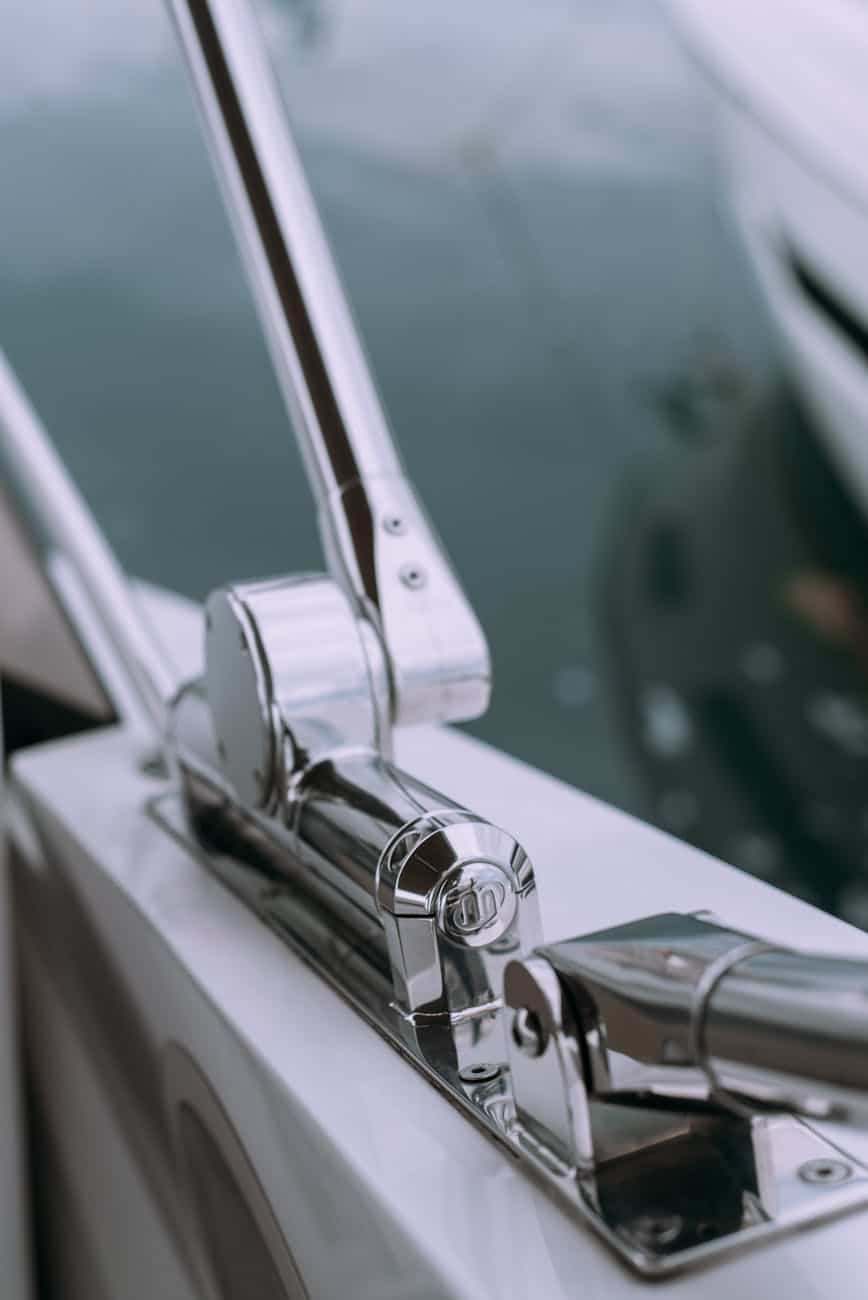
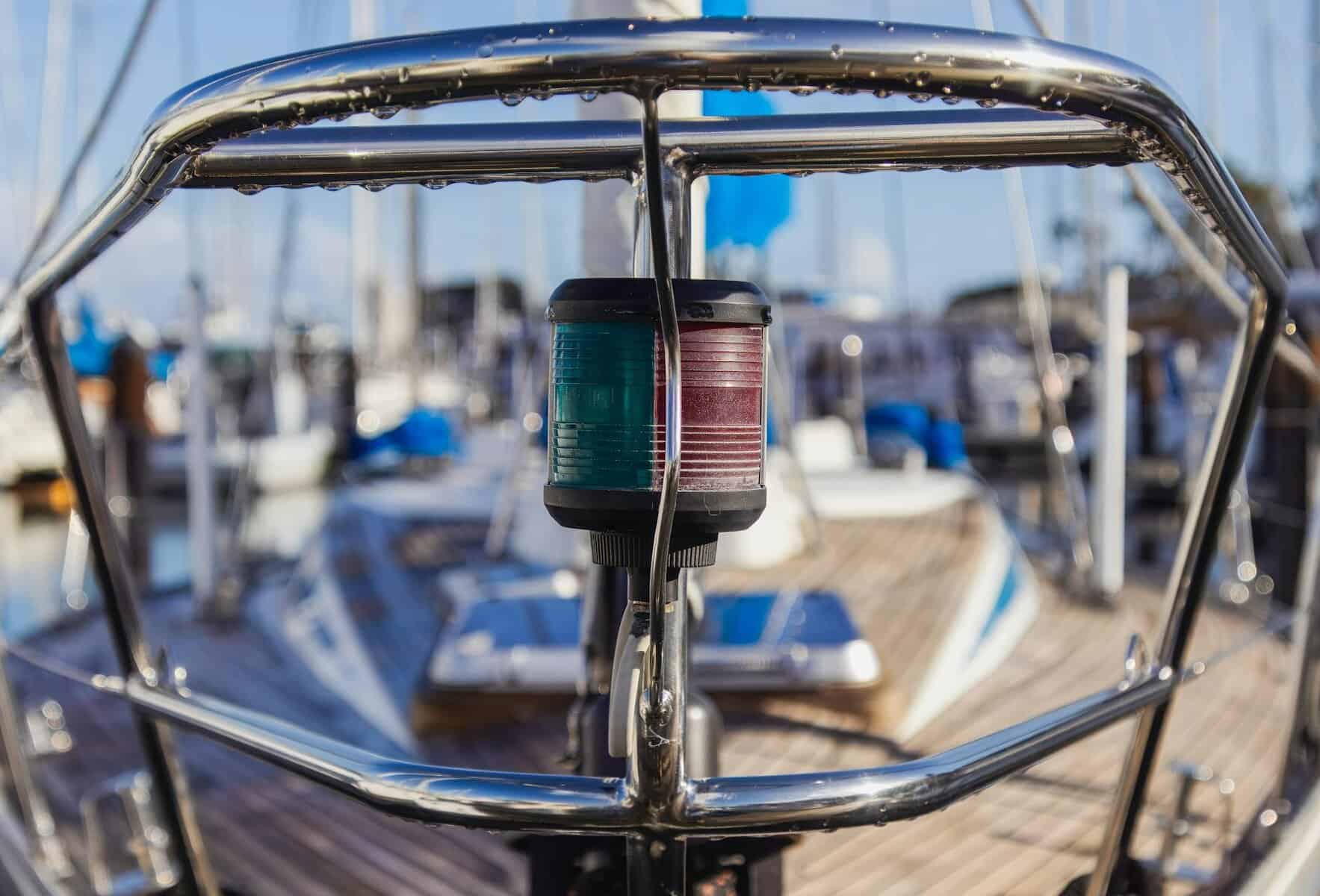
Yacht owners and marine professionals rely on durable materials to ensure longevity and safety onboard. 316 stainless steel provides outstanding resistance to harsh saltwater conditions, making it a preferred choice for deck fittings, railings, and structural components.
Boats face constant exposure to moisture, salt, and fluctuating temperatures. Therefore, understanding how marine grade stainless steel performs helps you avoid costly repairs, reduces maintenance, and improves long-term safety.
This guide explains what makes marine-grade alloys unique, why marine 316 stainless steel excels in marine applications, and how it compares to other common metals. Ultimately, you’ll know exactly why selecting the right stainless steel matters for your vessel.
This post is all about 316 Stainless Steel!
What Is Marine Grade Stainless Steel?
Understanding the Term “Marine Grade”
Marine-grade materials resist corrosion caused by seawater, salt air, and humidity. Unlike standard metals, they maintain both strength and appearance even after years of exposure.
Moreover, marine grade stainless steel is engineered specifically to withstand these conditions. Consequently, it remains the first choice for external yacht hardware and structural components.
For example, deck cleats, guardrails, and chainplates often use marine-grade alloys to prevent premature rusting, which could compromise both appearance and safety.
Why 316 Sets the Standard
Among stainless steel grades, marine grade 316 stainless steel delivers the best performance. Its secret lies in its chemical composition, especially molybdenum. This element prevents pitting and crevice corrosion caused by chlorides.
As a result, yacht builders and refit specialists almost always choose 316 for railings, deck hardware, and other exposed fittings. Its reliability reduces long-term maintenance and protects valuable components from early failure.
In addition, 316 stainless steel maintains its structural integrity even in extreme weather conditions, which further justifies its widespread use in marine applications.
316 Stainless Steel Composition
Key Alloying Elements
316 stainless steel composition includes chromium, nickel, and molybdenum. Each element serves a specific purpose:
- Chromium (16–18%) forms a passive oxide layer that protects the surface from corrosion.
- Nickel (10–14%) improves toughness, ductility, and overall corrosion resistance.
- Molybdenum (2–3%) significantly enhances resistance to chlorides, which makes it ideal for saltwater exposure.
Consequently, this precise combination gives marine 316 stainless steel its superior durability and longevity compared to other stainless steel grades.
How Composition Impacts Boat Hardware
Even small differences in alloy composition affect long-term performance. For example, a stanchion made from standard 304 stainless may show rust after a few seasons, whereas 316 can last decades with minimal maintenance.
Choosing the right alloy protects hardware, reduces repair costs, and ensures safety for crew and passengers. Moreover, it maintains the polished, professional look that yacht owners expect.
Key Properties of 316 Stainless Steel
Corrosion Resistance
One of the most notable 316 stainless steel properties is corrosion resistance. Saltwater, salt spray, and airborne chlorides rarely compromise its surface.
As a result, professionals use marine 316 stainless steel for items such as:
- Lifelines and guardrails
- Deck cleats and chocks
- Swim ladders and platforms
- Anchoring systems
In addition, corrosion resistance helps prevent tea staining, which often affects lower-grade stainless steel and diminishes the appearance of deck hardware.
Strength and Reliability
Beyond corrosion resistance, this alloy offers remarkable mechanical strength. It withstands constant load, vibration, and motion without cracking or deforming.
Moreover, this strength makes it ideal for both structural components and high-use hardware, such as winch bases or pulpit supports. Consequently, yacht owners enjoy peace of mind knowing that critical fittings will perform reliably.
Aesthetic Benefits
Boat owners value not just durability but appearance. Marine 316 stainless steel maintains a polished, high-end finish for years. Even in challenging conditions, it resists rust spots and discoloration, which helps your yacht look well-maintained and professional.
Hardness and Mechanical Performance
316 Stainless Steel Hardness
316 stainless steel hardness generally ranges from 150–190 Brinell (HB), providing an excellent balance between toughness and workability. Therefore, it resists deformation under heavy load while remaining easy to fabricate and machine.
For example, fabricators can produce custom stanchions or brackets without compromising material integrity.
Why Hardness Matters on Boats
Yacht hardware endures stress from movement, tension, and occasional impact. By choosing marine-grade 316 stainless steel, you ensure that fittings resist bending, cracking, or failure during normal use and under high-load conditions.
Consequently, this hardness contributes directly to onboard safety and structural reliability.
316 Stainless Steel vs 304
Key Differences
Many marine professionals compare 316 stainless steel vs 304 when sourcing hardware. Both alloys resist corrosion, but 316 contains molybdenum while 304 does not.
As a result, 304 performs well indoors or in freshwater environments, but on the other hand, 316 withstands saltwater exposure, chloride attack, and extreme weather conditions.
Best Choice for Marine Applications
For exterior deck fittings, guardrails, and load-bearing components, 316 is almost always superior. Using 304 in these areas, however, risks early corrosion, discoloration, and hardware failure.
Moreover, choosing 316 aligns with industry best practices for marine-grade materials and ensures long-term durability.
316L Stainless Steel: Low-Carbon Option
What Is 316L?
316L stainless steel contains lower carbon content than standard 316. This reduces the risk of carbide precipitation during welding, which minimizes localized corrosion at weld joints.
When to Use 316L
Marine fabricators often select 316L for welded railings, ladders, and structural frames. Otherwise, standard 316 performs equally well in non-welded applications. Using 316L ensures structural integrity and long-term corrosion resistance in critical areas.
Fasteners and Screws
Importance of Material Matching
Even premium hardware can fail if paired with inferior fasteners. 316 stainless steel screws complement marine-grade fittings by preventing galvanic corrosion and maintaining overall durability.
Applications on Yachts
These fasteners secure:
- Deck cleats and chocks
- Hinges and latches
- Marine electronics mounts
- Brackets and rails
By standardizing on marine-grade materials, you extend service life and reduce maintenance cycles. In addition, consistent materials simplify inspection and replacement tasks.
Stainless Steel for Boat Applications
Common Uses
Stainless steel for boat applications includes:
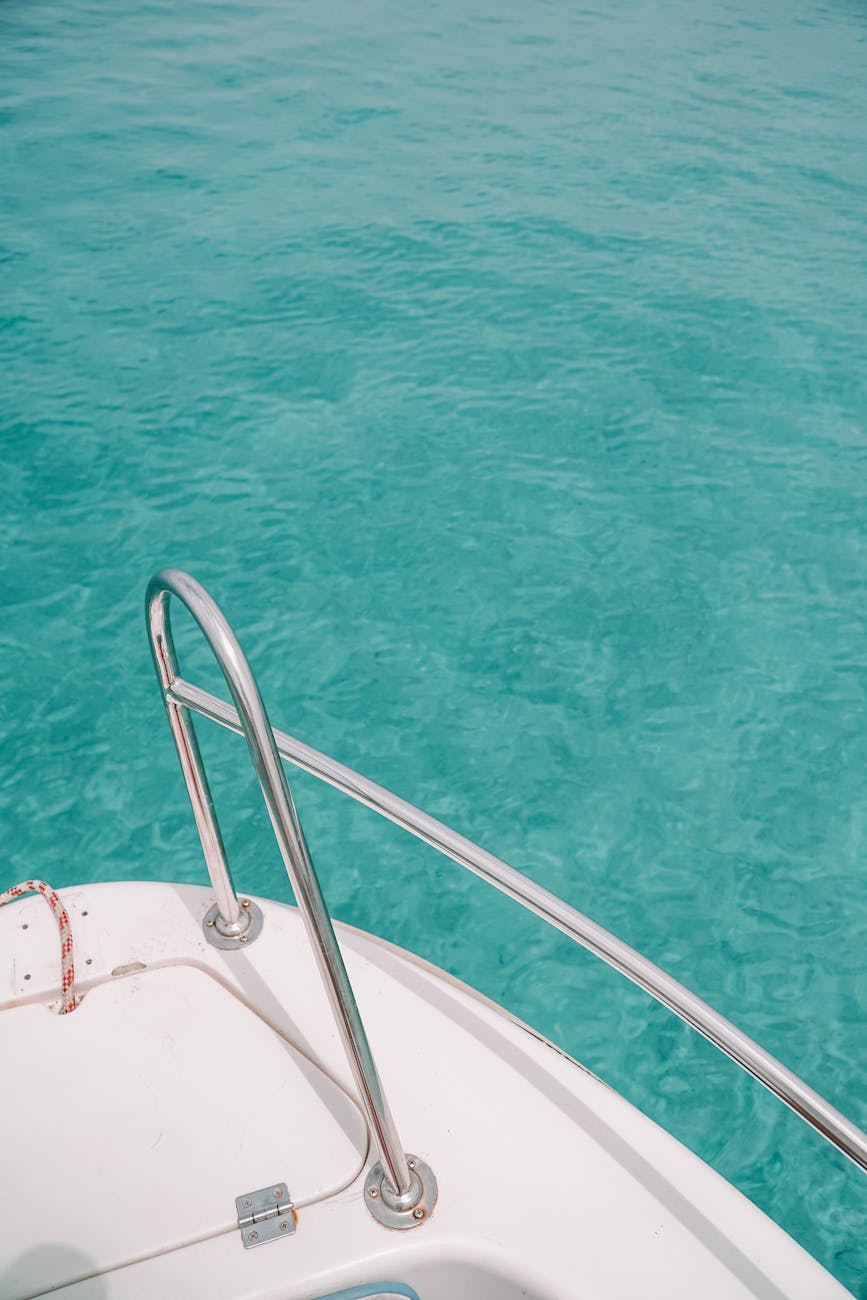
- Bow and stern rails
- Lifelines and pushpits
- Ladders and swim platforms
- Chainplates and anchor systems
Because these components face saltwater and constant handling, material choice directly affects safety, durability, and visual appeal.
Why Marine Grade Matters
Using substandard stainless steel often leads to corrosion, staining, and replacement. Therefore, selecting marine 316 stainless steel ensures hardware performs as intended and maintains the yacht’s aesthetic quality.
316 Stainless Steel Price
Factors Influencing Cost
The 316 stainless steel price generally exceeds that of standard 304 due to nickel and molybdenum content. Product form, finish, and certification also influence costs.
Long-Term Value
Despite higher upfront costs, 316 provides excellent long-term value. It reduces repair expenses, prevents failure, and minimizes maintenance. In many cases, choosing 316 saves money over the life of the vessel.
Maintenance Tips for Marine 316 Stainless Steel
Routine Cleaning
Even marine-grade stainless steel benefits from regular care. For instance, rinse with fresh water after exposure to salt spray, avoid chlorine-based cleaners, and polish periodically.
Preventing Cosmetic Staining
Tea staining can appear in high-salinity areas. Routine maintenance, proper drainage, and avoiding stagnant water reduce discoloration and preserve appearance.
Prolonging Lifespan
Regular inspection of fasteners, welded joints, and fittings ensures any potential issues are addressed early. As a result, routine care helps 316 hardware last decades.
Why Choose Marine 316 Stainless Steel for Yachts
Reliability in Harsh Conditions
Yachts operate in one of the most challenging environments. Marine 316 stainless steel consistently resists corrosion, maintains strength, and delivers reliable performance over decades.
Safety and Structural Integrity
From lifelines to load-bearing railings, using high-quality marine-grade alloys ensures that your yacht remains safe under stress. Consequently, this material selection reduces risk and protects both vessel and crew.
Appearance and Resale Value
Maintaining polished stainless steel hardware improves aesthetics and supports higher resale value. Moreover, yacht owners consistently report that marine-grade fittings help preserve their vessels’ premium look.
Final Thoughts
316 stainless steel has earned its place as the standard for marine applications. Its combination of corrosion resistance, strength, hardness, and aesthetic appeal makes it ideal for yachts and boats exposed to saltwater.
From deck hardware to marine fasteners, selecting true marine-grade stainless steel protects your investment, enhances safety, and minimizes maintenance. Ultimately, choosing 316 is not just a material decision—it’s a smart, long-term strategy for yacht durability and performance.
 310
310
310
310