← all Content & Guides
Annual yacht maintenance tasks are essential for keeping a yacht safe, reliable, and operating efficiently throughout the year. Without a clear plan for completing these annual yacht maintenance tasks, small issues can gradually develop into serious mechanical failures, safety risks, or expensive repairs. For this reason, experienced yacht owners and captains rely on a structured yacht maintenance checklist to ensure critical systems receive the attention they need every year.
Yachts operate in one of the harshest environments imaginable. Saltwater exposure, constant vibration, UV radiation, and heavy mechanical loads all contribute to wear across engines, electrical systems, hull coatings, and underwater hardware. As a result, many of the most important annual yacht maintenance tasks focus on preventing corrosion, identifying wear early, and maintaining critical onboard systems.
Additionally, following a consistent yacht maintenance schedule helps owners protect the long-term value of their vessel. By completing the right yearly yacht maintenance tasks at the right time, you reduce the risk of breakdowns, improve safety onboard, and extend the lifespan of expensive equipment.
In this guide, we break down 15 annual yacht maintenance tasks you should never skip. Along the way, we’ll also explain why each task matters, when it should be completed, and how yacht owners can incorporate these inspections into a reliable annual boat maintenance checklist for owners.
This post is all about Annual Yacht Maintenance Tasks!
Quick Answer: What Annual Yacht Maintenance Tasks Should Never Be Skipped?
The most important annual yacht maintenance tasks include servicing engines and generators, inspecting the hull, renewing antifouling paint, checking propellers and shafts, replacing sacrificial anodes, inspecting seacocks, testing bilge pumps, and reviewing electrical and battery systems. Completing these yearly yacht maintenance tasks helps prevent breakdowns, improves safety, and ensures your yacht remains reliable throughout the season.
Why Annual Yacht Maintenance Tasks Matter
Many yacht owners ask the same question: what maintenance does a yacht need every year? The answer involves far more than basic engine servicing.
A well-planned yacht annual service checklist ensures that every critical system on board receives regular inspection. As a result, potential problems can be identified early, long before they develop into major failures.
Furthermore, preventative maintenance reduces long-term repair costs. Replacing worn components during routine inspections is far less expensive than dealing with a major mechanical failure at sea.
Annual inspections also play a vital role in safety. Systems such as bilge pumps, seacocks, and electrical wiring must function correctly to prevent flooding, fire risks, or equipment failures.
For these reasons, professional captains and engineers build a structured preventative yacht maintenance checklist around annual inspections and servicing.
1. Engine and Generator Servicing
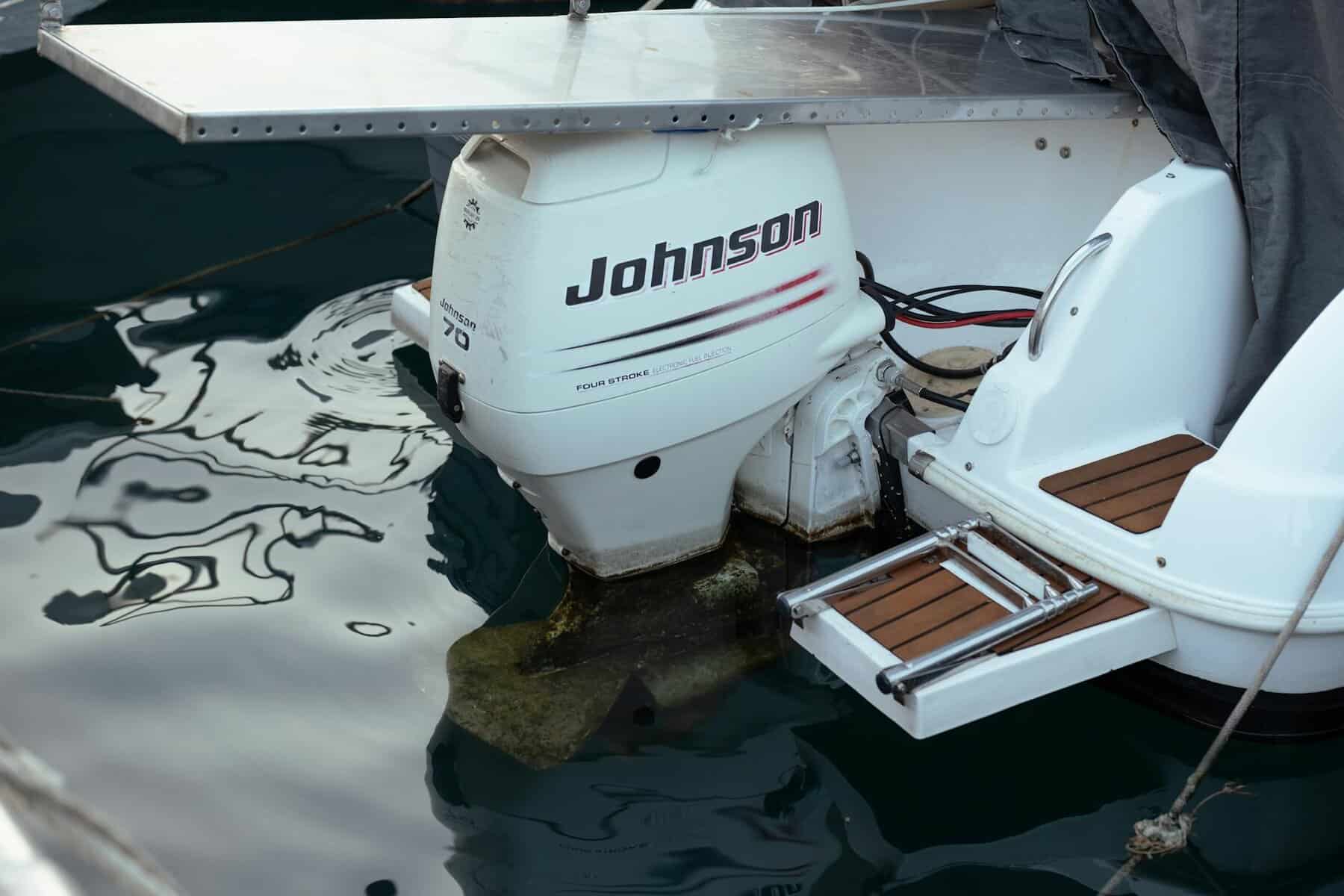
Engine servicing remains one of the most critical annual yacht maintenance tasks. Engines operate under heavy loads, and over time, heat and friction gradually degrade oils, filters, and cooling components.
As part of your yearly yacht servicing checklist, engines should typically receive:
- Oil and oil filter replacement
- Fuel filter changes
- Air filter inspection or replacement
- Raw water impeller replacement
- Cooling system inspection
- Belt and hose checks
Meanwhile, generators require similar servicing because they operate under constant electrical loads.
Regular engine maintenance for yachts improves reliability and prevents issues such as overheating, fuel contamination problems, and unexpected breakdowns.
2. Hull Inspection and Cleaning
Another key part of annual yacht maintenance tasks involves inspecting the hull structure. Even small defects can worsen quickly when exposed to saltwater and marine growth.
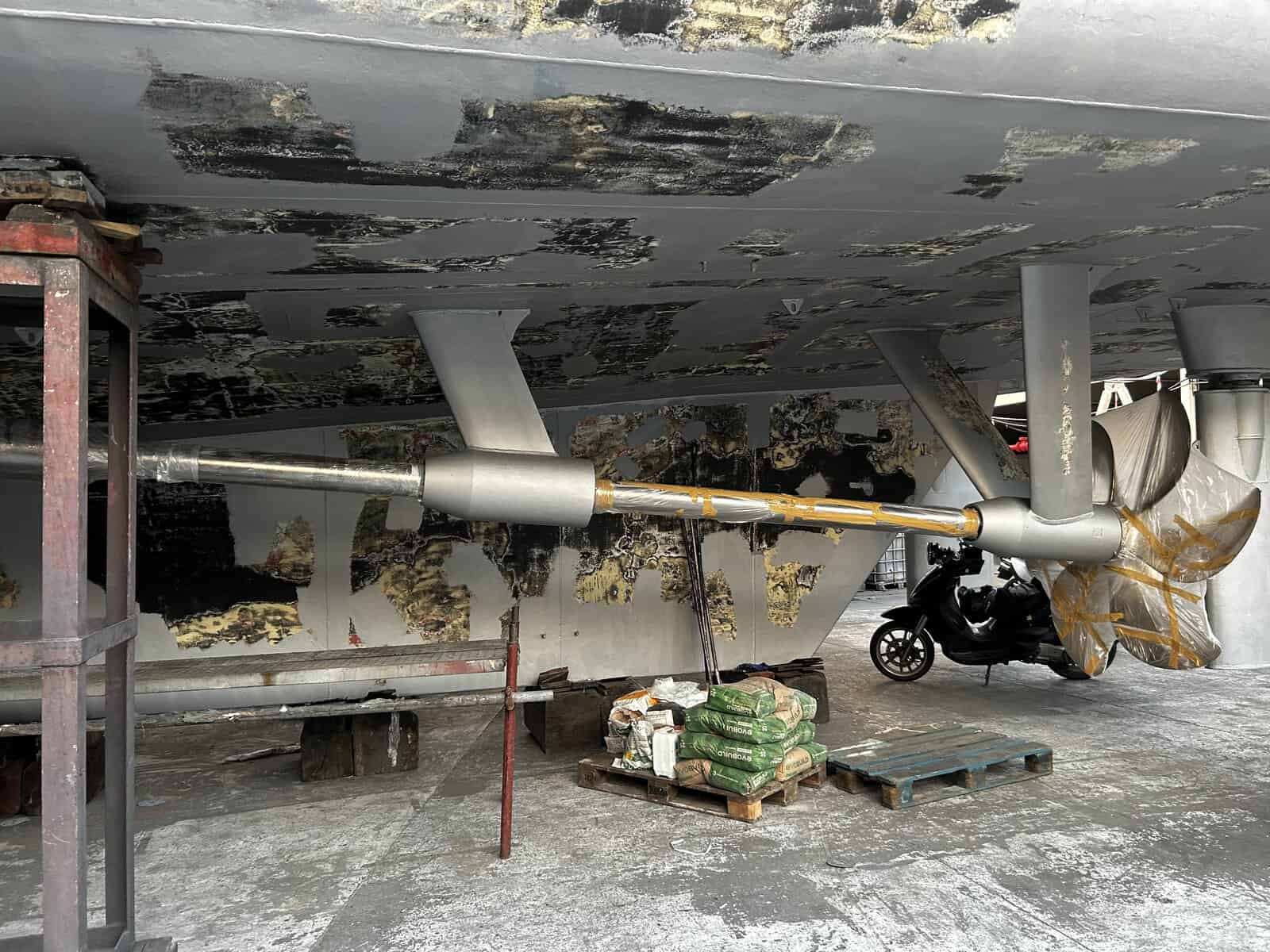
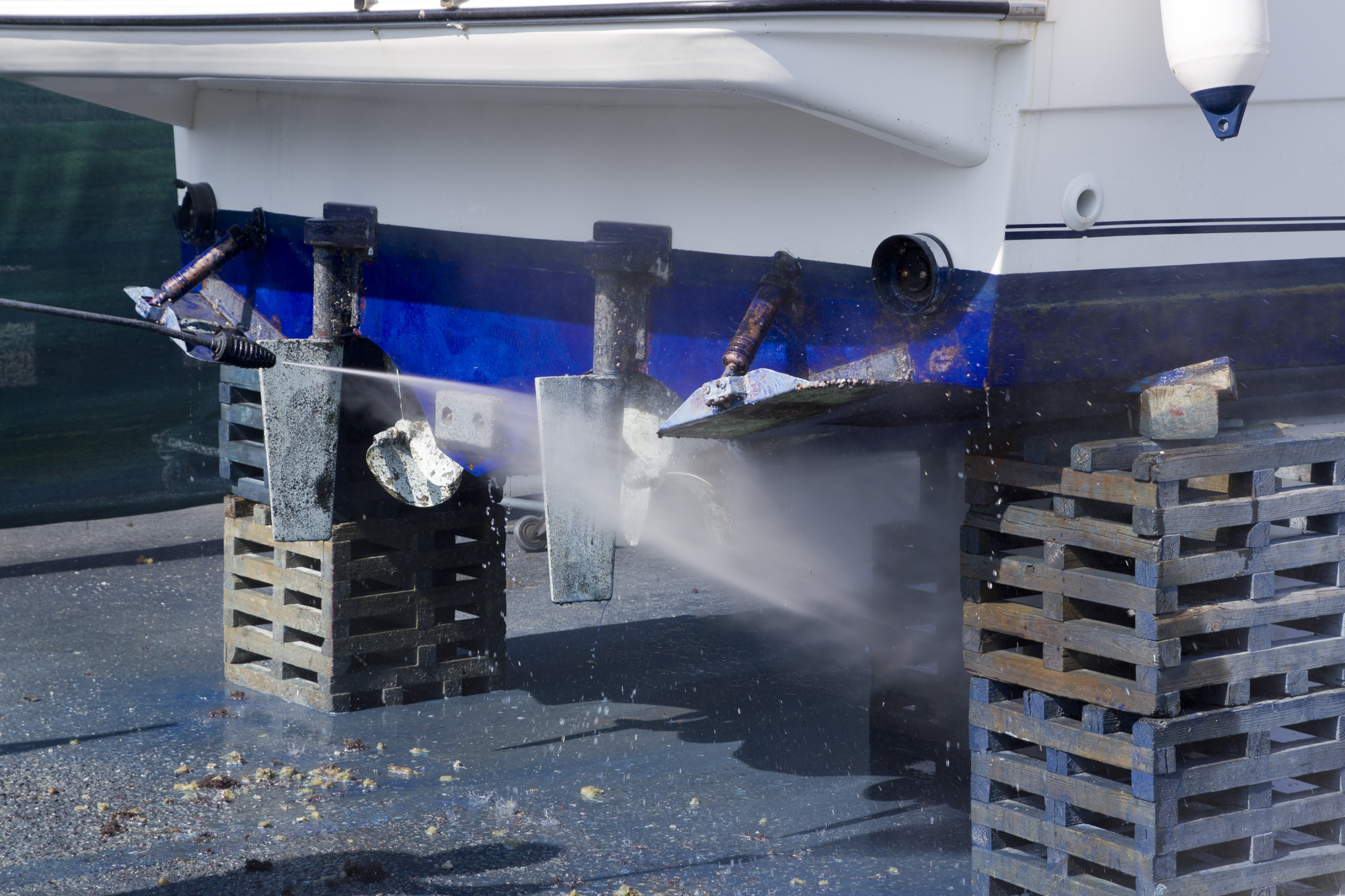
During a haul-out inspection, technicians usually check for:
- Fiberglass blistering
- Gelcoat cracks
- Corrosion on metal hulls
- Structural stress marks
- Damage from debris or grounding
Additionally, hull cleaning improves hydrodynamic efficiency. As a result, a well-maintained hull reduces drag and improves fuel economy.
Proper yacht hull maintenance therefore protects both performance and structural integrity.
3. Renew Antifouling Protection
Marine growth develops rapidly on submerged surfaces. Barnacles, algae, and slime quickly increase drag and reduce vessel performance.
For this reason, antifouling renewal is a common part of many annual yacht maintenance tasks.
A fresh coating of antifouling paint:
- Prevents marine growth accumulation
- Improves fuel efficiency
- Protects hull coatings
- Maintains cruising performance
Most vessels include antifouling renewal in their yacht haul out maintenance checklist.
See the 15 must know facts about boat antifouling paint.
4. Inspect Propellers and Running Gear
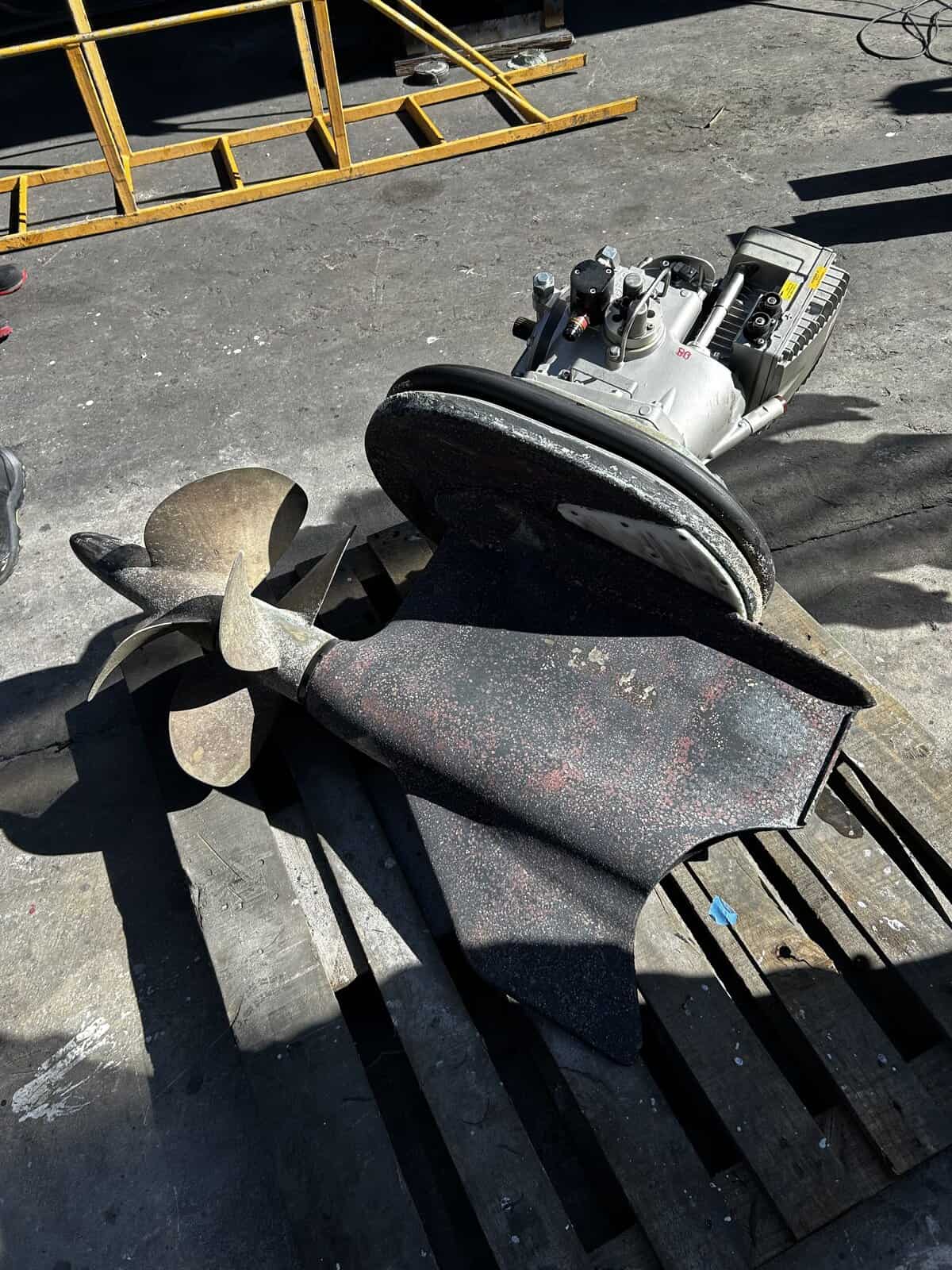
Propellers, shafts, and rudders operate in harsh underwater conditions. Therefore, they must be inspected carefully as part of routine yacht propeller maintenance.
Annual inspections should check for:
- Bent propeller blades
- Corrosion or pitting
- Rope or fishing line entanglement
- Cutlass bearing wear
- Shaft alignment problems
Even minor propeller damage can cause vibration. Over time, that vibration can damage gearboxes, engine mounts, and shaft bearings.
5. Replace Sacrificial Anodes
Sacrificial anodes protect underwater metals from galvanic corrosion. However, these anodes gradually dissolve as they perform their protective role.
For this reason, replacing worn anodes is one of the most important annual yacht maintenance tasks.
Anodes typically protect:
- Propellers
- Shafts
- Trim tabs
- Thrusters
- Metal hull fittings
Without adequate anode protection, corrosion can quickly damage expensive underwater components.
6. Inspect Through-Hulls and Seacocks
Through-hull fittings allow seawater to enter and exit the vessel for cooling systems, air conditioning, and plumbing.
However, these fittings also represent potential flooding points. Therefore, seacock inspection yacht routines should always form part of a yearly inspection.
During annual checks, owners should ensure:
- Valves open and close smoothly
- No corrosion is present
- Hoses remain secure
- Clamps remain tight
Maintaining seacocks is one of the most important essential yacht maintenance tasks for vessel safety.
7. Test Bilge Pumps and Float Switches
Bilge pumps serve as the final defence against water accumulation inside the hull.
Therefore, yacht bilge pump maintenance should always appear on your annual boat maintenance checklist.
Annual inspections should include:
- Testing automatic float switches
- Cleaning pump strainers
- Inspecting electrical wiring
- Verifying backup pumps operate correctly
When pumps fail during emergencies, flooding can escalate rapidly.
8. Inspect Batteries and Charging Systems
Electrical reliability depends heavily on healthy batteries. Unfortunately, vibration, temperature changes, and deep discharge cycles gradually reduce battery performance.
For this reason, yacht battery maintenance remains one of the most important yearly boat maintenance tasks.
Annual inspections should include:
- Load testing batteries
- Cleaning terminals
- Checking battery cables
- Testing charging systems
Reliable batteries ensure navigation equipment, safety systems, and lighting remain operational.
9. Inspect Electrical Systems
Electrical systems operate throughout the vessel. However, salt air and moisture slowly degrade wiring and connectors.
As a result, annual marine electrical maintenance inspections should examine:
- Electrical panels
- Circuit breakers
- Shore power connections
- Lighting circuits
- Wiring connections
Early detection of electrical faults reduces the risk of equipment failures and electrical fires.
10. Inspect Steering Systems
Steering systems experience constant mechanical loads. Therefore, they require regular inspection.
Annual checks should include:
- Hydraulic fluid inspection
- Hydraulic hose checks
- Steering ram inspection
- Mechanical linkage examination
Maintaining steering reliability ensures safe manoeuvring in tight harbours and rough seas.
11. Inspect Fuel Systems
Fuel systems require regular inspection because contamination and microbial growth can occur inside tanks.
Annual servicing often includes:
- Fuel filter replacement
- Fuel line inspection
- Water separator cleaning
- Tank inspection
Regular servicing ensures engines receive clean, uncontaminated fuel.
12. Service Freshwater and Plumbing Systems
Freshwater systems often receive less attention than engines. However, they remain important for onboard comfort and hygiene.
Annual inspections should include:
- Water pump testing
- Pipe inspection
- Tank cleaning
- Water heater servicing
Maintaining plumbing systems prevents leaks and improves onboard water quality.
13. Inspect Deck Hardware and Safety Equipment
Deck fittings and safety gear must remain reliable at all times. Exposure to saltwater and sunlight gradually weakens materials.
Therefore, annual inspections should include:
- Mooring cleats
- Windlass systems
- Handrails and stanchions
- Fire extinguishers
- Lifejackets and safety gear
Regular inspections ensure equipment performs correctly during emergencies.
14. Service Air Conditioning and Refrigeration Systems
Many modern yachts rely heavily on climate control systems.
Annual servicing should include:
- Raw water pump inspection
- Cooling system flushing
- Condenser cleaning
- Refrigerant checks
Regular servicing improves efficiency and prevents system failures.
15. Inspect Deck Sealants and Exterior Fittings
Finally, deck sealants and fittings should be inspected annually to prevent water intrusion.
Owners should inspect:
- Hatch seals
- Window seals
- Deck fittings
- Teak deck seams
Small leaks can eventually lead to significant structural damage if left untreated.
Common Mistakes Yacht Owners Make With Annual Yacht Maintenance Tasks
Even experienced owners sometimes overlook critical annual yacht maintenance tasks.
One common mistake involves delaying preventative maintenance. Postponing inspections often allows small issues to develop into major failures. Another mistake involves ignoring early signs of corrosion. Corrosion spreads quickly in marine environments, so early treatment is essential.
Additionally, some owners focus heavily on engine servicing while neglecting systems like seacocks, electrical panels, and bilge pumps. Finally, failing to follow a structured boat maintenance checklist yearly often results in missed inspections.
A clearly defined yacht maintenance routine helps ensure every system receives proper attention.
Practical Preventative Maintenance Tips
Effective yacht preventative maintenance focuses on early detection and consistency.
First, maintain a detailed maintenance log. Recording inspections helps track component lifespans and identify recurring issues.
Next, perform frequent visual inspections. Many problems reveal themselves through corrosion spots, leaks, or unusual vibration.
Finally, combine owner inspections with professional servicing. While engineers perform specialised tasks, regular checks by owners or crew help detect issues early.
Frequently Asked Questions About Annual Yacht Maintenance Tasks
What maintenance does a yacht need every year? Every yacht requires regular annual yacht maintenance tasks, including engine servicing, hull inspections, antifouling renewal, anode replacement, electrical checks, and safety equipment inspections.
How much does yearly yacht maintenance cost? Annual maintenance costs vary depending on vessel size and complexity. However, many yacht owners budget 5–10% of the vessel’s value annually for maintenance and servicing.
When should annual yacht maintenance be completed? Most owners schedule their yearly yacht maintenance tasks during haul-out or during the off-season before the cruising season begins.
Can yacht owners perform their own maintenance? Many tasks in a boat annual maintenance checklist can be performed by knowledgeable owners. However, complex systems such as engines, steering systems, and electrical work should often be inspected by professionals.
What happens if yacht maintenance is skipped? Skipping annual yacht maintenance tasks increases the risk of breakdowns, corrosion damage, safety hazards, and expensive repairs.
Summary Of Annual Yacht Maintenance Tasks
Completing the right annual yacht maintenance tasks each year is essential for keeping a yacht safe, reliable, and efficient.
From engine servicing and antifouling to electrical inspections and bilge pump testing, these yearly yacht maintenance tasks form the foundation of responsible yacht ownership.
Yachts operate in demanding marine environments where small problems can escalate quickly. However, by following a structured yacht maintenance checklist and prioritising preventative care, owners can detect issues early and protect their vessel for the long term.
Ultimately, consistent maintenance is one of the most important investments a yacht owner can make.
 310
310
310
310