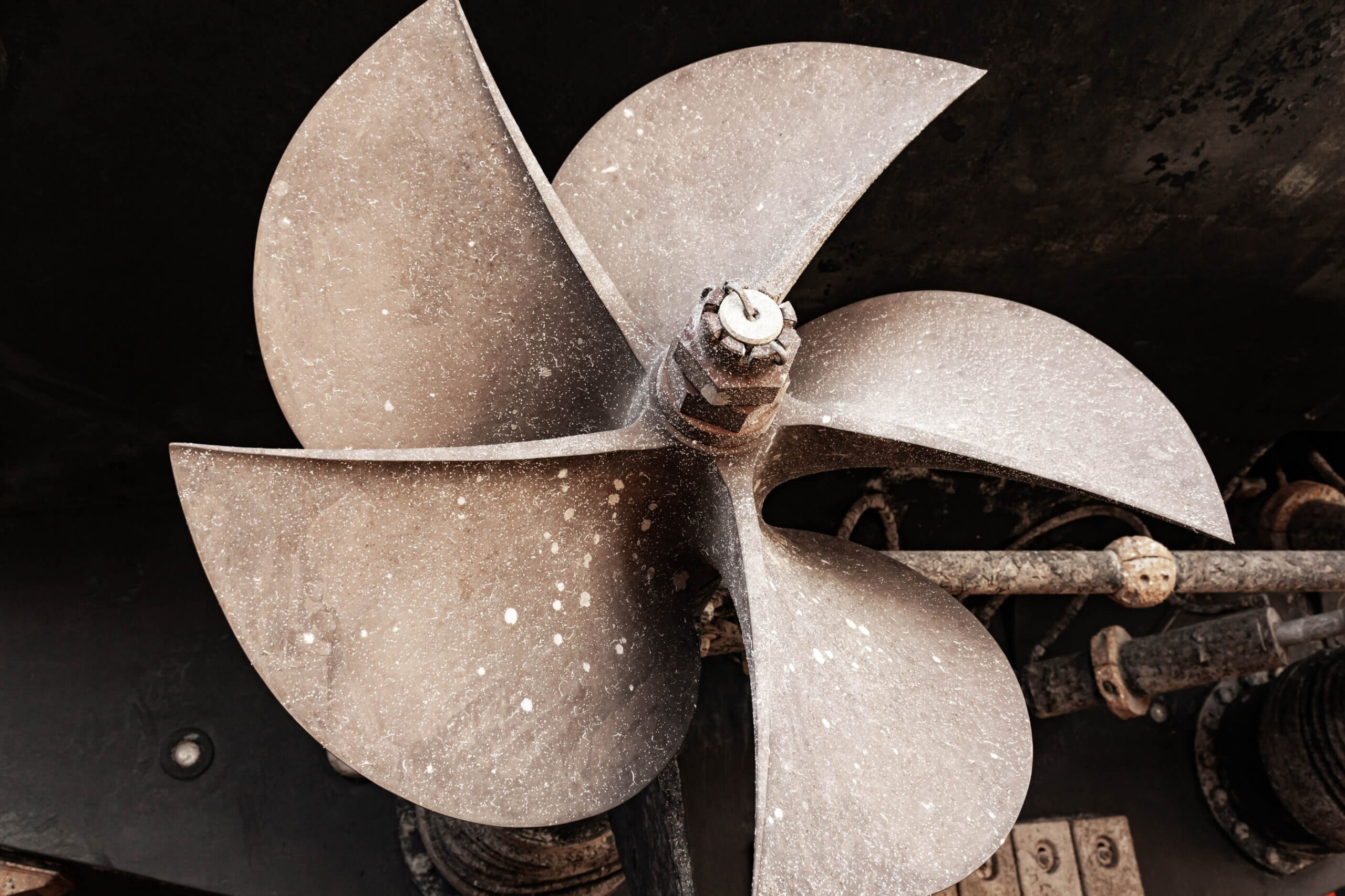
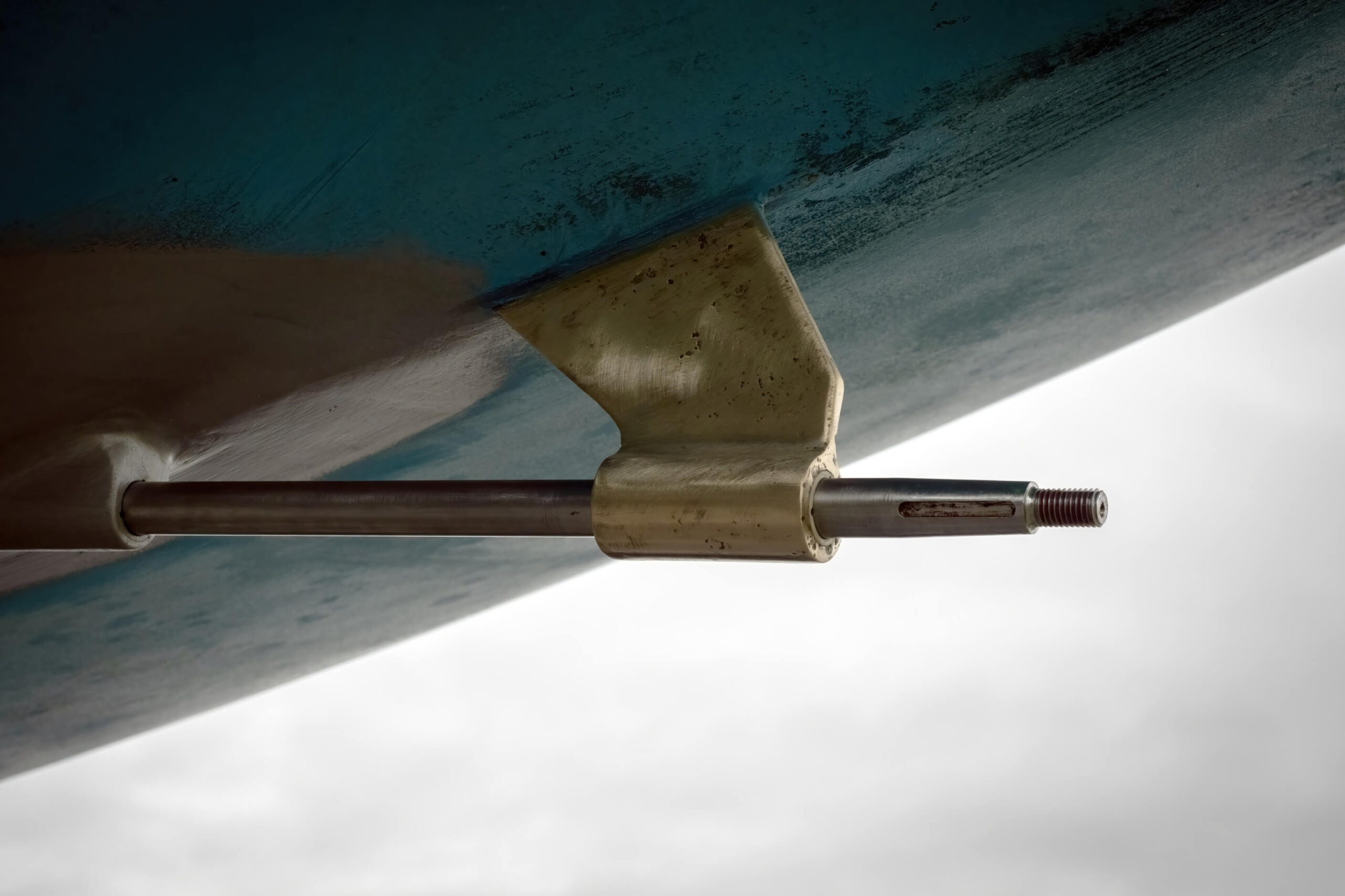
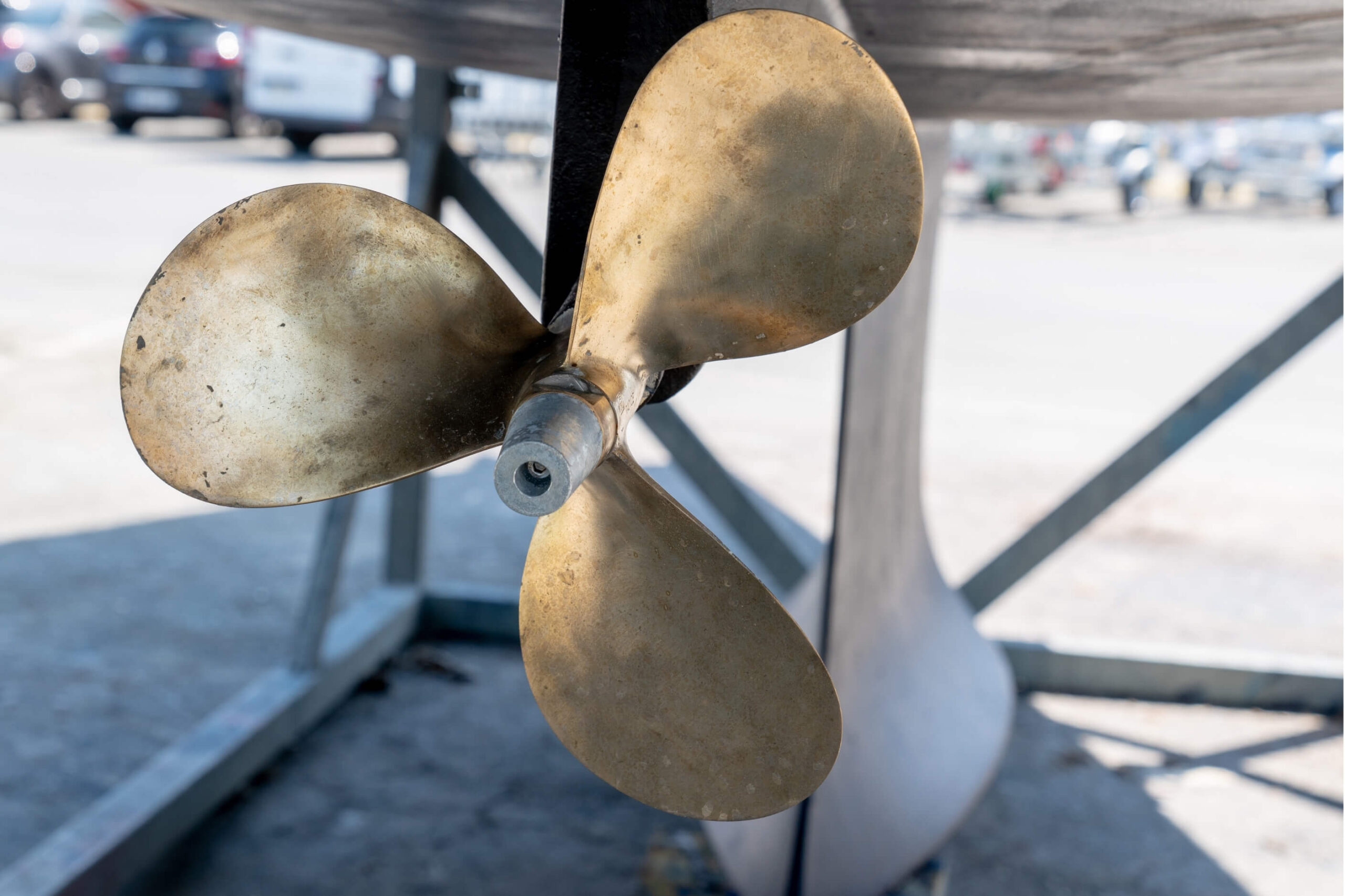
A boat propeller shaft seal is easy to overlook because it usually sits low in the bilge, tucked behind the engine or gearbox. However, this small part does a very important job. It helps stop seawater from entering the boat where the propeller shaft passes through the hull.
Because of that, Propeller Shaft Seals should be treated as safety-critical maintenance items. A small drip may not look serious at first, but over time it can lead to corrosion, bilge water, worn parts, and, in the worst case, serious water ingress.
In this guide, we explain how a marine propeller shaft seal works, the common warning signs, typical propeller shaft seal problems, maintenance intervals, replacement costs, and when to call a marine professional.
Some links on this page are affiliate links. This means The Yacht Maintenance Hub may earn a commission if you click through and make a purchase, at no extra cost to you. We only recommend products, tools and marine suppliers that we believe are useful for yacht owners, captains, crew and marine professionals.
Quick Answer
Propeller Shaft Seals stop seawater from entering the boat where the propeller shaft exits the hull. They should be checked regularly for leaks, cracked rubber, loose clamps, salt deposits, overheating, and vibration. If you notice a propeller shaft seal leak, the seal should be inspected before the problem becomes more expensive or unsafe.
What Is a Propeller Shaft Seal?
A prop shaft seal is the sealing system fitted around the propeller shaft as it exits the hull. The shaft must rotate freely, but the hull opening must still remain watertight.
In simple terms, the seal has two jobs:
Keep seawater out
Allow the shaft to spin smoothly
Depending on the boat, the boat shaft seal may be a traditional stuffing box, a modern dripless shaft seal, a lip seal, or a mechanical face seal. Although these systems work differently, they all protect the boat from water entering around the shaft.
This is why regular propeller shaft seal inspection matters. If the seal fails, the issue is not just mechanical. It is also a below-waterline safety concern.
Why Propeller Shaft Seals Matter
A healthy marine shaft seal helps keep the bilge dry, protects nearby equipment, and supports reliable propulsion. On the other hand, a failing seal can create several problems at once.
For example, water around the shaft area can lead to:
Bilge pump cycling
Saltwater corrosion
Rusty clamps, mounts, and couplings
Wet insulation
Damaged wiring
Unpleasant bilge smells
Higher risk during long passages
In addition, saltwater often causes damage before the leak looks dramatic. Therefore, a small leak should never be dismissed as “just a drip.”
Main Types of Propeller Shaft Seals
Not every marine propeller shaft seal is the same. So, before planning maintenance, it helps to know which system your boat has.
Seal Type
Best For
Main Benefit
Watch Out For
Stuffing box
Traditional boats
Simple and serviceable
Needs correct adjustment
Dripless shaft seal
Modern yachts
Keeps bilges drier
Bellows and clamps need inspection
Lip seal
Compact installations
Simple design
Shaft condition matters
Face seal
Higher-quality systems
Efficient sealing
Correct alignment is important
Stuffing Box
A stuffing box uses packing material compressed around the shaft. It normally allows a controlled drip of water, which helps cool and lubricate the packing.
However, if it drips too much, it may need adjustment. If it is too tight, it can overheat and wear the shaft.
Dripless Shaft Seal
A dripless propeller shaft seal is designed to keep the bilge dry by stopping most or all water from entering around the shaft. These systems often use rubber bellows, a rotor, and a sealing face.
However, “dripless” does not mean maintenance-free. Bellows age, clamps corrode, and sealing faces can wear. Therefore, these systems still need scheduled checks.
Lip Seal
A lip seal uses rubber sealing lips around the shaft. These are common on many production boats. They are compact and simple, but they rely heavily on a smooth shaft surface and correct lubrication.
Shaft Seal vs Stuffing Box
Many owners compare shaft seal vs stuffing box options when upgrading or repairing their boat.
A traditional stuffing box is simple, widely understood, and often cheaper to service. However, it usually needs a small controlled drip. A dripless shaft seal keeps the bilge cleaner and drier, but it has rubber components that must be replaced at the correct interval.
So, when comparing stuffing box vs dripless shaft seal, the better choice depends on the boat, shaft condition, budget, access, and how the vessel is used.
For older boats, a well-maintained stuffing box may be perfectly suitable. For newer yachts or owners who want a dry bilge, a dripless shaft seal may be a better option.
Common Propeller Shaft Seal Problems
Most propeller shaft seal problems start small. Fortunately, if you check the area regularly, you can often catch them early.
1. Propeller Shaft Seal Leak
A propeller shaft seal leak may appear as dripping, spraying, or water tracking along the shaft.
Common causes include:
Worn packing
Loose hose clamps
Cracked bellows
Damaged lip seals
Shaft scoring
Poor shaft alignment
Incorrect installation
Dirt or debris on the sealing face
If you notice a leaking shaft seal, do not ignore it. First, check whether the leak happens only when the shaft turns or also when the boat is stationary. Then, inspect the seal and surrounding area carefully.
2. Cracked Bellows
On many dripless shaft seal systems, the bellows create the pressure that keeps the sealing faces together. Over time, rubber can harden, crack, or lose flexibility.
This is serious because damaged bellows can lead to sudden propeller shaft seal failure.
3. Loose or Rusty Clamps
Hose clamps hold the seal securely to the shaft log or stern tube. If they loosen, corrode, or break, water can enter quickly.
Therefore, clamps should be clean, tight, correctly positioned, and replaced if they show signs of corrosion.
4. Shaft Wear
A damaged shaft can stop the seal from working properly. Grooves, pitting, corrosion, or scoring can cause repeated leaks, even after a new seal is fitted.
Because of this, the shaft surface should always be inspected during propeller shaft seal replacement.
5. Vibration
Vibration can damage seals, loosen clamps, and wear sealing faces unevenly. If a boat shaft seal leaking issue appears after propeller damage, grounding, engine alignment work, or shaft removal, check alignment as well as the seal.
How to Check a Propeller Shaft Seal
Knowing how to check a propeller shaft seal is useful for owners and crew. You do not need to dismantle the system for a basic check, but you do need to be consistent.
Check
What to Look For
Why It Matters
Bilge water
More water than normal
Early leak warning
Salt deposits
White crust around seal
Shows past or current leaking
Bellows
Cracks, splits, stiffness
Rubber failure can be serious
Clamps
Rust, looseness, poor position
Clamps secure the seal
Shaft
Grooves, scoring, corrosion
A damaged shaft may not seal
Temperature
Hot seal after running
May show poor lubrication
Movement
Seal shifting or wobbling
Can cause uneven wear
As a habit, inspect the seal before long trips, after launch, during engine room checks, and at haul out. Also, check it after any work on the shaft, gearbox, coupling, engine mounts, or propeller.
Propeller Shaft Seal Maintenance
Good propeller shaft seal maintenance is mostly about prevention. The aim is to spot small issues before they become expensive.
Depending on the system, maintenance may include:
Checking for leaks
Inspecting bellows and rubber parts
Checking clamps
Cleaning salt deposits
Checking cooling or vent lines
Greasing approved seals
Adjusting stuffing box packing
Replacing old packing
Checking shaft alignment
Recording service dates
However, always follow the seal manufacturer’s guidance. Some seals need grease, while others should not be greased at all. Using the wrong product can damage rubber or contaminate the sealing faces.
Suggested Maintenance Schedule
Interval
Maintenance Task
Every engine room check
Look for leaks, spray, and unusual bilge water
Monthly during use
Check clamps, rubber condition, salt deposits, and heat
Before long passages
Inspect the seal and confirm bilge pumps work
After launch
Check for leaks and vent/burp seals if required
Annual haul out
Inspect shaft, seal body, clamps, and alignment
Manufacturer interval
Replace bellows, lip seals, O-rings, or packing as required
Propeller Shaft Seal Replacement
Propeller shaft seal replacement is usually done during haul out because the seal is part of a below-waterline system. In many cases, the shaft coupling must be removed or the shaft must be moved enough to slide the old seal off.
A typical replacement may involve:
Hauling the boat safely
Accessing the seal and shaft coupling
Removing the old seal
Inspecting the shaft surface
Cleaning the stern tube area
Installing the new seal
Setting correct compression or position
Replacing clamps and fasteners
Checking shaft alignment
Testing carefully after launch
A prop shaft seal replacement may sound simple, but access can make the job difficult. Seized couplings, poor engine room space, shaft wear, or alignment issues can quickly turn it into a professional job.
Propeller Shaft Seal Cost
The propeller shaft seal cost depends on the boat size, shaft diameter, seal type, access, labour rates, and whether the boat is already out of the water.
Cost Item
What Affects the Price
Packing material
Usually low cost
Lip seal
Depends on shaft size and brand
Dripless shaft seal kit
Higher part cost but cleaner bilge operation
Labour
Access and seized parts can increase time
Haul out
Often the biggest extra cost
Shaft repair
Needed if the shaft is scored or worn
Alignment
May be required after replacement
Generally, replacing the seal during a planned haul out is much cheaper than waiting for an emergency leak.
DIY vs Professional Help
Owners and crew can usually handle basic inspection. Experienced boat owners may also adjust a stuffing box or replace packing.
However, call a marine professional if:
The leak is increasing
The seal is below the waterline and hard to access
The bellows are cracked
The shaft is scored
The coupling is seized
There is vibration
You are replacing a dripless propeller shaft seal
You are unsure how the system should be set up
Because this is a below-waterline component, it is better to be cautious than confident and wrong.
Common Mistakes to Avoid
The biggest mistake is assuming a dry bilge means everything is fine. A dripless shaft seal can look clean while the rubber is ageing or the clamps are corroding.
Another common mistake is over-tightening a stuffing box. This can stop the drip, but it can also overheat the packing and damage the shaft.
Also, avoid using random grease, sealant, or lubricant. Some products are not compatible with rubber or sealing faces.
Finally, do not replace the seal without checking the shaft. If the shaft is grooved or pitted, the new seal may leak again.
Practical Tips for Owners and Crew
To make this simple, add propeller shaft seal inspection to your routine engine room checks.
Look for water, salt, heat, movement, and vibration. Then, record anything unusual in the maintenance log. If the leak changes when the shaft is turning, investigate it straight away.
For related TYMH guides, check out the links below,
A propeller shaft seal stops seawater from entering the boat where the propeller shaft passes through the hull. It allows the shaft to rotate while keeping the hull opening sealed.
How often should Propeller Shaft Seals be inspected?
Propeller Shaft Seals should be checked during routine engine room checks, before long passages, after launch, and during annual haul out.
What causes a propeller shaft seal leak?
A propeller shaft seal leak can be caused by worn packing, cracked bellows, damaged lip seals, loose clamps, shaft scoring, poor alignment, or incorrect installation.
Is a dripless shaft seal better than a stuffing box?
A dripless shaft seal keeps the bilge drier, but it still needs maintenance. A stuffing box is simpler and easier to service, but it usually allows a controlled drip.
Can I replace a propeller shaft seal myself?
Some experienced owners can handle basic propeller shaft seal replacement during haul out. However, larger yachts, poor access, serious leaks, vibration, and dripless systems are best handled by a marine professional.
Conclusion
Propeller Shaft Seals are small parts with a big responsibility. They keep seawater out, protect the bilge, and help the propulsion system operate safely.
The best approach is simple: inspect regularly, keep the area clean, replace ageing parts before failure, and never ignore a leak. If something looks wrong, deal with it early. It will almost always be cheaper and safer than waiting.
Join the newsletter for practical yacht maintenance advice, new guide releases, downloadable resources, product recommendations and seasonal reminders designed to help owners, captains and crew make better maintenance decisions onboard. As TYMH grows, subscribers will also get early access to new checklists, maintenance resources, recommended products and exclusive offers or discounts from selected marine brands.
Success
Thank you for signing up to receive updates from The Yacht Maintenance Hub.
We track how people interact with our online web content and resources, and some of that tracking involves storing cookies on your device. By continuing to use our site you accept that you agree to this. For more details see our Privacy Statement.
 310
310
310
310