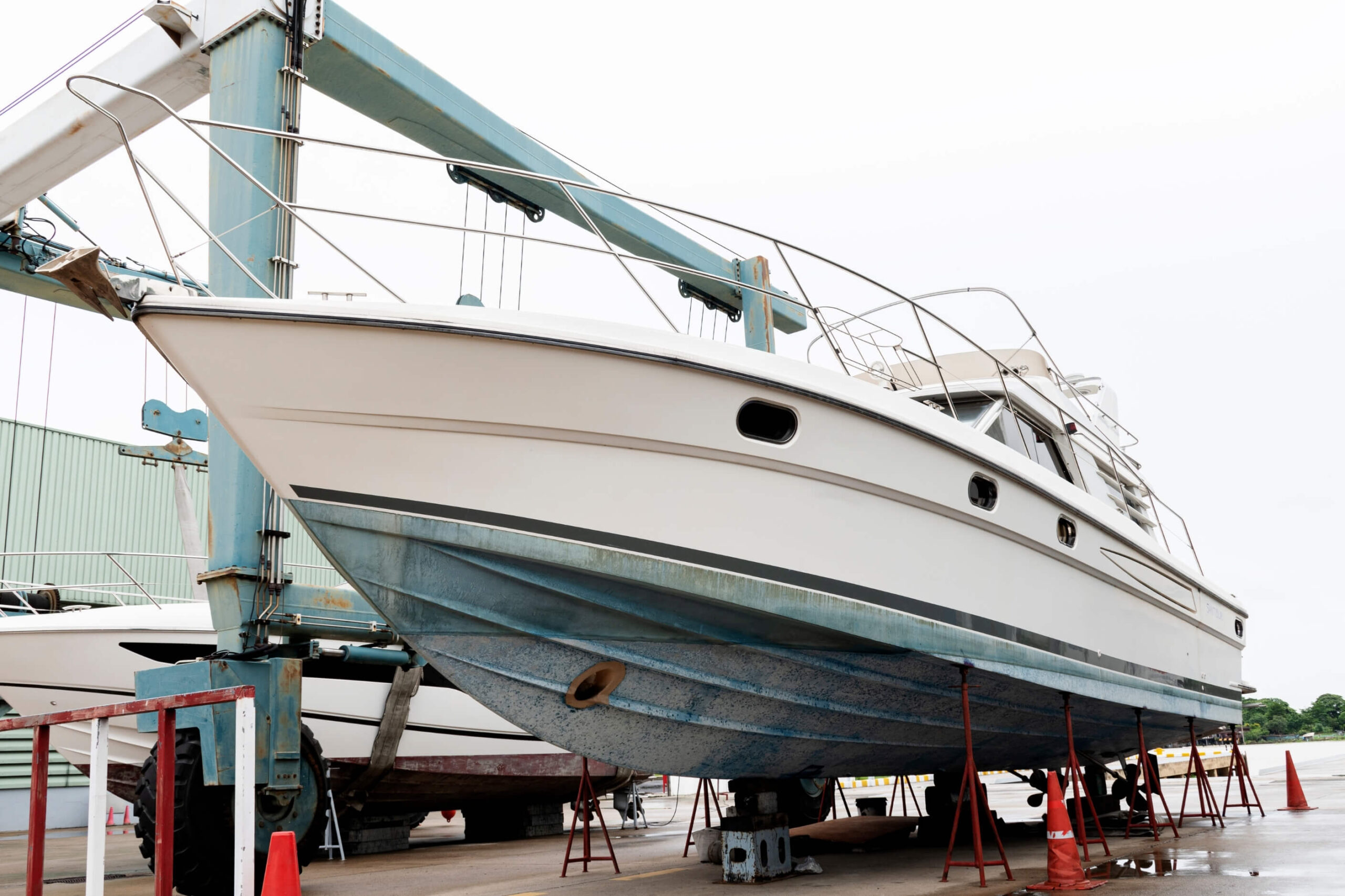
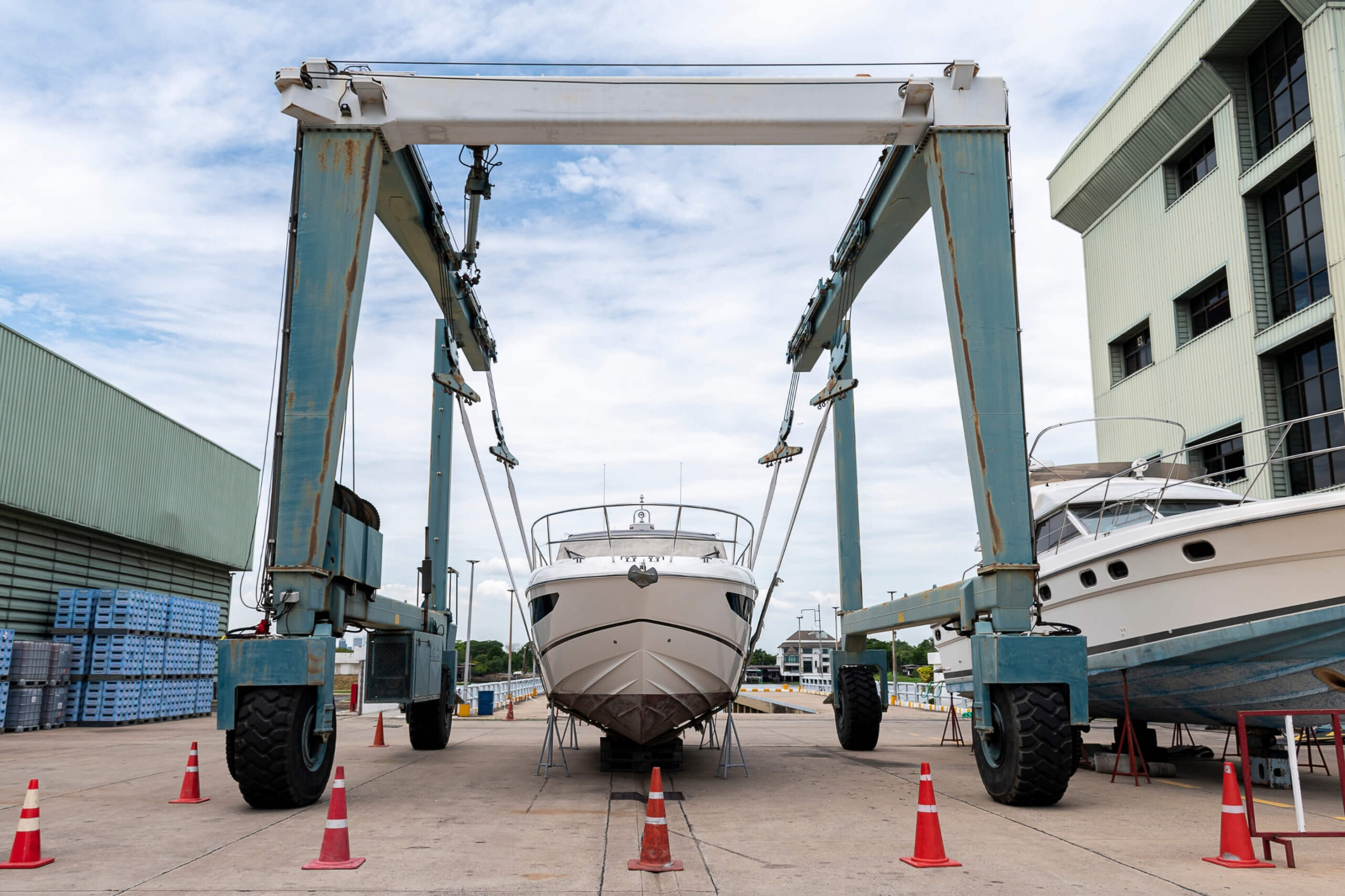
A boat haul out is one of the most important maintenance points in the boating year. Once the boat is ashore, you can properly inspect the hull, antifouling, anodes, seacocks, propellers, shafts, rudders and underwater fittings.
However, haul out is also where costs can rise quickly. A simple lift, wash and relaunch can become much more expensive if the yard finds corrosion, impact damage, seized fittings or overdue underwater maintenance.
Therefore, this guide explains the full boat haul out process, typical boat haul out cost, essential checks, common mistakes and the maintenance jobs worth planning before your next yard period.
Some links on this page are affiliate links. This means The Yacht Maintenance Hub may earn a commission if you click through and make a purchase, at no extra cost to you. We only recommend products, tools and marine suppliers that we believe are useful for yacht owners, captains, crew and marine professionals.
This article is all about Boat Haul Outs!
Quick Answer: What happens during a boat haul out?
A boat haul out is when a boat is lifted out of the water using a travel lift, crane, trailer or marine railway so the hull and underwater gear can be inspected, cleaned and maintained. Most boats need an annual boat haul out for antifouling, marine anode replacement, seacock inspection, through hull inspection and general underwater maintenance.
What Is a Boat Haul Out?
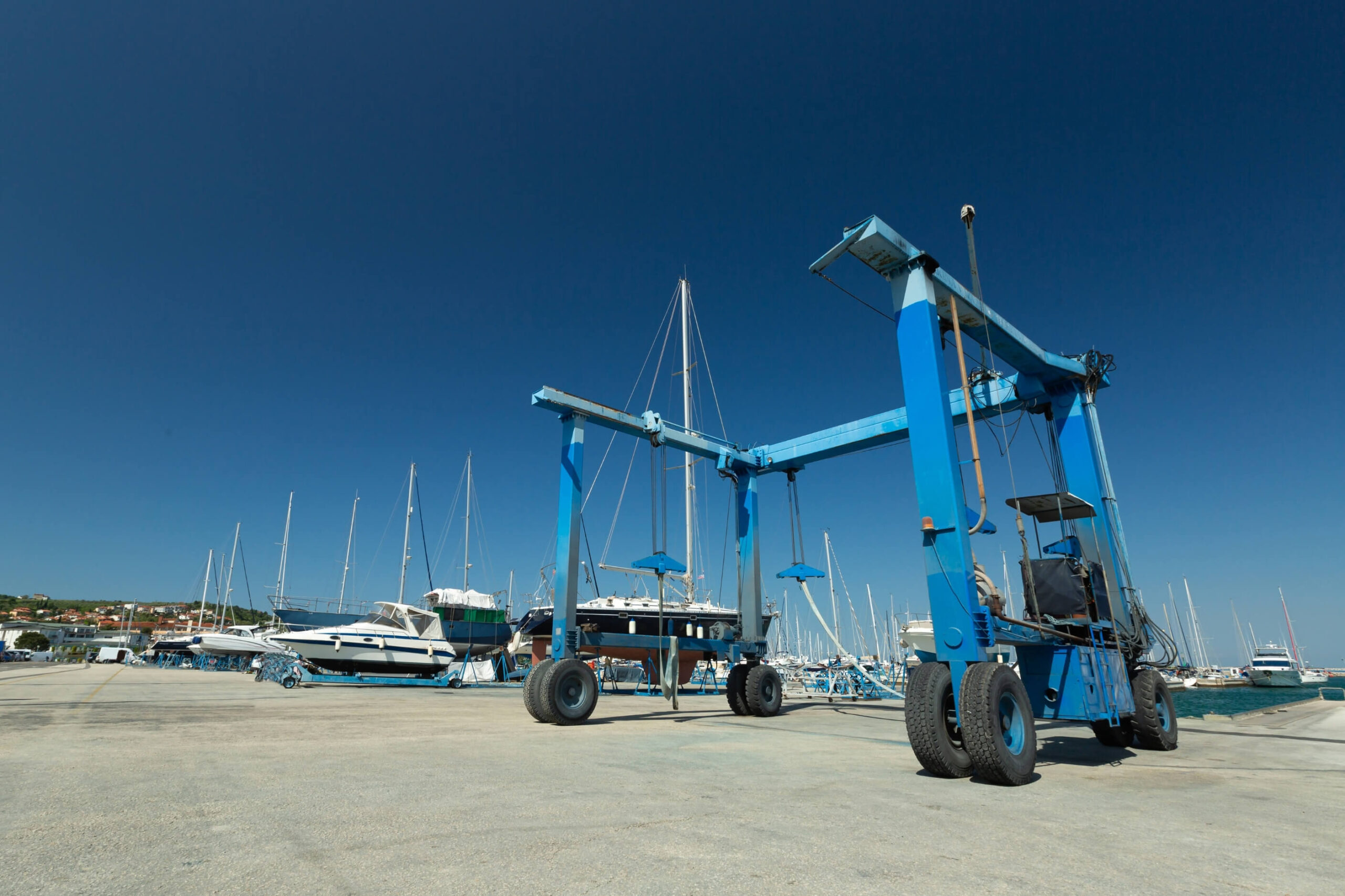
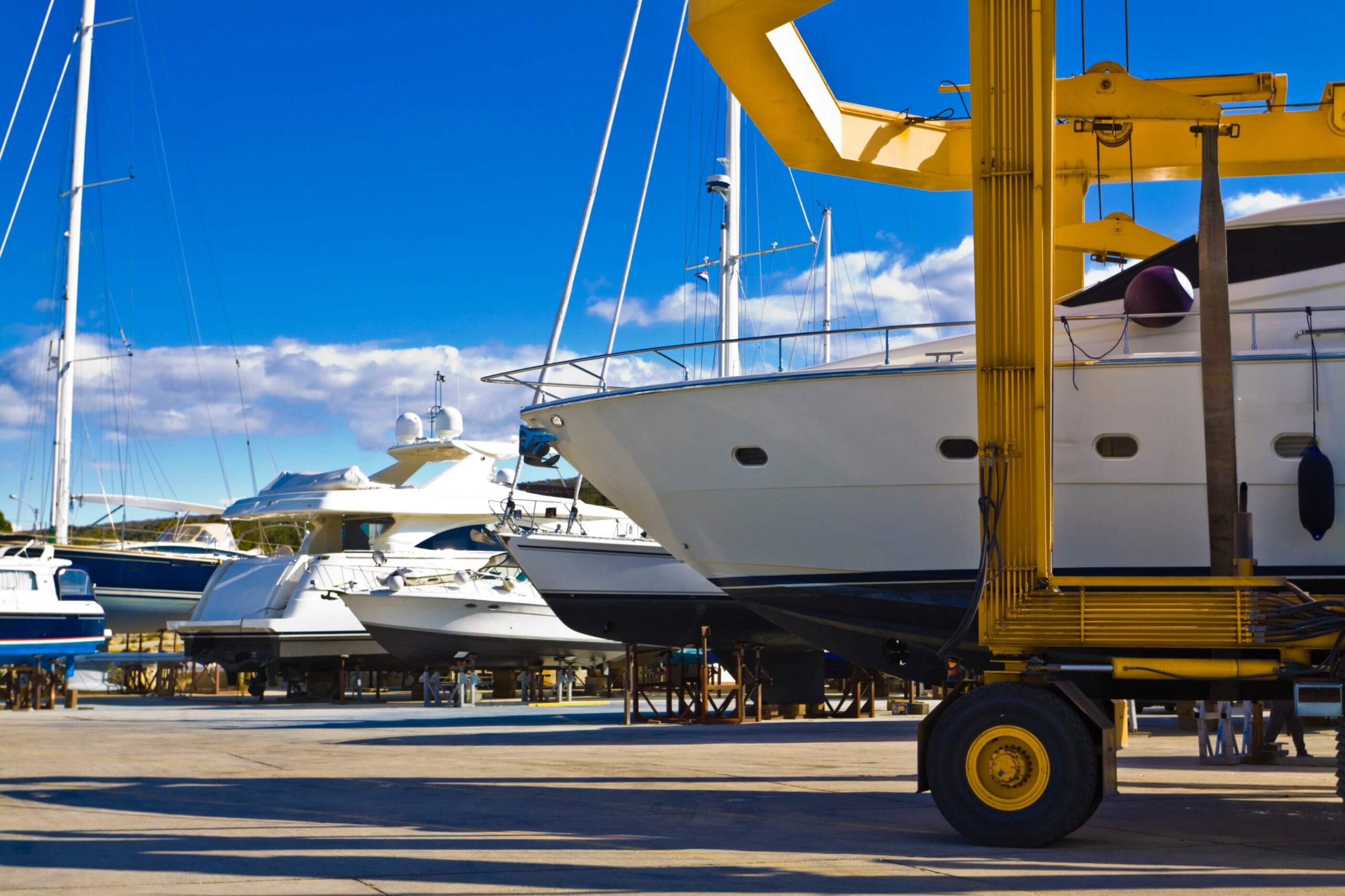
A boat haul out means removing a boat from the water and placing it safely ashore. This may be done with a travel lift, crane, hydraulic trailer, slipway trailer or marine railway.
Once ashore, the boat is supported with blocks, cradles or jack stands. As a result, owners, crew or yard technicians can complete a proper hull inspection haul out, clean the bottom, inspect fittings and repair problems that are difficult to reach afloat.
A haul out may be a short survey lift. Alternatively, it may be a longer yard period for antifouling, polishing, repairs, winter storage, servicing or refit work.
Why Boat Haul Out Maintenance Matters
The underwater section of a boat is constantly exposed to saltwater, fouling, corrosion, movement and impact risk. Because of this, small problems can develop without being visible from above the waterline.
Regular boat haul out maintenance helps you:
Inspect the hull properly
Remove weed, slime and barnacles
Apply fresh antifouling
Replace worn anodes
Check seacocks and through-hulls
Inspect props, shafts and rudders
Find early leaks or damage
Prepare for seasonal storage
In addition, haul out helps prevent expensive repairs. For example, a worn anode is cheap to replace. However, ignored corrosion on a propeller, shaft, rudder or through-hull fitting can become a serious problem.
Boat haul out cost varies depending on boat length, beam, weight, yard location, lift type, storage time and the work required. Most yards charge by length overall, although some also consider weight, draft or beam.
As a rough guide, a small boat may cost a few hundred dollars for a basic lift, pressure wash and relaunch. Meanwhile, larger yachts, longer yard periods and full-service packages can cost several thousand.
Cost item
How it is usually charged
Notes
Lift out
Per foot, metre or size band
Usually based on LOA
Relaunch
Per foot or included
Always check the quote
Pressure wash
Per foot or metre
Usually done after lift
Blocking/chocking
Fixed or size-based
Required for safe storage
Storage ashore
Daily, weekly or monthly
Costs rise if work overruns
Antifouling
Labour plus materials
Often a major cost
Anodes
Parts plus labour
Best done while ashore
Environmental fees
Fixed or percentage
Covers waste and washdown handling
A boat lift out cost can increase if the yard needs extra sling time, emergency availability, specialist lifting equipment or additional labour.
Common extra costs include:
Heavy fouling
Deep draft or wide beam
Long storage ashore
Antifoul removal
Gelcoat repairs
Seized seacocks
Running gear repairs
Contractor access fees
Electricity or waste charges
Before booking, ask for a written quote. Also confirm what is included, what is charged separately and whether outside contractors are allowed.
Boat Haul Out Preparation
Good boat haul out preparation saves time, reduces stress and helps prevent damage. Before arriving at the yard, make sure the boat is ready for lifting.
Before lift out:
Secure loose deck gear
Close hatches and windows
Remove unnecessary weight where practical
Check fuel and water levels
Mark sling positions if known
Tell the yard about transducers, stabilisers, saildrives or underwater lights
Confirm insurance, arrival time and yard rules
This is especially important for yachts with delicate underwater equipment. If slings are placed incorrectly, they can damage sensors, stabilisers, shafts or through-hull fittings.
The Boat Haul Out Process
1. Choose the Right Boat Haul Out Yard
Choose a boat haul out yard that can safely lift your boat. Check lift capacity, beam limits, working rules, storage space, contractor access and environmental requirements.
In addition, ask which boat haul out services are available. These may include pressure washing, antifouling, anode replacement, polishing, mechanical work, survey lifts, winter storage and repairs.
2. Lift and Pressure Wash
Once the boat is lifted, the yard will usually pressure wash the hull. This removes weed, slime, barnacles and loose antifouling.
This is also the best time for boat bottom cleaning, because marine growth is much easier to remove while it is still wet.
3. Inspect the Hull and Underwater Gear
After washing, inspect everything carefully. Take photos and notes so you can compare condition year after year.
Check:
Hull condition
Keel and rudder
Antifouling wear
Blisters or cracks
Propellers and shafts
Trim tabs
Rope cutters
Anodes
Transducers
Seacocks
Through-hulls
This is the main purpose of a hull inspection haul out. Therefore, do not rush it.
4. Complete the Maintenance Jobs
Once the boat is blocked safely, complete the jobs that cannot be done easily afloat. These may include antifouling, marine anode replacement, prop cleaning, through hull inspection, seacock inspection and minor underwater repairs.
5. Relaunch and Check for Leaks
Finally, after relaunch, stay onboard and inspect the bilges, engine room, seacocks, shaft seals, toilet intakes, raw water intakes and through-hulls.
This final check is critical. Even a small leak can become serious if nobody checks the boat after it goes back in the water.
Boat Haul Out Checklist
Use this simple boat haul out checklist during your next yard period.
Stage
Key checks
Before haul out
Book yard, confirm price, prepare boat, mark lifting points
During lift
Watch sling placement and protect underwater fittings
After wash
Inspect hull, props, shafts, rudders, anodes and seacocks
Check drain plugs, cure times, seacocks and yard sign-off
After relaunch
Check bilges, leaks, cooling water flow and steering
For larger vessels, use a separate yacht haul out checklist with photos, part numbers, contractor notes and sign-offs.
Key Jobs During a Yacht Haul Out
A yacht haul out is the best time to complete several underwater jobs together. This reduces repeat lifts and helps keep the boat reliable.
Antifouling
A boat antifouling haul out helps reduce marine growth, drag and fuel burn. Before applying antifoul, check paint compatibility, surface condition, coating build-up and local yard rules.
Anodes protect underwater metal parts from corrosion. During haul out, inspect anodes on shafts, propellers, rudders, trim tabs, thrusters, outdrives and saildrives.
Replace anodes when they are heavily wasted, loose or no longer making good contact.
Seacock Inspection
A proper seacock inspection is a safety-critical job. Open and close each valve, then check for stiffness, corrosion, cracking, leaks and poor hose condition.
If a seacock is seized, pink, cracked or loose, replace it before relaunch.
Through Hull Inspection
A through hull inspection checks the fittings that pass through the hull. These fittings must be secure, corrosion-free and properly sealed.
Inspect backing pads, hose clamps, bonding wires, valve bodies and the surrounding hull area.
Running Gear Checks
Check propellers, shafts, P-brackets, rudders, trim tabs and rope cutters. Look for fishing line, impact damage, loose nuts, bearing wear and shaft movement.
If there is vibration underway, investigate it during haul out rather than waiting for it to worsen.
DIY vs Professional Haul Out Work
Some jobs are suitable for capable owners and crew. However, anything structural, safety-critical or below the waterline should be handled carefully.
Job
DIY suitable?
Notes
Hull inspection
Yes
Take photos and notes
Prop cleaning
Yes
Avoid damaging coatings
Antifouling
Sometimes
Follow yard and product rules
Anode replacement
Often
Use correct type and fit
Seacock servicing
Sometimes
Replace doubtful fittings professionally
Through-hull replacement
Usually no
Correct installation matters
Shaft or rudder repairs
Professional
Alignment is important
Structural repairs
Professional
Do not guess below the waterline
In short, DIY can save money on simple jobs. However, professional help is safer when failure could cause flooding, structural damage or propulsion issues.
Common Mistakes to Avoid
Not Planning Early
Haul out periods get busy. Therefore, book early, order parts and create a job list before the boat reaches the yard.
Only Focusing on Antifouling
Antifouling matters, but it is not the only job. In addition, check anodes, seacocks, through-hulls, running gear and hull condition.
Not Confirming Costs
Always confirm the full cost before the lift. Some yards charge separately for lift out, relaunch, blocking, pressure washing, storage, electricity and waste handling.
Skipping Relaunch Checks
Never relaunch and leave straight away. Instead, stay onboard, check the bilges and confirm the boat is dry.
Choosing Products Too Quickly
The cheapest antifoul, anode or coating is not always the best option. Match products to hull material, water type, speed, usage and manufacturer guidance.
Practical Advice for Owners and Crew
Before any winter boat haul out or annual yard period, split the job list into three groups.
Boat haul out cost depends on size, yard location, lift type and work required. Small boats may cost a few hundred pounds or dollars, while larger yachts and full maintenance packages can cost several thousand.
How often should you book an annual boat haul out?
Most boats need an annual boat haul out. However, boats in warm, high-fouling areas or heavy use may need a lift every 6–12 months.
What is included in boat haul out services?
Common boat haul out services include lift out, pressure washing, blocking, storage, antifouling, anode replacement, inspections, repairs and relaunch.
What should be on a yacht haul out checklist?
A yacht haul out checklist should include hull inspection, antifouling, anodes, seacocks, through-hulls, props, shafts, rudders, trim tabs and post-launch leak checks.
Is a winter boat haul out worth it?
A winter boat haul out is useful if the boat needs underwater maintenance, winter storage, antifouling, repairs or seasonal checks before spring launch.
Summary
A boat haul out is one of the best opportunities to protect your boat and prevent expensive underwater problems. It allows you to inspect the hull, clean the bottom, replace anodes, service seacocks, check through-hulls and maintain running gear properly.
Therefore, the best approach is simple: book early, confirm the costs, prepare the boat, use a clear checklist and inspect everything before relaunch.
Use TYMH’s practical winterisation checklist to help protect your engine, plumbing, batteries, deck gear, safety equipment and onboard systems before the cold weather sets in.
Success
Thank you for submitting the form, we will be in touch with you shortly.
Sign up for updates
Join the newsletter for practical yacht maintenance advice, new guide releases, downloadable resources, product recommendations and seasonal reminders designed to help owners, captains and crew make better maintenance decisions onboard. As TYMH grows, subscribers will also get early access to new checklists, maintenance resources, recommended products and exclusive offers or discounts from selected marine brands.
Success
Thank you for signing up to receive updates from The Yacht Maintenance Hub.
Blog / Boat Haul Out Guide (2026): Costs, Checklists & Maintenance Jobs
We track how people interact with our online web content and resources, and some of that tracking involves storing cookies on your device. By continuing to use our site you accept that you agree to this. For more details see our Privacy Statement.
 310
310
310
310