← all Content & Guides
A clean boat is more than just cosmetic. It protects surfaces, prevents long-term damage, and keeps maintenance costs under control. Yet many yacht owners and crew unknowingly use the wrong products, which can accelerate wear rather than prevent it.
Salt, UV exposure, algae, and pollution constantly attack your vessel. Over time, this leads to oxidation, staining, and surface degradation. Choosing the best boat cleaners is one of the simplest ways to extend the life of your hull, deck, and fittings.
In this guide, you’ll learn which cleaners actually work, how to choose the right product for each surface, and how to avoid common mistakes that lead to expensive repairs.
Some links on this page are affiliate links. This means The Yacht Maintenance Hub may earn a commission if you click through and make a purchase, at no extra cost to you. We only recommend products, tools and marine suppliers that we believe are useful for yacht owners, captains, crew and marine professionals.
This post is all about the Best Boat Cleaners!
Quick Answer: What Are the Best Boat Cleaners?
The best boat cleaners are marine-specific products designed for different surfaces like fiberglass, teak, and non-slip decks. Top-rated options remove salt, grime, algae, and stains without damaging gelcoat or protective finishes. Choosing the right cleaner depends on the material, level of contamination, and how often you clean your boat.
What Makes a Boat Cleaner “Good”?
Not all cleaning products are safe for marine use. Household cleaners often contain harsh chemicals that strip wax, damage gelcoat, or harm the environment.
A high-quality boat cleaner should:
- Remove salt, grime, and organic growth effectively
- Protect surfaces like gelcoat, paint, and teak
- Be safe for regular use without causing buildup or damage
- Ideally, be biodegradable and environmentally responsible
More importantly, the cleaner should match the surface. Using the wrong product is one of the most common causes of premature wear.
Why Choosing the Right Cleaner Matters
Boat cleaning is not just about appearance—it’s preventative maintenance.
Salt crystals attract moisture and accelerate corrosion. Meanwhile, algae and mold can stain surfaces permanently if left untreated. Even worse, incorrect cleaners can dull gelcoat or strip protective coatings.
When you use the best marine boat cleaners, you:
- Reduce long-term repair costs
- Extend the lifespan of materials
- Maintain resale value
- Improve onboard safety (especially on non-slip decks)
10 Best Boat Cleaners for 2026
Below are proven, widely used products that perform consistently across different cleaning tasks.
|
|
-
-
Description:
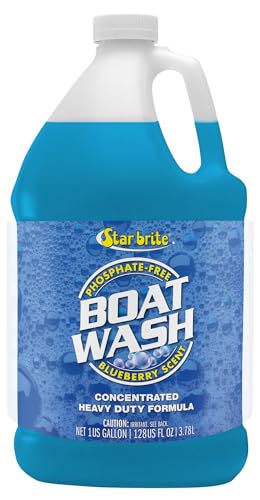
Star brite Boat Wash is a concentrated marine boat soap designed for routine cleaning of boat and yacht exterior surfaces. It is commonly used during washdowns to help remove salt deposits, dirt, grime, light waterline marks, and general surface contamination from hulls, decks, fittings, and topsides.
|
|
|
|
-
-
Description:
Meguiar’s Marine/RV Boat Wash is a liquid boat wash designed for routine cleaning of boats, yachts, RVs, and similar exterior surfaces. It is commonly used during regular washdowns to remove light dirt, grime, salt residue, and general surface contamination from gelcoat, fiberglass, and other suitable marine surfaces.
|
|
|
|
-
-
Description:
Simple Green All-Purpose Cleaner is a dilutable general-purpose cleaner and degreaser commonly used for removing dirt, grease, oil residue and everyday grime from washable surfaces. The manufacturer describes it as suitable for water-tolerant surfaces, with guidance to dilute as needed, spot test first, rinse or damp-wipe after use, and avoid unsuitable surfaces such as unfinished wood, suede and leather.
|
|
|
|
-
-
Description:
3M™ Perfect-It™ Boat Wash is a concentrated marine boat wash designed for cleaning common marine dirt, grime, algae and surface contamination from boat surfaces. 3M positions it as a general boat wash and as the first cleaning step in its Perfect-It™ gelcoat finishing system.
|
|
|
|
-
-
Description:
Star brite Non-Skid Deck Cleaner & Protectant is a marine deck cleaner designed to help remove dirt, grime and stains from textured non-skid surfaces, painted decks, fiberglass and other common boat surfaces. Star brite states that the product uses chelating agents to help loosen dirt and leaves a protective polymer barrier to help repel future dirt and stains.
|
|
|
|
-
-
Description:
Davis FSR Fiberglass Stain Remover is a stain-absorbing gel designed to remove common staining from fibreglass and gelcoat surfaces. It is commonly used on boat hulls, waterlines, transoms and areas affected by oil, rust, exhaust marks, road grime or staining from dirty water.
|
|
|
|
-
-
Description:
MaryKate On & Off Hull & Bottom Cleaner is a strong marine hull cleaner designed for cleaning stained fiberglass hulls, bottoms and waterline areas. It is commonly used to help remove scum lines, brown waterline staining, rust staining and other stubborn hull marks that standard boat soap may not remove.
|
|
|
|
-
-
Description:
Snappy Teak-Nu is a two-part, acid-based teak cleaner designed for heavily weathered or stained teak. It is used for deep and thorough teak cleaning and brightening, especially when teak has become grey, dirty, patchy or marked over time.
|
|
|
|
-
-
Description:
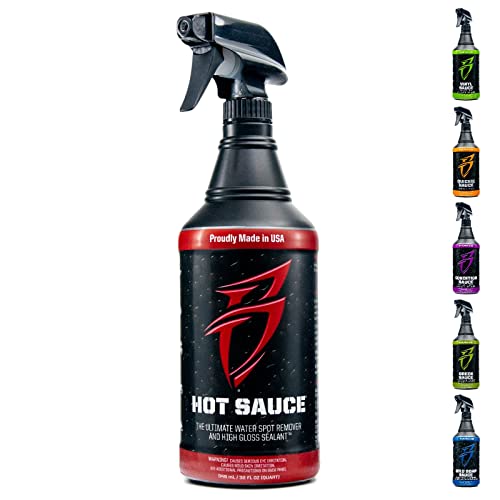
Bling Sauce Hot Sauce is a spray-on, wipe-off detail spray designed to remove hard water spots while helping maintain a clean, glossy finish. It is aimed at exterior detailing jobs where water marks, light spotting, spray residue and washdown marks are left behind after use or rinsing. Bling Sauce lists it as suitable for fiberglass, paint, stainless, glass and plastic when used as directed.
|
|
|
|
-
-
Description:
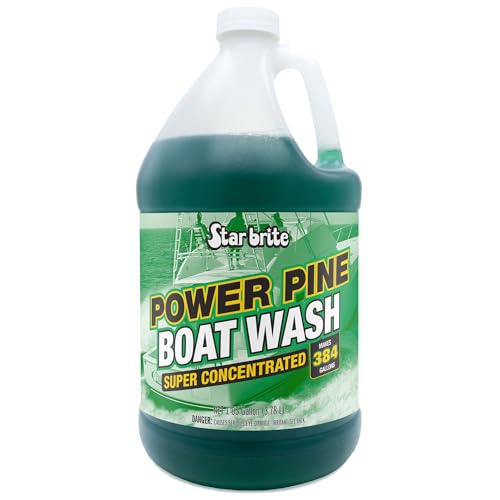
A useful pick for anglers dealing with the mess left after a day’s fishing. It combines an exterior wash with deodorising action, making it a practical addition to the post-trip cleanup.
|
|
Cleaning & Detailing
Description:
Star brite Boat Wash is a concentrated marine boat soap designed for routine cleaning of boat and yacht exterior surfaces. It is commonly used during washdowns to help remove salt deposits, dirt, grime, light waterline marks, and general surface contamination from hulls, decks, fittings, and topsides.
Cleaning & Detailing
Description:
Meguiar’s Marine/RV Boat Wash is a liquid boat wash designed for routine cleaning of boats, yachts, RVs, and similar exterior surfaces. It is commonly used during regular washdowns to remove light dirt, grime, salt residue, and general surface contamination from gelcoat, fiberglass, and other suitable marine surfaces.
Description:
Simple Green All-Purpose Cleaner is a dilutable general-purpose cleaner and degreaser commonly used for removing dirt, grease, oil residue and everyday grime from washable surfaces. The manufacturer describes it as suitable for water-tolerant surfaces, with guidance to dilute as needed, spot test first, rinse or damp-wipe after use, and avoid unsuitable surfaces such as unfinished wood, suede and leather.
Cleaning & Detailing
Description:
3M™ Perfect-It™ Boat Wash is a concentrated marine boat wash designed for cleaning common marine dirt, grime, algae and surface contamination from boat surfaces. 3M positions it as a general boat wash and as the first cleaning step in its Perfect-It™ gelcoat finishing system.
Cleaning & Detailing
Description:
Star brite Non-Skid Deck Cleaner & Protectant is a marine deck cleaner designed to help remove dirt, grime and stains from textured non-skid surfaces, painted decks, fiberglass and other common boat surfaces. Star brite states that the product uses chelating agents to help loosen dirt and leaves a protective polymer barrier to help repel future dirt and stains.
Cleaning & Detailing
Description:
Davis FSR Fiberglass Stain Remover is a stain-absorbing gel designed to remove common staining from fibreglass and gelcoat surfaces. It is commonly used on boat hulls, waterlines, transoms and areas affected by oil, rust, exhaust marks, road grime or staining from dirty water.
Cleaning & Detailing
Description:
MaryKate On & Off Hull & Bottom Cleaner is a strong marine hull cleaner designed for cleaning stained fiberglass hulls, bottoms and waterline areas. It is commonly used to help remove scum lines, brown waterline staining, rust staining and other stubborn hull marks that standard boat soap may not remove.
Teak & Wood Care
Description:
Snappy Teak-Nu is a two-part, acid-based teak cleaner designed for heavily weathered or stained teak. It is used for deep and thorough teak cleaning and brightening, especially when teak has become grey, dirty, patchy or marked over time.
Cleaning & Detailing
Description:
Bling Sauce Hot Sauce is a spray-on, wipe-off detail spray designed to remove hard water spots while helping maintain a clean, glossy finish. It is aimed at exterior detailing jobs where water marks, light spotting, spray residue and washdown marks are left behind after use or rinsing. Bling Sauce lists it as suitable for fiberglass, paint, stainless, glass and plastic when used as directed.
Cleaning & Detailing
Description:
A useful pick for anglers dealing with the mess left after a day’s fishing. It combines an exterior wash with deodorising action, making it a practical addition to the post-trip cleanup.
09/23/2026 01:43 pm GMT
We earn a commission if you make a purchase, at no additional cost to you.
For more manufacturer specifications check out these links below.
How to Choose the Best Boat Cleaner for Your Needs
Consider the Surface First
Different materials require different cleaning approaches:
- Fiberglass: Use non-abrasive, pH-balanced cleaners
- Teak: Avoid harsh chemicals that strip natural oils
- Aluminum: Use cleaners specifically designed to prevent corrosion
- Non-slip decks: Choose products that preserve traction
Match the Cleaner to the Problem
Not all dirt is the same:
- Salt residue → mild wash solutions
- Algae and mold → specialized cleaners
- Oxidation → compound or restoration products
- Water stains → acid-based or spot cleaners
Think About Frequency
If you clean your boat weekly, a gentle cleaner is essential. Strong chemical cleaners should only be used occasionally for deep cleaning.
Best Boat Cleaners by Use Case
Best Boat Cleaner for Fiberglass
Fiberglass requires a cleaner that removes dirt without damaging gelcoat. Look for products labelled safe for gelcoat to avoid dulling the finish.
Best Boat Cleaner for Gelcoat
Gelcoat is sensitive to harsh chemicals. The best boat cleaner for gelcoat will clean effectively while preserving wax protection.
Best Boat Hull Cleaners
Hull cleaners often need stronger formulas to tackle algae and staining. However, overuse can damage surfaces, so they should be used sparingly.
Best Boat Deck Cleaner
Non-slip decks require careful cleaning. The best boat deck cleaner lifts dirt while maintaining grip, which is critical for safety onboard.
Best Teak Boat Cleaner
Teak requires a gentle but effective approach. Aggressive cleaning can erode the wood grain and shorten its lifespan.
Find out more about teak care and maintenance.
How Often Should You Clean Your Boat?
Cleaning frequency depends on usage and environment.
- Weekly: Light wash to remove salt and dirt
- Monthly: Deeper clean, including decks and fittings
- Quarterly: Detailed cleaning and stain removal
- Annually: Full deep clean and restoration
If your boat is kept in saltwater, more frequent cleaning is essential to prevent corrosion and buildup.
Step-by-Step: How to Clean a Boat Properly
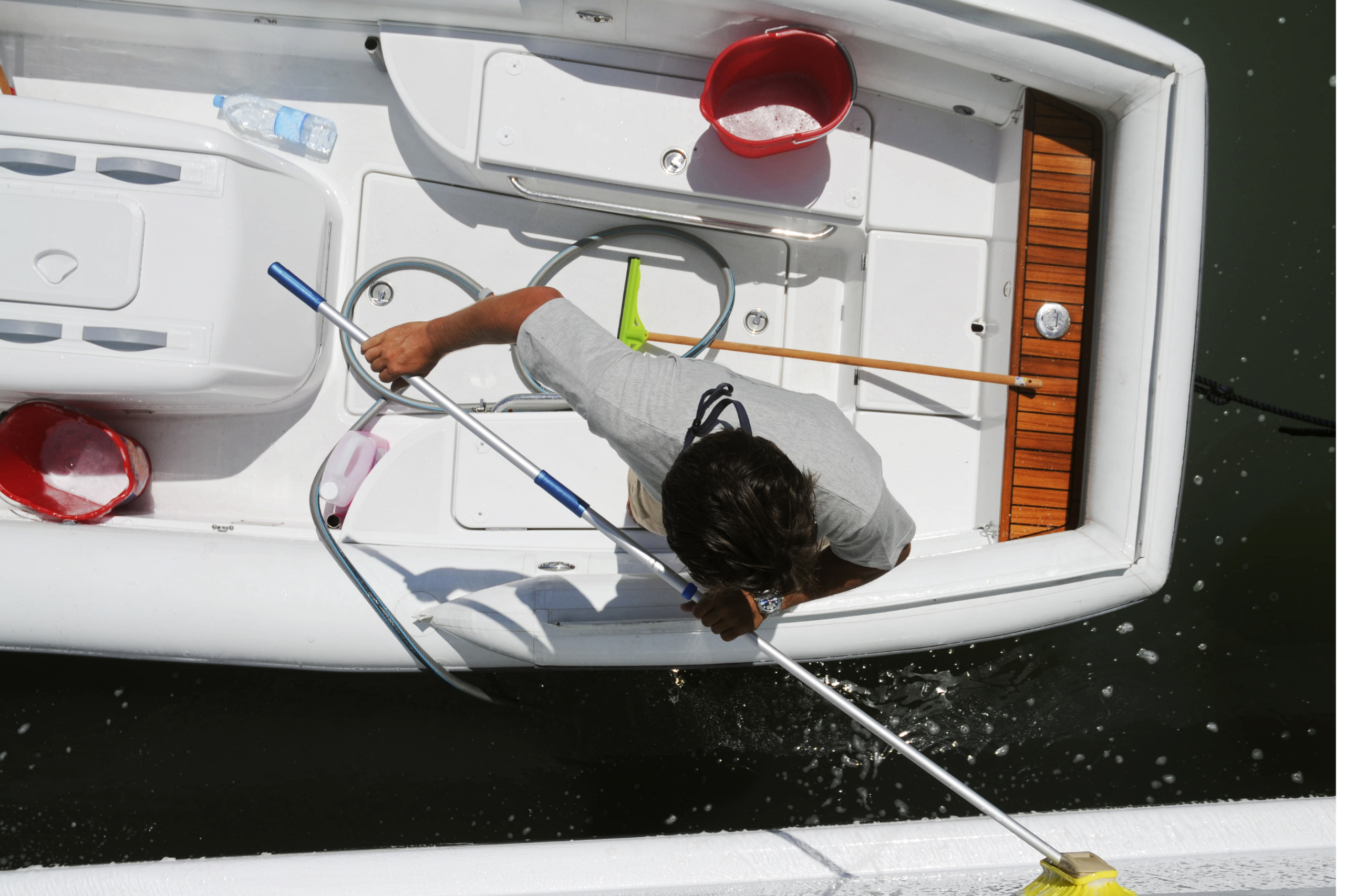
- Rinse thoroughly to remove loose salt and debris
- Apply the correct cleaner for the surface
- Use a soft brush or microfiber mitt
- Work from top to bottom to avoid streaking
- Rinse completely and dry to prevent water spots
Using the right technique is just as important as choosing the top rated boat cleaning products.
Common Mistakes to Avoid
Many yacht owners unintentionally damage their boats during cleaning.
Using Household Cleaners
These often strip wax and damage finishes.
Overusing Strong Chemicals
Heavy-duty cleaners should not be part of routine maintenance.
Scrubbing Too Aggressively
This can scratch gelcoat and remove protective layers.
Ignoring Maintenance Intervals
Infrequent cleaning leads to buildup that requires harsher treatment later.
Hard brushes can damage delicate surfaces.
Professional Maintenance Tips
Experienced crew follow consistent routines to keep boats in top condition.
First, always rinse your boat after use. This simple habit removes salt before it causes damage. Additionally, apply protective coatings regularly to reduce cleaning effort.
Next, rotate between gentle cleaners and stronger products. This approach prevents buildup without overexposing surfaces to harsh chemicals.
Finally, consider eco-friendly options. Many biodegradable marine cleaners now perform as well as traditional products while reducing environmental impact.
Preventative Cleaning: The Key to Lower Costs
Preventative maintenance is always cheaper than restoration.
By using the best boat cleaners for salt residue, you stop corrosion early. Likewise, regular cleaning prevents algae and mold from embedding into surfaces.
Over time, this reduces the need for:
- Oxidation removal
- Gelcoat restoration
- Teak replacement
In other words, cleaning is one of the most cost-effective maintenance tasks onboard.
FAQs: Best Boat Cleaners
What is the best boat cleaner to use? The best boat cleaner depends on the surface and problem. For general use, a marine-safe wash. For stains or algae, use specialized cleaners.
How often should I clean my boat? Weekly rinsing and washing is ideal, especially in saltwater environments. Deep cleaning should be done monthly or quarterly.
Are eco-friendly boat cleaners effective? Yes, many eco friendly boat cleaners perform as well as traditional options while being safer for marine environments.
Can I use household cleaners on my boat? It is not recommended. Household cleaners can damage gelcoat, strip wax, and harm materials.
What removes yellow stains from a boat hull? Acid-based hull cleaners or fiberglass stain removers are most effective for removing yellowing and waterline stains.
Summary
Choosing the best boat cleaner is essential for maintaining your vessel’s appearance, performance, and longevity. The right products remove grime efficiently while protecting surfaces from damage.
More importantly, consistent cleaning prevents costly repairs. By matching the cleaner to the surface and following proper maintenance routines, yacht owners can keep their boats in excellent condition year-round.
 310
310
310
310