← all Content & Guides
Owning a yacht offers freedom, adventure, and a deeper connection to the sea. However, every experienced owner quickly learns that reliable boating depends on consistent care. Without a clear maintenance strategy, small seasonal yacht maintenance issues can gradually develop into expensive mechanical failures.
Furthermore, yachts operate in a harsh marine environment. Saltwater, UV exposure, moisture, and vibration constantly place stress on systems and equipment. As a result, vessels that are not maintained properly throughout the year often suffer from corrosion, system failures, and declining performance.
This is where seasonal yacht maintenance becomes essential. Instead of relying solely on annual servicing, yacht owners benefit from adjusting their maintenance tasks throughout the year. In this guide, we’ll explain how to build an effective seasonal yacht maintenance plan, what tasks should be performed each season, and how preventative care keeps your yacht safe, reliable, and efficient.
This Post is all about Seasonal Yacht Maintenance!
Quick Answer: What Is Seasonal Yacht Maintenance?
Seasonal yacht maintenance is the process of adjusting your yacht maintenance routine throughout the year based on seasonal conditions and vessel usage. By following a structured seasonal yacht maintenance checklist, yacht owners can prevent damage, maintain system reliability, and extend the life of key components.
What Is Seasonal Yacht Maintenance?
At its core, seasonal yacht maintenance means maintaining your yacht according to seasonal conditions rather than treating maintenance as a single yearly task. Instead of waiting for problems to appear, owners proactively inspect and service their vessel throughout the year.
For example, a yacht that sits unused during winter requires different maintenance than a vessel used daily during summer. Consequently, adjusting your yacht maintenance schedule ensures the boat receives the right care at the right time.
Generally, seasonal maintenance divides the year into four phases:
- Spring recommissioning
- Summer operational maintenance
- Autumn preparation
- Winter protection and storage
By following this structure, yacht owners create a more effective yearly yacht maintenance plan that spreads maintenance tasks throughout the year while reducing unexpected breakdowns.
Why Seasonal Boat Maintenance Matters
Many yacht owners rely solely on an annual yacht maintenance checklist. However, this approach often misses developing problems between service intervals. Therefore, seasonal maintenance provides a more reliable preventative strategy.
Prevents Expensive Repairs
Firstly, small mechanical issues rarely appear overnight. Instead, they develop gradually over time. For instance, a worn belt, corroded fitting, or partially blocked cooling intake may go unnoticed during casual use.
However, regular routine yacht maintenance tasks help identify these issues early. As a result, owners can repair minor problems before they develop into costly system failures.
Improves Safety at Sea
Equally important, maintenance plays a major role in onboard safety. Engines, steering systems, navigation equipment, and bilge pumps must operate reliably whenever the yacht is underway.
Therefore, consistent seasonal boat maintenance ensures that safety systems remain operational and compliant with marine safety standards.
Extends the Life of Your Yacht
Finally, preventative maintenance significantly extends the lifespan of marine systems. Saltwater exposure accelerates corrosion, while UV radiation slowly damages seals, hoses, and coatings.
By following a structured preventative boat maintenance plan, yacht owners reduce wear, protect components, and preserve the vessel’s long-term value.
Building a Yearly Yacht Maintenance Plan
Before starting seasonal maintenance, yacht owners should create a clear yacht maintenance calendar. This calendar acts as a roadmap for the entire year and ensures important tasks are never overlooked.
Typically, an effective yacht preventative maintenance schedule includes:
- seasonal inspections
- monthly system checks
- annual servicing
- long-term replacement intervals
Additionally, a well-organised boat seasonal maintenance checklist helps owners track maintenance history and identify recurring issues. Over time, this approach makes yacht maintenance far more predictable and manageable.
Spring Yacht Maintenance: Recommissioning the Boat
After winter storage, spring marks the beginning of the active boating season. Consequently, recommissioning becomes one of the most important phases of seasonal yacht maintenance.
A thorough spring yacht maintenance checklist ensures the vessel is safe, functional, and ready for regular use.
Inspect the Hull and Antifouling
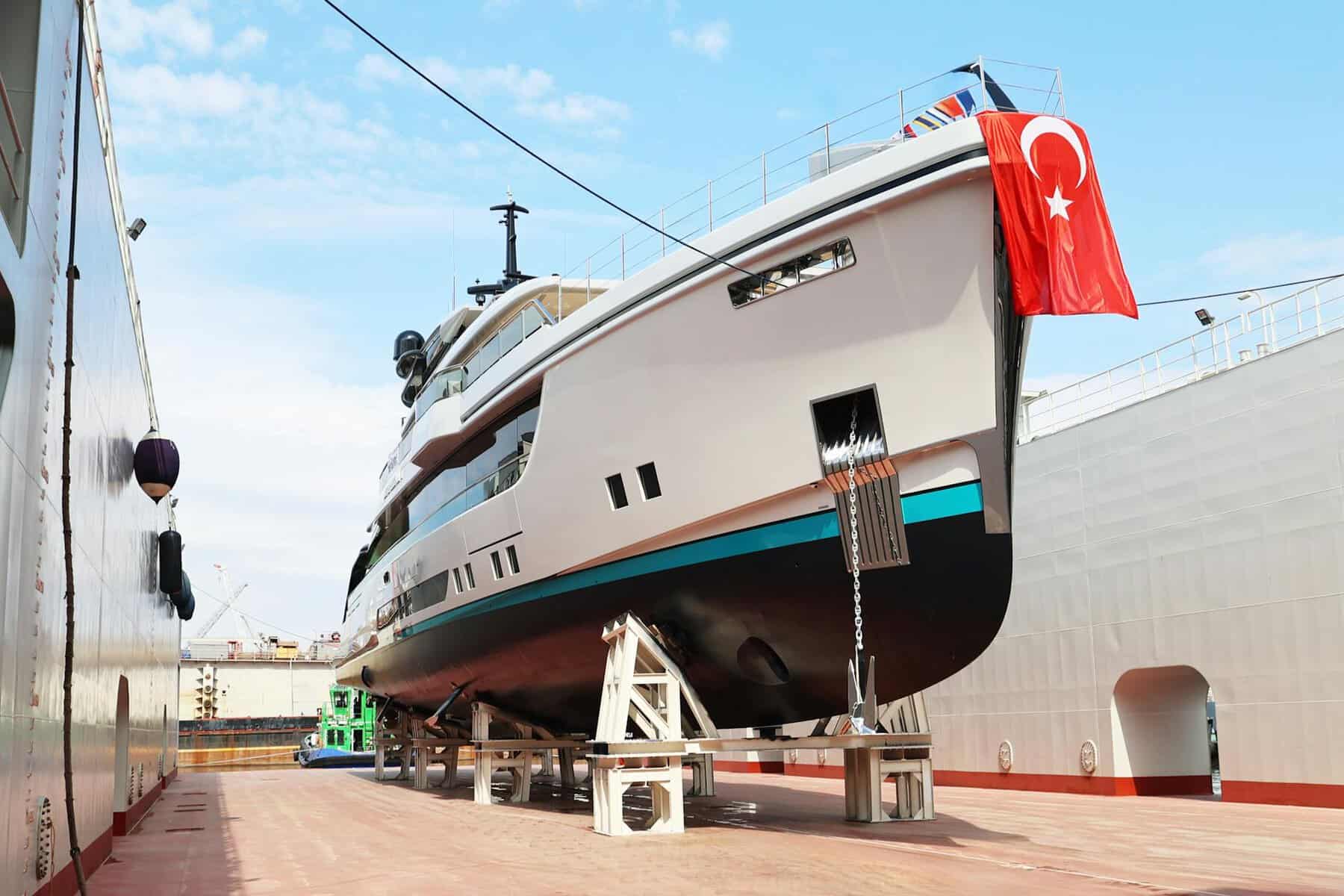
To begin with, inspect the hull carefully before launching the yacht. Look for signs of blistering, damage, or worn antifouling paint.
Additionally, examine through-hull fittings and sacrificial anodes. If anodes are heavily corroded, they should be replaced immediately to maintain corrosion protection.
Because marine growth can affect performance and fuel efficiency, this is also the ideal time to apply fresh antifouling if necessary.
Engine and Mechanical Checks
Next, focus on engine and mechanical systems. Even if the yacht was properly winterised, engines should always be inspected before the first trip of the season.
Typical spring engine maintenance includes:
- changing engine oil and filters
- checking cooling system hoses
- inspecting belts and tensioners
- testing batteries and charging systems
These checks form a key part of any seasonal yacht maintenance checklist and help prevent breakdowns during early season voyages.
De-Winterising a Yacht
In addition, many yachts require a full de-winterising process before returning to service.
This process often involves:
- reconnecting batteries
- flushing antifreeze from plumbing systems
- refilling freshwater tanks
- restarting air conditioning systems
Properly de-winterising a yacht prevents damage to pumps, pipes, and valves that may have been protected during winter storage.
Summer Yacht Maintenance: Managing Heavy Use
During summer, most yachts operate far more frequently. Consequently, maintenance during this period focuses on monitoring performance and conducting regular inspections.
These summer yacht maintenance tips help ensure the vessel remains reliable throughout the busiest boating months.
Because engines operate more frequently during summer, they require closer attention.
Therefore, owners should regularly check:
- engine oil levels
- coolant flow from exhaust outlets
- unusual vibration or noise
If performance changes suddenly, early inspection can prevent more serious mechanical damage.
Inspect Safety Equipment
At the same time, safety equipment should be inspected regularly.
For example, check that:
- lifejackets remain accessible and in good condition
- fire extinguishers are within service dates
- navigation lights function correctly
Routine safety inspections are an essential part of boat care throughout the year.
Hull and Propeller Checks
Meanwhile, marine growth increases significantly in warm water. As a result, underwater inspections during summer can improve both speed and fuel efficiency.
Cleaning the propeller and hull periodically reduces drag and helps engines operate more efficiently.
Autumn Yacht Maintenance: Preparing for the Off-Season
As boating activity slows, autumn becomes the time to prepare the yacht for reduced usage or winter storage. Therefore, several autumn boat maintenance tasks should be completed before temperatures drop.
Inspect Systems Before Storage
First, perform a full inspection of onboard systems. This includes electrical panels, plumbing systems, fuel lines, and deck fittings.
By identifying issues early, repairs can be completed before winter conditions make maintenance more difficult.
Protect the Fuel System
Fuel systems often suffer during long storage periods. Consequently, stabilising fuel and topping up tanks helps reduce condensation and prevent fuel degradation.
Deep Cleaning and Corrosion Prevention
Finally, thoroughly clean the yacht before storage. Removing salt deposits from decks, fittings, and railings significantly slows corrosion during winter months.
Winter Yacht Maintenance: Protecting the Vessel
Although many yachts remain unused during winter, maintenance responsibilities continue. In fact, winter maintenance often determines how smoothly the next boating season begins.
Yacht Winterisation Checklist
A proper yacht winterisation checklist protects critical systems from freezing and corrosion.
Typical winterisation tasks include:
- draining freshwater systems
- adding antifreeze to plumbing
- stabilising fuel tanks
- disconnecting or maintaining batteries
Without these steps, freezing temperatures can cause severe damage to engines and pumps.
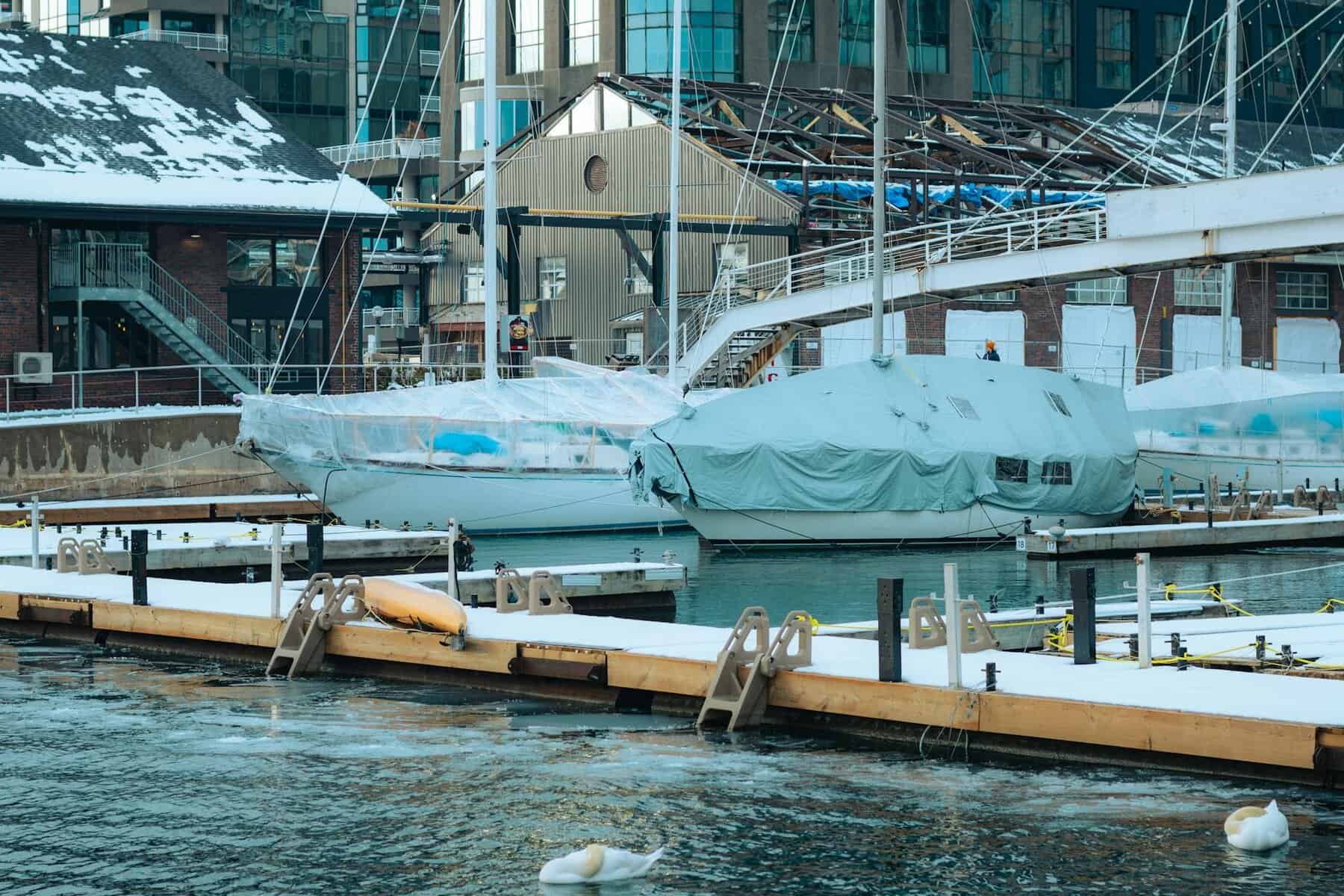
Preparing a Yacht for Winter Storage
Additionally, preparing a yacht for winter storage involves protecting the interior and onboard equipment.
For example:
- ensure good cabin ventilation
- protect electronics from moisture
- install protective covers where necessary
Proper ventilation, in particular, prevents mold growth during long storage periods.
Preventative Maintenance Tips for Yacht Owners
Experienced captains understand that preventative maintenance is far easier than repairing failures at sea. Therefore, several simple habits can greatly improve reliability.
Keep a Maintenance Log
Firstly, maintaining a service log helps track inspections, servicing, and repairs. This also helps identify patterns in equipment wear.
Inspect Systems Frequently
Secondly, perform quick visual inspections regularly. Checking bilges, pumps, and fluid levels takes only minutes but often prevents serious failures.
Address Small Problems Early
Finally, never ignore minor warning signs. Small leaks, loose fittings, or unusual noises often indicate developing problems.
By acting quickly, yacht owners prevent these issues from escalating into major repairs.
Common Seasonal Maintenance Mistakes Yacht Owners Make
Even experienced owners sometimes overlook important details. Fortunately, understanding common mistakes can significantly improve seasonal yacht maintenance practices.
Ignoring Off-Season Maintenance
Some owners assume maintenance only matters during the boating season. However, off-season boat maintenance is often the most important time for preventative care.
Delaying Winterisation
Another common mistake is postponing winterisation. Unfortunately, freezing damage can occur quickly and may destroy engines, pipes, and pumps.
Skipping Routine Inspections
Finally, many mechanical problems begin with small warning signs. Without regular checks, these issues often go unnoticed until they become serious.
Therefore, consistent inspections are essential for effective boat maintenance by season.
FAQs: Seasonal Yacht Maintenance
How often should seasonal yacht maintenance be performed? Ideally, seasonal yacht maintenance should occur at least four times per year. In addition, routine inspections should be performed monthly during periods of heavy use.
What does a seasonal yacht maintenance checklist include? A seasonal yacht maintenance checklist usually includes hull inspections, engine servicing, safety equipment checks, electrical testing, and fluid replacements.
How much does seasonal yacht maintenance cost? Costs vary depending on yacht size and complexity. Smaller vessels may require a few hundred pounds annually, while larger yachts can require several thousand in preventative servicing.
Do smaller boats need seasonal maintenance too? Yes. Even smaller vessels benefit from boat seasonal maintenance checklists, as engines, hull coatings, and safety equipment still require regular care.
What happens if you skip winterising a yacht? Skipping winterisation can cause frozen pipes, cracked engine blocks, damaged pumps, and costly repairs.
Summary
A well-planned seasonal yacht maintenance strategy protects your vessel and ensures reliable performance throughout the year. By adapting maintenance tasks to each season, yacht owners reduce mechanical failures, improve safety, and extend the life of critical systems.
Rather than relying solely on annual servicing, a structured yearly yacht maintenance plan spreads inspections and preventative maintenance across the entire year. As a result, problems are detected earlier and repairs become far more manageable.
Ultimately, consistent seasonal maintenance is one of the most effective ways to keep your yacht safe, efficient, and ready for the next voyage.
 310
310
310
310