← all Content & Guides
Owning a boat is one of the most exciting experiences for any marine enthusiast. From peaceful mornings on calm waters to adventurous coastal trips, the joys of boating are unmatched. However, many new owners underestimate how much boat maintenance mistakes affect both short‑term performance and long‑term cost.
Without proper knowledge, passion can quickly turn into frustration. The difference between a smooth season and one filled with avoidable breakdowns often comes down to knowing common boat maintenance mistakes before they happen. Just as The Yacht Maintenance Hub helps with boat maintenance routines and planning, this guide spotlights critical errors that new boat owners commonly make and how to prevent them.
In this post, we break down five of the most widespread boat maintenance mistakes seen in new owners and provide clear, practical solutions. Understanding these from the start keeps your vessel safe, reliable, and ready for adventure season after season.
This post is all about Boat Maintenance Mistakes!
Understanding the Impact of Common Boat Maintenance Errors
Boat ownership brings a steep learning curve. Most new owners focus on fuel, navigation, or onboard gear and overlook basic care procedures until something fails. yearly boat maintenance and regular boat maintenance aren’t luxuries — they define how your boat performs and holds value. Many issues that appear sudden or serious actually stem from simple oversights repeated over time. Understanding common pitfalls early helps you build better habits and avoid expensive repairs, safety risks, and time lost on the water.
#1: Skipping Regular Engine and Mechanical Check‑Ups
Why Engine Maintenance Matters
The engine is the heart of your boat, and neglecting it is perhaps the most costly boat maintenance mistake you can make. Engines on boats operate in harsh marine conditions — exposed to saltwater, humidity, and variable loads. These conditions accelerate wear if neglected.
One of the most frequent errors is assuming “if it starts, it’s fine.” Starting does not guarantee good internal health. Seasonal and yearly engine maintenance tasks like changing oil, filters, and inspecting belts are essential. When bypassed, moisture and salt buildup leads to internal corrosion and reduced lubrication, shortening service life and increasing the risk of catastrophic failure.
Routine checks also include cooling systems, belts, hoses, and fluid quality. Marines engines are designed to operate at high RPMs, and even small problems can escalate quickly if not spotted early.
Signs You’re Avoiding Critical Engine Maintenance
Common red flags include fluctuating oil pressure, overheating, unusual noise, or exhaust steam that appears thicker or discolored. All of these can be subtle at first but soon lead to major issues if ignored. One strong preventative practice is keeping a detailed maintenance log. This makes tracking intervals like oil changes, filter swaps, and fluid checks more reliable and reduces the chance you’ll overlook a scheduled service.
#2: Overlooking Hull and Bottom Care
Understanding Why Hull Maintenance is Crucial
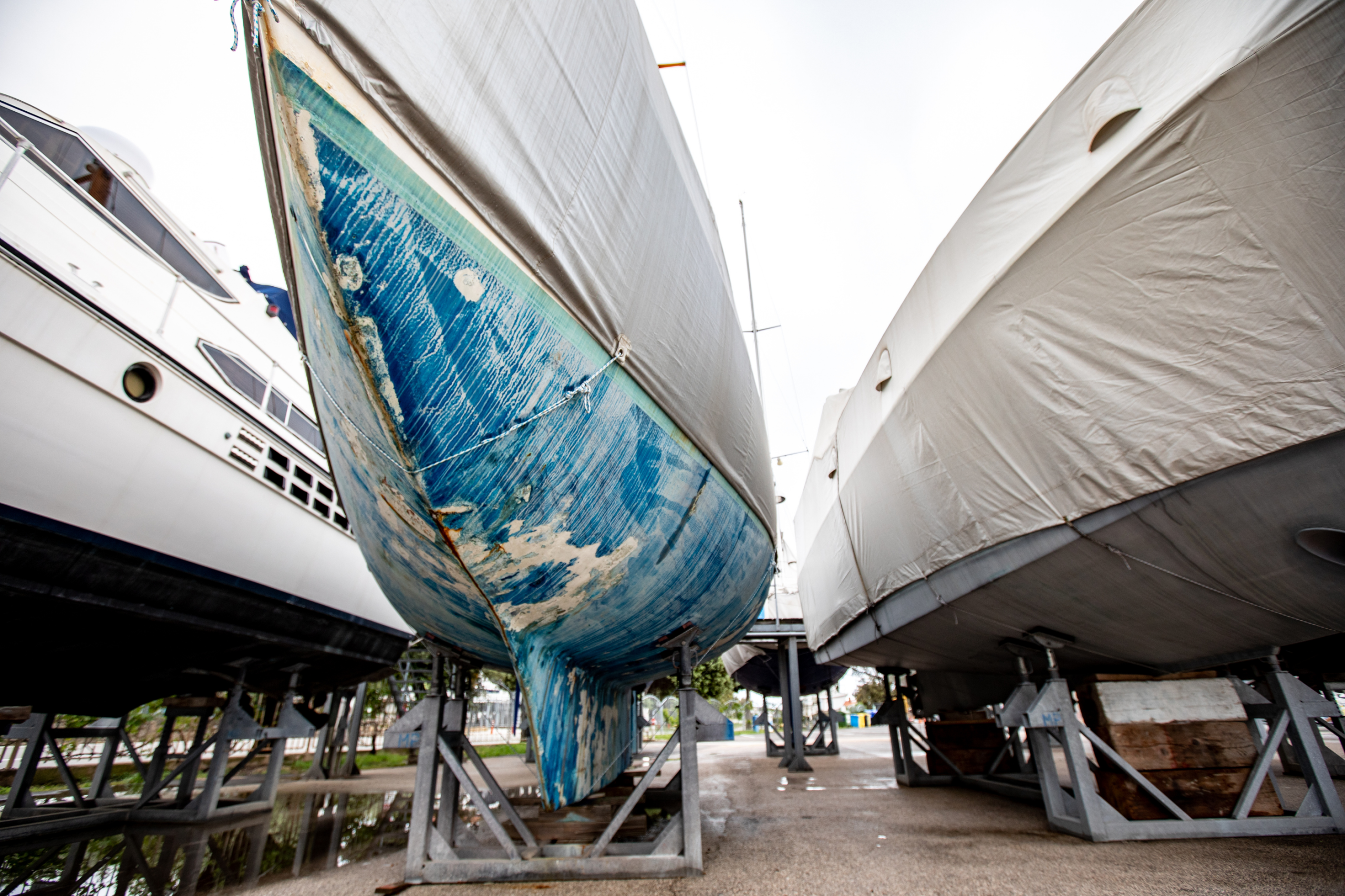
The hull is your boat’s foundation in the water. Overlooking its care leads to performance issues, increased fuel consumption, and accelerated wear. Growth like algae, barnacles, and marine organisms attach to hull surfaces when regular boat maintenance tasks such as bottom cleaning or painting are delayed.
Successful owners incorporate regular boat maintenance into their calendar long before waterborne problems appear. Just as diligent teak care prevents surface degradation, hull maintenance prevents drag, corrosion, and potential damage to underwater components.
Best Practices for Hull and Underwater Maintenance
New owners often underestimate how fast marine growth accumulates, especially in warm climates or with extended time in the water. Scheduling professional hull cleaning, inspecting through‑hull fittings, and maintaining antifouling paint are essential. When these tasks become routine, you keep resistance low, fuel expenses down, and the entire hull system healthier.
#3: Ignoring Electrical and Battery Systems
The Hidden Costs of Electrical Neglect
Electrical problems rarely announce themselves loudly — until they cause real trouble. From navigation lights to bilge pumps and onboard electronics, every critical system depends on a healthy electrical network. One of the most common boat maintenance mistakes is failing to inspect batteries, connections, and wiring regularly.
Battery terminals corrode in salty environments, voltage drops go unnoticed, and loose wires create intermittent failures. What may start as a dim light can quickly end in a dead battery or critical system failure at sea.
How to Maintain Electrical Systems Properly
Checking battery water levels (for those requiring it), inspecting terminals, and using marine‑grade cables and components all help reduce electrical failures. Keeping records of battery charging cycles, terminal cleaning, and voltage checks ensures your system stays reliable. When owners skip these tasks, they often end up replacing entire battery banks unnecessarily — a cost that can be avoided with consistent care.
#4: Neglecting Safety Equipment Checks
Safety Gear Isn’t Set‑and‑Forget
Many new boat owners focus on engines and hulls — but overlook the lifesaving gear that literally keeps you safe. Life jackets, flares, fire extinguishers, and bilge pumps all require scheduled inspections and maintenance, yet they are among the most commonly missed items in yearly boat maintenance.
Life jackets degrade over time from sun, salt, and general environmental exposure. EPIRBs and flares expire, fire extinguishers lose pressure, and bilge pumps become clogged with debris when not checked regularly.
Building a Safety Inspection Routine
Before each season or extended trip, inspect all safety gear. Verify expiry dates, test bilge pumps manually and electrically, and inspect fire extinguishers for pressure or damage. A simple habit of checking safety equipment each month avoids surprises and ensures readiness when it counts most.
#5: Failing to Establish a Maintenance Schedule
Why a Maintenance Calendar Matters
Perhaps the most pervasive boat maintenance mistake is not having any schedule at all. New owners often maintain reactively — only after something breaks. This approach never works well on a boat because the marine environment accelerates wear and failure.
A maintenance routine turns chores into predictable tasks. For example, regular boat maintenance on engines, hulls, batteries, and safety gear should be calendar‑driven rather than ad‑hoc. Systems like your rigging, plumbing, HVAC, and navigation electronics all benefit from scheduled attention. Having a plan also helps you budget time, money, and resources more efficiently, ensuring nothing slips through the cracks.
Simple Tips for Creating Your Maintenance Schedule
Start with a check‑list that covers monthly, seasonal, and yearly boat maintenance tasks. Use reminders on your phone or maintenance apps that help track engine hours, service due dates, and inspection intervals. Pairing routine check‑ups with your planned boating trips — such as pre‑season inspections — embeds maintenance into ownership and reduces last‑minute rushes.
Once established, even simple habits like a pre‑departure walkaround or seasonal deep inspection can dramatically cut down on costly repairs and improve overall vessel readiness.
Additional Common Boat Maintenance Mistakes to Watch For
While the five items above represent the most widespread and impactful errors, new boat owners also make other avoidable mistakes that undermine vessel performance and longevity. Some of these include:
- Using improper cleaning products — harsh detergents or household cleaners can damage gelcoat and marine finishes.
- Skipping plumbing and HVAC checks, which lead to mold and water damage over time.
- Poor record keeping, resulting in missed services or forgotten repairs later.
Incorporating awareness of these secondary issues into your maintenance regimen prevents escalation of otherwise minor boat problems into major repair bills.
Conclusion: Prioritize Maintenance, Not Just Use
Boat ownership brings freedom, fun, and a unique lifestyle — but it also brings responsibility. Avoiding the most common boat maintenance mistakes helps you enjoy your boat more and worry less about breakdowns. Being proactive with regular boat maintenance, planning yearly boat maintenance, and paying attention to engines, hulls, electrical systems, safety gear, and schedules protects performance and resale value over time.
At The Yacht Maintenance Hub, we believe that informed owners are confident owners. By recognising mistakes before they happen, your yacht stays reliable, safe, and ready for every adventure.
 310
310
310
310