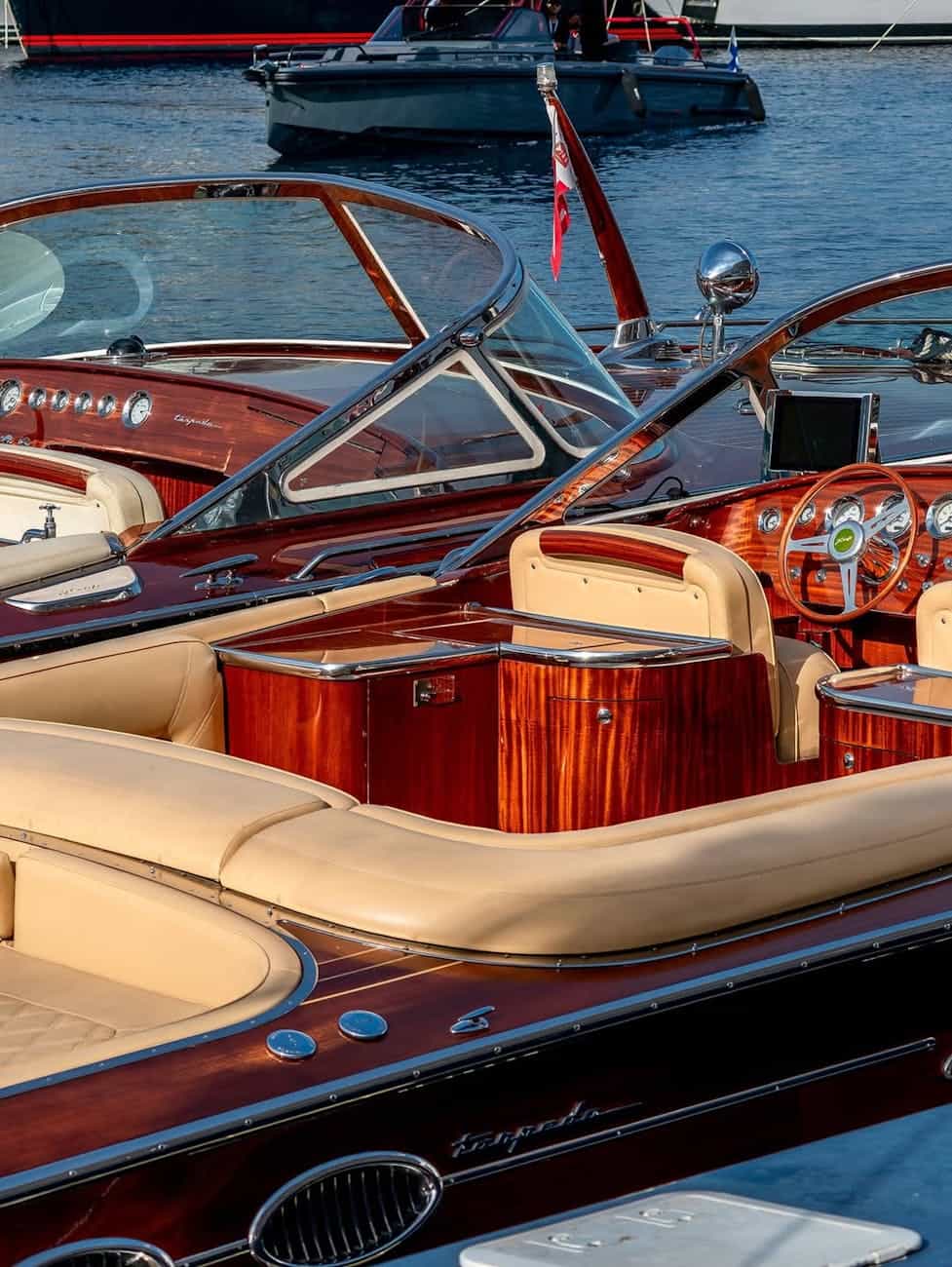
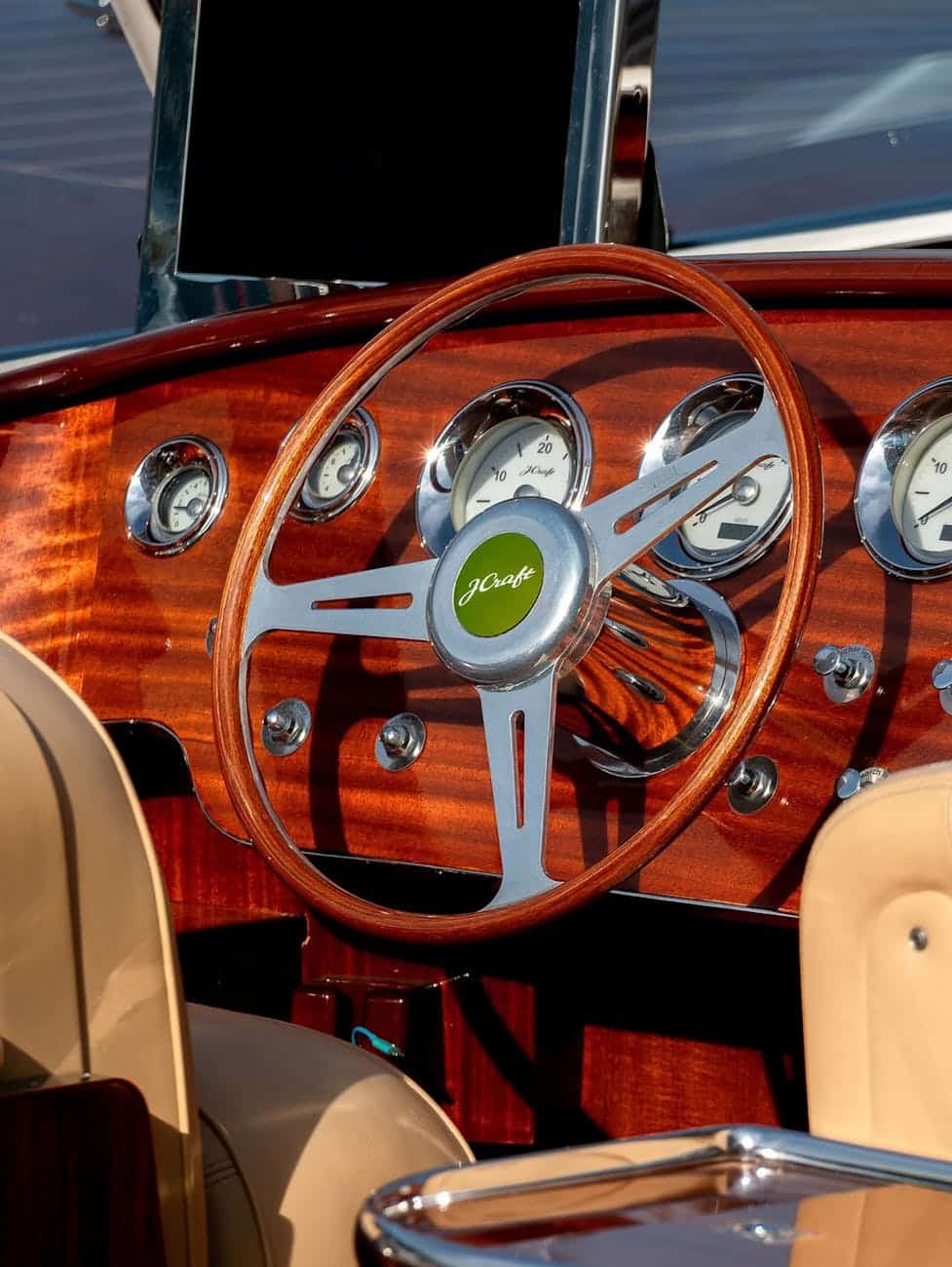
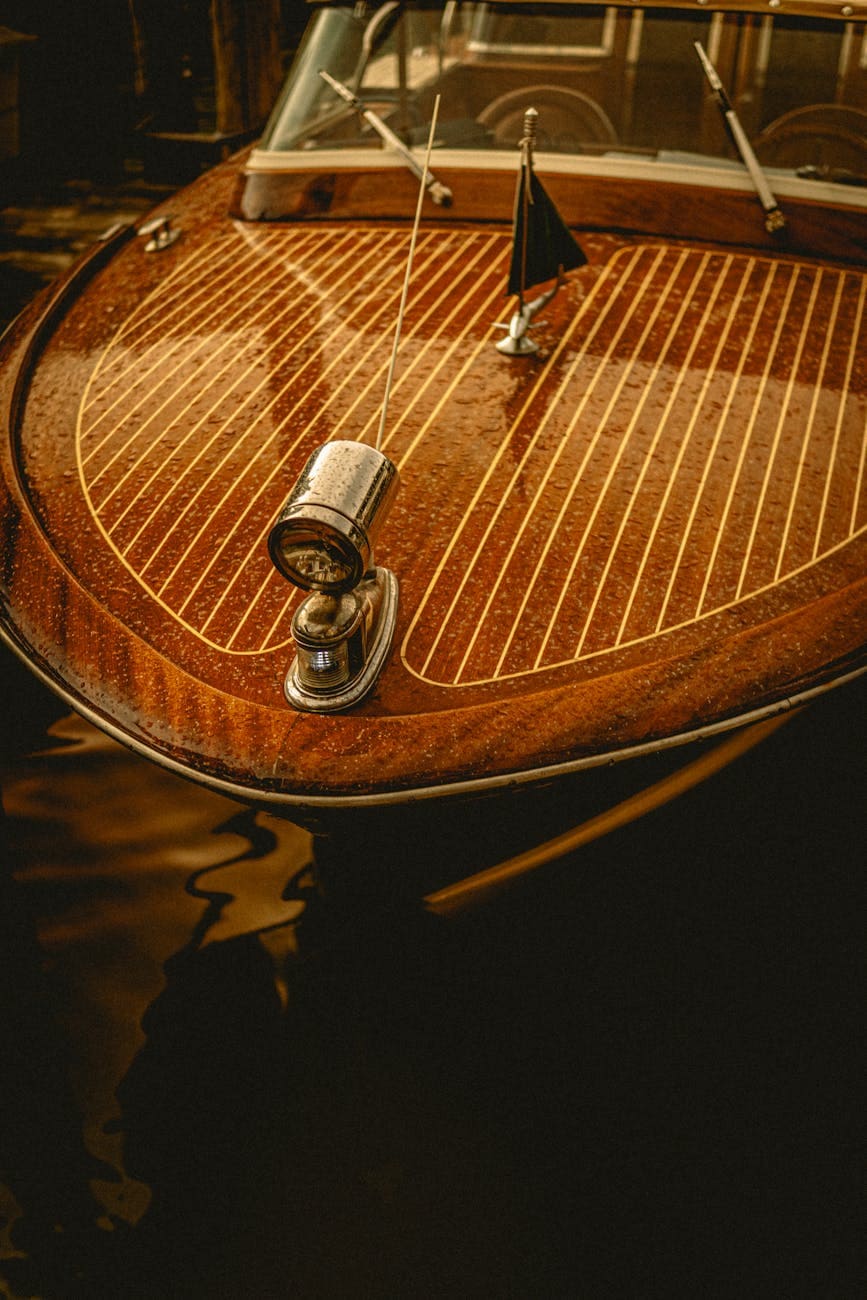
Well-maintained varnish is one of the clearest indicators of a well-cared-for yacht. Glossy, rich boat varnish not only enhances appearance but also protects exposed wood from harsh marine conditions. However, without proper care, even the best varnish systems will quickly deteriorate under UV, salt, and moisture.
Many yacht owners underestimate how quickly varnish can fail. Sun exposure alone can break down coatings within months, while salt crystals and moisture accelerate cracking and peeling. As a result, neglected brightwork often leads to expensive restoration work rather than simple upkeep.
This guide explains exactly how to protect boat varnish, extend its lifespan, and maintain a professional finish. You’ll learn practical, proven maintenance techniques used by crew and shipyards to keep varnish in top condition year-round.
This post is all about Boat Varnish!
Quick Answer: How Do You Protect Boat Varnish?
To protect boat varnish, clean surfaces regularly, apply UV-protective coatings, and recoat before the varnish begins to fail. Consistent inspection and light maintenance prevent costly full restorations and keep your brightwork looking glossy and protected.
What Is Boat Varnish and Why It Matters
Varnish is a protective coating applied to exterior wood surfaces such as teak, mahogany, and other brightwork. It creates a sealed barrier against moisture, UV rays, and salt exposure.
Proper marine varnish maintenance ensures that wood remains protected from rot, discoloration, and structural damage. Without it, even high-quality timber will degrade quickly in marine environments.
In particular, brightwork maintenance plays a critical role in preserving both the value and aesthetics of a yacht. Well-maintained varnish signals good ownership and reduces long-term refit costs.
What Damages Boat Varnish the Most?
Understanding the causes of varnish failure is key to effective boat varnish protection.
UV Exposure
Sunlight is the primary enemy. Without proper UV protection for varnish, coatings break down, lose gloss, and become brittle.
Salt and Moisture
Salt crystals attract moisture, which penetrates micro-cracks in the varnish. Over time, this leads to lifting and failure, making saltwater damage prevention wood a critical maintenance priority.
Movement and Flexing
Wood expands and contracts with temperature and humidity. Without flexibility, varnish cracks, allowing water ingress and requiring boat varnish repair.
How Often Should You Maintain Boat Varnish?
Maintenance frequency depends on climate, usage, and exposure.
Weekly: Wash down to remove salt and dirt
Monthly: Inspect for dull spots, cracks, or wear
Every 3–6 months: Apply protective wax or sealant
Annually: Light sand and apply maintenance coats
Regular varnish maintenance tips like these prevent the need for full varnish restoration boat projects, which are far more time-consuming and expensive.
7 Essential Tips to Protect Boat Varnish
1. Wash Varnished Surfaces Regularly
Routine cleaning is the foundation of boat exterior wood care. Salt, dirt, and pollutants degrade varnish faster than most owners realise.
Use fresh water and a mild boat soap. Avoid harsh chemicals, as they strip protective layers and reduce marine wood protection.
2. Apply UV Protection Frequently
Even high-quality varnish needs additional protection. Applying wax or sealants enhances UV protection for varnish and prolongs the coating’s lifespan.
This step is especially important in tropical cruising areas where UV exposure is constant.
3. Recoat Before the Varnish Fails
One of the most important principles in how to maintain boat varnish is timing. Never wait for peeling or cracking.
Instead, apply a light maintenance coat when gloss begins to fade. This process, known as recoating varnish boat, keeps the protective system intact without requiring full sanding.
4. Use the Right Products
Choosing the best varnish for boats makes a significant difference. High-quality marine varnishes contain UV inhibitors and flexible resins designed for harsh conditions.
A premium varnish also helps achieve a high gloss varnish finish, which not only looks better but provides better protection.
5. Maintain Proper Surface Preparation
Good results always start with correct varnish sanding and prep. Even minor recoats require light sanding to ensure adhesion.
Failing to prepare the surface properly leads to poor bonding and eventual peeling, increasing the need for varnish peeling prevention strategies later.
6. Protect Varnish from Weather Exposure
Whenever possible, reduce exposure to harsh elements. Covers, awnings, and strategic mooring can significantly improve weather protection for wood boat surfaces.
This is particularly important during long layups or when the yacht is not in use.
7. Address Damage Immediately
Small issues quickly become large problems. Early gelcoat issues get attention—but varnish damage often gets ignored until it’s too late.
Spot repairs and quick boat varnish repair actions prevent water ingress and reduce the need for full varnish restoration boat work.
Professional Maintenance Insights
Experienced crew focus heavily on preventative yacht brightwork maintenance rather than reactive repairs.
They regularly inspect high-wear areas such as:
Handrails
Cap rails
Companionways
These areas experience the most contact and environmental exposure. As a result, they often require more frequent teak varnish care and maintenance coats.
Additionally, professionals prioritise consistency. A structured maintenance schedule ensures that no area is overlooked, which is critical for long-term boat brightwork care.
Recognising Early Signs of Varnish Failure
Early detection allows for simple fixes rather than major repairs.
Look for:
Loss of gloss or dull patches
Fine cracks or “checking”
Milky or cloudy areas
Lifting or peeling edges
These signs indicate that varnish restoration work may soon be required if maintenance is not carried out promptly.
Common Mistakes Yacht Owners Make
Waiting Too Long to Recoat
Many owners delay maintenance until visible damage appears. At that point, simple recoating varnish becomes a full strip and revarnish job.
Skipping Surface Preparation
Poor varnish sanding and prep leads to adhesion failure. Even small shortcuts here cause long-term problems.
Using the Wrong Products
Not all varnishes are equal. Using low-quality coatings reduces durability and compromises marine varnish maintenance efforts.
Ignoring Environmental Exposure
Failing to consider sun, salt, and weather conditions undermines even the best boat varnish protection strategies.
Cost Considerations: Maintenance vs Restoration
Preventative care is always more cost-effective.
Routine maintenance: Low cost, minimal time
Full restoration: High labour, multiple coats, significant downtime
Regular varnish maintenance tips dramatically reduce long-term expenses while preserving the yacht’s appearance and value.
Safety Considerations When Maintaining Varnish
While varnish work may seem straightforward, safety matters.
Always work in well-ventilated areas
Use appropriate PPE when sanding or applying coatings
Be cautious on deck when surfaces are wet or freshly coated
Slips and inhalation risks are common during varnish work, especially in confined spaces.
FAQs: Boat Varnish
How long does boat varnish last?
With proper marine varnish maintenance, varnish can last several years. However, regular recoating is required to maintain protection.
Can you varnish over old varnish?
Yes, as long as the surface is properly prepared. Light varnish sanding and prep ensures good adhesion for new coats.
What is the best way to protect varnish from the sun?
Apply protective wax or coatings regularly and ensure strong UV protection for varnish through quality products and maintenance.
How do you fix peeling varnish on a boat?
Peeling areas require sanding back to a stable surface followed by reapplication. Early boat varnish repair prevents full restoration.
How often should you recoat boat varnish?
Typically every 6–12 months depending on exposure. High-wear areas may require more frequent teak varnish care.
Summary
Protecting boat varnish comes down to consistency, timing, and attention to detail. Regular cleaning, proper UV protection, and timely recoating prevent most varnish failures before they start.
By following these varnish maintenance tips, yacht owners can avoid costly restoration work, extend the life of their brightwork, and maintain a professional, high-gloss finish.
At its core, good varnish care is preventative maintenance. Done correctly, it saves time, money, and effort while keeping your yacht looking its best year-round.
Join the newsletter for practical yacht maintenance advice, new guide releases, downloadable resources, product recommendations and seasonal reminders designed to help owners, captains and crew make better maintenance decisions onboard. As TYMH grows, subscribers will also get early access to new checklists, maintenance resources, recommended products and exclusive offers or discounts from selected marine brands.
Success
Thank you for signing up to receive updates from The Yacht Maintenance Hub.
Blog / How to Protect Boat Varnish: 7 Essential Maintenance Tips
We track how people interact with our online web content and resources, and some of that tracking involves storing cookies on your device. By continuing to use our site you accept that you agree to this. For more details see our Privacy Statement.
 310
310
310
310