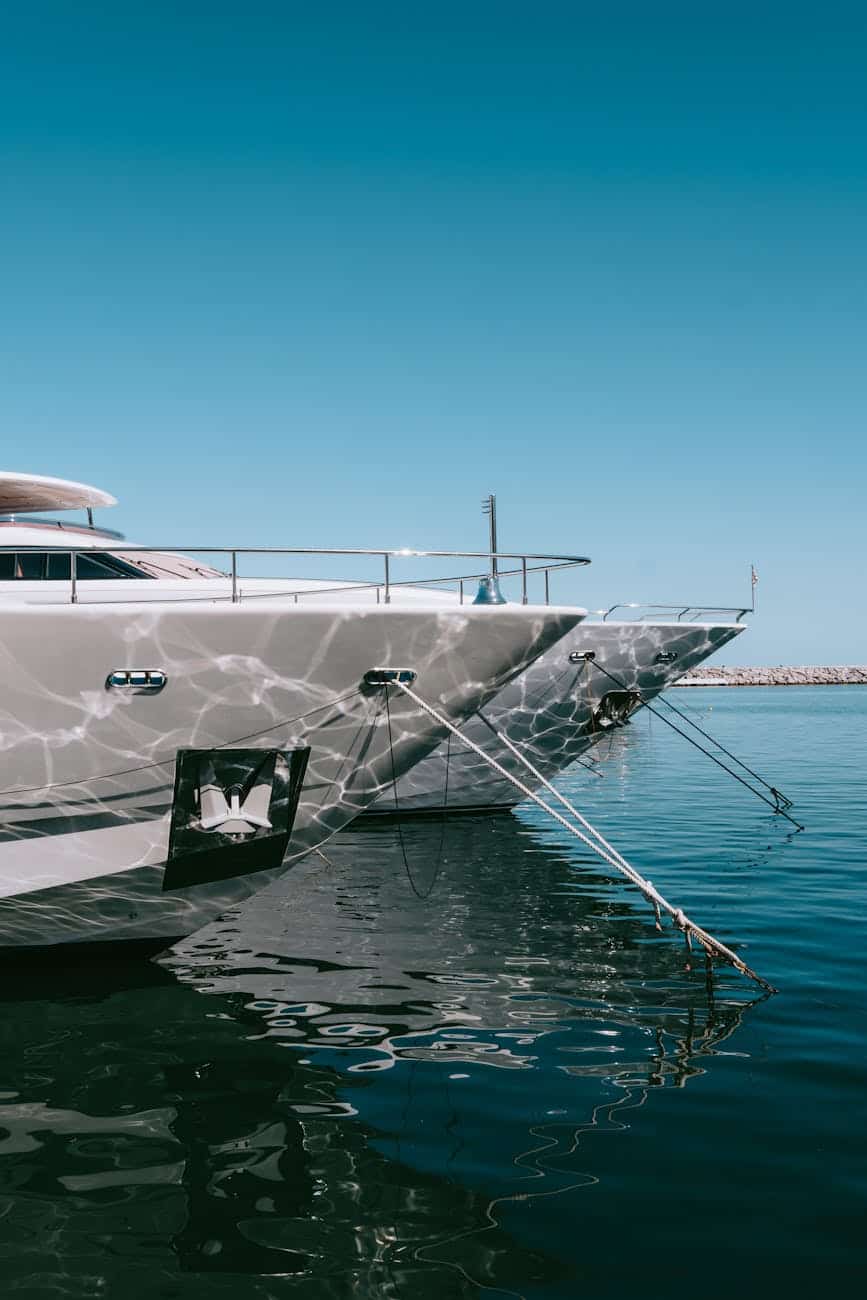
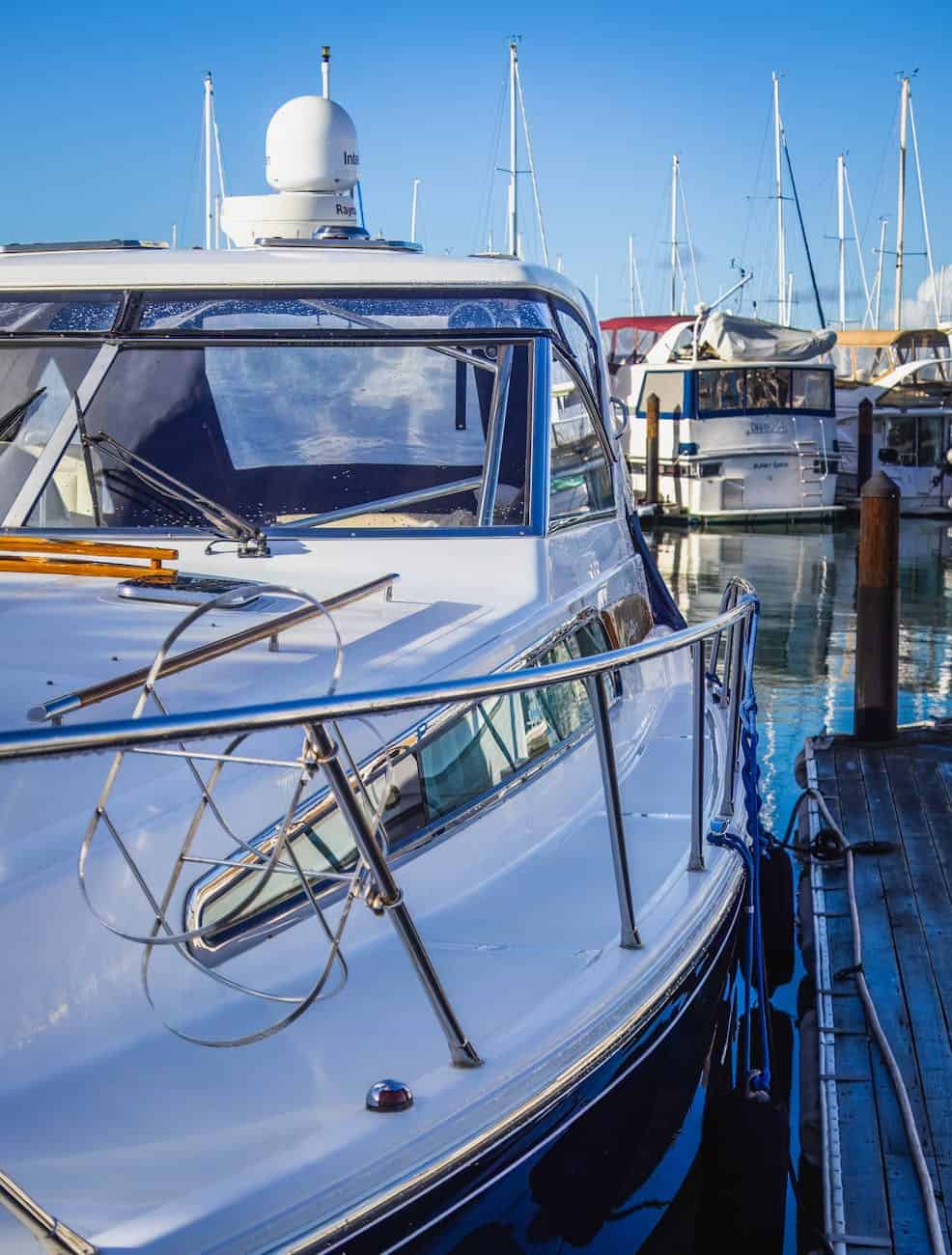
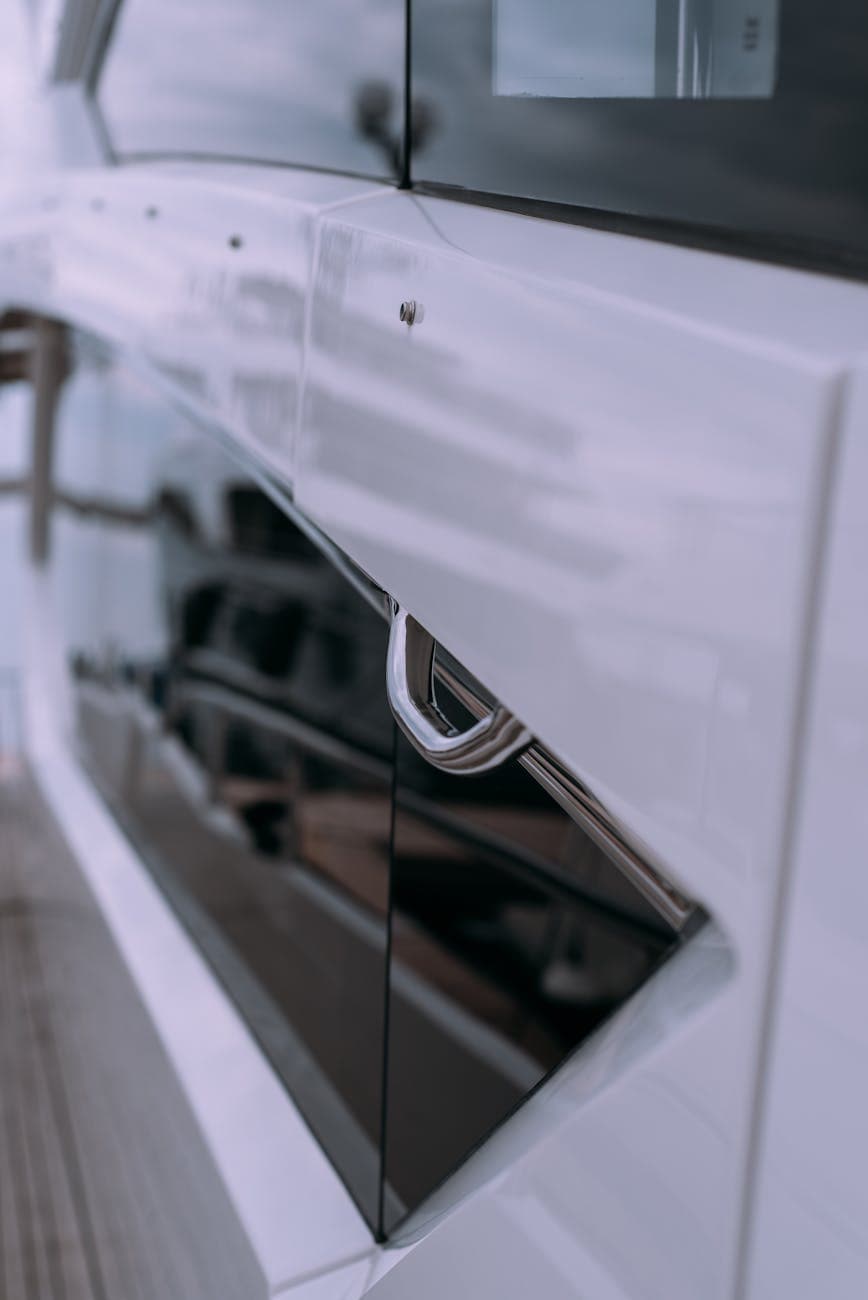
Boat polish is one of the easiest ways to restore shine, improve gelcoat appearance, and keep a yacht looking well maintained. However, choosing the wrong product can waste time, leave poor results, or even damage the finish.
Many yacht owners confuse boat polish, wax, cleaner wax, polishing compound, and oxidation remover. Although they all improve the surface in different ways, they are not the same. Therefore, understanding what each product does helps you choose the right one for your hull.
In this guide, you’ll learn what boat polish does, how to choose the best boat polish for gelcoat, when to use a compound, and how to protect the finish afterwards.
This post is all about Boat Polish!
Quick Answer: What Is Boat Polish Used For?
Boat polish is used to restore shine, reduce dullness, and remove light oxidation from gelcoat, fibreglass, and some painted marine surfaces. For light fading, use a marine polish or cleaner wax; for chalky gelcoat, use a boat polishing compound before applying wax or sealant.
What Does Boat Polish Do?
Boat polish restores gloss by smoothing the surface of gelcoat or fibreglass. Over time, UV, salt, water, fender marks, exhaust stains, and regular washdowns can make gelcoat look dull or faded.
A good marine polish can help:
Restore shine
Remove light oxidation
Reduce haze and dullness
Improve the look of faded gelcoat
Prepare the surface for wax or sealant
Make future cleaning easier
However, polish does not replace proper gelcoat repair. If the surface is badly oxidised, heavily scratched, or thin from years of machine polishing, you may need a professional restoration process.
Boat Polish vs Wax vs Compound
One of the most common mistakes is using the wrong product. Boat polish, wax, and compound all have different jobs.
Product
Main Use
Best For
Boat polish
Restores shine and light gloss
Mild dullness
Cleaner wax
Cleans, lightly polishes, and protects
Light oxidation
Polishing compound
Cuts back oxidised gelcoat
Faded or chalky hulls
Boat wax
Protects the surface after polishing
UV and water protection
Oxidation remover
Removes heavier chalking
Weathered gelcoat
Boat polish improves appearance and protects the finish. Meanwhile, compound is more aggressive and should only be used when the surface needs deeper correction.
As a simple rule, always start with the least aggressive product and work up from there.
How to Choose the Right Boat Polish
The best boat polish depends on the condition of the surface.
For New or Well-Maintained Gelcoat
If the gelcoat already looks fairly glossy, use a light boat gelcoat polish or boat polish and wax product. This is ideal for regular maintenance and seasonal shine.
This suits:
Newer yachts
Well-maintained topsides
Light haze
Minor dullness
Surfaces that still shine after washing
Avoid heavy compounds on good gelcoat. You do not need to remove surface material if the finish only needs refreshing.
For Light Oxidation
Light oxidation usually appears as slight dullness, fading, or a powdery feel when you rub the surface.
Use:
Marine polish
Cleaner wax
Light boat polishing compound
Boat shine restorer
Work in small sections and inspect the result before using anything stronger.
For Medium or Heavy Oxidation
If the gelcoat looks chalky, flat, or badly faded, normal polish may not be enough. In this case, you may need a boat oxidation remover or polishing compound.
A full process may include:
Wash the hull
Compound the oxidised gelcoat
Refine with polish
Protect with wax or sealant
This type of work often benefits from machine polishing. However, it also carries more risk if you use too much pressure, heat, or the wrong pad.
Best Boat Polish by Surface Condition
Surface Condition
Product Type
DIY Friendly?
Slightly dull gelcoat
Light marine polish
Yes
Light oxidation
Cleaner wax
Yes
Medium fading
Polishing compound
Sometimes
Chalky gelcoat
Oxidation remover
Not always
Dark hulls
Fine finishing polish
Moderate
Painted topsides
Paint-safe polish only
Be careful
Dark blue, black, and coloured hulls show swirl marks more easily than white gelcoat. Therefore, test a small area first and use a finer finishing polish where needed.
Tools and Products Needed
For basic boat polishing, you do not need a huge setup. However, good tools make the job safer and more effective.
Basic Boat Polishing Kit
Marine boat soap
Microfibre cloths
Masking tape
Boat polish or cleaner wax
Foam applicator pads
Marine wax or sealant
Soft polishing towels
Machine Polishing Kit
Dual-action or rotary polisher
Foam polishing pads
Wool pad for heavier oxidation
Boat polishing compound
Finishing polish
Pad brush
Suitable extension lead
Gloves and eye protection
For most owners, a light polish by hand is enough for small areas. For larger yachts or oxidised hulls, machine polishing gives a better and more even finish.
How to Polish a Boat Step by Step
1. Wash the Boat First
Start with a proper wash using marine boat soap. Remove salt, dirt, black streaks, and grit before polishing.
Never polish over dirt. Even small particles can scratch gelcoat when trapped under a pad or cloth.
2. Inspect the Gelcoat
Check for:
Oxidation
Scratches
Fender scuffs
Stains
Dull patches
Previous swirl marks
Thin or damaged gelcoat
If the surface is painted, confirm the paint type before using abrasive products.
3. Tape Sensitive Areas
Use masking tape around teak, rubber trims, vinyl graphics, stainless fittings, vents, sealant lines, and the antifoul edge.
This prevents staining and keeps polish residue out of difficult areas.
4. Test a Small Area
Always test before polishing the full hull. Start with a light marine gelcoat polish. If that works, continue with it. If not, move up gradually to a stronger polish or compound.
5. Work in Small Sections
Apply the product to a small area at a time. If working by hand, use firm and even pressure. If using a machine, keep the pad moving and avoid building heat in one spot.
Do not rush. A good result comes from controlled, even passes rather than heavy pressure.
6. Wipe and Inspect
Remove residue with a clean microfibre cloth. Then check the surface from different angles.
If the finish still looks dull, you may need another pass or a slightly stronger product.
7. Protect With Wax or Sealant
Polish restores shine, but wax or sealant protects it. After polishing, apply a marine wax, polymer sealant, or suitable protective coating.
This helps protect the gelcoat from UV, salt, dirt, and staining.
How Often Should You Polish a Boat?
Most boats do not need heavy polishing every season. However, they do need regular cleaning and protection.
Task
Suggested Interval
Wash topsides
Weekly or after use
Inspect gelcoat
Monthly
Light polish
1–2 times per year
Wax or sealant
Every 3–6 months
Heavy compound
Only when needed
Professional polish
Annually or when required
Yachts in strong sun, saltwater, or charter use may need more frequent protection. Boats stored under cover usually need less.
DIY vs Professional Boat Polishing
DIY polishing works well for light dullness, small areas, and regular upkeep. However, professional polishing is often better for large yachts, dark hulls, heavy oxidation, or high-gloss finishes.
DIY Is Suitable When:
The gelcoat is in fair condition
You are using a light polish or cleaner wax
The area is easy to access safely
You understand the product
You are not dealing with heavy oxidation
Call a Professional When:
Gelcoat is chalky or badly faded
The hull is dark coloured
Machine polishing is needed
Access is difficult
You see deep scratches
You are unsure whether the surface is paint or gelcoat
A professional detailer can test the surface, choose the right cutting level, and finish the hull correctly.
Common Boat Polish Mistakes to Avoid
Using Compound Too Quickly
A heavy compound removes more surface material than polish. Start mild and only increase the cutting level if needed.
Skipping Wax After Polishing
Polish improves shine, but it does not always protect the surface long term. Always finish with wax or sealant.
Polishing Dirty Gelcoat
Salt and grit can scratch the hull. Wash and dry the surface first.
Using Household or Automotive Products Without Checking
Marine gelcoat faces harsher conditions than many household or car surfaces. Use products designed for boats where possible.
Overheating the Surface
Machine polishers can create heat quickly. Keep the pad moving and avoid too much pressure.
Ignoring Painted Topsides
Gelcoat and yacht paint may need different products. If in doubt, check manufacturer guidance or ask a marine professional.
Practical Advice for Owners and Crew
The best boat polish routine is preventative. Do not wait until the hull becomes chalky before taking action.
For crew, include gloss checks during regular washdowns. If you spot dull patches, fender scuffs, or fading early, you can usually correct them before the job becomes bigger.
For owners, avoid aggressive polishing every season. Gelcoat has a limited thickness, so regular washing, light polishing, and proper protection are better than repeated heavy compounding.
Good habits include:
Wash salt off regularly
Use proper boat soap
Keep fenders clean
Remove stains early
Reapply wax before the surface dries out
Store pads and cloths clean and dry
FAQs: Boat Polish
What is the best boat polish for gelcoat?
The best polish for gelcoat depends on the surface condition. Use light marine polish for dullness, cleaner wax for light oxidation, and compound for faded or chalky gelcoat.
Is boat polish the same as boat wax?
No. Boat polish restores shine, while boat wax protects the finish. In many cases, you should polish first and wax afterwards.
Can I use car polish on a boat?
It is better to use marine polish. Some car products may work, but marine gelcoat faces stronger UV, salt, and weather exposure.
How do I remove oxidation from a boat hull?
Wash the hull, test a small area, then use a suitable boat oxidation remover or polishing compound. Finish with polish and wax.
How often should I polish my boat?
Most boats benefit from light polishing once or twice a year. Heavy compounding should only be done when the gelcoat needs deeper correction.
Summary
Boat polish helps restore shine, remove light oxidation, and improve the appearance of gelcoat and fibreglass surfaces. However, the right product depends on the condition of the hull.
For light dullness, use a marine polish or cleaner wax. For chalky gelcoat, use a polishing compound or oxidation remover before finishing with wax or sealant.
Used correctly, polish helps protect your yacht’s appearance, reduce long-term surface deterioration, and avoid more expensive gelcoat restoration later.
Join the newsletter for practical yacht maintenance advice, new guide releases, downloadable resources, product recommendations and seasonal reminders designed to help owners, captains and crew make better maintenance decisions onboard. As TYMH grows, subscribers will also get early access to new checklists, maintenance resources, recommended products and exclusive offers or discounts from selected marine brands.
Success
Thank you for signing up to receive updates from The Yacht Maintenance Hub.
Blog / Boat Polish Guide (2026) : How to Choose the Right Polish for Your Boat
We track how people interact with our online web content and resources, and some of that tracking involves storing cookies on your device. By continuing to use our site you accept that you agree to this. For more details see our Privacy Statement.
 310
310
310
310