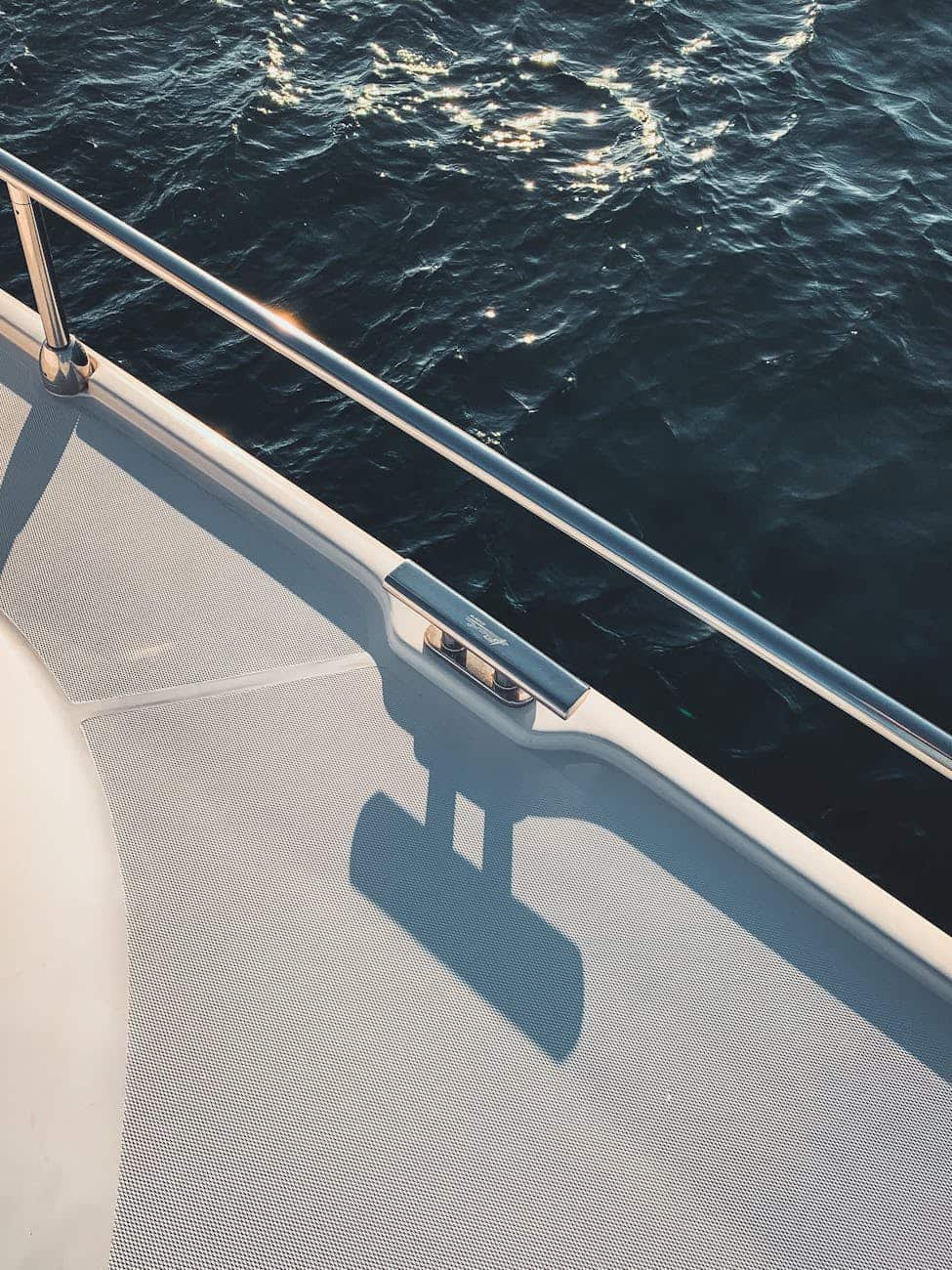
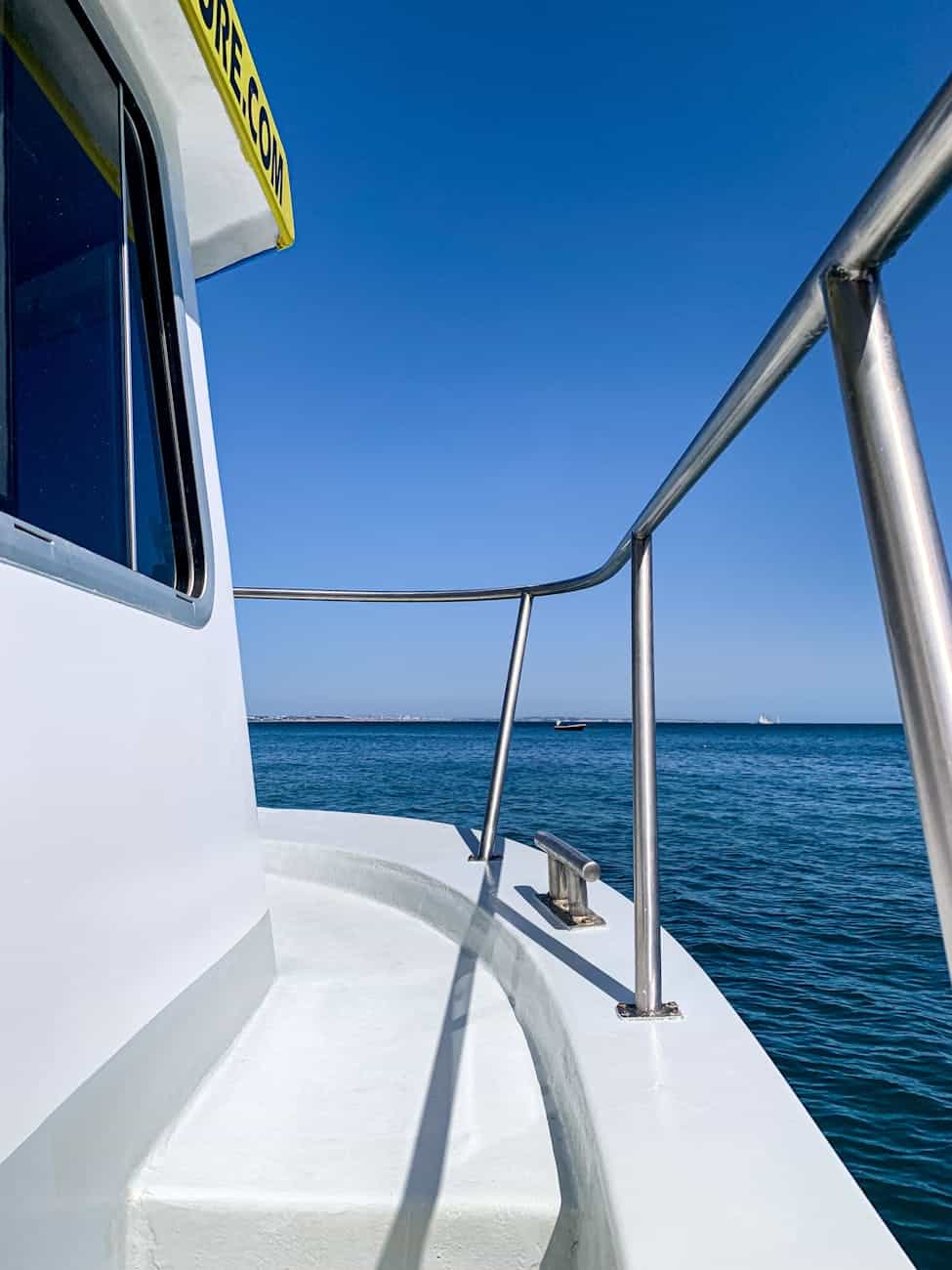
Yacht decks deal with saltwater, UV, foot traffic, sunscreen, fuel spills, dropped tools, and cleaning chemicals. As a result, neglected decks quickly affect the appearance, safety, and value of a yacht.
However, yacht decks are not just cosmetic. A good deck should provide grip, drain water properly, protect the structure below, and stay comfortable underfoot. Therefore, poor care can lead to stains, failed caulking, leaks, soft spots, and expensive repairs.
This guide explains the main yacht deck materials, how to maintain them, when to repair or replace them, and the mistakes owners should avoid.
This post is all about Yacht Decks!
Quick Answer: How do you maintain Yacht Decks?
Yacht decks need regular rinsing, gentle cleaning, seam checks, and material-specific care. Teak yacht decks need soft brushing and minimal sanding, while synthetic yacht decks need compatible cleaners and regular checks for lifting edges, heat damage, and adhesive failure.
Why Yacht Deck Maintenance Matters
Yacht deck maintenance protects safety, appearance, resale value, and the structure beneath the surface. Poor maintenance can lead to slippery surfaces, water leaks, damaged caulking, loose panels, moisture around fittings, and expensive deck replacement.
Most problems start small. For instance, a cracked seam may not look serious. However, if water gets below the surface, it can damage adhesive, timber, fasteners, or core material. Good maintenance prevents small issues becoming restoration work.
Main Yacht Deck Materials Explained
Teak Decks
Teak yacht decks are the classic luxury option. They look premium, feel comfortable underfoot, and offer good natural grip. Over time, untreated teak usually turns silver-grey. This is normal and does not mean the deck is dirty or damaged.
Teak needs gentle cleaning, regular caulking checks, and minimal sanding. Watch for worn caulking, raised grain, thinning timber, loose planks, black staining, and over-sanding damage.
Synthetic yacht decks are designed to look like teak while reducing maintenance. They may be made from PVC, EVA foam, composite materials, or other marine-grade surfaces.
Synthetic teak yacht decks are usually easier to clean. However, they are not maintenance-free. Watch for heat build-up, edge lifting, sunscreen stains, fuel marks, chemical damage, and adhesive failure.
GRP and Painted Non-Slip Decks
GRP and painted non-slip decks are practical, lightweight, and common on many yachts. They are usually easier to wash down than teak, and repairs can often be completed in smaller sections.
However, dirt, salt, UV, polish residue, and aggressive scrubbing can reduce grip and dull the finish. Watch for worn non-slip, paint chips, gelcoat cracks, fading, and water sitting around fittings.
Yacht Deck Materials Comparison
Deck Material
Maintenance
Common Problems
Best Use
Teak
Medium to high
Caulking failure, staining, thinning
Premium yachts
Synthetic teak
Low to medium
Heat, stains, lifting edges
Refits and charter yachts
GRP/fibreglass
Low to medium
Fading, cracks, worn grip
Cruising yachts
Painted non-slip
Medium
Chipping, wear, grip loss
Working deck areas
How to Clean Yacht Decks Properly
The best way to clean yacht decks is to use fresh water, a soft brush, and a cleaner suited to the material. More pressure does not mean a better clean. In many cases, gentle and regular cleaning works better than occasional aggressive scrubbing.
Basic Yacht Deck Cleaning Routine
Rinse the deck with fresh water.
Remove loose salt, dirt, and grit.
Apply a mild marine deck cleaner.
Scrub gently with a soft brush.
Work against the grain on teak decks.
Rinse thoroughly.
Let the deck dry.
Inspect seams, drains, edges, and fittings.
This routine removes salt before it becomes abrasive. It also helps prevent stains before they become embedded.
Cleaning Teak Yacht Decks
Teak needs careful cleaning. Use a soft brush or pad, clean against the grain, avoid aggressive pressure washing, avoid frequent sanding, and use strong teak cleaners only when needed.
A two-part teak cleaner can restore stained teak. However, it should not be used as a weekly wash because it can wear the surface faster.
Cleaning Synthetic Yacht Decks
Synthetic decks are usually easier to maintain. However, product compatibility matters. Use manufacturer-approved cleaners where possible, avoid solvents unless recommended, test stain removers first, rinse sunscreen and fuel spills quickly, and check edges during cleaning.
In hot climates, synthetic decking can become warm underfoot. Therefore, shade, covers, and regular rinsing can help reduce surface temperature.
Yacht Deck Maintenance Schedule
Interval
Maintenance Task
Why It Matters
After each use
Fresh water rinse
Removes salt and grit
Weekly
Light wash
Prevents stains and build-up
Monthly
Inspect seams, fittings, and drains
Finds problems early
Every 3 months
Deep clean high-traffic areas
Controls embedded dirt
Every 6 months
Check deck hardware and bedding
Helps prevent leaks
Annually
Full deck inspection
Identifies repair needs
Yachts used for charter, racing, fishing, or long passages may need more frequent care. Meanwhile, lightly used yachts still need regular inspections, especially around fittings and seams.
Yacht Deck Caulking and Repairs
Yacht deck caulking seals joints between planks or panels. On teak decks, it helps stop water entering between boards and helps with the flex on the yacht on the water. On synthetic decks, seams may also form part of the design or bonding system.
Look for cracks in black seams, gaps between planks, caulking pulling away, soft seam material, water sitting in seams, or mouldy joints. Small seam failures should be repaired early. Otherwise, water can get beneath the surface and increase repair costs.
Owners and crew can handle rinsing, weekly washing, light stain removal, and basic inspections. However, large-scale recaulking, yacht teak deck repair, deck sanding, soft deck investigation, water ingress, and full yacht deck replacement should be handled by a marine professional.
Restoration, Replacement, and Costs
Yacht deck restoration becomes necessary when cleaning is no longer enough. It may include deep cleaning, stain removal, sanding, recaulking, rebonding loose areas, replacing damaged planks, refinishing painted non-slip, or fitting a new deck.
Signs your deck needs more than cleaning include deep black stains, uneven teak, loose planks, failed seams, soft sections, water leaks below deck, thin teak with visible fasteners, or worn non-slip areas.
As a rule, maintenance is cheaper than restoration, and restoration is cheaper than replacement.
Common Yacht Deck Problems and Fixes
Problem
Likely Cause
What to Do
Black stains on teak
Dirt, moisture, metal staining
Use correct teak cleaner and improve drainage
Raised teak grain
Hard brushing or pressure washing
Clean gently and avoid repeated sanding
Open seams
UV, age, movement
Repair before water enters
Synthetic deck lifting
Heat or adhesive failure
Inspect edges and call a specialist
Slippery GRP
Dirt, polish residue, worn non-slip
Clean properly and assess grip
Soft deck area
Possible water ingress
Get a professional inspection
What Owners Get Wrong About Yacht Decks
The most common yacht deck mistakes are caused by over-cleaning or using the wrong products.
First, pressure washers can remove dirt quickly. However, they can also damage teak fibres, lift seams, and force water into weak points.
Second, a silver-grey teak deck can be healthy. In contrast, constant brightening and sanding often cause more harm than good.
Third, small cracks in yacht deck caulking can allow water below the surface. Therefore, early repair is much cheaper than restoration.
Finally, domestic cleaners are not designed for marine caulking, teak, GRP, adhesives, or synthetic decking. As a result, they may stain, soften, or damage the surface.
Best Yacht Decking Material: Which Should You Choose?
There is no single best yacht decking material for every yacht. Choose teak if you want a traditional luxury finish and are prepared for careful maintenance. Synthetic teak if you want a teak-style appearance with lower routine upkeep. GRP or painted non-slip if practicality, cost, and easy cleaning matter most.
Choose cork or composite if you want a modern alternative. However, check heat performance, repair options, installation quality, and warranty terms first.
FAQs: Yacht Decks
How often should yacht decks be cleaned?
Yacht decks should be rinsed after use and washed weekly during regular operation. However, charter yachts or boats in salty, sunny climates may need more frequent cleaning.
Can I pressure wash yacht decks?
You can pressure wash some decks carefully. However, high pressure should be avoided on teak, seams, caulking, and fittings. A hose and soft brush are safer for routine cleaning.
When should yacht deck caulking be replaced?
Yacht deck caulking should be repaired when it cracks, pulls away, becomes soft, or lets water into seams. Early repair helps prevent expensive water damage.
What is the best yacht decking material?
The best yacht decking material depends on your priorities. Teak gives a classic premium look, synthetic teak reduces maintenance, and GRP is practical and cost-effective.
Summary
Yacht decks need regular, careful maintenance because they face salt, sun, water, traffic, and cleaning wear. Whether your yacht has teak, synthetic teak, GRP, or painted non-slip decking, the key is to clean gently, use the right products, inspect often, and repair small problems early.
Most expensive deck issues come from neglect, harsh cleaning, failed caulking, or delayed repairs. Therefore, a simple yacht deck maintenance schedule can protect appearance, improve safety, and reduce long-term costs.
Join the newsletter for practical yacht maintenance advice, new guide releases, downloadable resources, product recommendations and seasonal reminders designed to help owners, captains and crew make better maintenance decisions onboard. As TYMH grows, subscribers will also get early access to new checklists, maintenance resources, recommended products and exclusive offers or discounts from selected marine brands.
Success
Thank you for signing up to receive updates from The Yacht Maintenance Hub.
Blog / Yacht Decks Explained: Materials, Maintenance & Mistakes
We track how people interact with our online web content and resources, and some of that tracking involves storing cookies on your device. By continuing to use our site you accept that you agree to this. For more details see our Privacy Statement.

 310
310
310
310