Boat electrical faults are one of the most common problems onboard. A weak battery, loose terminal, poor crimp, or corroded connection can stop a bilge pump, navigation light, fridge, instrument, or engine-starting circuit from working properly.
That is why every owner, captain, and crew member should carry a basic set of marine electrical tools. With the right kit, you can test problems properly, make cleaner repairs, and avoid replacing parts unnecessarily.
This guide covers the five most useful marine electrical tools for boat maintenance, troubleshooting, and safer DIY repairs.
Quick Answer: What Marine Electrical Tools Should I Keep Onboard?
The five must-have marine electrical tools are a digital multimeter, ratcheting crimping tool, wire strippers and cutters, heat gun, and DC clamp meter or battery tester. Together, they help you test voltage, diagnose faults, repair terminals, protect wiring, and check battery performance.
Marine Electrical Tool Kit Checklist
Tool
Main Use
Best For
Digital multimeter
Tests voltage and continuity
Fault finding
Ratcheting crimper
Makes secure terminals
Wiring repairs
Wire strippers and cutters
Prepares cable cleanly
Terminal work
Heat gun
Seals heat shrink
Moisture protection
DC clamp meter or battery tester
Checks current and batteries
Charging faults
These tools cover most basic boat electrical troubleshooting jobs. More importantly, they help you diagnose the fault before spending money on replacement parts.
1. Digital Marine Multimeter
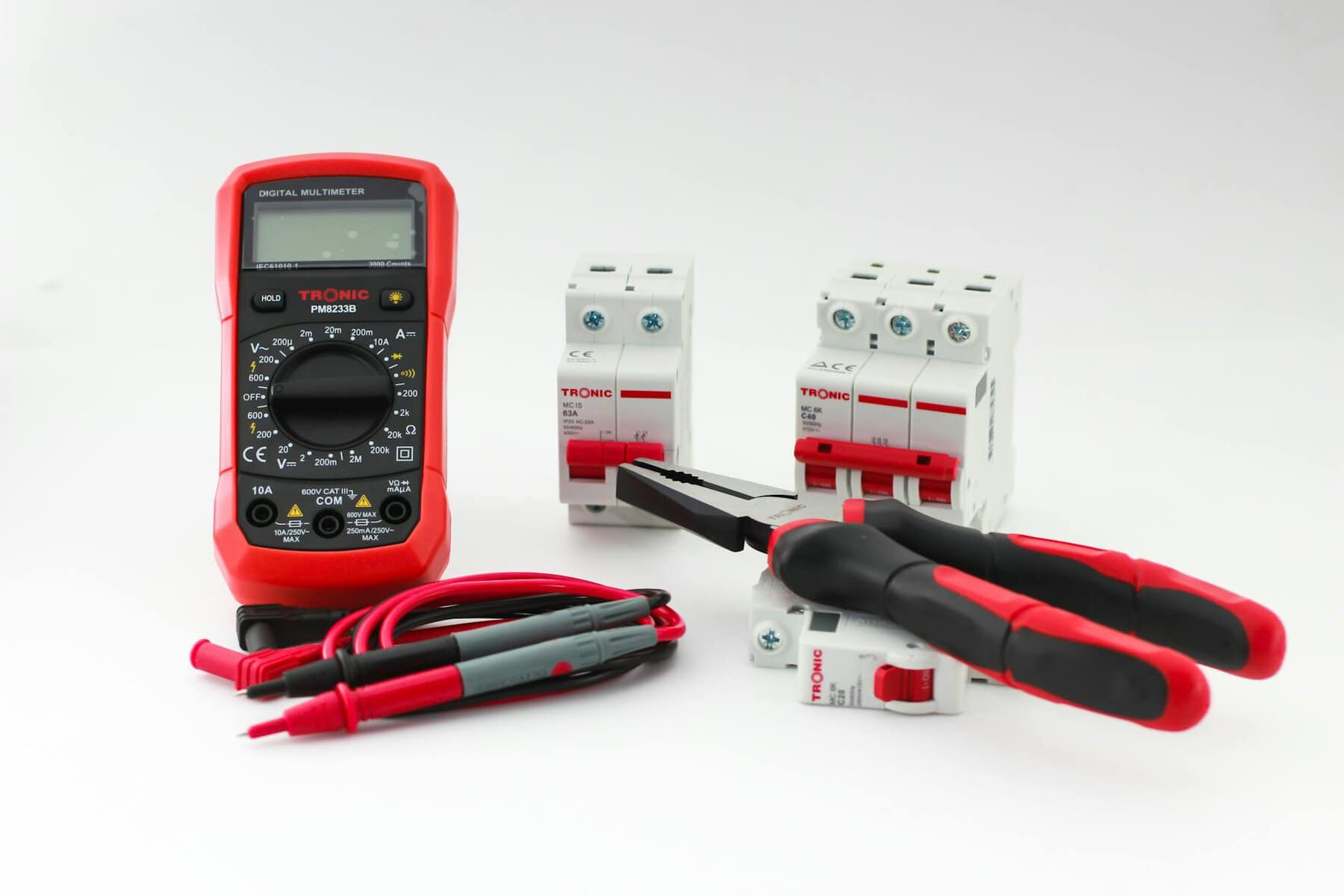
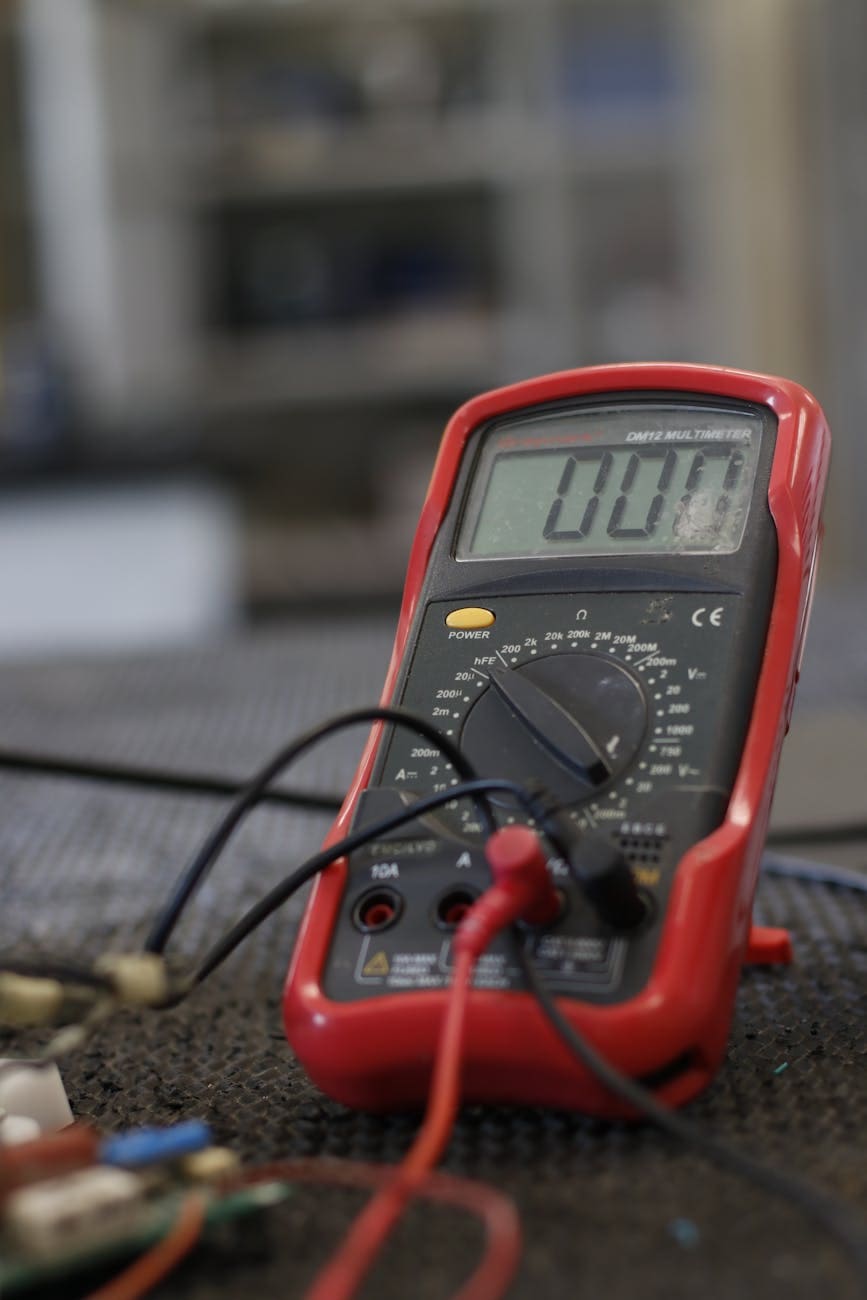
A digital multimeter is the most important electrical testing tool onboard. It helps you check whether power is reaching a device, whether a fuse has failed, and whether a switch or wire has continuity.
What It Helps With
Use a marine multimeter to check:
Battery voltage
Fuses and breakers
Switches
Navigation lights
Bilge pumps
Electronics supply voltage
Basic alternator output
Voltage drop in long cable runs
For example, if a cabin light stops working, test the battery first. Next, check the fuse. Then, test the switch and voltage at the light fitting. As a result, you can find the fault logically instead of replacing parts at random.
What to Look For
Choose a multimeter with DC voltage testing, continuity mode, resistance testing, a clear display, good leads, and a protective case.
For most DIY boaters, a mid-range multimeter is enough. However, professional crew or engineers may prefer a more durable marine electrical diagnostic tool.
Safety Note
Do not work on AC shore power unless you are qualified. Shore power, inverters, chargers, and generators can create shock and fire risks. Therefore, leave AC electrical faults to a marine electrician.
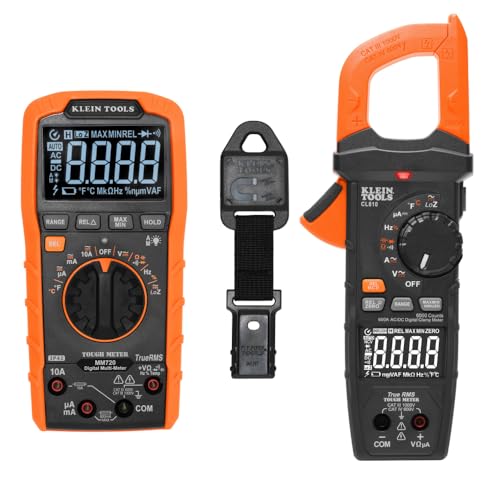
A useful investment for owners who regularly investigate onboard electrical faults, combining a multimeter and clamp meter for a broader range of checks. Clear displays and the included magnetic hanger make readings easier to follow when working around electrical panels and equipment.
A ratcheting marine crimping tool creates strong terminal connections. This matters because many boat electrical faults come from poor crimps, loose terminals, or corrosion inside connectors.
Boats vibrate constantly. As a result, a weak terminal can loosen, heat up, or fail without warning. In contrast, a ratcheting crimper applies controlled pressure and does not release until the crimp is complete.
Best Uses
Use marine crimping tools for:
Replacing corroded terminals
Repairing switch panel wiring
Installing bilge pump wiring
Fitting small DC accessories
Repairing navigation light circuits
Making battery monitor connections
What to Look For
Choose a crimper with ratcheting action, clear wire size markings, comfortable handles, and jaws that match your terminals. Ideally, it should also work with heat-shrink marine terminals.
If you only handle occasional repairs, a good mid-range crimper is usually enough. However, larger yachts and regular maintenance work justify a professional-grade option. Ultimately, better crimps mean fewer repeat faults.
A useful investment if you regularly repair or upgrade onboard wiring. Four interchangeable dies cover insulated, non-insulated, heat-shrink and ferrule terminals in the 10–22 AWG range, while the full-cycle ratchet helps produce consistent crimps and the case keeps everything organised.
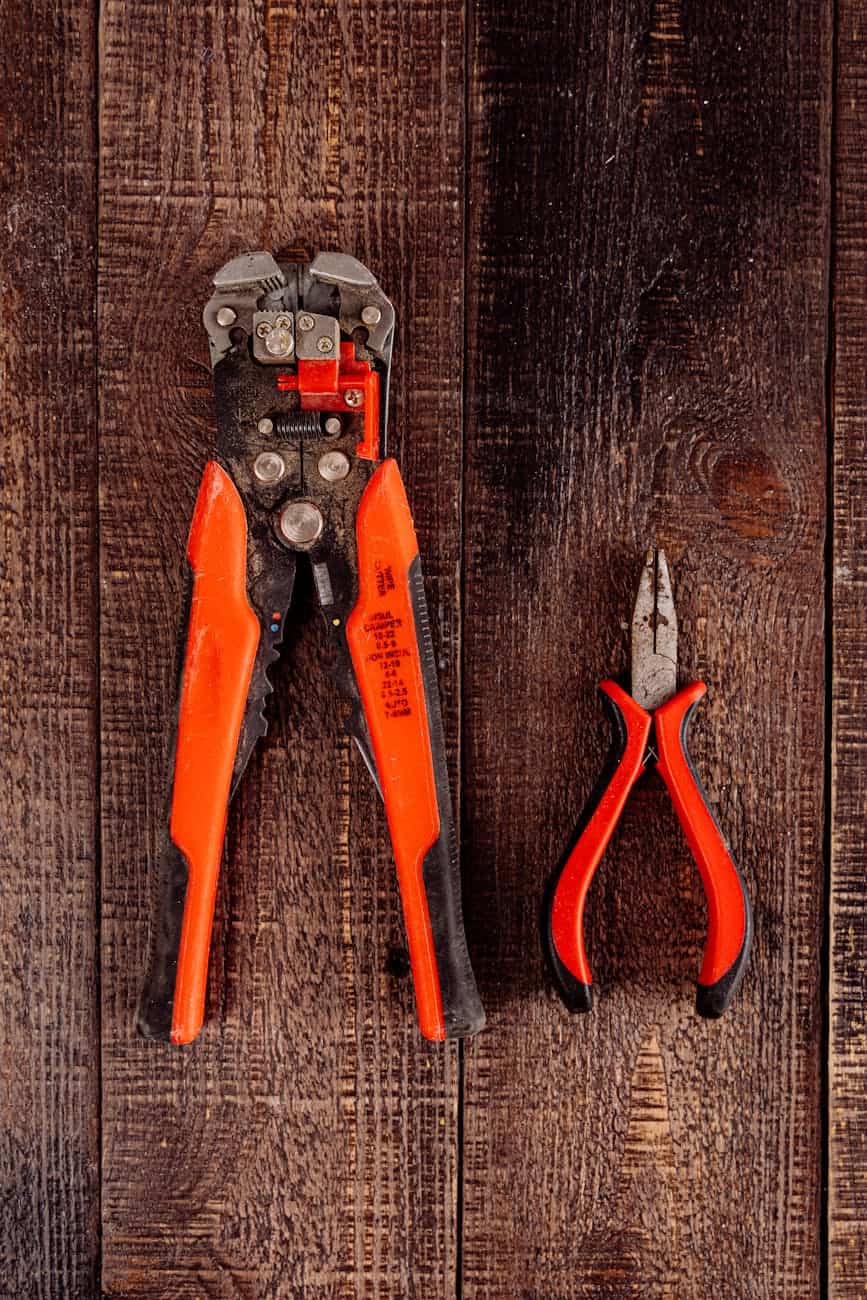
Wire strippers and cutters may look basic, but they are essential for clean electrical repairs. Poor stripping can damage copper strands, weaken the cable, and reduce current flow.
Marine cable usually uses fine-stranded tinned copper. This helps resist corrosion and improves flexibility. However, those fine strands are easy to nick with a knife or cheap stripping tool. Therefore, the right wire stripper is worth having in your marine electrical tool kit.
Best Uses
Use wire strippers and cutters for:
Preparing cable for terminals
Cutting damaged wire back to clean copper
Repairing lighting circuits
Installing switch panels
Replacing bilge pump wiring
Removing poor previous repairs
What to Look For
Choose tools with accurate size markings, sharp blades, comfortable grips, and a corrosion-resistant finish. In addition, make sure they suit the common cable sizes used onboard.
For larger battery cables, use proper cable cutters rather than small side cutters. Otherwise, you may crush the cable and create a poor connection before the terminal is even fitted.
The Knipex 97 22 240 combines cable cutting, wire stripping and terminal crimping in one tool. These crimping pliers are worth considering for owners and crew who regularly maintain their own wiring and understand how to make a sound connection.
The KNIPEX 13 76 200 ME combines cable cutting, wire stripping and gripping in one tool. These multitool pliers are worth considering for owners handling occasional wiring repairs and small equipment installations. They cover several cable-preparation jobs, although you still need a separate crimper for terminals.
A heat gun helps seal heat-shrink terminals and protect electrical repairs from moisture. Since saltwater corrosion is one of the biggest enemies of boat electrics, this tool is extremely useful.
Adhesive-lined heat shrink seals around the wire and terminal when heated. Therefore, it gives better moisture protection and strain relief than basic unsealed connectors. In addition, it helps create a neater, more professional repair.
Best Uses
Use a heat gun for:
Sealing heat-shrink ring terminals
Protecting butt connectors
Covering small wiring repairs
Finishing bilge pump wiring
Protecting deck-level connections
Adding strain relief
What to Look For
Choose a heat gun with adjustable heat settings, controlled airflow, a narrow nozzle, and reliable build quality.
Avoid using a lighter if possible. Although it may seem convenient, it can scorch insulation, damage terminals, and create an unnecessary flame risk in tight spaces.
A handy assortment for keeping common wiring terminals together in an onboard repair kit. Ring, fork, spade and butt connectors cover several connection types, with adhesive-lined heat-shrink sleeves to help keep moisture out when correctly crimped and heated.
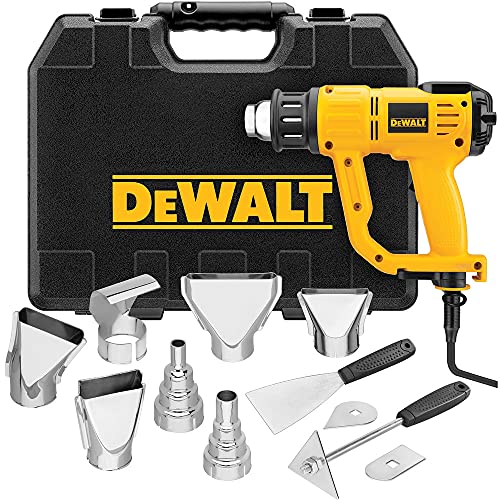
Useful for shrinking electrical sleeving and applying controlled heat during maintenance. The LCD temperature adjustment and supplied nozzles help tailor heat to the job, while the hard case keeps accessories together. This is a corded 120V model.
A DC clamp meter or battery tester helps diagnose battery, charging, and current draw problems. While a multimeter checks voltage, a clamp meter can measure current without disconnecting cables.
This is useful because many boat electrical problems begin with the battery system. A battery may show acceptable voltage at rest but still fail under load. Similarly, a charger may appear to work but not deliver enough current.
Best Uses
Use this tool for:
Checking charging output
Measuring current draw
Finding battery drain
Testing pumps and windlasses
Checking charger performance
Diagnosing repeated flat batteries
What to Look For
Choose a clamp meter that measures DC current, not just AC current. Many cheaper clamp meters only measure AC amps. Consequently, they are far less useful for boat DC systems.
Look for DC amp measurement, voltage testing, clear display, hold function, compact clamp, and a suitable current range.
For simple battery checks, a battery tester may be enough. However, for wider yacht electrical troubleshooting, a DC clamp meter is more useful.
DIY vs Professional Marine Electrical Work
Many basic DC checks are suitable for careful DIY maintenance. For example, you can test battery voltage, inspect fuses, replace a small terminal, or troubleshoot a simple light circuit.
However, some electrical work should be left to a qualified marine electrician. This includes:
AC shore power faults
Inverter installations
Battery charger problems
Lithium battery systems
Hot cables or burning smells
Major rewiring
Generator electrical faults
Anything you cannot confidently diagnose
In short, DIY work is useful for simple checks and small repairs. However, high-current systems and AC power require proper design, protection, and experience.
Common Problems These Tools Help Diagnose
Dead Equipment
If a pump, light, or instrument stops working, test the battery first. Then, check the fuse, switch, and voltage at the device. This simple process often finds the problem quickly.
Intermittent Power
Loose terminals and corroded connections often cause intermittent faults. Therefore, inspect wiring carefully and use a multimeter to check for voltage changes.
Voltage Drop
Poor connections, long cable runs, or undersized wiring can reduce voltage at the equipment. As a result, pumps, fridges, windlasses, and electronics may perform badly.
Flat Batteries
Repeated flat batteries may come from old batteries, charging faults, or parasitic loads. A battery tester or DC clamp meter helps narrow down the cause.
Corroded Terminals
Green powder, blackened copper, stiff cable ends, or swollen insulation usually point to corrosion. In that case, cut back to clean wire, fit a proper terminal, crimp it correctly, and seal it with heat shrink.
Common Mistakes to Avoid
Avoid these common boat electrical mistakes:
Using automotive connectors instead of marine-grade terminals
Guessing instead of testing
Using cheap crimpers
Damaging copper strands when stripping wire
Leaving terminals unsealed in damp areas
Ignoring warm cables or burning smells
Working on AC shore power without training
Replacing parts before checking fuses and voltage
These mistakes can cause repeat faults, poor reliability, and, in serious cases, fire risk. Therefore, always test first, use the right materials, and stop if the job feels outside your experience.
Frequently Asked Questions About Marine Electrical Tools
What are the most important marine electrical tools?
The most important marine electrical tools are a digital multimeter, ratcheting crimper, wire strippers, heat gun, and DC clamp meter or battery tester.
What tool do I need to troubleshoot boat wiring?
A digital multimeter is the best first tool. It helps test voltage, continuity, fuses, switches, and power supply at the equipment.
Can I use normal electrical tools on a boat?
Some standard tools are fine. However, marine electrical work needs marine-grade wire, terminals, heat shrink, and corrosion-resistant consumables.
Are marine crimping tools worth it?
Yes. A proper ratcheting crimper makes stronger, more consistent terminal connections. As a result, it helps prevent loose wiring, voltage drop, and corrosion.
When should I call a marine electrician?
Call a marine electrician for AC shore power, inverters, chargers, lithium batteries, hot cables, burning smells, major rewiring, or faults you cannot diagnose confidently.
Summary
A good set of marine electrical tools helps owners, captains, and crew prevent small faults from becoming expensive failures. At minimum, keep a digital multimeter, ratcheting crimper, wire strippers, heat gun, and DC clamp meter or battery tester onboard.
Most importantly, test before replacing parts, use marine-grade terminals, seal repairs properly, and know when to call a professional. With the right tools and a careful approach, your boat electrical system becomes easier to maintain and more reliable throughout the season.
Join the newsletter for practical yacht maintenance advice, new guide releases, downloadable resources, product recommendations and seasonal reminders designed to help owners, captains and crew make better maintenance decisions onboard. As TYMH grows, subscribers will also get early access to new checklists, maintenance resources, recommended products and exclusive offers or discounts from selected marine brands.
Success
Thank you for signing up to receive updates from The Yacht Maintenance Hub.
Blog / 5 Must-Have Marine Electrical Tools for Boat Maintenance & Troubleshooting
We track how people interact with our online web content and resources, and some of that tracking involves storing cookies on your device. By continuing to use our site you accept that you agree to this. For more details see our Privacy Statement.
 310
310
310
310