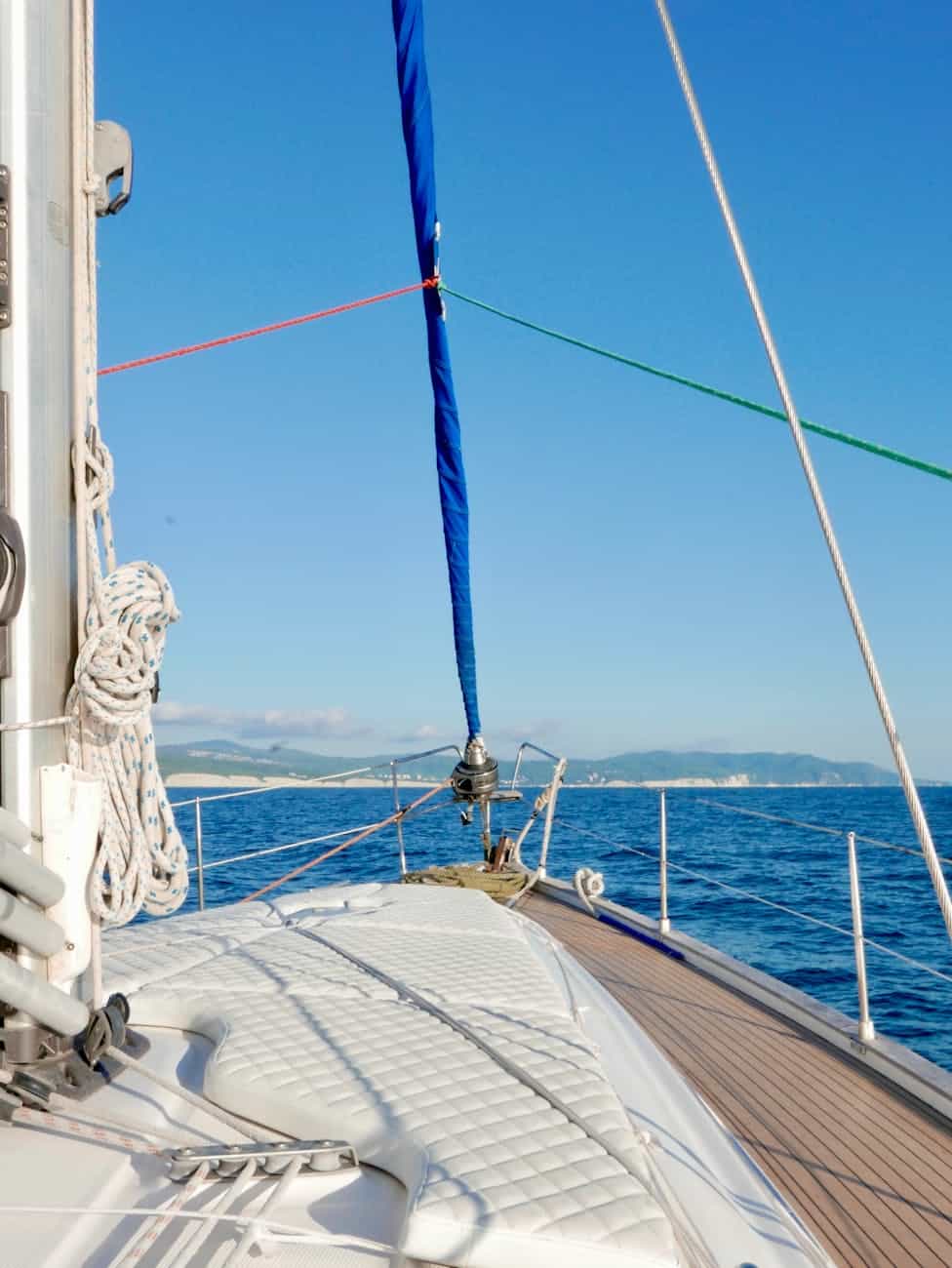
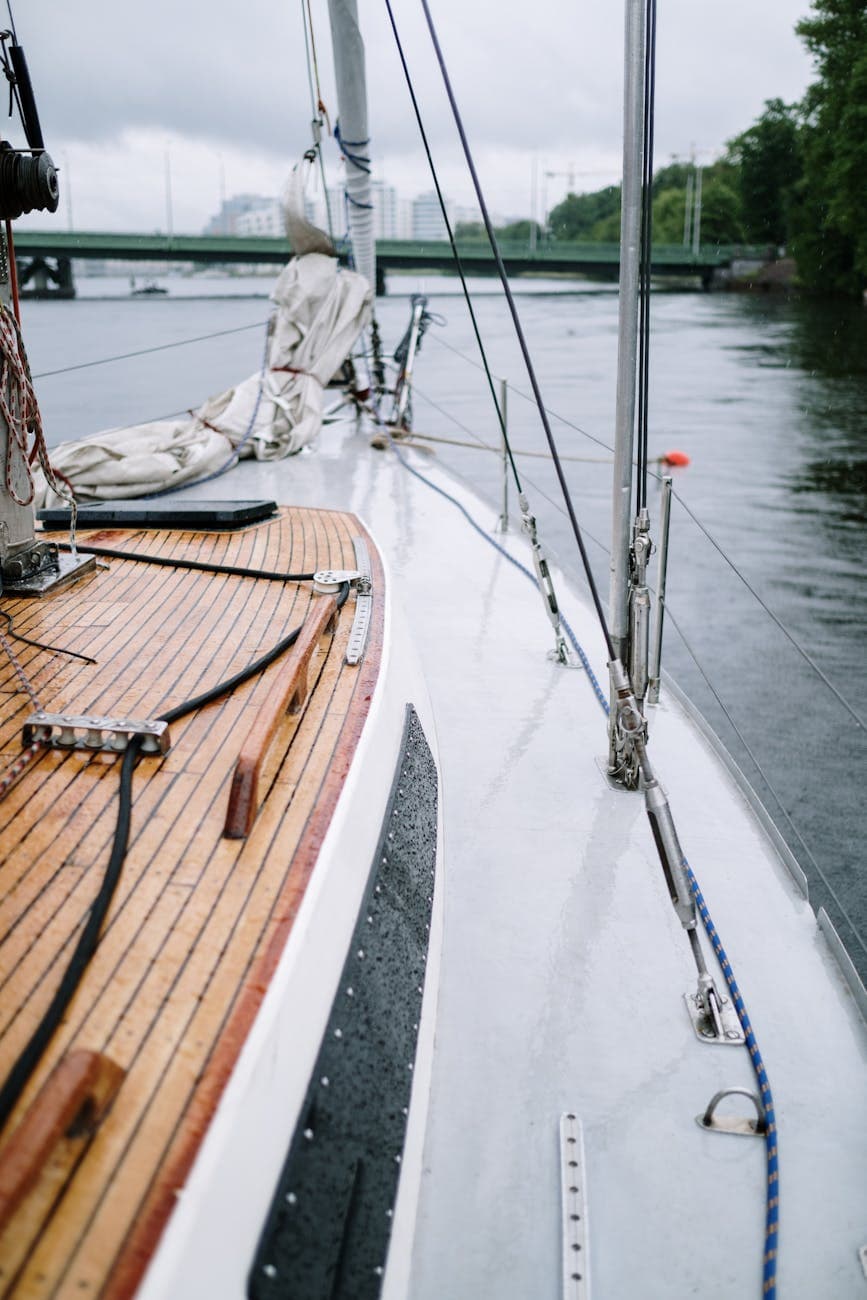
Non skid paint plays a critical role in keeping boat decks safe and usable in all conditions. On any yacht or boat, decks are constantly exposed to salt spray, rain, sunscreen oils, and heavy foot traffic. As a result, surfaces can quickly become slippery if they are not properly protected and maintained.
For this reason, most modern vessels rely on non skid paint to provide the traction needed for safe movement around the deck. Whether you are working lines, handling fenders, or simply walking forward while underway, good deck grip significantly reduces the risk of slips and falls.
However, while non skid deck paint improves safety, it also requires proper application and ongoing care. Over time, dirt can clog the texture, and constant wear can reduce grip. Therefore, understanding how to apply, clean, and maintain marine non skid paint is essential for yacht owners, crew, and DIY boaters.
In this guide, we will explain how non skid boat deck coatings work, when decks should be repainted, and how regular cleaning helps maintain traction for years to come.
This post is all about Annual Yacht Maintenance Tasks!
Quick Answer: What Is Non Skid Paint?
Non skid paint is a textured marine coating designed to provide grip on boat decks and walking surfaces. It contains grit or texture additives that create traction even when the deck is wet. When applied correctly and maintained with proper cleaning, non skid deck paint for boats helps prevent slips and improves overall deck safety.
Why Non Skid Deck Paint Matters for Boat Safety
Boat decks are constantly exposed to moisture. Saltwater spray, rain, and even morning dew can make smooth surfaces extremely slippery.
Therefore, marine non skid paint is essential for preventing accidents.
Additionally, many common substances increase the risk of slipping, including:
Sunscreen oils
Fish residue
Algae growth
Salt crystals
Cleaning residues
As these contaminants build up, deck grip gradually decreases. Consequently, non skid boat deck coating plays an important role in maintaining safe working conditions for both owners and crew.
Furthermore, marine surveyors often check deck traction during inspections. If the grip is insufficient, they may recommend recoating the non skid deck paint or restoring worn surfaces.
Types of Marine Non Skid Paint
Although the goal is always the same, several systems exist for creating non-slip deck surfaces. Therefore, choosing the right system depends on your boat, budget, and preferred finish.
Textured Paint Systems
The most common solution is marine non skid paint with texture additives already mixed into the coating.
Because the texture is pre-mixed, the application process is straightforward. As a result, this system is popular for both professional refits and DIY non skid deck paint projects.
Additionally, pre-textured coatings provide consistent grip across the entire deck.
Additive-Based Non Skid Systems
Alternatively, painters may mix texture additives into standard marine paint.
This approach allows you to adjust the texture level. However, it also requires careful mixing throughout the process. Otherwise, the grit can settle and create uneven traction.
Therefore, maintaining consistent mixing is essential when using additive systems.
Broadcast Texture Systems
Professional yards sometimes use broadcast systems. In this method, grit is sprinkled onto wet paint before applying a sealing layer.
Consequently, this technique produces extremely aggressive grip. However, because the texture can feel rough underfoot, it is more common on workboats than on pleasure yachts.
When Should You Repaint Non Skid Boat Decks?
Although non skid paint is durable, it will eventually wear down. Foot traffic, UV exposure, and constant cleaning slowly reduce the textured surface.
Therefore, it is important to inspect decks regularly.
Common signs that indicate the need for repainting non skid boat deck surfaces include:
Smooth or polished patches
Reduced traction when wet
Visible paint fading
Cracked or peeling coating
Areas where water pools easily
Typically, non skid deck paint for boats lasts between 5 and 10 years. However, boats operating in tropical climates or charter service may require recoating sooner.
Because of this, regular inspection helps owners plan maintenance before deck safety becomes a concern.
Preparing a Boat Deck for Non Skid Paint
Proper preparation is the most important step when applying non skid paint. Even the best marine coatings will fail if the surface is not prepared correctly.
Therefore, careful preparation should always come first.
Step 1: Deep Cleaning
First, thoroughly clean the deck surface.
Proper cleaning non skid deck surfaces removes salt crystals, wax residue, sunscreen oils, and dirt. If these contaminants remain, the new coating may not adhere properly.
Use a stiff brush along with the best cleaner for non skid boat decks to scrub the surface thoroughly.
Additionally, pay close attention to corners and textured grooves where dirt often accumulates.
Step 2: Remove Stubborn Stains
Next, focus on removing stains from non skid deck areas.
Common stains include:
Rust marks
Fuel spills
Bird droppings
Mold or mildew
In many cases, a dedicated marine cleaner or solution will remove these stains effectively.
However, always rinse the deck thoroughly afterward.
Step 3: Sand the Surface
Once the deck is clean, lightly sand the surface. This step creates a mechanical bond for the new coating.
Use medium-grit sandpaper to scuff the existing surface evenly. The goal is not to remove all paint but rather to create a slightly rough base.
After sanding, vacuum the dust and wipe the surface clean.
Step 4: Mask Deck Hardware
Finally, mask all surrounding fittings before painting.
For example, tape around:
Deck hatches
Cleats
Toe rails
Deck hardware
Although this step takes time, it ensures clean lines between textured and smooth surfaces.
How to Apply Non Skid Deck Paint
Once preparation is complete, you can apply the non skid deck paint.
Fortunately, the process is manageable for many DIY boat owners.
Choose Suitable Weather Conditions
Before painting, check the weather forecast.
Ideally, apply anti slip boat deck paint when:
Temperatures range between 60–85°F
Humidity levels remain moderate
Rain is not expected within 24 hours
Calm weather also prevents debris from landing in fresh paint.
Apply the Base Coat
Next, apply a thin base coat of boat non skid deck paint using a roller.
Work slowly and use even strokes to maintain consistent texture. Furthermore, avoid excessive rolling because this can flatten the grip particles.
Apply the Texture Layer
If your system requires additives, mix them thoroughly before application.
Then apply the coating evenly across the deck. Throughout the process, continue mixing to prevent the grit from settling.
This step ensures consistent grip across the entire surface.
Allow Proper Curing Time
Finally, allow the coating to cure completely.
Most non skid boat deck coating systems require 24 to 72 hours before heavy foot traffic is safe.
Additionally, avoid washing the deck for at least one week. Proper curing significantly improves durability.
How to Clean Non Skid Boat Decks
Even the best non skid paint will lose grip if dirt fills the textured surface.
Therefore, routine cleaning is essential.
Routine Deck Cleaning
In most cases, weekly cleaning keeps decks in good condition.
Start by rinsing the surface with fresh water. Then scrub lightly using marine soap and a deck brush.
Importantly, scrub across the grain of the texture. This technique lifts dirt from the grooves more effectively.
Deep Cleaning Non Skid Deck Surfaces
Occasionally, deeper cleaning becomes necessary.
For example, stubborn grime may require:
Non-skid deck cleaner
Oxalic acid for rust removal
Degreaser for oil or fuel stains
However, always rinse thoroughly after cleaning.
Otherwise, chemical residues may attract more dirt.
Preventing Slippery Decks
Routine care also helps prevent slippery conditions.
Simple habits make a big difference. For instance:
Rinse salt after every trip
Remove sunscreen spills quickly
Avoid waxing textured areas
Clean algae growth early
Because of these habits, maintaining non skid boat decks becomes much easier.
Maintaining Non Skid Boat Decks for Long-Term Durability
Preventative maintenance is the key to long-lasting marine non skid paint.
Experienced captains and crew typically inspect decks regularly. As a result, they can spot problems early.
For example, look for worn patches in high-traffic areas such as cockpit entries and side decks.
If small areas lose grip, spot repairs using boat deck traction coating may restore traction quickly.
Consequently, early maintenance often prevents the need for full deck repainting.
Restoring Worn Non Skid Boat Deck Surfaces
Older vessels sometimes develop smooth areas where the texture has worn away.
In these situations, restoring worn non skid boat deck sections improves safety.
Small repairs usually involve:
Sanding the worn area
Cleaning the surface thoroughly
Applying fresh non skid deck paint
This process restores grip without repainting the entire deck.
However, if wear is widespread, full recoating non skid deck paint may be the best long-term solution.
Common Mistakes When Applying Non Skid Paint
Even experienced boat owners occasionally make mistakes when applying deck coatings.
Skipping Proper Cleaning
Paint applied over salt or oil rarely bonds correctly. Therefore, thorough cleaning must always come first.
Applying Paint Too Thick
Although thicker paint might seem stronger, it can actually bury the texture. Consequently, grip may decrease.
Thin, even coats always produce better results.
Ignoring Regular Deck Cleaning
Even freshly painted decks can become slippery if dirt builds up.
Therefore, consistent cleaning non skid deck surfaces is essential.
Waxing Non Skid Surfaces
Wax creates a smooth finish that cancels the grip effect. For this reason, never apply wax to anti slip boat deck paint areas.
Professional Tips for Better Non Skid Deck Results
Marine refit yards follow several practices that improve deck coating performance.
First, they always remove contaminants before painting. Even invisible oils can affect adhesion.
Second, they maintain consistent rolling technique during application. This approach ensures uniform texture.
Finally, they inspect high-traffic areas annually. Consequently, small repairs can be made before serious wear develops.
By following these practices, yacht owners can greatly extend the life of their non skid boat deck coating.
FAQs: Non Skid Paint
How long does non skid paint last on boats?
Most non skid deck paint for boats lasts between 5 and 10 years depending on sun exposure, foot traffic, and maintenance.
What is the best cleaner for non skid boat decks?
The best cleaner for non skid boat decks is a dedicated marine deck cleaner combined with a stiff brush to remove dirt trapped in the texture.
Can I apply non skid paint myself?
Yes. Many boat owners successfully complete DIY non skid deck paint projects. Proper surface preparation and suitable weather conditions are the most important factors.
Why does my non skid deck feel slippery?
Slippery decks usually result from dirt, oils, algae, or worn texture. Regular cleaning or recoating non skid deck paint typically restores grip.
How much does it cost to repaint non skid boat decks?
DIY repainting often costs a few hundred dollars in materials. However, professional yard repainting can cost several thousand dollars depending on deck size.
Summary
Non skid paint is essential for maintaining safe deck traction on boats and yachts. However, the coating only performs well when it is applied correctly and maintained regularly.
Proper preparation, careful application, and routine cleaning all play important roles in maintaining deck safety. In addition, regular inspections help identify worn areas before they become hazardous.
By understanding how non skid deck paint for boats works and following good maintenance practices, yacht owners can extend the life of their deck coating while ensuring safe movement around the vessel.
Join the newsletter for practical yacht maintenance advice, new guide releases, downloadable resources, product recommendations and seasonal reminders designed to help owners, captains and crew make better maintenance decisions onboard. As TYMH grows, subscribers will also get early access to new checklists, maintenance resources, recommended products and exclusive offers or discounts from selected marine brands.
Success
Thank you for signing up to receive updates from The Yacht Maintenance Hub.
Blog / Non Skid Paint: Application, Cleaning & Maintenance Guide
We track how people interact with our online web content and resources, and some of that tracking involves storing cookies on your device. By continuing to use our site you accept that you agree to this. For more details see our Privacy Statement.

 310
310
310
310