https://theyachtmaintenancehub.com/blog/essential-tools-for-boat-maintenance/
The Yacht Maintenance Hub, The resource for Yacht Maintenance & Repairs 1200627
11 Essential Tools for Boat Maintenance (2026 Guide)
Boat maintenance becomes much easier when you have the right tools onboard. In fact, many expensive repairs start as small problems that could have been caught early with a simple inspection, cleaning tool, or basic repair kit.
That is why having the essential tools for boat maintenance matters. Whether you own a small boat, manage a yacht, or work as crew, the right equipment helps you tighten, clean, test, seal, polish, and troubleshoot before problems get worse.
In this guide, we’ll cover 11 must-have boat maintenance tools, the jobs each one helps with, what to look for when buying, and when DIY maintenance is enough versus when to call a marine professional.
Some links on this page are affiliate links. This means The Yacht Maintenance Hub may earn a commission if you click through and make a purchase, at no extra cost to you. We only recommend products, tools and marine suppliers that we believe are useful for yacht owners, captains, crew and marine professionals.
This post is all about Essential Tools for Boat Maintenance!
Quick Answer: What are the essential tools for boat maintenance?
The essential tools for boat maintenance include a basic hand tool kit, socket and spanner set, cordless drill, multimeter, electrical crimpers, bilge pump, sealant gun, hull cleaning kit, pressure washer, orbital polisher, and wet/dry vacuum. Together, these tools help with cleaning, inspections, leak prevention, electrical testing, minor repairs, and preventative maintenance.
Why the Right Boat Maintenance Tools Matter
Boats operate in a harsh environment. Saltwater, vibration, UV exposure, moisture, and constant movement all create wear over time. As a result, loose fittings, dirty hulls, weak electrical connections, and failing sealant can quickly lead to larger problems.
A good boat maintenance tools checklist helps you stay ahead of those issues. Instead of reacting to breakdowns, you can inspect, clean, tighten, test, and protect key areas before damage spreads.
Although some jobs should always be handled by qualified marine professionals, many routine tasks are suitable for careful DIY owners. Therefore, a practical marine maintenance tools kit can save time, reduce costs, and improve safety onboard.
11 Essential Tools for Boat Maintenance
1. Basic Hand Tool Kit
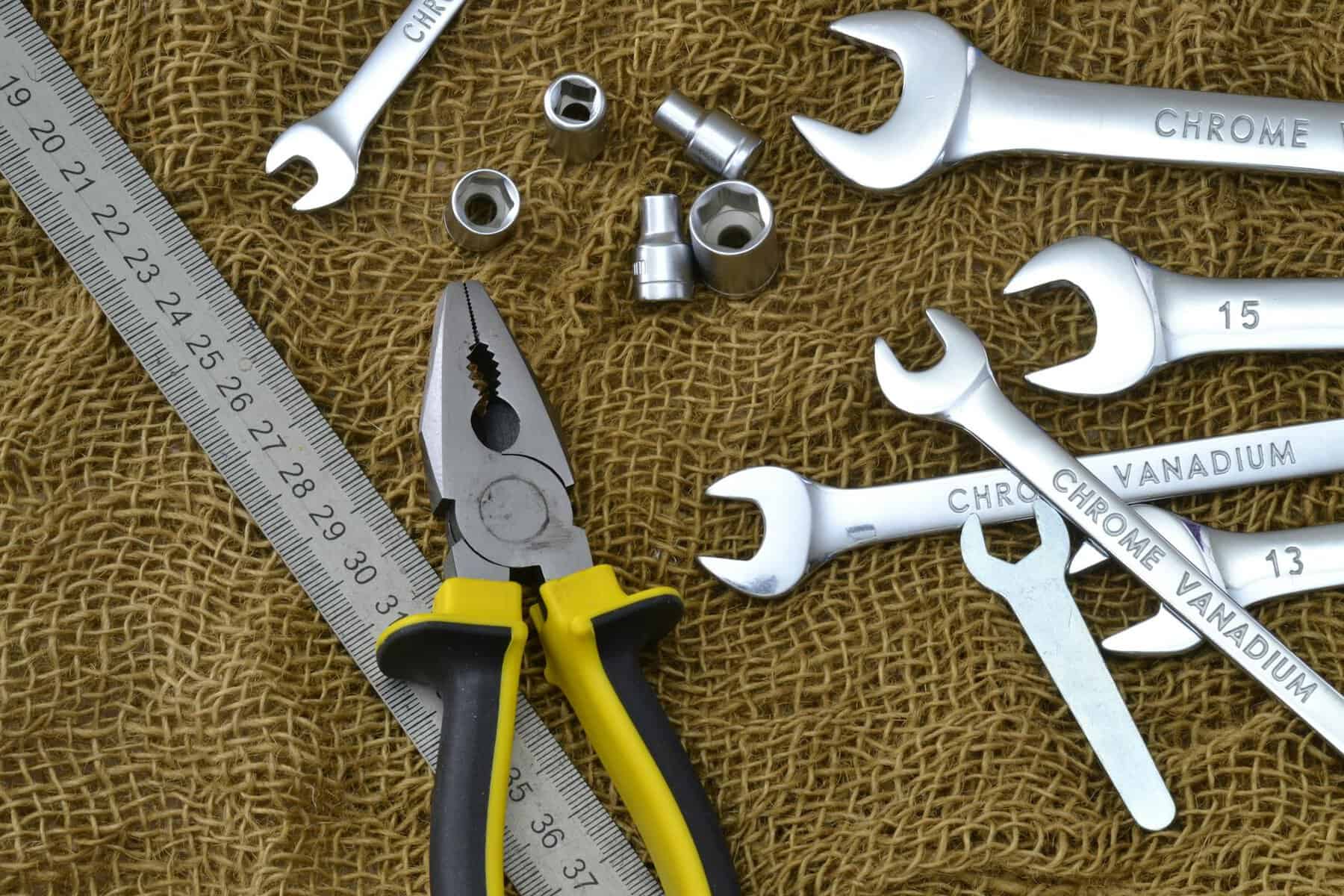
A basic hand tool kit is the foundation of any boat maintenance tool kit for beginners. Before buying specialist equipment, every owner should have reliable tools for everyday adjustments.
Jobs it helps with:
Tightening loose fittings
Adjusting hose clamps
Opening access panels
Replacing small hardware
Making emergency fixes
Adjusting hinges, catches, and latches
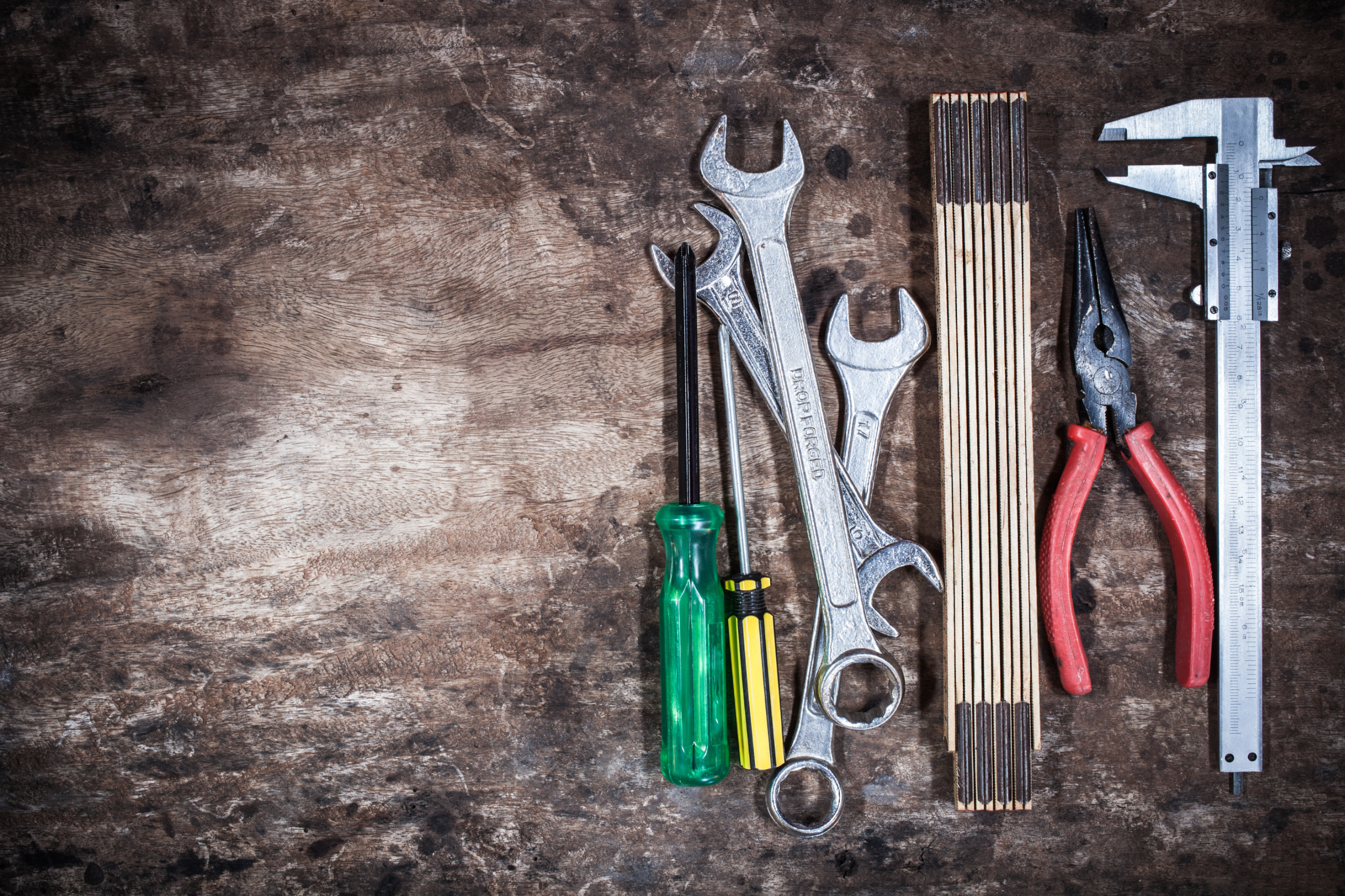
A good starter kit should include screwdrivers, pliers, long-nose pliers, an adjustable wrench, Allen keys, a utility knife, tape measure, and a headlamp.
Because boats are damp and salty, avoid cheap household tools where possible. Instead, choose corrosion-resistant tools and store them in a sealed case.
2. Marine Socket and Spanner Set
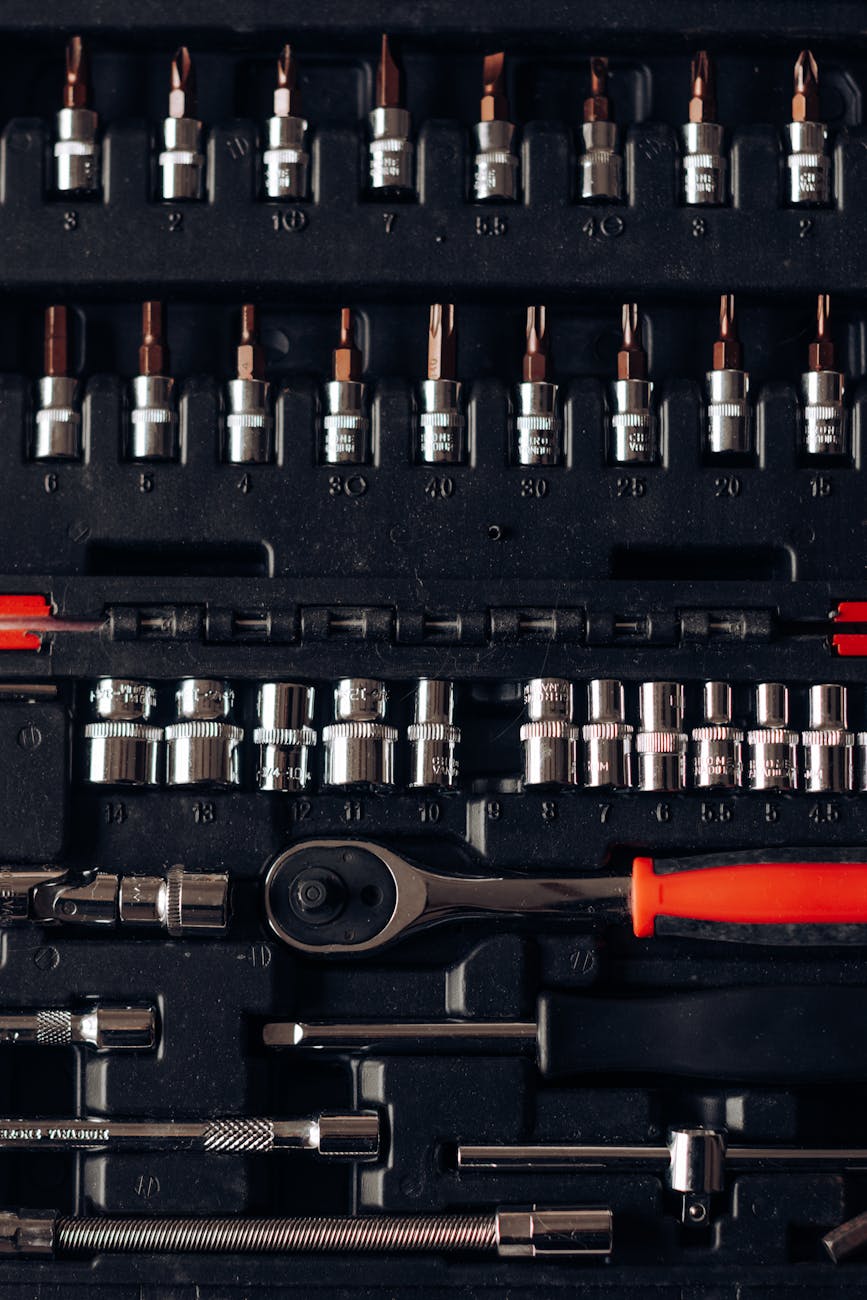
A socket and spanner set is one of the most useful boat repair tools for owners. Boats use bolts, nuts, brackets, clamps, and fittings throughout the vessel, so you will use this kit often.
Jobs it helps with:
Engine inspections
Battery terminal tightening
Hose clamp adjustments
Steering system checks
Securing deck hardware
Removing brackets and panels
Choose a set with metric and imperial sizes if needed, ratchet handles, deep sockets, combination spanners, and a durable storage case. In addition, check your boat’s common fastener sizes before buying so your kit matches the vessel.
A cordless drill is one of the best tools for boat maintenance because it saves time on repairs, installations, and cleaning attachments.
Jobs it helps with:
Installing brackets
Removing screws
Drilling pilot holes
Fitting accessories
Using brush attachments
Light polishing work
Look for good battery life, variable speed control, a spare battery, quality drill bits, and a comfortable grip. However, always check behind the surface before drilling. Otherwise, you may damage wiring, plumbing, or fiberglass.
For many DIY boaters, a cordless drill quickly becomes one of the most-used tools onboard.
4. Multimeter
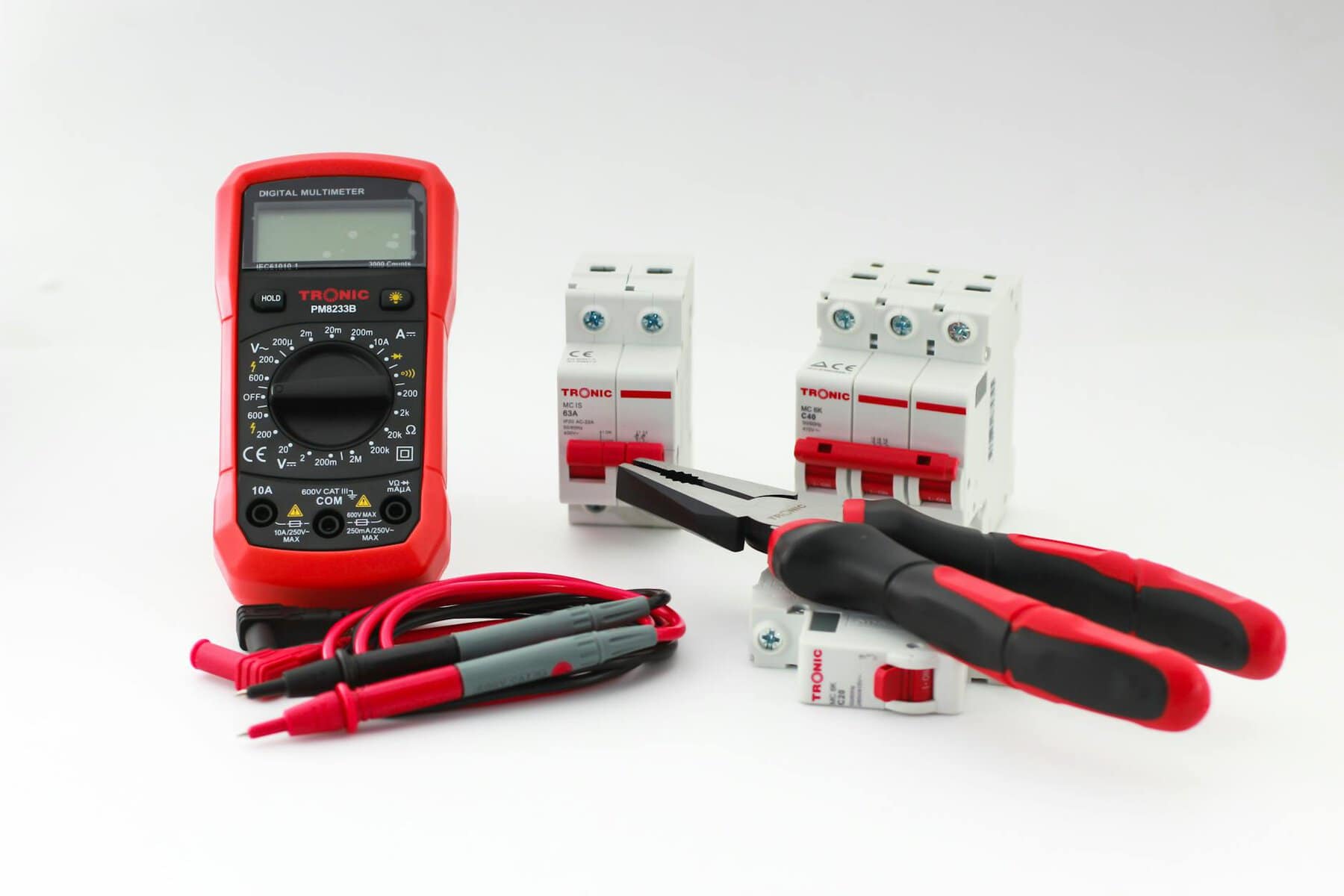
A multimeter is essential for electrical troubleshooting. It measures voltage, resistance, and continuity, which helps you diagnose problems instead of guessing.
Jobs it helps with:
Testing battery voltage
Checking charging systems
Diagnosing switch faults
Finding broken circuits
Troubleshooting navigation lights
Electrical faults are common on boats because moisture, vibration, and corrosion affect wiring and connections. Therefore, a multimeter is one of the most important boat engine maintenance tools and electrical inspection tools.
Basic voltage checks are DIY-friendly. However, AC shore power faults, inverter problems, and major rewiring should be handled by a qualified marine electrician.
5. Electrical Crimping Tool and Marine Connectors
A proper crimping tool helps create secure electrical connections. This matters because poor wiring repairs often fail quickly in marine conditions.
Jobs it helps with:
Replacing corroded terminals
Repairing broken wires
Installing bilge pumps
Fitting navigation lights
Connecting switches
Installing small electronics
Use crimpers with heat-shrink terminals, marine-grade wire, wire strippers, a heat gun, dielectric grease, and cable ties.
In addition, avoid cheap automotive terminals. Marine connectors are designed to resist moisture and corrosion better, making them a smarter long-term choice.
6. Manual or Backup Bilge Pump
A bilge pump removes water from inside the boat. Although many boats have electric bilge pumps, a manual or backup option is still important.
Jobs it helps with:
Emergency water removal
Routine bilge cleaning
Leak management
Removing trapped water
Clearing small flooded areas
A bilge pump should sit high on any boat maintenance equipment list because water ingress can become dangerous quickly. Therefore, test your bilge pumps regularly and keep a manual option onboard if possible.
Check the float switch, wiring, hose, and outlet monthly. If the pump runs but does not move water, inspect the hose for blockages or kinks.
7. Marine Sealant Gun and Sealants
A sealant gun allows you to apply marine sealant cleanly around fittings, hatches, hardware, and deck penetrations.
Jobs it helps with:
Re-bedding deck fittings
Sealing hatches
Fixing minor leaks
Installing hardware
Sealing screw holes
Preventing water ingress
Water intrusion is one of the most expensive problems on boats. Over time, it can damage cores, interiors, wiring, insulation, and woodwork. As a result, sealants are key preventative boat maintenance tools.
However, use the correct sealant for the job. Some products are better above the waterline, while others suit underwater applications. Also, some sealants bond very strongly and make future removal difficult.
8. Boat Hull Cleaning Kit
A hull cleaning kit usually includes brushes, pads, scrapers, and marine-safe cleaners. It helps remove slime, algae, stains, and light growth before they become difficult to manage.
Jobs it helps with:
Removing algae
Cleaning waterline stains
Removing slime
Cleaning fiberglass hulls
Preparing the hull before polishing
Reducing drag
A dirty hull can reduce performance and increase fuel use. Therefore, a hull cleaning kit is essential for regular boat cleaning and maintenance.
A pressure washer can speed up cleaning, especially on decks, non-slip surfaces, tenders, lockers, and dock boxes.
Jobs it helps with:
Removing salt deposits
Washing non-slip surfaces
Cleaning lockers
Preparing surfaces before polishing
Hull cleaning on haul outs
Washing equipment on the dock
Although pressure washers are useful, they must be used carefully. Too much pressure can damage gelcoat, paint, sealant, decals, and fittings.
Use a wider spray pattern, keep the nozzle moving, and avoid blasting directly onto surfaces.
10. Orbital Polisher or Sander
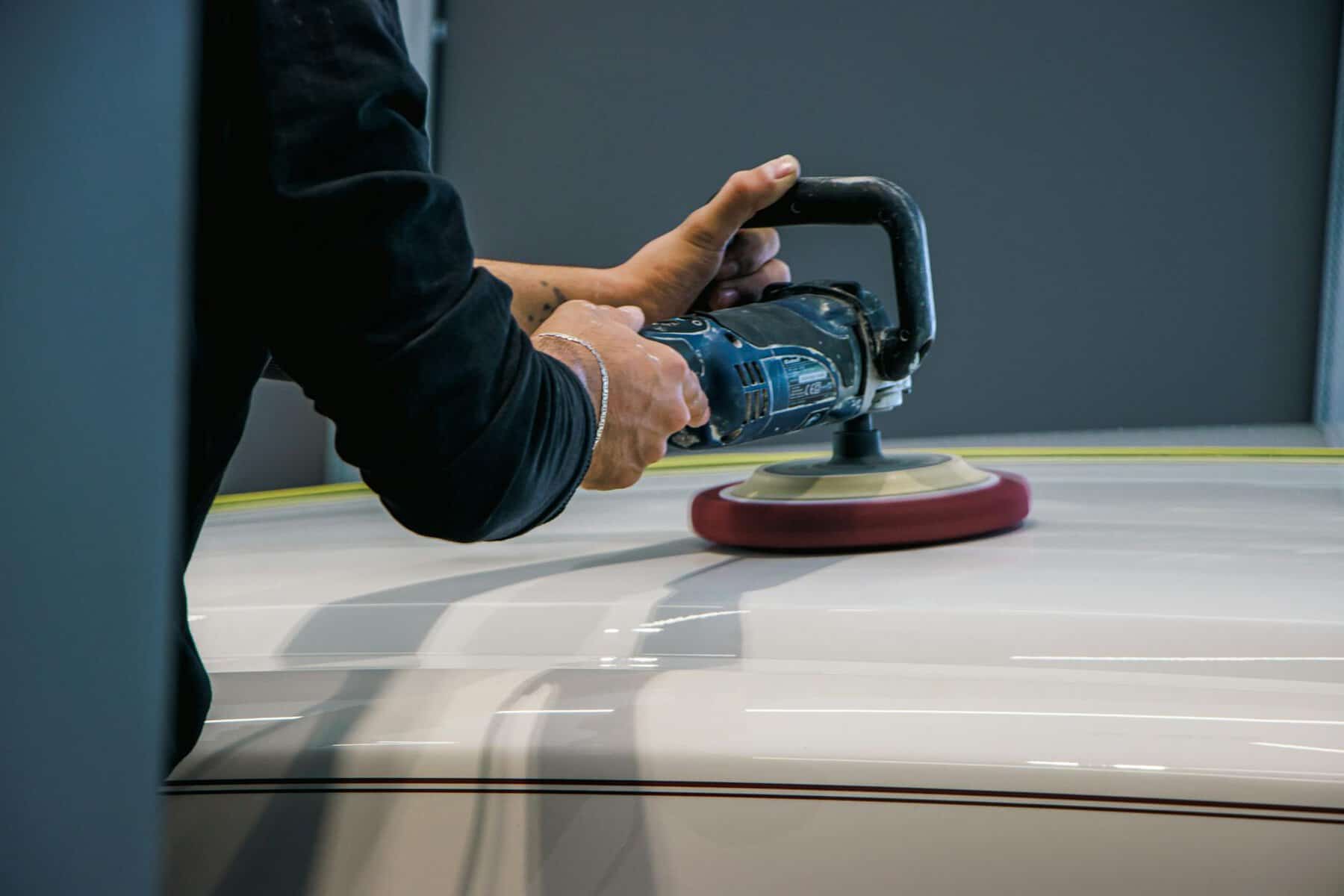
An orbital polisher helps restore and protect gelcoat. It can also assist with light sanding, polishing, and finishing work when used correctly.
Jobs it helps with:
Removing light oxidation
Polishing gelcoat
Applying wax
Restoring shine
Preparing fiberglass repairs
Maintaining topsides
UV exposure, salt, and oxidation can make gelcoat look dull and chalky. Therefore, polishing tools help protect the boat’s appearance and value.
However, use the correct pad, speed, and compound. If your boat is heavily oxidised, read our guide to Gelcoat Oxidation Removal before starting.
11. Wet/Dry Vacuum
A wet/dry vacuum handles both liquid and dry debris, making it extremely useful for bilges, lockers, interiors, and maintenance cleanup.
Jobs it helps with:
Cleaning bilges
Removing water from lockers
Drying small flooded areas
Cleaning dust after sanding
Removing debris from engine spaces
Cleaning cabins
Moisture and dirt can cause odours, mould, corrosion, and hidden damage. As a result, a wet/dry vacuum is one of the most practical and affordable boat maintenance tools for regular upkeep.
Boat Maintenance Tools Comparison Table
Tool
Main Use
Jobs It Helps With
Priority
Hand Tool Kit
General maintenance
Tightening, adjusting, emergency fixes
Essential
Socket Set
Mechanical work
Engine checks, clamps, fittings
High
Cordless Drill
Repairs and installs
Drilling, fastening, attachments
High
Multimeter
Electrical testing
Batteries, fuses, circuits
High
Crimpers
Wiring repairs
Terminals, switches, electronics
High
Bilge Pump
Water removal
Leaks, bilge cleaning, emergencies
Critical
Sealant Gun
Leak prevention
Hatches, fittings, hardware
High
Hull Cleaning Kit
Hull care
Algae, slime, stains
High
Pressure Washer
Cleaning
Decks, grime, salt buildup
Medium
Orbital Polisher
Surface care
Oxidation, polish, wax
Medium
Wet/Dry Vacuum
Cleanup
Bilges, lockers, interiors
Medium
Beginner Boat Maintenance Tool Kit Checklist
If you are building your first kit, start with the tools you will use most often. Then, add specialist equipment as your confidence grows.
Starter kit:
Basic hand tools
Socket and spanner set
Headlamp
Sealant gun
Manual bilge pump
Hull brush
Wet/dry vacuum
Next-level kit:
Cordless drill
Multimeter
Electrical crimpers
Pressure washer
Orbital polisher
Marine connectors
Spare hose clamps
This approach keeps your kit practical and avoids buying tools you rarely use.
Practical Advice for Owners and Crew
Choose tools based on the jobs you actually do. For example, a small day boat owner may need cleaning tools, hand tools, and a bilge pump first. Meanwhile, yacht crew may also need electrical tools, polishing equipment, and a larger socket set.
Where possible, buy marine-grade products for anything exposed to salt, moisture, or safety-critical systems. This is especially important for sealants, electrical connectors, corrosion protection, and bilge equipment.
In addition, store tools properly. Use a sealed toolbox, labelled cases, or dedicated storage bags. Then, inspect your tools regularly for rust, flat batteries, cracked handles, and damaged cords.
DIY maintenance works well for cleaning, inspections, minor tightening, basic electrical checks, and simple sealing jobs. However, call a qualified marine professional for major engine repairs, structural fiberglass damage, fuel system faults, serious water ingress, steering failures, and complex electrical work.
Common Mistakes to Avoid
The first mistake is buying cheap tools that rust quickly. They may seem good value, but they often fail in marine environments.
Another common mistake is forgetting electrical tools. Without a multimeter and crimpers, many owners struggle to diagnose basic electrical faults.
Also, avoid using the wrong sealant. Not every product suits every job, so always check whether it is suitable above or below the waterline.
Finally, do not overuse a pressure washer. It can save time, but too much pressure can damage surfaces, seals, teak, paint, and decals.
FAQs: Essential tools for boat maintenance
What are the essential tools for boat maintenance?
The essential tools for boat maintenance include hand tools, a socket set, cordless drill, multimeter, electrical crimpers, bilge pump, sealant gun, hull cleaning kit, pressure washer, orbital polisher, and wet/dry vacuum.
What tools should a beginner boat owner buy first?
A beginner should start with hand tools, a socket set, sealant gun, manual bilge pump, hull brush, headlamp, and wet/dry vacuum. After that, add electrical and polishing tools.
How much does a boat maintenance tool kit cost?
A basic kit may cost around €150–€400. However, a more complete setup with power tools, electrical tools, and polishing equipment can cost €600–€1,500 or more.
Can I do boat maintenance myself?
Yes, many cleaning, inspection, sealing, and minor repair jobs are DIY-friendly. However, structural repairs, fuel issues, engine faults, and complex electrical work need professional support.
Are marine tools different from regular tools?
Marine tools are usually more resistant to moisture and corrosion. Therefore, they are better suited to saltwater environments and onboard storage.
Summary
Having the essential tools for boat maintenance helps you protect your boat, prevent breakdowns, and complete routine jobs with confidence. More importantly, it allows you to catch small issues before they become expensive repairs.
Start with the basic tools, then build your kit around the maintenance jobs you actually perform. Finally, use your tools regularly, follow a clear checklist, and call a marine professional when safety, structure, fuel, or major electrical systems are involved.
Join the newsletter for practical yacht maintenance advice, new guide releases, downloadable resources, product recommendations and seasonal reminders designed to help owners, captains and crew make better maintenance decisions onboard. As TYMH grows, subscribers will also get early access to new checklists, maintenance resources, recommended products and exclusive offers or discounts from selected marine brands.
Success
Thank you for signing up to receive updates from The Yacht Maintenance Hub.
Blog / 11 Essential Tools for Boat Maintenance (2026 Guide)
We track how people interact with our online web content and resources, and some of that tracking involves storing cookies on your device. By continuing to use our site you accept that you agree to this. For more details see our Privacy Statement.
 310
310
310
310