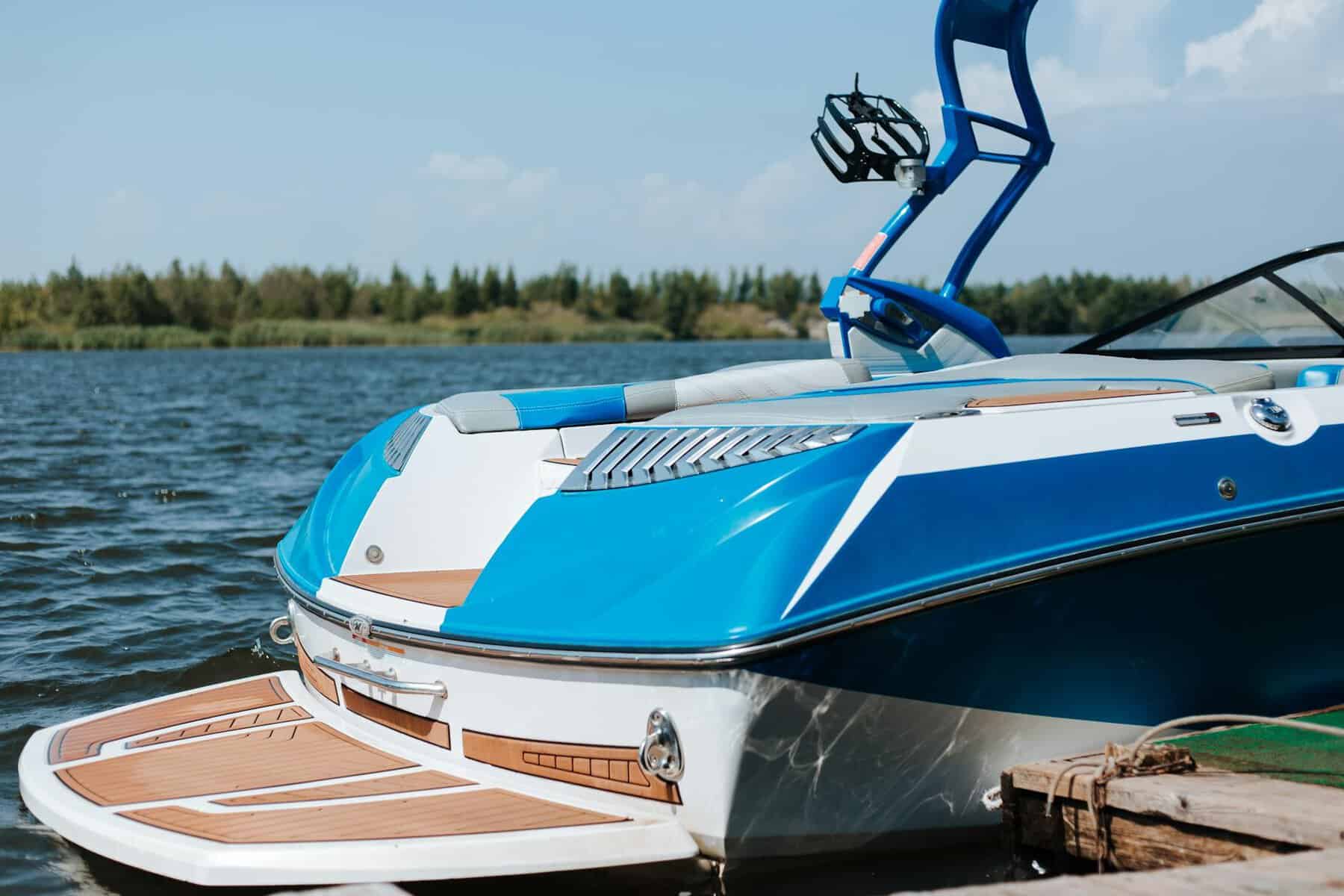
A well-stocked boat cleaning kit is one of the simplest ways to protect your boat from salt, UV damage, mildew, stains, and long-term surface wear.
Good boat cleaning is not just about appearance. It helps protect gelcoat, stainless steel, decks, vinyl, glass, canvas, and fittings from damage that can become expensive if ignored.
This 2026 checklist explains what should be in a boat cleaning kit, which boat cleaning supplies are essential, what products are worth upgrading, and how owners, captains, crew, and DIY boaters can build a practical marine cleaning kit.
This post is all about Boat Cleaning Kits!
Quick Answer: What should be in a boat cleaning kit?
A complete boat cleaning kit should include marine soap, soft brushes, microfiber cloths, buckets, a hose nozzle, deck cleaner, salt remover, glass cleaner, stainless steel cleaner, vinyl cleaner, protective wax or sealant, gloves, and detailing brushes. The best boat cleaning kit should match your boat’s materials, including fiberglass, gelcoat, teak, vinyl, canvas, stainless steel, and non-skid decks.
What Is a Boat Cleaning Kit?
A boat cleaning kit is a collection of tools, products, and supplies used to clean, maintain, and protect a boat’s surfaces.
At a basic level, a boat wash kit may only include soap, a brush, and a bucket. However, a more complete marine cleaning kit includes surface-specific products for decks, hulls, stainless steel, vinyl, glass, canvas, teak, and gelcoat.
The aim is not only to remove visible dirt. Instead, a good kit helps prevent corrosion, staining, oxidation, mildew, and unnecessary wear.
For yacht owners and crew, a proper yacht cleaning kit also improves efficiency. As a result, regular cleaning becomes quicker, safer, and more consistent.
Why Boat Cleaning Matters
Boats are constantly exposed to saltwater, sun, wind, rain, bird droppings, sunscreen, fuel residue, fish blood, grime, and mildew. Over time, these contaminants can cause stains, corrosion, dull gelcoat, slippery decks, and damaged upholstery.
Regular boat cleaning helps:
Remove salt before it attacks metal fittings
Protect gelcoat from oxidation
Keep non-skid decks safer underfoot
Prevent mildew on vinyl and canvas
Reduce staining on fiberglass
Maintain resale value
Make future cleaning easier
Unfortunately, many cleaning problems come from using the wrong products. For example, household cleaners, dirty sponges, stiff brushes, and abrasive pads can scratch gelcoat, cloud clear plastic, strip wax, or damage vinyl.
Therefore, the right boat cleaning kit is not just convenient. It is also an important part of preventative yacht maintenance.
Complete Boat Cleaning Kit Checklist
Use this boat cleaning checklist as a practical starting point.
Item
Purpose
Essential?
Marine soap
General washing
Yes
Soft wash brush
Gelcoat, topsides, smooth surfaces
Yes
Stiff deck brush
Non-skid decks
Yes
Microfiber cloths
Drying, polishing, wiping
Yes
Chamois
Drying Surfaces
Yes
Wash mitt
Gentle cleaning
Yes
Two buckets
Washing and Teak
Yes
Hose nozzle
Controlled rinsing
Yes
Salt remover
Removes salt deposits
Yes for saltwater boats
Deck cleaner
Cleans non-skid surfaces
Yes
Glass cleaner
Windows and mirrors
Yes
Clear plastic cleaner
Vinyl windows and enclosures
If fitted
Stainless steel cleaner
Rails, cleats, fittings
Yes
Vinyl cleaner
Seats and upholstery
Yes
Gelcoat cleaner or polish
Restores dull surfaces
Useful
Marine wax or sealant
Protects gelcoat
Yes
Teak cleaner
Natural teak decks or trim
If applicable
Canvas cleaner
Covers, biminis, sprayhoods
If applicable
Gloves
Skin protection
Yes
Detail brushes
Fittings, seams, corners
Useful
Essential Boat Cleaning Supplies
Marine Boat Soap
Marine soap should be the first product in any boat cleaning kit. It removes salt, light grime, and general dirt without stripping wax or damaging marine surfaces.
By contrast, household washing-up liquid is not ideal for regular boat cleaning. It can remove protective wax and, as a result, leave surfaces less protected over time.
When choosing a marine soap, look for one that is safe for fiberglass and gelcoat, wax-friendly, easy to rinse, concentrated, and biodegradable where possible.
Overall, a good marine soap should clean effectively while still being gentle enough for regular use.
Soft Wash Brush
A soft brush helps clean large areas without scratching polished surfaces. Therefore, it is useful for topsides, decks, cockpit areas, and smooth gelcoat.
For larger boats, choose a telescopic handle. In addition, keep separate brushes for decks, hulls, and delicate surfaces to reduce the risk of cross-contamination.
Stiff Deck Brush
A stiff brush belongs in a boat deck cleaning kit, but it should only be used on non-skid surfaces. Otherwise, it may scratch or dull more delicate materials.
Do not use a stiff brush on polished gelcoat, painted surfaces, stainless steel, clear plastic, or vinyl. Instead, use softer tools for those areas.
Microfiber Cloths
Microfiber cloths are essential for drying, polishing, glass cleaning, stainless steel care, and detailing.
For best results, keep separate cloths for glass, gelcoat, stainless steel, interiors, wax, polish, and dirty jobs. Also, never use a cloth that has been dropped on the deck without washing it first.
Salt and grit can easily scratch delicate surfaces. Therefore, clean cloth storage is just as important as choosing the right cloths.
Chamois
Chamois are one of the most important items in a boat cleaning kit. They are used almost daily onboard yachts. During, routine wipe downs, rinses and washdowns.
Keep chamois in there containers when not in use. Always rinse thoroughly after use. Lastly be carful where you use your chamois, they will absorb grease and dirt quickly.
Best Boat Cleaning Products by Surface
Fiberglass and Gelcoat
A fiberglass boat cleaning kit should include marine soap, gelcoat cleaner, polish, wax or sealant, microfiber applicators, and soft cloths.
Gelcoat can become dull when exposed to UV and salt. Therefore, regular cleaning removes dirt, while polish and protection help restore shine and reduce future staining.
Non-Skid Decks
Non-skid decks trap dirt, sunscreen, salt, and grime. As a result, they usually need a dedicated deck cleaner and a suitable brush.
After cleaning, rinse thoroughly to remove residue. Also, avoid using normal wax on walking surfaces unless it is specifically designed for non-skid decks, as the wrong product can make decks slippery.
Stainless Steel
Stainless steel still needs regular care in a marine environment. Although it is corrosion-resistant, salt can still cause tea-staining and rust marks, especially around welds and fittings.
For this reason, your kit should include a stainless steel cleaner, protectant, microfiber cloth, and small detail brush.
Vinyl and Upholstery
Vinyl seats need gentle cleaning. Use a marine vinyl cleaner, soft brush, microfiber cloths, and UV protectant.
However, avoid harsh cleaners unless the label confirms they are safe for marine vinyl. Strong products can dry out the surface or damage stitching.
Glass and Clear Plastic
Glass can usually handle marine glass cleaner. However, clear vinyl, acrylic, and polycarbonate need specialist products.
Never use abrasive pads or unsuitable household glass cleaner on clear enclosures. Instead, use a clear plastic cleaner and a clean microfiber cloth to avoid clouding and fine scratches.
Teak and Canvas
Natural teak should be cleaned with teak-safe products and a soft to medium brush or pad. However, avoid aggressive pressure washing because it can lift the grain.
Similarly, canvas covers, biminis, and sprayhoods need fabric-safe cleaners. After cleaning, some covers may also need reproofing to restore water resistance.
Eco Friendly Boat Cleaning Products
Eco friendly boat cleaning products are a good choice, especially in marinas and sensitive waterways.
Look for products that are biodegradable, phosphate-free, marine-safe, concentrated, low-toxicity, and suitable for the surface being cleaned.
However, eco-friendly does not mean weak. In fact, regular cleaning with mild products often works better than waiting until stains require aggressive chemicals.
Always follow product labels and marina rules. In addition, avoid allowing strong cleaners, fuel residue, oil, or solvents to enter the water.
DIY Boat Cleaning Kit vs Professional Boat Cleaning Kit
Most owners can maintain their boat with a good DIY boat cleaning kit. However, a professional boat cleaning kit is useful for larger yachts, crew operations, detailing work, or boats with neglected surfaces.
Kit Type
Best For
Includes
Basic DIY kit
Small boats
Soap, brush, bucket, cloths
Advanced DIY kit
Regular owners
Salt remover, wax, vinyl cleaner, stainless cleaner
In most cases, start with a reliable DIY setup and upgrade as needed. However, call a marine professional if gelcoat is heavily oxidised, teak needs restoration, stainless steel is badly stained, or you are unsure whether a product is safe for a surface.
How Much Should a Boat Cleaning Kit Cost?
You do not need the most expensive kit. However, very cheap tools can scratch surfaces, wear out quickly, or make cleaning harder than it needs to be.
Kit Level
Estimated Cost
Best For
Basic kit
$40–£80
Small boats
Good DIY kit
$100–£200
Most owners
Advanced kit
$250–£500
Regular detailing
Professional setup
$500+
Crew, large yachts, detailers
As a rule, spend more on items that touch delicate surfaces, such as brushes, microfiber cloths, wash mitts, and clear plastic cleaners.
Common Mistakes to Avoid
Avoid these common boat cleaning mistakes:
Using household cleaners on marine surfaces
Scrubbing gelcoat with a stiff brush
Cleaning in direct hot sun
Forgetting to rinse stainless steel
Using one cloth for every job
Letting salt dry repeatedly on fittings
Skipping wax, sealant, or surface protection
If a stain does not come off easily, stop and identify the surface and stain type. Otherwise, scrubbing harder may cause more damage than the original mark.
Also, avoid using the same cleaner across the whole boat. Different surfaces need different products, so always check the label before use.
Practical Advice for Owners and Crew
Start with the mildest cleaner that will do the job. Then, if needed, move to a more specific product.
Always rinse before scrubbing, work in sections, and match the tool to the surface. This simple approach helps prevent scratches, streaks, and chemical damage.
Also, keep products labelled and stored upright in a ventilated locker. Store wet brushes and cloths separately so they can dry properly.
For yacht crew, colour-coded cloths and labelled buckets help prevent cross-contamination between decks, stainless steel, interiors, and technical spaces.
Finally, review your boat cleaning supplies at the start of each season. Replace worn brushes, dirty cloths, leaking bottles, and any product that is no longer suitable.
FAQs: Boat Cleaning Kit
What should be in a basic boat cleaning kit?
A basic boat cleaning kit should include marine soap, a soft brush, deck brush, microfiber cloths, bucket, hose nozzle, salt remover, deck cleaner, glass cleaner, and gloves.
What is the best boat cleaning kit for saltwater boats?
The best boat cleaning kit for saltwater boats includes marine soap, salt remover, stainless steel protectant, microfiber towels, soft brushes, and corrosion protection products.
Can I build a DIY boat cleaning kit?
Yes. In many cases, a DIY boat cleaning kit is better than a pre-packed kit because you can choose products that match your boat’s surfaces and cleaning routine.
Are eco friendly boat cleaning products worth it?
Yes, if they are marine-safe and effective. They are especially useful in marinas, anchorages, and sensitive waterways.
How often should I clean my boat?
Rinse after every saltwater trip, wash weekly or after heavy use, clean stainless regularly, and check wax or sealant every few months.
Summary
A good boat cleaning kit helps protect your boat, save time, and prevent avoidable maintenance problems. At minimum, start with marine soap, brushes, microfiber cloths, salt remover, deck cleaner, stainless cleaner, vinyl cleaner, and protective wax or sealant.
From there, build your kit around your boat’s materials and how often you use it. A small boat may only need a compact setup, while a yacht cleaning kit should include more specialist marine detailing supplies.
Ultimately, the next step is to check your current boat cleaning supplies, remove unsuitable products, and build a kit that supports regular preventative maintenance.
Join the newsletter for practical yacht maintenance advice, new guide releases, downloadable resources, product recommendations and seasonal reminders designed to help owners, captains and crew make better maintenance decisions onboard. As TYMH grows, subscribers will also get early access to new checklists, maintenance resources, recommended products and exclusive offers or discounts from selected marine brands.
Success
Thank you for signing up to receive updates from The Yacht Maintenance Hub.
Blog / What Should Be in a Boat Cleaning Kit? (2026 Complete Checklist)
We track how people interact with our online web content and resources, and some of that tracking involves storing cookies on your device. By continuing to use our site you accept that you agree to this. For more details see our Privacy Statement.
 310
310
310
310