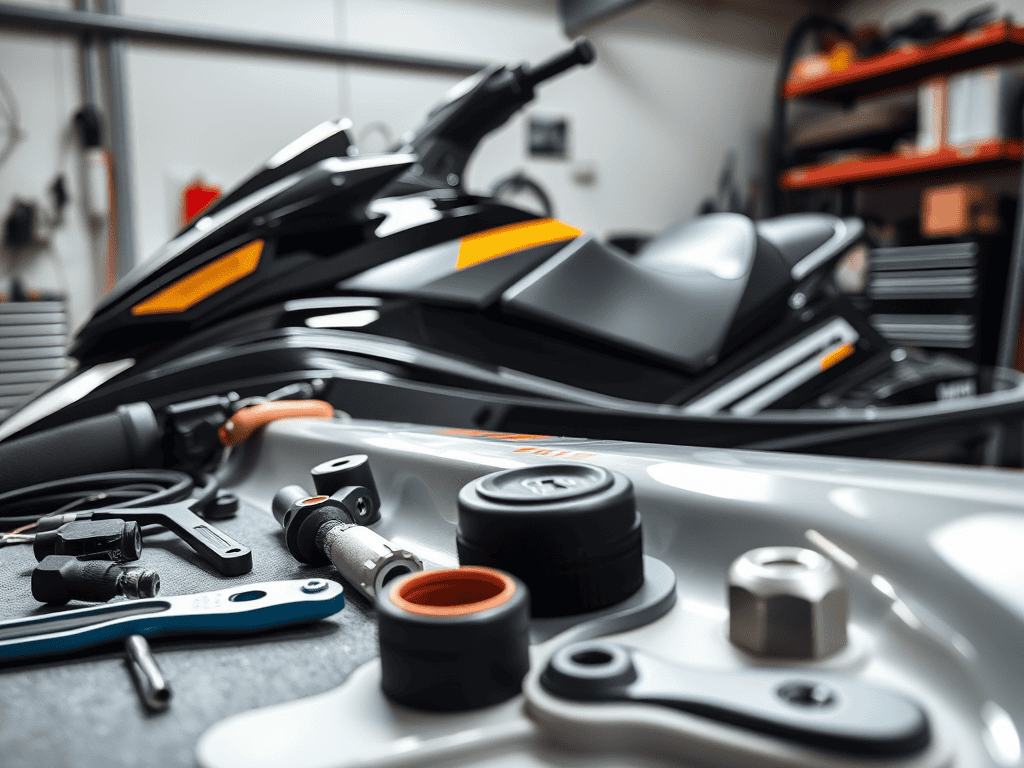
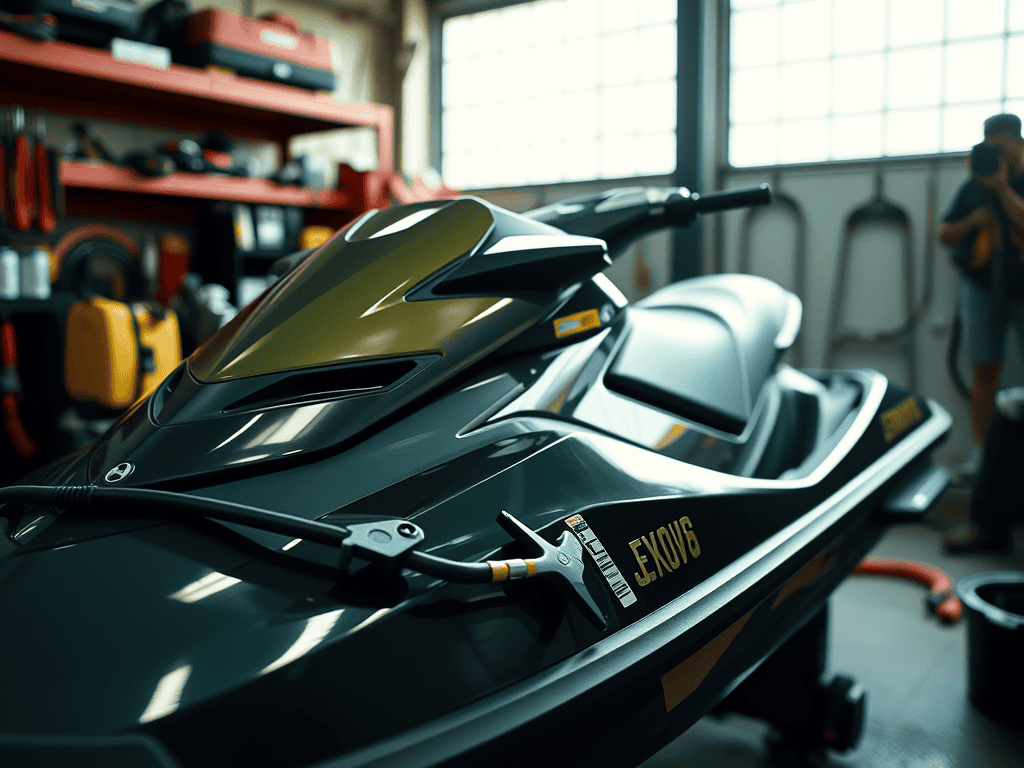
Preparing your jet ski for winter is not just another chore. It makes the difference between a smooth first ride in spring and a headache of costly repairs. In this DIY at-home guide, we’ll walk you through the entire jet ski winterization process step by step. You’ll learn how to flush the cooling system, stabilize your fuel, fog the engine, care for the battery, and prep the hull for storage. We’ll also cover why each step is important, the mistakes that can lead to trouble, and how proper winterization can save you money while keeping your PWC in top shape for years to come.
This Post is all about Jet Ski Winterization
Jet Ski Winterization: The DIY At-Home Guide
As the days get shorter and temperatures start to dip, it’s tempting to just cover your jet ski and forget about it until next summer. But here’s the truth: skipping jet ski winterization is one of the fastest ways to end up with engine problems, fuel system failures, or even costly repairs before your first ride of the season.
The good news? You don’t need a mechanic to handle it. With a few basic tools, some supplies, and an hour or two of your time, you can protect your personal watercraft (PWC) all winter long — and save yourself hundreds, if not thousands, in repair bills later.
This step-by-step guide will walk you through the DIY jet ski winterization process at home, explain why each step matters, and show you what could happen if you skip it.
Why Jet Ski Winterization Is So Important
Jet skis are tough machines built for fun, but they’re also constantly exposed to water, fuel, heat, and vibration. Leaving them idle for months without proper care can cause serious problems, such as:
Fuel system issues – Old fuel breaks down, forming gums and varnish that clog carburetors or injectors.
Engine corrosion – Moisture left inside cylinders and cooling lines leads to rust and pitting.
Freezing damage – In colder climates, leftover water expands as it freezes, cracking internal passages.
Battery failure – A battery left connected or uncharged often won’t survive the winter.
Taking the time to winterize your jet ski prevents all of these headaches. It ensures a smooth, worry-free start to the next riding season.
Tools & Supplies You’ll Need
Gather everything before you begin so the process goes smoothly:
Garden hose with flushing kit or earmuffs
Marine fuel stabilizer
Fogging oil spray
Engine oil & filter (for 4-stroke engines)
Gear oil & pump
Marine-grade grease & grease gun
Spark plug wrench
Battery charger or maintainer
Jet ski cover (breathable, waterproof)
Step 1: Flush the Cooling System
Why it’s important
Salt, sand, and debris can sit in your cooling system all winter. Over time, this causes internal corrosion, mineral buildup, and clogged passages that lead to overheating when you start your engine in spring.
How to do it
Attach a hose to the jet ski using a flushing adapter or earmuffs.
Start the engine before turning on the water.
Run fresh water through for 2–3 minutes.
Shut off the water before stopping the engine.
Tilt the jet ski slightly so excess water drains out.
If you ride in saltwater: Use a salt-removing flush solution for maximum protection.
Step 2: Stabilize the Fuel
Why it’s important
Fuel starts to degrade in just 30 days. By spring, untreated fuel can gum up injectors, clog carburetors, and damage the fuel pump. Water condensation inside the tank can also cause corrosion.
How to do it
Fill your tank nearly full to reduce air (and moisture) inside.
Add marine fuel stabilizer in the recommended amount.
Run the engine for 5–10 minutes so the treated fuel circulates through the system.
Skipping this step means you may be tearing down the fuel system next spring instead of riding.
Step 3: Fog the Engine
Why it’s important
Moisture inside your engine can cause rust and corrosion on pistons, rings, and cylinder walls. Fogging oil creates a protective barrier to stop this damage.
How to do it
Remove the air filter to access the intake.
With the engine running, spray fogging oil into the intake until thick smoke appears.
Shut off the engine.
Remove spark plugs, spray fogging oil directly into each cylinder, and reinstall plugs.
Result: Come spring, your engine internals will be clean, lubricated, and ready to fire up smoothly.
Step 4: Change Oil & Lubricate Components
Why it’s important
Old oil holds acids, moisture, and contaminants that corrode metal if left sitting all winter. Lubricating moving parts prevents rust, stiffness, and cable failure.
How to do it
For 4-stroke engines:
Drain old oil and replace with fresh marine-grade oil.
Install a new oil filter.
For all models:
Grease steering cables, throttle cables, and pump bearings.
Spray lubricant on pivots and exposed metal parts.
Neglecting this step can shorten your engine’s life and leave you with stuck cables when it’s time to ride.
Step 5: Care for the Battery
Why it’s important
A neglected battery is the number one cause of springtime no-start issues. Sitting unused for months causes batteries to lose charge and sulfanate, making them impossible to recharge.
How to do it
Disconnect and remove the battery.
Clean the terminals with a baking soda solution.
Store in a cool, dry place.
Connect to a battery maintainer (not a standard charger).
With a charged, healthy battery, your jet ski will be ready to fire up when the season starts.
Step 6: Clean & Protect the Hull
Why it’s important
Leaving dirt, salt, and algae on your jet ski all winter can cause staining, gel coat damage, and long-term corrosion.
How to do it
Wash the entire hull with mild soap and water.
Dry thoroughly, paying attention to storage compartments.
Apply marine wax for UV and salt protection.
Place the jet ski on a trailer or stand and cover it with a breathable, waterproof cover.
This step keeps your jet ski looking new and protects it from mold, mildew, and weather damage.
Common Jet Ski Winterization Mistakes to Avoid
Even experienced riders sometimes get this wrong. Watch out for:
❌ Skipping fuel stabilizer → leads to clogged fuel injectors.
❌ Forgetting to change oil → acids eat away at engine internals.
❌ Leaving water in cooling lines → can freeze and crack passages.
❌ Leaving battery connected → almost always kills the battery.
❌ Using cheap, non-marine products → poor protection against salt and moisture.
Final Thoughts
Proper jet ski winterization isn’t just about protecting your PWC while it’s in storage — it’s about saving money, preventing breakdowns, and getting back on the water without delays next season.
By flushing the cooling system, stabilizing the fuel, fogging the engine, changing the oil, protecting the battery, and cleaning the hull, you’ll avoid costly repairs and extend the life of your jet ski.
Think of it as a couple of hours of work now that buys you peace of mind and a trouble-free start in spring. Your jet ski deserves it — and so does your wallet.
Check out some more of the guides by the manufactures click the links below.
Join the newsletter for practical yacht maintenance advice, new guide releases, downloadable resources, product recommendations and seasonal reminders designed to help owners, captains and crew make better maintenance decisions onboard. As TYMH grows, subscribers will also get early access to new checklists, maintenance resources, recommended products and exclusive offers or discounts from selected marine brands.
Success
Thank you for signing up to receive updates from The Yacht Maintenance Hub.
Blog / Jet Ski Winterization: The DIY At-Home Guide
We track how people interact with our online web content and resources, and some of that tracking involves storing cookies on your device. By continuing to use our site you accept that you agree to this. For more details see our Privacy Statement.

 310
310
310
310