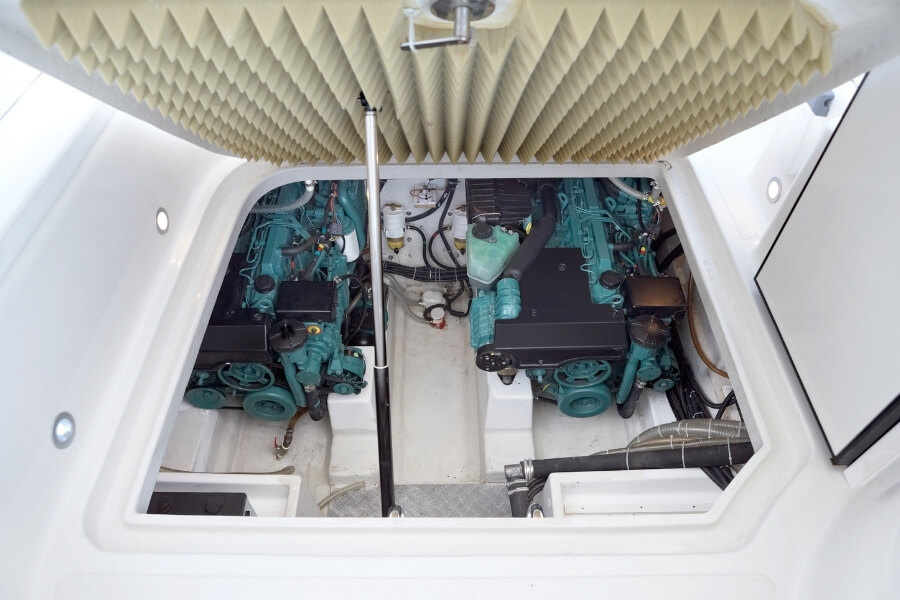
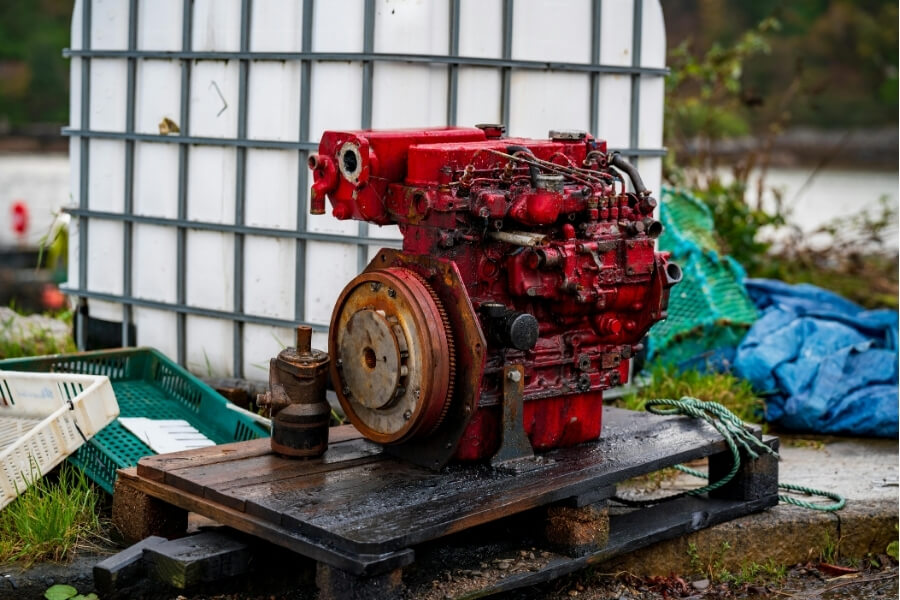
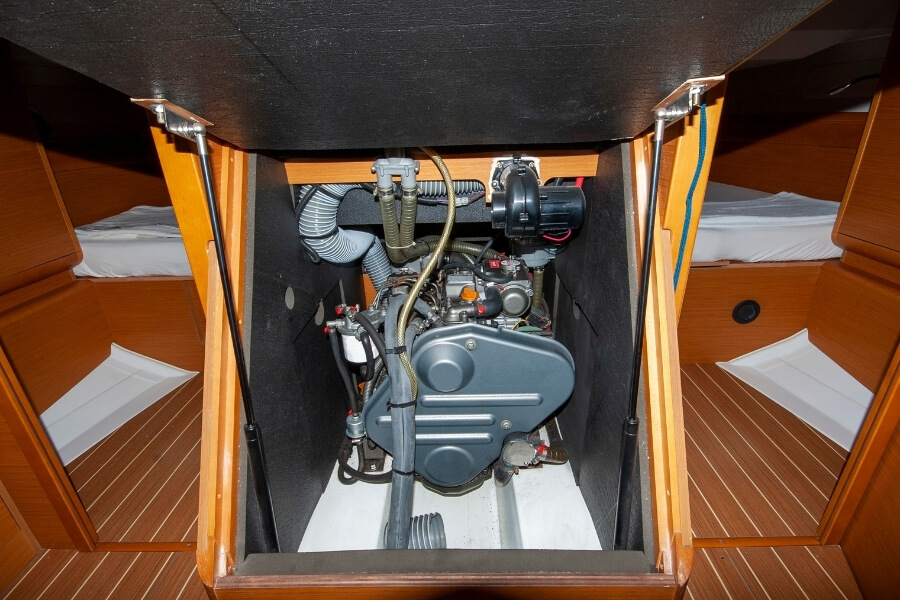
A marine diesel engine is one of the most important systems on any yacht. When it is looked after properly, it can run reliably for thousands of hours. However, when small warning signs are ignored, minor issues can quickly become expensive repairs or breakdowns at sea.
Most marine diesel engine problems give early clues. Hard starting, overheating, smoke, vibration, oil leaks, fuel issues, and unusual noises all suggest something needs attention. Therefore, the sooner you spot these signs, the easier they usually are to fix.
This guide explains the key warning signs, what they may mean, how to troubleshoot them, and when to call a marine professional.
Some links on this page are affiliate links. This means The Yacht Maintenance Hub may earn a commission if you click through and make a purchase, at no extra cost to you. We only recommend products, tools and marine suppliers that we believe are useful for yacht owners, captains, crew and marine professionals.
This article is all about Marine Diesel Engines!
Quick Answer: What are the most common marine diesel engine warning signs?
The main warning signs of marine diesel engine problems include overheating, hard starting, excessive smoke, unusual vibration, loss of power, oil or fuel leaks, low oil pressure, poor cooling water flow, and abnormal noise. If any of these appear, investigate early before running the engine under load.
Why Marine Diesel Engine Problems Matter
A marine diesel engine works in a demanding environment. It deals with salt water, heat, vibration, humidity, long idle periods, heavy loads, and sometimes inconsistent maintenance. Because of this, small problems can develop quickly.
For example, a blocked seawater strainer can reduce raw water flow. As a result, the engine may overheat. If ignored, this can damage hoses, exhaust parts, gaskets, or the engine itself.
The same applies to fuel contamination. Water, sludge, or debris in the marine diesel fuel system can block filters, reduce power, stop the engine, or damage injectors. In other words, early checks are far cheaper than emergency repairs.
Common Marine Diesel Engine Warning Signs
Most marine diesel engine troubleshooting starts with recognising symptoms. Fortunately, engines usually show signs before they fail completely.
Warning Sign
Possible Cause
Urgency
Overheating
Blocked strainer, worn impeller, low coolant
High
Hard starting
Battery, fuel, air leak, compression issue
Medium to high
Black smoke
Overloading, dirty air filter, incomplete combustion.
Medium
White smoke
Water in the fuel or unburnt fuel.
Medium to high
Blue smoke
Oil burning, worn piston rings, turbo issue
High
Loss of power
Fuel restriction, dirty hull, turbo issue
Medium to high
Vibration
Engine mounts, shaft alignment, prop damage
High
Oil or fuel leak
Hose, gasket, seal, loose fitting
High
Poor raw water flow
Impeller, blockage, pump issue
High
Even if a sign seems minor, it should not be ignored. Instead, treat it as an early warning.
Marine Diesel Engine Overheating
Overheating is one of the most serious marine diesel engine problems. It should always be investigated, especially if the temperature rises quickly or an alarm sounds.
A marine diesel engine cooling system usually relies on both coolant and raw seawater. Therefore, a fault can happen on either side.
Common causes include:
Blocked seawater strainer
Worn diesel engine raw water pump impeller (For a more indepth guide on impellers check out our guide here)
Blocked intake
Damaged hose
Low coolant
Loose belt
Heat exchanger blockage
Faulty thermostat
Restricted exhaust elbow
First, check the exhaust outlet. If little or no water is coming out, stop the engine and inspect the seawater side. Check the seacock, strainer, intake, raw water pump, and impeller.
Next, check coolant levels once the engine has cooled. Never open a hot pressurised coolant cap!
If the engine overheats repeatedly, call a marine engineer. Continued overheating can quickly cause costly damage.
For more indepth information on boat impellers
Hard Starting or Failure to Start
A marine diesel engine needs clean fuel, battery power, air, compression, and correct timing to start properly. If one area is weak, starting problems can appear.
Common causes include:
Weak battery
Corroded battery terminals
Air in the fuel system
Blocked marine diesel engine fuel filter
Contaminated diesel
Faulty starter motor
Glow plug issue
Low compression
Injector problems
Start with simple checks. Inspect the battery, terminals, and cables. Then check fuel valves, filters, the water separator, and signs of air leaks.
If the engine has just had a marine diesel engine service, make sure the fuel system was properly bled. Air trapped after a filter change is a common cause of hard starting.
Smoke from a Marine Diesel Engine
Diesel smoke can tell you a lot about engine condition. However, the colour matters.
Black Smoke
Black smoke usually means too much fuel, not enough air, or too much load. Common causes include a fouled propeller, blocked air filter, injector issue, turbo problem, or restricted exhaust.
If black smoke appears under load, check whether the engine reaches normal RPM. If it does not, the boat may be overloaded, the prop may be fouled, or the hull may need cleaning.
White Smoke
White smoke may be unburnt fuel, especially on cold starts. However, persistent white smoke can point to injector problems, poor compression, or coolant entering the combustion chamber.
Therefore, if white smoke continues once warm, investigate it properly.
Blue Smoke
Blue smoke often means the engine is burning oil. Possible causes include worn piston rings, valve seals, turbo seals, or too much oil in the sump.
Because this may indicate internal wear, blue smoke should be treated seriously.
Loss of Power Under Load
A marine diesel engine may idle well but struggle when placed under load. This can be confusing because the engine may seem fine at the dock.
Possible causes include:
Blocked fuel filters
Dirty fuel
Restricted fuel pickup
Air leak in fuel line
Fouled propeller
Dirty hull
Turbo issue
Restricted exhaust
Injector problem
Overheating under load
Before assuming a major fault, check the basics. Inspect the fuel filters, look for water in the separator, confirm fuel valves are open, and check the propeller if safe to do so.
A dirty hull or fouled prop makes the engine work harder. As a result, it may smoke, overheat, or fail to reach correct RPM.
Noise, Vibration, Oil and Fuel Leaks
A healthy marine diesel engine should sound and feel consistent. Therefore, new knocking, rattling, grinding, or vibration should be checked quickly.
Common vibration causes include worn engine mounts, shaft alignment issues, prop damage, rope around the shaft, loose couplings, or a misfiring cylinder. Vibration can also damage shaft seals, exhaust parts, mounts, and surrounding structure.
Oil and fuel leaks also need attention. Oil in the bilge, a fuel smell, low oil pressure, milky oil, or a rapid oil level drop are all warning signs. Milky oil can suggest water contamination and needs urgent investigation.
A proper marine diesel engine oil change should include the correct marine engine oil, a new filter, inspection of the old oil, and a leak check after running.
Fuel System and Exhaust Problems
The marine diesel fuel system must stay clean and free from water and air. In fact, fuel contamination is one of the most common causes of diesel engine failure.
Common issues include water in diesel, diesel bug, blocked filters, air leaks, loose fittings, old fuel hoses, dirty tanks, and poor fuel quality.
The primary fuel filter or water separator is a key protection point. If it shows water, sludge, or debris, do not ignore it. Also, carry spare fuel filters onboard and know how to change them safely.
The marine diesel exhaust system is also important. Warning signs include exhaust smell in the engine space, reduced cooling water at the outlet, steam, soot marks, corrosion around the exhaust elbow, leaks, or black smoke under load.
Exhaust elbows are common failure points in saltwater environments. Internal corrosion or carbon build-up can restrict flow even when the outside looks fine.
Marine Diesel Engine Maintenance Schedule
Always follow the manufacturer’s manual, but this schedule is a useful starting point.
Interval
Maintenance Task
Before each trip
Check oil, coolant, belts, leaks, bilge, fuel and raw water flow
Weekly
Inspect hoses, clamps, filters, mounts and batteries
Monthly
Check seawater strainer, belt tension and fuel separator
Every 100–250 hours
Oil and filter change, fuel filter check and inspection
Annually
Full marine diesel engine service and impeller inspection
Before storage
Marine diesel engine winterisation and fuel treatment
After idle periods
Inspect fuel, batteries, belts, filters and hoses
This should be adjusted for engine hours, usage, environment, and manufacturer guidance.
Basic Marine Diesel Engine Checklist
Use this checklist before longer trips or after periods of inactivity.
Check engine oil level
Check coolant level
Inspect bilge for oil, fuel, or coolant
Check fuel filter bowl
Inspect belts
Check hoses and clamps
Open the engine seacock
Check seawater strainer
Start engine and check exhaust water flow
Listen for abnormal noise
Watch temperature and oil pressure
Check for leaks after warm-up
Although these checks are simple, they prevent many major failures.
DIY vs Professional Repair
Some tasks are suitable for competent owners and crew. These include oil level checks, coolant checks, visual inspections, fuel filter checks, strainer cleaning, belt inspection, and carrying spare parts.
However, some work is better left to a marine professional. This includes injector testing, compression testing, turbo repairs, major fuel system repairs, internal engine work, heat exchanger overhaul, shaft alignment, and persistent overheating diagnosis.
If safety, fuel leaks, exhaust gases, or internal engine damage are involved, professional help is the safer choice.
Useful Spares to Keep Onboard
A good onboard kit helps crew deal with small problems early.
Spare or Tool
Why It Helps
Oil filters
Routine service and oil issues
Fuel filters
Contaminated or blocked fuel
Raw water impeller
Common cooling failure item
Drive belts
Useful if a belt fails
Hose clamps
Quick hose repairs
Engine oil
Top-ups and oil changes
Coolant
Low coolant or overheating issues
Absorbent pads
Oil or fuel leaks
Basic tool kit
Minor inspections and repairs
Before buying marine diesel engine parts, check the exact engine model number.
Common Mistakes to Avoid
The biggest mistake is ignoring small leaks, alarms, smoke, or vibration. These are early warnings, not normal behaviour.
Another common mistake is forgetting the seawater strainer. A blocked strainer can cause overheating quickly, especially after running through weed or debris.
Many owners also fail to carry spare fuel filters. This is risky because a blocked filter can stop the engine completely.
Finally, avoid using the wrong oil or coolant. Always follow manufacturer specifications.
FAQs: Marine Diesel Engines
What are the most common marine diesel engine problems?
The most common problems include overheating, blocked fuel filters, contaminated diesel, oil leaks, worn impellers, hard starting, smoke, vibration, and loss of power.
How often should a marine diesel engine be serviced?
Most marine diesel engines should be serviced annually or every 100–250 hours, depending on the manufacturer and usage.
Why is my marine diesel engine overheating?
Common causes include a blocked seawater strainer, worn raw water pump impeller, low coolant, loose belt, blocked heat exchanger, or restricted exhaust elbow.
Can I service a marine diesel engine myself?
Basic checks, oil changes, filter changes, and strainer cleaning may be suitable for competent owners. However, major repairs should be handled by a marine professional.
How long does a marine diesel engine last?
A well-maintained marine diesel engine can last for many years and thousands of hours. Lifespan depends on servicing, load, fuel quality, cooling, and how quickly problems are fixed.
Summary
Marine diesel engine problems are much easier to manage when they are caught early. Overheating, smoke, vibration, hard starting, leaks, poor raw water flow, and loss of power should never be ignored.
The best approach is simple: inspect regularly, follow the service schedule, keep the engine room clean, carry essential spares, and investigate small changes early.
For owners, captains, and crew, good marine diesel engine maintenance improves reliability, safety, and confidence at sea.
Work through essential checks for your boat’s hull, engine, electrical systems, plumbing and safety equipment. Use the printable checklist and launch log to record completed jobs, flag outstanding work and organise your return to the water.
Success
Thank you for submitting the form, we will be in touch with you shortly with your Spring Commissioning Checklist.
Prepare Your Boat Properly Before Winter
Use TYMH’s practical winterisation checklist to help protect your engine, plumbing, batteries, deck gear, safety equipment and onboard systems before the cold weather sets in.
Success
Thank you for submitting the form, we will be in touch with you shortly.
Sign up for updates
Join the newsletter for practical yacht maintenance advice, new guide releases, downloadable resources, product recommendations and seasonal reminders designed to help owners, captains and crew make better maintenance decisions onboard. As TYMH grows, subscribers will also get early access to new checklists, maintenance resources, recommended products and exclusive offers or discounts from selected marine brands.
Success
Thank you for signing up to receive updates from The Yacht Maintenance Hub.
Blog / Marine Diesel Engine Problems: Warning Signs You Should Never Ignore
We track how people interact with our online web content and resources, and some of that tracking involves storing cookies on your device. By continuing to use our site you accept that you agree to this. For more details see our Privacy Statement.
 310
310
310
310