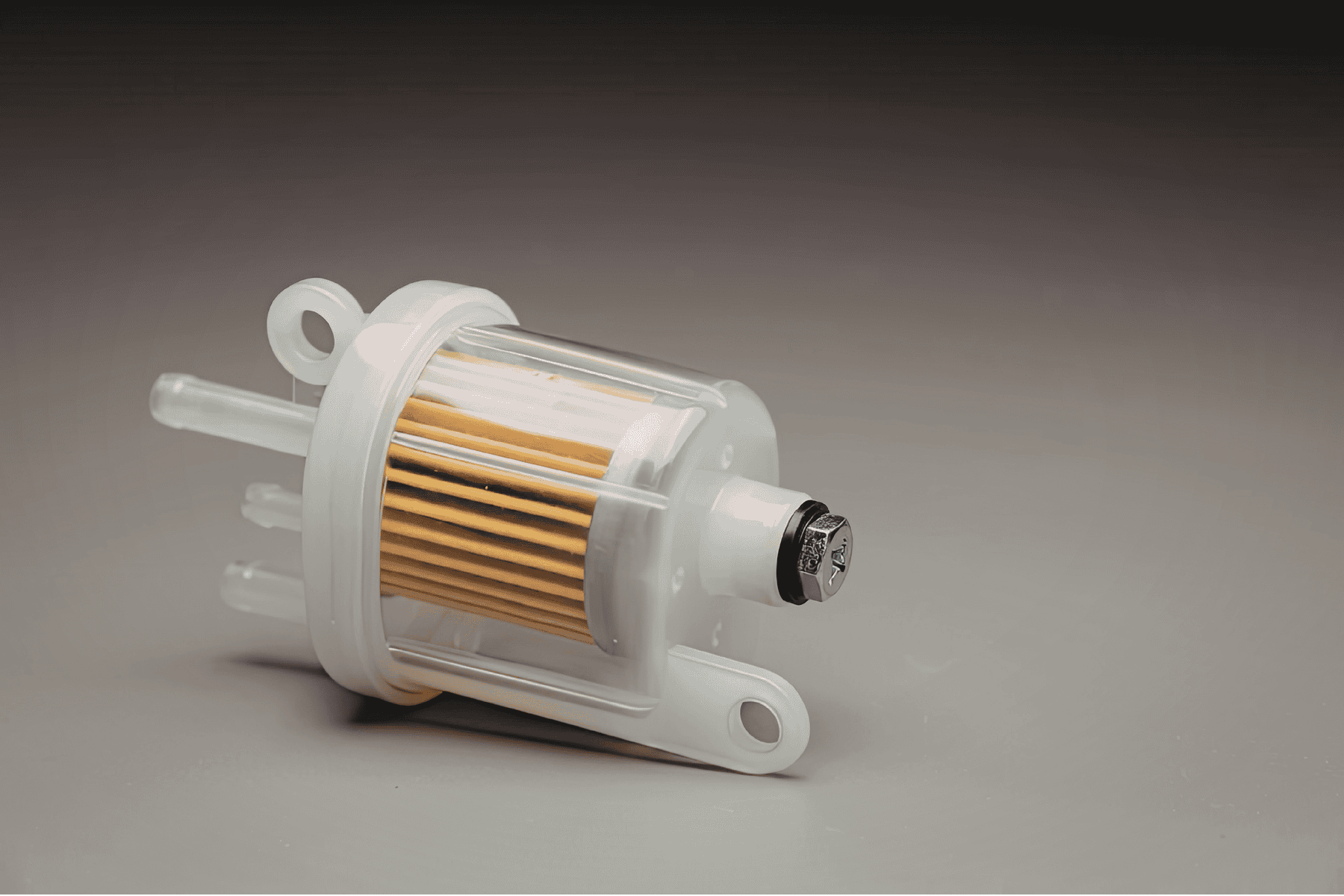
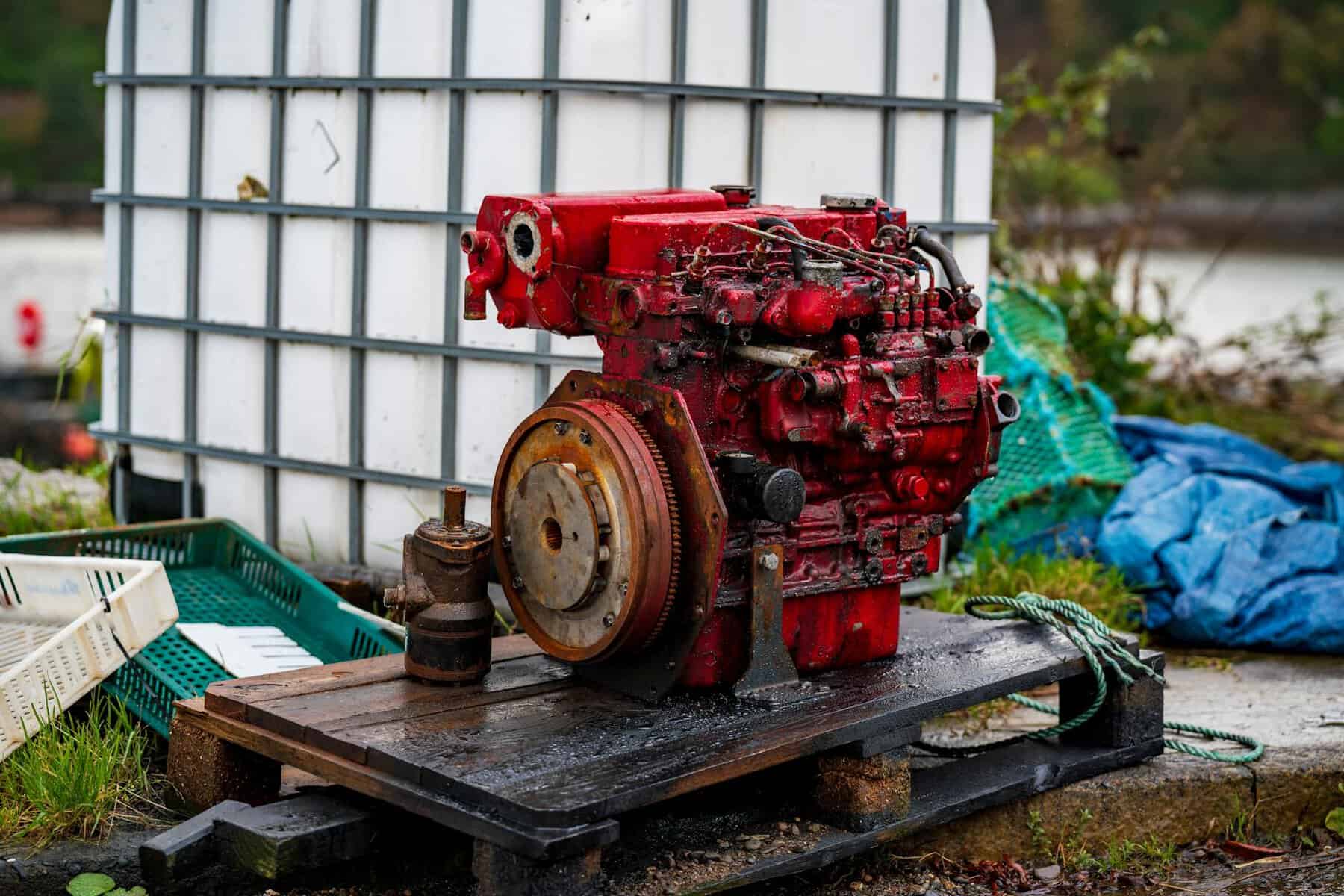
A boat fuel filter is a small part of the fuel system, but it has a major effect on engine reliability. When it becomes blocked, contaminated, or neglected, your engine may struggle to start, lose power, run roughly, or stop completely.
Because marine fuel systems deal with vibration, moisture, old fuel, salt air, and sometimes dirty fuel tanks, contamination is a common issue on boats. Therefore, a clean marine fuel filter is essential for protecting injectors, fuel pumps, carburettors, and engine components.
In this guide, you’ll learn what a boat fuel filter does, the signs of a clogged boat fuel filter, when to replace it, how much it may cost, and how owners or crew can prevent fuel-related breakdowns.
This post is all about the Boat Fuel Filter!
Quick Answer: What Does a Boat Fuel Filter Do?
A boat fuel filter removes dirt, rust, sediment, water, and other contamination from the fuel before it reaches the engine. As a result, it helps protect the engine, improve reliability, and reduce the risk of fuel starvation or sudden shutdowns. Most filters should be inspected regularly and replaced at least annually, or sooner if the engine manual recommends it or symptoms appear.
What Is a Boat Fuel Filter?
A boat fuel filter is fitted into the fuel system to clean the fuel before it reaches the engine. Depending on the boat, engine, and fuel setup, there may be one filter or several stages of filtration.
Most marine engines use one or more of the following:
Engine-mounted fuel filter
Inline outboard fuel filter
Primary fuel filter
Secondary fuel filter
Boat fuel water separator
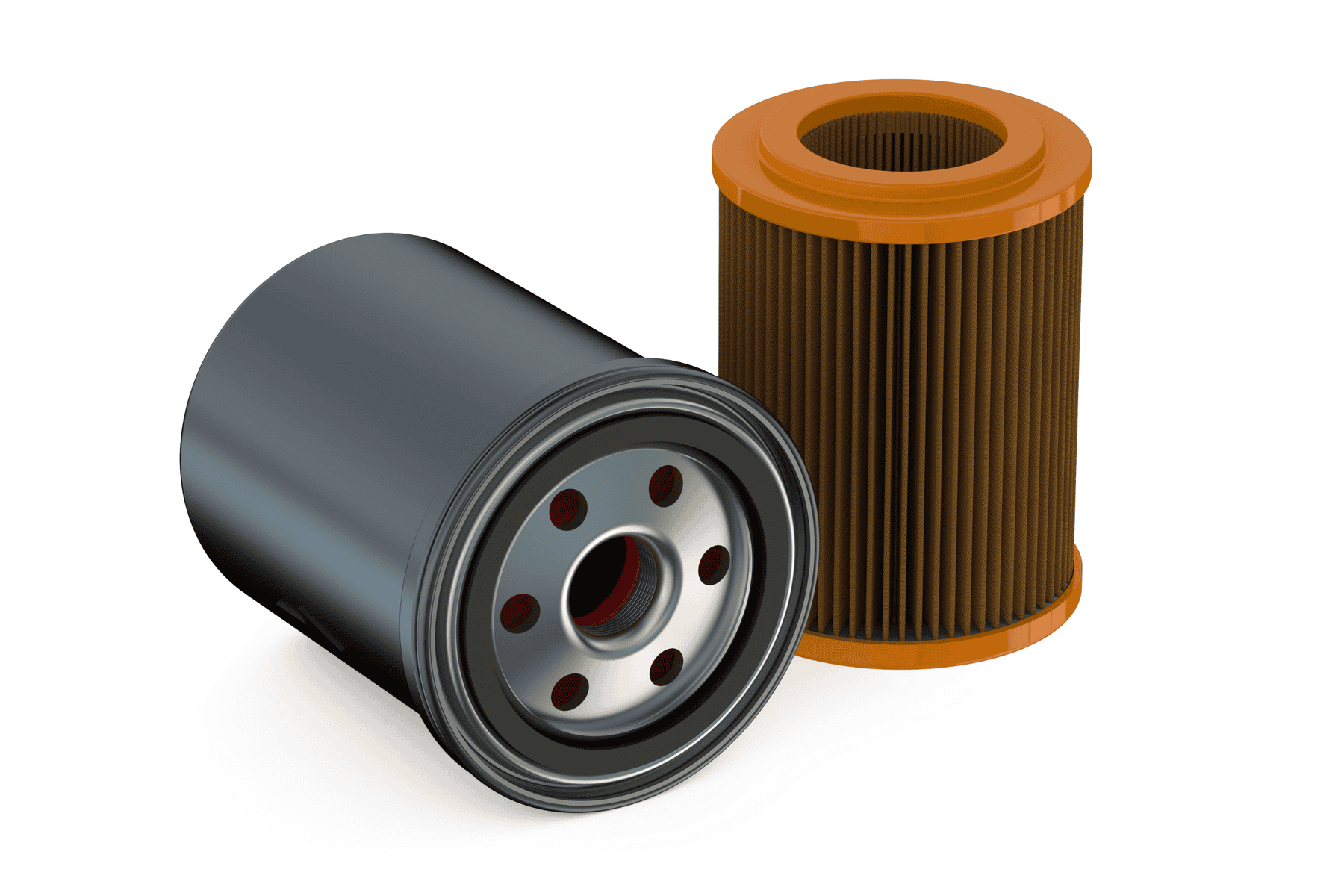
Replaceable boat fuel filter cartridge
Although the setup varies, the purpose stays the same. The filter stops contamination from reaching sensitive engine parts.
On diesel boats and larger yachts, a marine fuel water separator is especially important. Diesel engines do not tolerate water well, and even a small amount of contamination can lead to corrosion, poor combustion, blocked injectors, or engine failure.
Why Boat Fuel Filters Matter
Fuel contamination is one of the easiest engine problems to prevent. However, it is also one of the easiest to ignore until the engine starts running badly.
A marine fuel filter helps protect the engine from:
Dirt and dust
Rust from old tanks
Water from condensation
Sediment stirred up in rough weather
Microbial growth in diesel tanks
Old or degraded fuel
Debris introduced during refuelling
As a result, a clean filter helps the engine start more reliably, accelerate smoothly, and maintain power under load.
By contrast, a clogged boat fuel filter restricts fuel flow. The engine may idle normally at the dock but then struggle when you increase revs, push into chop, or run under heavy load. For this reason, fuel filters should be treated as a key preventative maintenance item, not just a part to replace after a breakdown.
Primary vs Secondary Fuel Filters
Many boats use more than one filter because different parts of the system need different levels of protection.
Filter Type
Usual Position
Main Purpose
Primary fuel filter
Between tank and engine
Removes larger debris and water
Fuel water separator
Before engine
Separates water from fuel
Secondary fuel filter
On or near engine
Provides finer filtration
Inline outboard filter
Fuel line or engine cowling
Protects smaller outboard systems
A primary fuel filter boat setup usually catches larger contamination before it reaches the engine. Then, the secondary fuel filter boat setup provides finer filtration close to the engine.
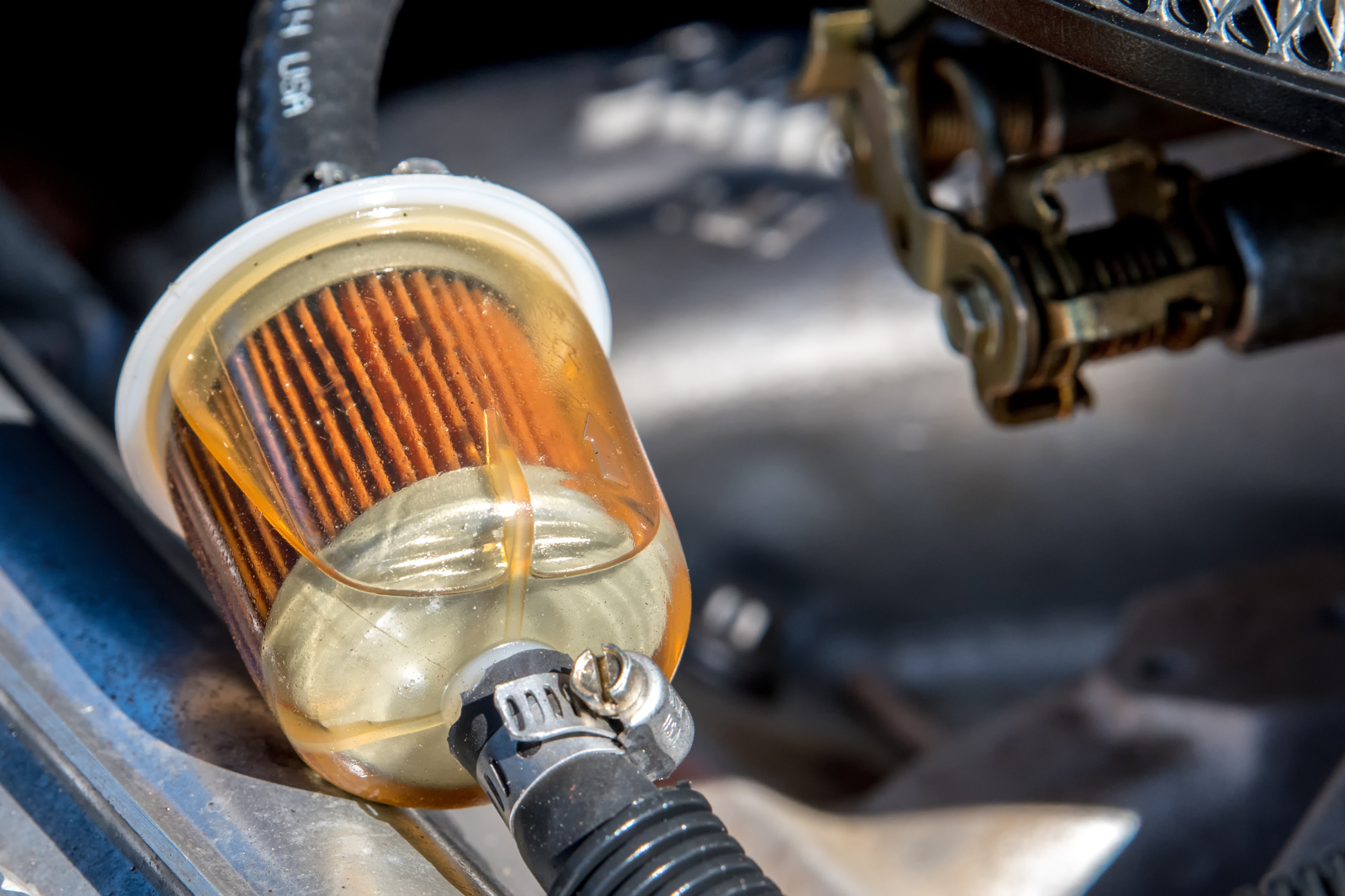
Many diesel yachts use a Racor fuel filter or similar system with a clear bowl. This makes inspections easier because you can often see water, dirt, or sludge before it reaches the engine.
Common Boat Fuel Filter Problems
Boat fuel filter problems usually come from poor fuel quality, lack of maintenance, incorrect parts, or air leaks after servicing.
Clogged Boat Fuel Filter
A clogged boat fuel filter is one of the most common issues. It restricts fuel flow and can make the engine feel weak, rough, or unreliable.
This often happens after rough weather because sediment from the bottom of the tank gets stirred into the fuel pickup. It can also happen when a boat has been unused for months, especially if old fuel, water, or diesel bug is present.
Water in the Fuel Filter
Water can enter through condensation, contaminated fuel, a leaking deck fill, a poor tank vent, or bad storage habits. Once it reaches the fuel system, it can cause corrosion, poor running, and injector damage.
Therefore, any visible water in the filter bowl should be taken seriously. Drain it if your system allows, replace the filter if needed, and investigate the source.
Wrong Filter or Micron Rating
Fuel filters are not all the same. A filter with the wrong micron rating can either let too much contamination through or restrict fuel flow too much.
For example, a very fine filter in the wrong position may clog quickly. Meanwhile, a filter that is too coarse may not protect the engine properly.
Air Leaks After Replacement
After replacing a filter, a badly seated seal can let air into the system. This is especially common on diesel engines, where air in the fuel line can cause hard starting, rough running, or complete shutdown.
Damaged or Corroded Filter Housing
A boat fuel filter housing should be clean, secure, and leak-free. If the housing is cracked, corroded, or difficult to seal, replacing only the cartridge may not solve the issue.
Clogged Boat Fuel Filter Symptoms
A blocked boat engine fuel filter can create symptoms that feel like serious engine trouble. However, the cause may be simple fuel starvation.
Symptom
Possible Cause
Engine starts then stops
Fuel starvation or air in system
Loss of power under load
Restricted fuel flow
Rough idle
Partial blockage or dirty fuel
Engine surging
Inconsistent fuel supply
Poor acceleration
Filter restriction
Engine cuts out in rough seas
Sediment stirred from tank
Water visible in bowl
Fuel contamination
Hard starting after filter change
Air trapped in system
The main warning sign is poor performance under load. For example, the engine may sound fine in neutral but lose power when you engage gear or increase throttle.
If this happens, check the fuel filter early. Otherwise, you may waste time chasing more expensive engine faults.
How Often Should You Replace a Boat Fuel Filter?
Most boat fuel filters should be inspected regularly and replaced at least once per season or according to engine hours. However, the correct interval depends on the engine manual, fuel quality, and how the boat is used.
Replace the filter sooner if:
The engine loses power
You find water in the bowl
Fuel looks dirty or cloudy
The boat has been stored for months
You recently filled from an unknown fuel source
Filters keep clogging repeatedly
The boat is heading offshore or on a long passage
For yachts and regularly used boats, filter changes should be logged in the planned maintenance system. Include the date, engine hours, part number, and any contamination found. This makes future troubleshooting much easier.
How to Change a Boat Fuel Filter
Changing a boat fuel filter can be a manageable DIY job if the system is accessible and you understand the process. However, petrol fuel systems need extra caution because vapour can be dangerous.
Tools and Materials Needed
Correct replacement filter or cartridge
Filter wrench
Clean rags
Absorbent pads
Gloves
Container for old fuel
Spare seals or O-rings
Engine manual
Primer bulb or lift pump if required
Basic Steps
First, stop the engine and let it cool. Then close the fuel shut-off valve if one is fitted.
Next, place absorbent pads below the filter to catch drips. After that, remove the old filter carefully and inspect the contents for water, dirt, sludge, or rust.
Before fitting the new filter, check the seal and lubricate it if recommended. Then install the filter without overtightening.
Once fitted, prime the system if needed. Finally, start the engine and check closely for leaks, air bubbles, or rough running.
Dispose of old fuel, filters, and contaminated rags correctly. Do not allow fuel to enter the bilge or water.
Boat Fuel Filter Cost
Fuel filter cost depends on the engine, filter size, brand, and whether you replace only the element or the full housing.
Item
Cost Consideration
Inline outboard fuel filter
Usually low-cost
Spin-on fuel water separator
Moderate cost
Racor fuel filter cartridge
Depends on model
Complete filter housing
Higher cost
Labour from marine engineer
Depends on access and location
Tank cleaning or fuel polishing
Higher cost if contamination is severe
Although filters are usually inexpensive, ignoring them can become costly. Injector damage, breakdown recovery, cancelled trips, and engine diagnostics all cost far more than a replacement filter.
When choosing the best boat fuel filter, match it to the engine specification, fuel type, flow rate, micron rating, and housing. A cheaper filter is fine if it is correct and marine-rated. However, guessing with the wrong part is never worth the risk.
DIY vs Professional Replacement
DIY replacement is usually suitable if the filter is easy to access, you have the correct part, and you know how to prime the system.
However, call a marine professional if you find heavy sludge, repeated water contamination, fuel leaks, damaged hoses, corroded fittings, or ongoing power loss after replacement.
Also, be careful with petrol inboard systems. Because fuel vapour can collect in enclosed spaces, poor fuel work can become a serious safety risk.
Preventative Maintenance Tips
Good fuel filter maintenance starts before the engine has a problem.
Keep spare filters onboard, especially for longer trips. In addition, carry the correct seals, a filter wrench, absorbent pads, and the part numbers for your engine.
Buy fuel from busy, reputable suppliers where possible. Also, keep the tank clean, inspect the filter bowl often, and investigate repeated contamination instead of only replacing filters.
If your diesel filters keep blocking, the tank may need cleaning or fuel polishing. In that case, new filters will only solve the problem temporarily.
For crew, every filter change should be logged. Over time, this creates a useful history of fuel quality and engine reliability.
Common Mistakes to Avoid
One common mistake is ignoring early symptoms. If the engine surges, hesitates, or loses power, check the fuel system before the issue becomes worse.
Another mistake is fitting the wrong filter. Incorrect size, thread, micron rating, or fuel compatibility can cause leaks, restriction, or poor filtration.
Owners also forget to prime diesel systems after replacement. As a result, the engine may fail to start even though the new filter is fitted correctly.
Finally, do not treat a dirty tank with filters alone. If sludge or water keeps returning, the real problem is likely inside the tank or fuel supply.
FAQs: Boat Fuel Filter
How do I know if my boat fuel filter is clogged?
Common signs include loss of power, rough running, poor acceleration, engine surging, hard starting, or the engine stopping under load.
Can I clean a boat fuel filter?
Most modern marine fuel filter elements should be replaced, not cleaned. However, the bowl or housing can usually be cleaned during servicing.
How often should I change a diesel fuel filter?
Many owners replace diesel fuel filters annually or by engine hours. However, replace them sooner if water, sludge, or performance issues appear.
What is the difference between a fuel filter and a fuel water separator?
A fuel filter removes particles. A fuel water separator also helps remove water before it reaches the engine.
Should I carry spare boat fuel filters onboard?
Yes. Spare filters are essential because a blocked filter can stop an otherwise healthy engine.
Conclusion
A boat fuel filter is simple, affordable, and easy to overlook. However, it protects some of the most important parts of the engine.
By inspecting filters regularly, replacing them on schedule, carrying spares, and dealing with fuel contamination early, owners and crew can prevent many avoidable breakdowns. If problems keep returning, look beyond the filter and check the tank, fuel quality, hoses, seals, and housing.
Join the newsletter for practical yacht maintenance advice, new guide releases, downloadable resources, product recommendations and seasonal reminders designed to help owners, captains and crew make better maintenance decisions onboard. As TYMH grows, subscribers will also get early access to new checklists, maintenance resources, recommended products and exclusive offers or discounts from selected marine brands.
Success
Thank you for signing up to receive updates from The Yacht Maintenance Hub.
Blog / Boat Fuel Filter Problems: Signs, Fixes, and When to Replace
We track how people interact with our online web content and resources, and some of that tracking involves storing cookies on your device. By continuing to use our site you accept that you agree to this. For more details see our Privacy Statement.
 310
310
310
310