The Yacht Maintenance Hub, The resource for Yacht Maintenance & Repairs310310
3 November 2026 | Read it in 12 minutes
Written by Archie Wilson
Archie Wilson is a commercially endorsed Yachtmaster Offshore, experienced Bosun, yacht crew member and founder of The Yacht Maintenance Hub. His background spans superyachts, private motor yachts, chase boats and sailing yachts, with hands-on experience in maintenance, refit work, boat building, deck operations and basic engineering. Having also lived aboard sailing yachts and helped smaller boat owners manage their own maintenance, Archie created TYMH to share practical guidance grounded in real onboard experience.
A snapped belt, blocked fuel filter or failed navigation light can cut a trip short. Having the correct replacement onboard gives you more options when help or a chandlery is hours away.
However, a useful collection of boat spare parts starts with knowing your boat. The right kit depends on your engine, installed equipment, cruising area and the repairs you can realistically complete.
This boat spare parts checklist covers 10 practical categories, from engine spares and electrical parts to lines, chain and lighting. It explains what to carry, what to check before buying and how to keep everything ready for use.
Some links on this page are affiliate links. This means The Yacht Maintenance Hub may earn a commission if you click through and make a purchase, at no extra cost to you. We only recommend products, tools and marine suppliers that we believe are useful for yacht owners, captains, crew and marine professionals.
Quick Answer: What Boat Spare Parts Should You Carry?
Carry matching fuel filters, an impeller kit, drive belts, electrical fuses and connectors, hose repair parts, mooring lines, anchor chain and shackles, navigation light spares, a bilge pump, and drain plugs or emergency bungs. Choose parts for the equipment actually fitted, with the tools needed to install them. Increase quantities for longer passages and remote cruising.
How to Choose the Right Boat Spare Parts
Before ordering marine spare parts, record your engine model and serial number, pump models, electrical system voltage and existing part numbers. Keep photographs of labels and fittings in your maintenance records.
Check compatibility against the equipment manufacturer’s documentation. Two engines with the same horsepower can use different filters, belts or impellers.
Use the following list as 10 categories to work through. Some boats have no accessible accessory belt, removable drain plug or powered bilge pump, so adapt the contents to your installation. These spares support your boat trip checklist; you still need the appropriate safety equipment, communications and passage plan.
10 Essential Boat Spare Parts to Carry Onboard
1. Fuel Filters and Water-Separator Elements
A restricted fuel filter can cause loss of power or engine stoppage. Carry the correct primary filter or water-separator element, plus any separate engine-mounted filter your system requires.
Keep replacement seals with each filter. For longer trips, additional elements make sense because contaminated fuel can block a replacement too.
Match the housing, fuel type and specified micron rating, which describes filtration fineness. A finer element is not automatically the right choice.
Before attempting a change, understand fuel isolation, spill containment and the manufacturer’s priming procedure. Leave high-pressure injection components to a marine engineer. Repeated blockage needs investigation into the fuel supply.
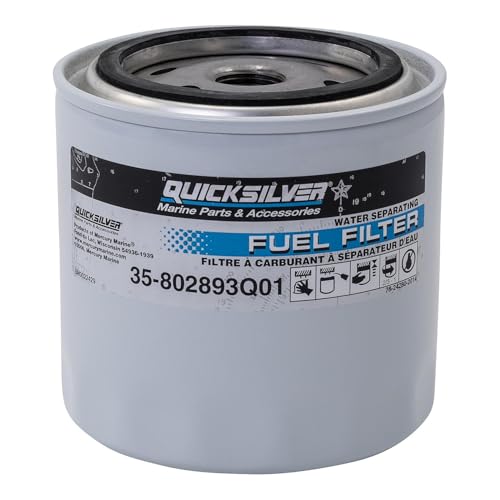
A useful onboard spare for compatible Mercury and MerCruiser fuel systems, this 25-micron filter helps remove water and fuel-borne contaminants. Keep a replacement ready for planned servicing or an unexpected filter change, and confirm the part number matches your installation before ordering.
An impeller kit belongs high on an inboard engine spares list. Carry the correct impeller, cover gasket or O-ring, and any small fittings specified for the replacement.
Identify the pump as well as the engine. Pumps can change during a boat’s life, so the engine model alone may send you towards the wrong kit.
If an impeller loses blades, locate the missing pieces in the downstream cooling circuit before restarting. Jabsco’s troubleshooting guidance specifically highlights checking discharge plumbing for fragments.
An accessible inboard pump may allow an onboard repair. Many outboard impellers sit in the lower unit, making replacement a job to plan ashore. Carrying a spare still helps when local parts availability is limited.
This stainless-steel puller helps remove stubborn impellers while reducing the risk of damaging the pump housing with improvised tools. Keep it alongside your replacement impeller and seals, and check the tool’s size range and available working space against your pump.
A failed accessory belt can stop an alternator or a belt-driven cooling pump, depending on the engine. Carry a new replacement for each relevant belt type.
Match the part number, profile, length and rib count. Similar-looking belts can sit incorrectly in the pulleys or run outside the tensioner’s adjustment range.
Photograph the belt routing and keep the required adjustment tools nearby. Inspect installed belts for fraying, unusual dust, glazing and other wear identified in the engine manual.
If a new belt wears rapidly, check the pulleys, tensioner and alignment instead of repeatedly replacing belts. Timing-belt work requires its own service procedure and should not form part of an improvised underway repair.
4. Electrical Fuses and Marine Connectors
A small electrical fault can disable a light, instrument or pump. Build your marine electrical spare parts kit around the fuse types and ratings already fitted onboard.
A mixed blade-fuse pack is a useful starting point, but check its contents. It may omit the exact rating your bilge pump needs, and it will not cover every main battery fuse.
Add suitable marine crimp terminals, adhesive-lined heat-shrink and a short length of correctly sized marine cable. Carry the proper crimping tool too.
Never increase a fuse rating to stop it blowing. If a replacement blows again, isolate the affected circuit and investigate the fault. Seek a marine electrician’s help for damaged wiring, repeated failures or an unfamiliar installation.
5. Suitable Hose and Stainless-Steel Hose Clamps
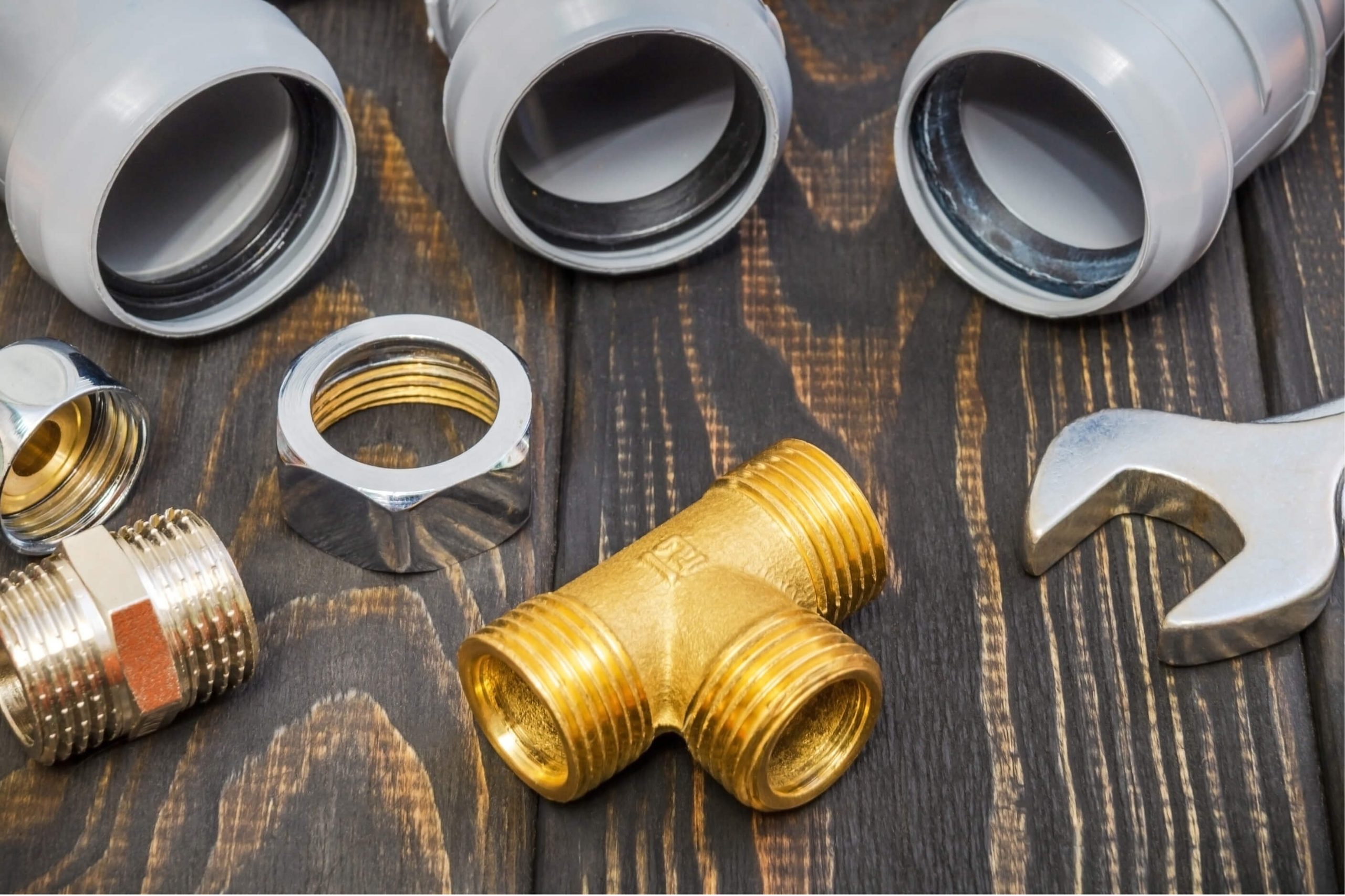
Useful boat plumbing spare parts include short lengths of the hose types you actually use, matching connectors and correctly sized clamps.
Choose hose for its application. Fuel, coolant, seawater and drinking-water systems have different requirements; matching the diameter alone does not establish suitability.
For suitable marine applications, look for clamps with corrosion-resistant screws and housings as well as bands.
Record hose sizes before shopping. Follow the installation requirements for clamp type, placement and torque, including double clamping where specified and where the hose tail provides enough support.
Before opening seawater plumbing, confirm you can safely isolate it. Our seacock maintenance guide explains the importance of keeping these valves accessible and serviceable.
Eight clamp sizes in an organised case make this a useful assortment for general hose maintenance and onboard spares. The included screwdriver and socket wrench keep fitting tools close at hand; confirm the size and 304 stainless construction suit your particular hose system before use.
A 10 ft length of clear, reinforced PVC tubing that can be cut to size for compatible water-transfer applications. Check its pressure, temperature and fluid ratings against the intended system before use.
Carry at least two useful spare mooring lines, sized for your boat and the conditions you expect. They can replace a damaged line or provide an additional spring when a berth needs a different arrangement.
Nylon dock lines offer stretch that helps absorb movement. Choose a suitable diameter, length and construction rather than buying solely by colour or the size of the storage bag.
Inspect the full line, including eye splices and the sections that pass through fairleads. Deep abrasion, damaged fibres or hard glazed areas deserve attention before the next trip.
Keep spare lines clean, dry and ready to deploy. If your regular mooring arrangement causes chafe, address the contact point and add suitable protection.
These double-braided nylon dock lines provide useful spares for replacing a damaged line or adding another securing point when berthing. Each 15 ft line features a 12-inch eye loop for convenient attachment. Check that the diameter, length and load rating suit your boat and mooring arrangement.
A spare anchor gives you a backup if your main anchor becomes lost, damaged or impossible to recover. It is a useful addition to your boat spare parts checklist, particularly when cruising away from familiar marinas and sheltered berths.
Choose an anchor suitable for your boat’s size, displacement and the seabed you expect to encounter. Check the manufacturer’s sizing guidance rather than choosing a smaller anchor simply because it takes up less space.
Keep it ready with suitable rope, chain and connecting hardware. Secure it properly onboard, but make sure you can reach and deploy it without emptying a locker first. Include the an
A useful backup if your main anchor is lost or damaged, this kit includes the anchor, chain, rope and connecting hardware in one package. Keeping a suitably sized spare onboard gives you another anchoring option when you need it, especially when exploring unfamiliar areas or cruising away from marinas.
Include navigation lights in your boat spares list even when you normally return before dark. Delays can change your arrival time.
For serviceable lights, carry the manufacturer’s specified bulbs. Check voltage, wattage and base type. A sealed LED light usually needs a compatible replacement unit instead of a spare bulb.
Select lights for the required colour, viewing sector, visibility range and vessel application. The US Coast Guard’s navigation-light safety alert warns that replacement lights may be unsuitable for their intended use. dco.uscg.mil
Do not assume an LED bulb conversion preserves an existing lantern’s approval. Confirm the combination with its manufacturer, and test the installed lights before departure. Portable backup lights also need to meet the applicable requirements when mounted and used.
[Lasso placement: Hella Marine replacement navigation bulb or a compatible complete light unit.]
9. A Compatible Bilge Pump or Pump Cartridge
A spare electric bilge pump can help restore a failed system, particularly when the existing model allows straightforward replacement. Some pumps accept a replacement motor cartridge; others require the complete unit.
Match voltage, hose connection, mounting arrangement, fuse requirements and switching method. If the installation uses a separate float switch, consider carrying a matching spare.
Check the manufacturer’s performance information for the installation’s discharge height. The largest flow figure on the packaging does not necessarily reflect the output onboard.
Keep the installed pump, wiring, strainer and discharge hose in serviceable condition. A spare in a locker takes time to fit, so maintain your existing backup pumping arrangements as well. Investigate any unexplained increase in bilge water promptly.
As a last resort also carry a manual hand held pump. This can help with quick fixes when you don’t have time to change the pump or you are close to land.
A handy way to remove pooled water from dinghies, kayaks and accessible compartments without relying on electrical power. The included hose helps direct discharge away from the work area, making it useful for small cleanup jobs and as an additional manual pump.
If your boat uses removable drain plugs, carry an exact replacement with the correct seal. Confirm the thread or plug diameter before relying on it.
Also consider appropriately sized softwood bungs or a purpose-made emergency plug for accessible hull fittings. Keep these somewhere the crew can reach quickly, ideally close to the fittings they may need to seal.
Forespar describes its Sta-Plug as a temporary emergency measure that requires continuous monitoring. Arrange a proper repair after using one. The Emergency Plug that Grips™
If water enters the boat, prioritise crew safety, control the source where possible and seek assistance early. Spare parts help you respond, but persistent or rising water needs immediate action.
These flexible emergency plugs are designed to help control water ingress through suitable openings measuring 0.51–1.8 inches. The compact two-pack is easy to keep accessible near vulnerable fittings or with your emergency equipment. Use them as a temporary measure, monitor the seal and arrange a proper repair promptly.
Keep small parts in labelled, dry containers. Store rubber components according to their manufacturer’s guidance, away from heat, sunlight and damaging chemicals.
Label each packet with the equipment it fits and its part number. Keep seals, fitting instructions and any special tool with the relevant kit. For awkward repairs, practise the procedure during planned maintenance while the boat is secure.
Our boat tool kit guide helps you match your spares to useful onboard tools.
Use a Simple Spare-Parts Inventory
Record the item, quantity, storage location and reorder point. For crewed yachts, include these details in the handover so everyone can find essential parts.
When
Suggested stock check
Before each trip
Confirm essential spares and tools are onboard and accessible.
Monthly during use
Check packaging, moisture damage, corrosion and quantities.
Before the season or a long passage
Recheck compatibility, storage condition and manufacturer shelf-life guidance.
After a repair
Reorder used parts and investigate the original failure.
These are inventory checks. Follow the equipment manuals for servicing installed components and replacing time-sensitive spares.
Increase Supplies for Remote Cruising
For long-distance cruising, consider duplicate fuel filters, additional impeller kits and spares for essential generators or water systems. The right quantities depend on passage duration, equipment reliability and access to support.
Prioritise items that can stop the trip and that someone onboard can safely replace. Carrying the part can also shorten a professional repair where local supplies are limited.
Common Mistakes to Avoid
Buying by appearance: Match part numbers, specifications and equipment serial numbers.
Keeping only worn take-off parts: Carry a new, serviceable replacement for critical components.
Forgetting seals and tools: Check the complete repair requirements before departure.
Assuming “marine” means suitable: Verify electrical ratings, hose applications and hardware working loads.
Ignoring the cause of failure: Repeatedly replacing filters, belts or fuses can leave the original fault unresolved.
Treating temporary repairs as permanent: Inspect the affected system and arrange the correct repair.
Failing to restock: Replace used items before the next outing.
What Spare Parts Should I Carry for an Outboard Motor?
Prioritise the correct fuel filters, engine fuses and engine-stop lanyard or clip where fitted. Depending on the motor and trip, add specified spark plugs, propeller hardware and a water-pump kit. Confirm the engine serial number and consider which repairs you can safely complete afloat.
What Are the Most Useful Inboard Engine Spares?
Start with the specified fuel filters, raw-water impeller kit and accessory belts. Add the seals, hose sections and clamps relevant to the installation. For longer trips, review generator requirements too. Keep approved top-up fluids separately, in labelled, securely stowed containers.
How Much Should I Budget for Boat Spare Parts?
As an illustrative planning allowance, budget around US$250–$600 for a small, single-engine boat’s starter selection from these categories. Price your actual part numbers before ordering. Complete light units, larger pumps, premium ground tackle and duplicate engine kits can push the total considerably higher; tools and labour are additional.
How Often Should I Check My Boat Spare Parts Kit?
Confirm the essentials before each departure and make a fuller inventory check monthly during the season. Review everything before a long trip or after storage. Replace used items promptly and follow manufacturer guidance for storage life, especially for rubber parts, seals and batteries.
Can I Fit Boat Spare Parts Myself?
Straightforward replacements may suit a competent owner with the correct instructions, tools and safe access. Stop if you cannot isolate the system or verify the repair. Fuel leaks, high-pressure injection work, persistent overheating, major electrical faults and underwater fittings often require a qualified marine professional.
Summary
The most useful boat spare parts are the ones that fit your equipment, remain in good condition and come with a workable repair plan. Start with these 10 categories, check each against your boat and record what you carry. Before your next trip, fill the gaps and make sure your crew knows where everything lives.
Use TYMH’s practical winterisation checklist to help protect your engine, plumbing, batteries, deck gear, safety equipment and onboard systems before the cold weather sets in.
Success
Thank you for submitting the form, we will be in touch with you shortly.
Blog / 10 Essential Boat Spare Parts for Your Next Trip
We track how people interact with our online web content and resources, and some of that tracking involves storing cookies on your device. By continuing to use our site you accept that you agree to this. For more details see our Privacy Statement.
 310
310