The Yacht Maintenance Hub, The resource for Yacht Maintenance & Repairs310310
27 October 2026 | Read it in 9 minutes
Written by Archie Wilson
Archie Wilson is a commercially endorsed Yachtmaster Offshore, experienced Bosun, yacht crew member and founder of The Yacht Maintenance Hub. His background spans superyachts, private motor yachts, chase boats and sailing yachts, with hands-on experience in maintenance, refit work, boat building, deck operations and basic engineering. Having also lived aboard sailing yachts and helped smaller boat owners manage their own maintenance, Archie created TYMH to share practical guidance grounded in real onboard experience.
Marine glues are adhesives designed for bonding materials exposed to demanding conditions onboard yachts.
Marine glues are essential for everything from minor onboard repairs to bonding fibreglass, timber and deck fittings. However, choosing the wrong adhesive can result in failed repairs, water damage and unnecessary maintenance costs.
Not all marine adhesives work the same way. Some create strong, rigid bonds, while others remain flexible to accommodate movement and vibration.
This guide explains the best marine glues for different applications, how to choose the right product and what to avoid when carrying out repairs.
Some links on this page are affiliate links. This means The Yacht Maintenance Hub may earn a commission if you click through and make a purchase, at no extra cost to you. We only recommend products, tools and marine suppliers that we believe are useful for yacht owners, captains, crew and marine professionals.
Quick Answer: What Is the Best Marine Glue for Boats?
The best marine glue depends on the material and repair. Marine epoxy is ideal for many fibreglass and timber repairs, while polyurethane adhesives work well for compatible fittings requiring flexibility. Specialist adhesives are recommended for teak decking, plastics and structural bonding.
What Are Marine Glues?
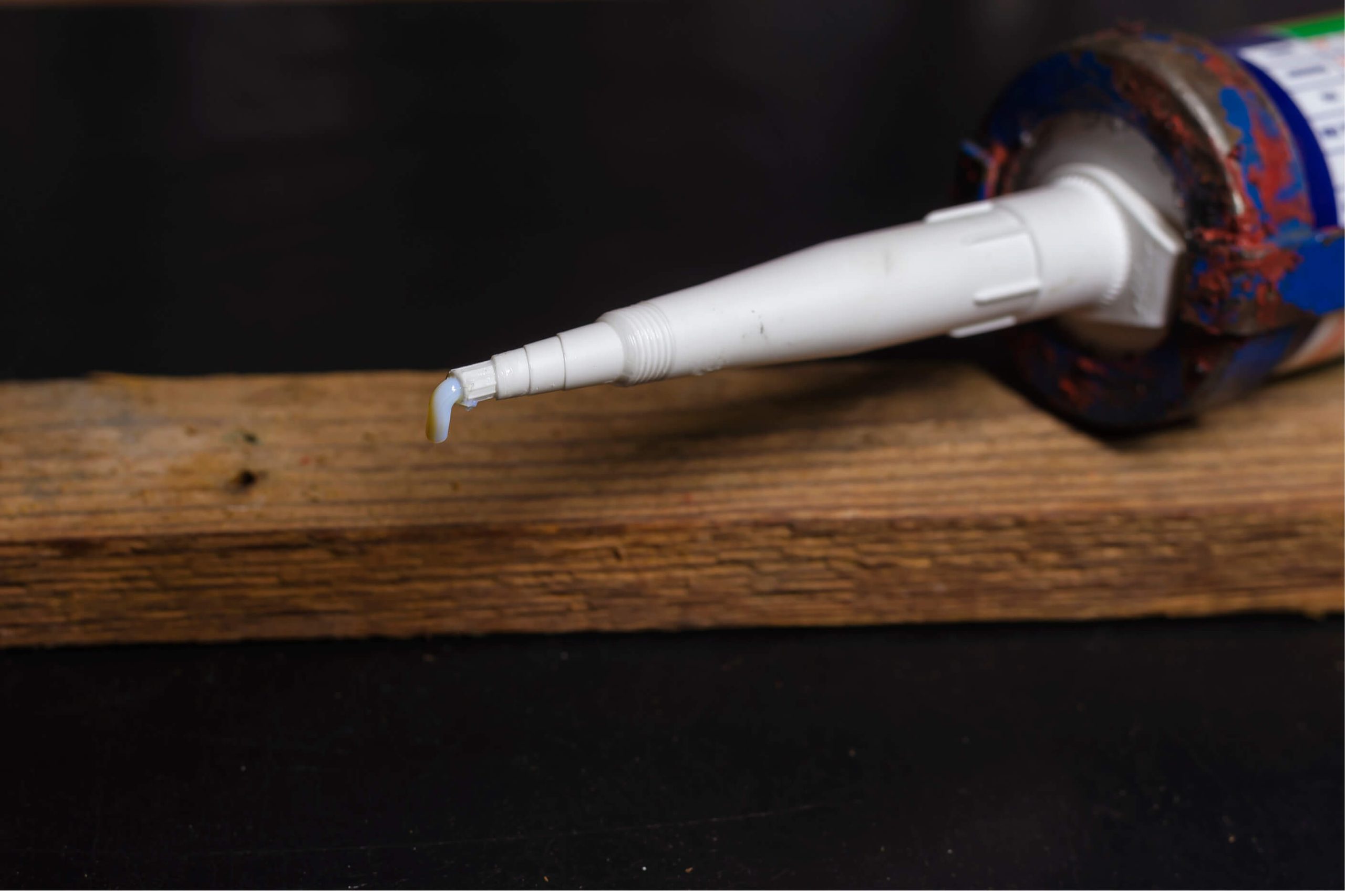
Marine glues are adhesives designed to bond materials exposed to moisture, vibration, temperature changes and demanding marine environments.
Unlike ordinary household adhesives, suitable marine products offer specific levels of water resistance, bonding strength and flexibility.
However, waterproof does not always mean suitable for continuous underwater use.
The main types include:
Marine glue type
Best used for
Key benefit
Marine epoxy
Fibreglass, timber and composite repairs
Strong, durable bonding
Polyurethane adhesive
Fittings, timber and flexible joints
Handles movement and vibration
Structural acrylic adhesive
Specialist composite and metal bonding
High-strength engineered bonds
Waterproof wood glue
Approved interior timber repairs
Affordable and easy to apply
Specialist plastic adhesive
Compatible plastic components
Designed for specific plastics
TYMH Tip: Always check material compatibility and whether the repair requires a rigid or flexible bond before choosing an adhesive.
Best Marine Glues: 5 Products Worth Considering
The following marine glues suit different maintenance and repair applications. Each has advantages, but no single product is appropriate for every job.
1. WEST SYSTEM G/flex 650 – Best for Versatile Marine Repairs
This thickened epoxy is particularly useful for repairs involving awkward shapes, small gaps or different materials. Its increased toughness helps bonded joints withstand impacts and movement, making it a versatile addition to any marine repair kit.
WEST SYSTEM G/flex 650 is a two-part epoxy designed to create durable bonds between materials including fibreglass, wood and certain plastics.
Unlike conventional rigid epoxies, G/flex provides improved flexibility and impact resistance. This makes it useful for repairs involving movement or vibration.
Its thickened consistency also helps with small gaps and uneven surfaces.
Best for: Timber repairs, bonding compatible dissimilar materials and general maintenance.
TYMH recommendation: A versatile choice for onboard repair kits, particularly when working with different materials. Follow the specified preparation procedure for difficult plastics.
2. WEST SYSTEM 105 Epoxy – Best for Fibreglass and Timber
A versatile epoxy system for owners undertaking regular fibreglass and woodworking projects. It can be combined with suitable fillers or reinforcement materials, allowing one system to cover several repair applications. Particularly useful for larger maintenance jobs.
WEST SYSTEM 105 resin, combined with an appropriate hardener, is widely used for marine fibreglass work and timber bonding.
Compatible fillers allow users to thicken the epoxy for bonding or filling applications. It can also be used with fibreglass reinforcement for suitable laminate repairs.
However, accurate mixing and surface preparation are essential.
Best for: Fibreglass repairs, marine plywood and woodworking projects.
TYMH recommendation: Particularly useful for owners regularly completing maintenance projects. For occasional minor repairs, smaller pre-thickened epoxy kits may be more economical.
3. 3M 4200 Fast Cure – Best for Removable Fittings
A sensible option for sealing deck fittings and joints where future removal may be needed. Its medium-strength polyurethane bond stays flexible and forms a watertight seal on compatible materials above and below the waterline, making it useful for installations that may need servicing.
3M 4200 Fast Cure is a medium-strength polyurethane adhesive sealant designed for marine use.
It forms a flexible, water-resistant bond suitable for compatible fittings, trim and general marine assembly.
Unlike permanent bonding products, 4200 allows easier disassembly when maintenance or replacement becomes necessary.
Best for: Deck fittings, rub rails and components requiring future removal.
TYMH recommendation: A practical option for general yacht maintenance, provided it meets the installation requirements. Avoid using it as a substitute for a dedicated structural adhesive.
A strong choice for permanent bonding and sealing on compatible hull and deck materials. The fast-curing formula stays flexible to accommodate movement and vibration. Reserve it for installations intended to stay assembled, as its strong adhesion can make later removal difficult.
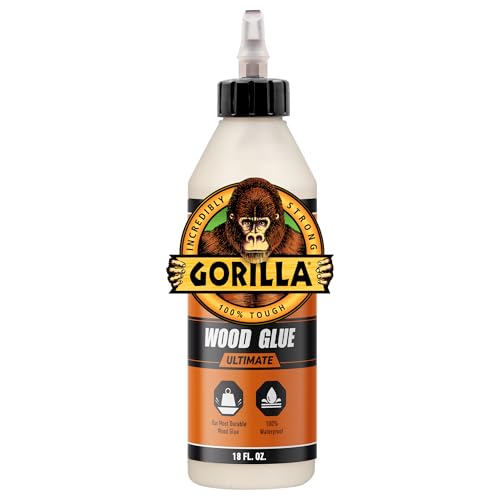
A reliable choice for everyday interior woodworking, from loose cabinet joints to furniture repairs. Easy to apply, sandable once cured and ideal for keeping in a yacht's maintenance toolkit. Best used on timber in dry or occasionally damp areas.
Gorilla Wood Glue is a water-resistant PVA adhesive designed for bonding timber, making it a practical option for interior wood repairs onboard boats and yachts.
It works well for repairing wooden cabinetry, drawers, furniture and interior trim. The glue dries to a natural wood colour, can be sanded and requires only 20–30 minutes of clamping, with a full cure in approximately 24 hours.
However, although water-resistant, it is not suitable for continuously wet areas or underwater applications.
Best for: Interior cabinetry, wooden furniture, trim and general timber repairs.
TYMH recommendation: An affordable, easy-to-use adhesive worth keeping onboard for minor interior woodworking repairs. For structural timber repairs or areas exposed to constant moisture, choose a suitable marine epoxy instead.
Which Marine Glue Should You Use?
Selecting the correct adhesive starts with understanding the materials and working conditions.
Application
Recommended adhesive
Fibreglass to fibreglass
Marine epoxy or specified structural adhesive
Wood to fibreglass
Marine epoxy
Wood to wood
Marine epoxy or approved waterproof wood glue
Metal to fibreglass
Compatible toughened epoxy
Teak decking
Dedicated elastic deck adhesive
Removable deck fittings
Medium-strength marine adhesive sealant
Permanent bonding
Approved high-strength adhesive
Plastic repairs
Material-specific adhesive
For structural or safety-critical repairs, always follow the boat manufacturer’s specifications or consult a qualified marine professional.
Marine Glue vs Marine Sealant: What’s the Difference?
Although some products combine both functions, marine glue and marine sealant serve different purposes.
Marine glue primarily bonds components together, while marine sealant prevents water entering joints and fittings.
For example, a bolted deck fitting may need a flexible sealant rather than a permanent structural adhesive.
Using the wrong product can make future maintenance difficult or leave the repair insufficiently strong.
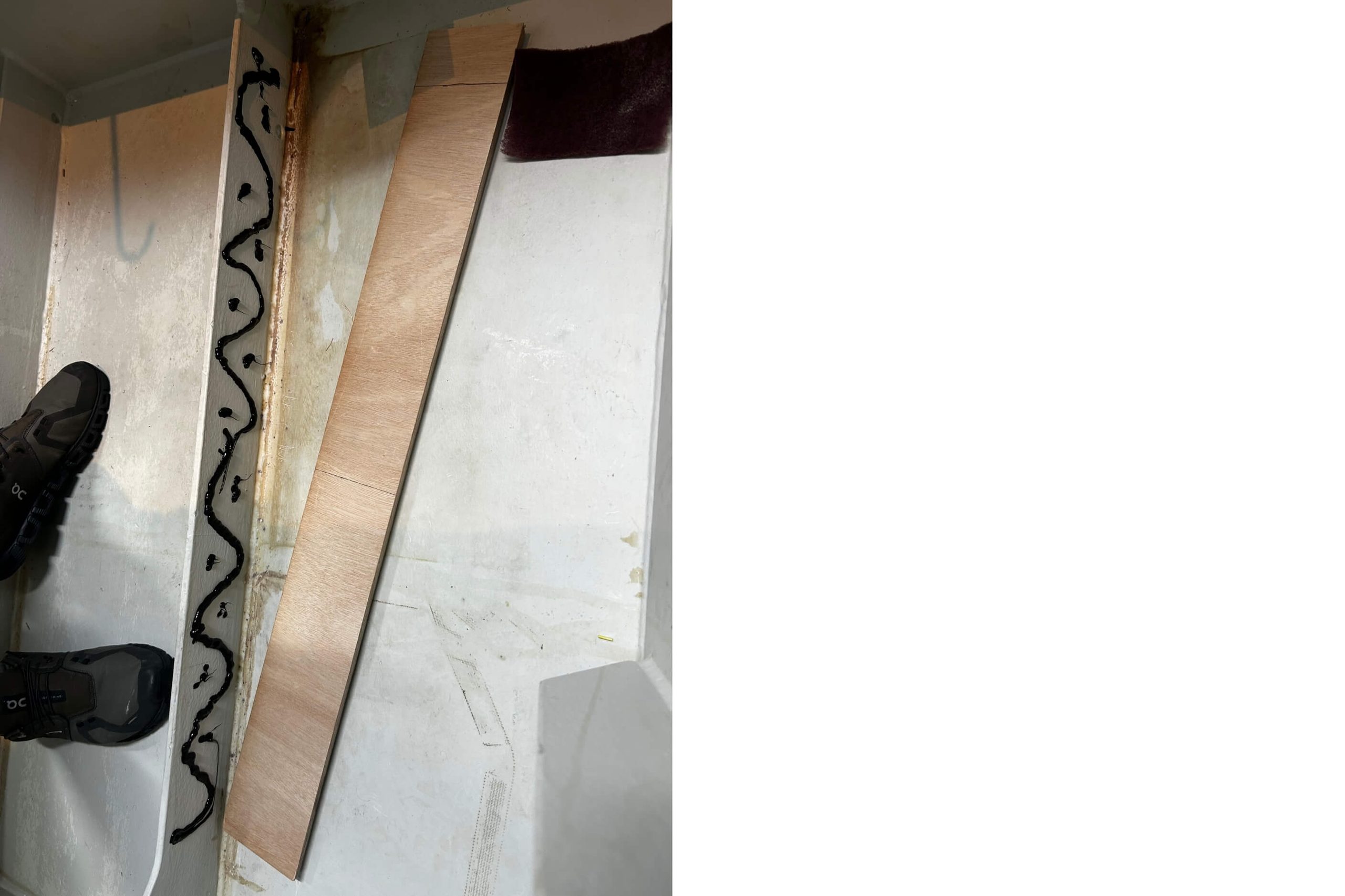
Good preparation is essential for reliable marine adhesive repairs.
Step 1: Clean the Surface
Remove old adhesive, grease, dirt and loose material. Use cleaners compatible with the surface and adhesive.
Step 2: Prepare the Materials
Abrade or prime bonding surfaces when required. Different materials need different preparation methods.
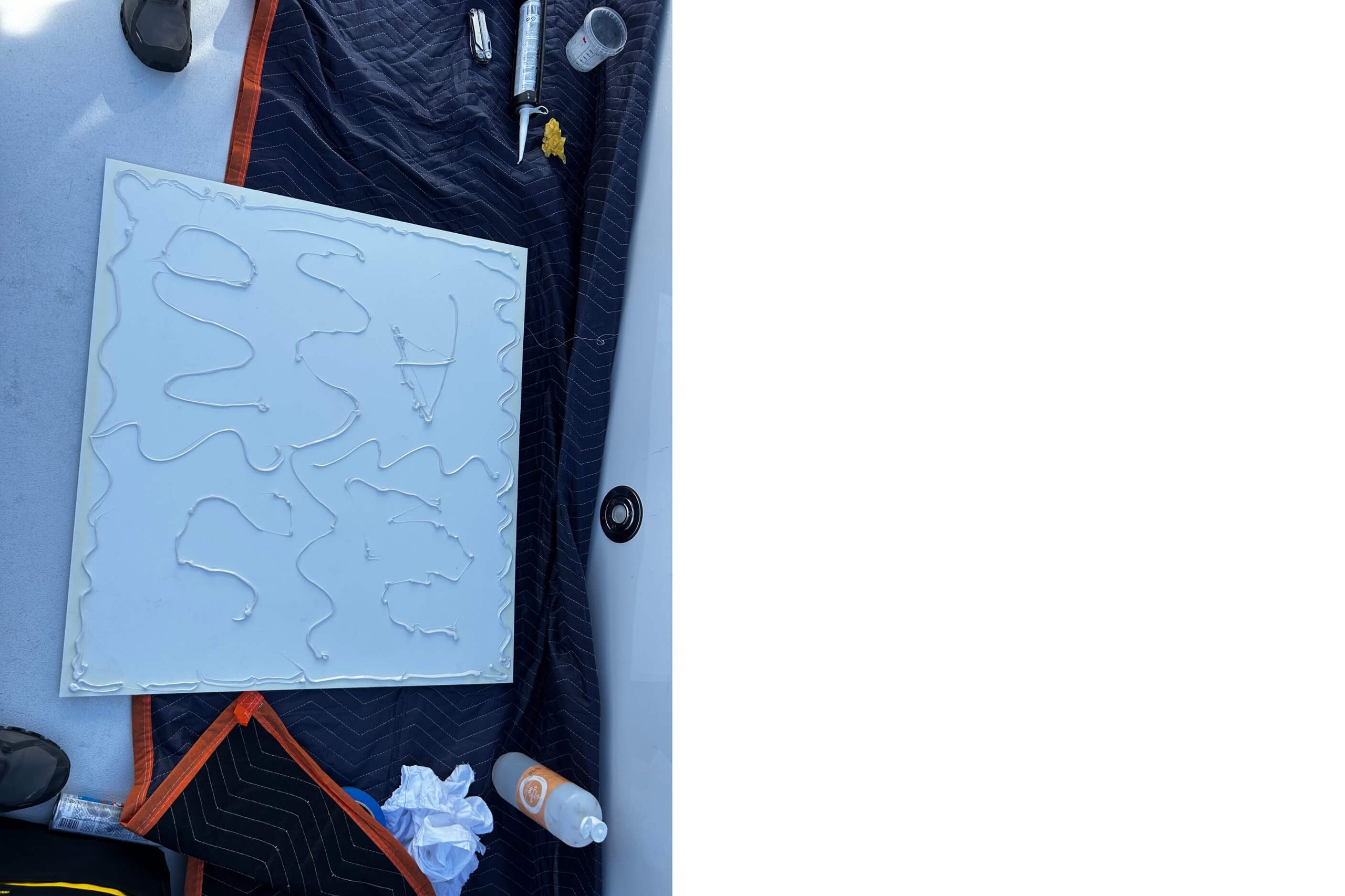
Step 3: Apply the Adhesive
Follow the manufacturer’s instructions for mixing ratios, application thickness and working time.
Step 4: Secure the Components
Position and support the components correctly. Avoid excessive pressure that could squeeze adhesive from the joint.
Step 5: Allow Proper Curing
Keep the repair undisturbed until the adhesive reaches the required strength.
Important: Surface drying does not necessarily mean the bond has fully cured. Always follow product-specific curing instructions.
How Long Does Marine Glue Take to Cure?
Curing time depends on the adhesive, temperature, humidity and joint thickness. Some fast-setting marine epoxies develop handling strength within hours, while thicker polyurethane bonds may require several days. Cool temperatures can slow curing considerably. Always distinguish between initial handling strength and the time required before returning a repaired component to service.
How Much Do Marine Glues Cost?
Costs depend on formulation, packaging size and application requirements. Small epoxy kits and standard polyurethane cartridges are generally economical for occasional repairs. Larger structural systems, specialist primers and professional application equipment increase costs.
For minor maintenance, buy only what you need. For regular fibreglass or timber work, larger epoxy systems may offer better value.
Practical Advice for Yacht Owners and Crew
A small, well-chosen adhesive kit can prevent unnecessary delays during routine maintenance.
Consider keeping:
A two-part marine epoxy repair kit.
A suitable removable marine adhesive sealant.
Mixing tools, applicators and protective gloves.
Surface preparation materials.
Inspect previously bonded fittings for movement, cracking or water staining.
Keep adhesives within their recommended storage temperatures and check expiry dates regularly.
For important repairs, record the product used and curing requirements in the vessel’s maintenance log.
When to call a professional: Seek specialist guidance for structural laminate, hull, bulkhead, through-hull or safety-critical repairs. Adhesive alone may not restore damaged structural components.
Choosing the strongest glue: Permanent bonding can make future servicing unnecessarily difficult.
Poor surface preparation: Dirt, grease and old adhesive can prevent proper bonding.
Using incompatible products: Some plastics and metals require specialist treatment.
Rushing curing: Loading joints too early can weaken the repair.
Ignoring existing damage: Glue cannot reliably repair rotten timber or damaged structural laminate without addressing the underlying problem.
Incorrect storage: Old or improperly stored adhesives may not perform as expected.
Frequently Asked Questions About Marine Glues
What Is the Strongest Marine Glue?
Structural marine epoxies and certain acrylic adhesives provide high-strength bonds. However, the strongest adhesive depends on the materials, joint design and loads involved.
What Is the Best Glue for Fibreglass Boats?
Marine epoxy is commonly used for fibreglass bonding and repairs. Structural laminate damage may also require fibreglass reinforcement and an approved repair procedure.
Can Marine Glue Be Used Underwater?
Certain specialist epoxies allow underwater application. However, reliable bonding requires the correct product and preparation. Critical underwater repairs should receive professional assessment.
Is 3M 4200 Better Than 5200?
3M 4200 suits medium-strength bonds where future removal matters. 3M 5200 is designed for permanent adhesion. Neither is universally better.
Can Marine Glue Bond Metal to Fibreglass?
Yes. Compatible epoxies and structural adhesives can bond metal to fibreglass. Correct surface preparation and corrosion protection are essential.
Summary
Choosing the best marine glues comes down to material compatibility, bonding strength and flexibility.
Marine epoxy works well for many fibreglass and timber repairs, while polyurethane products suit selected flexible or permanent bonding applications.
Always prepare surfaces correctly, follow curing instructions and use specialist guidance for structural repairs. Choosing the right adhesive initially can prevent expensive repairs later.
TYMH Top Tip: Always consider whether a fitting will need removing before selecting a permanent marine adhesive.
Use TYMH’s practical winterisation checklist to help protect your engine, plumbing, batteries, deck gear, safety equipment and onboard systems before the cold weather sets in.
Success
Thank you for submitting the form, we will be in touch with you shortly.
Blog / Marine Glues Explained: Which Adhesive Is Right for Your Boat?
We track how people interact with our online web content and resources, and some of that tracking involves storing cookies on your device. By continuing to use our site you accept that you agree to this. For more details see our Privacy Statement.
 310
310