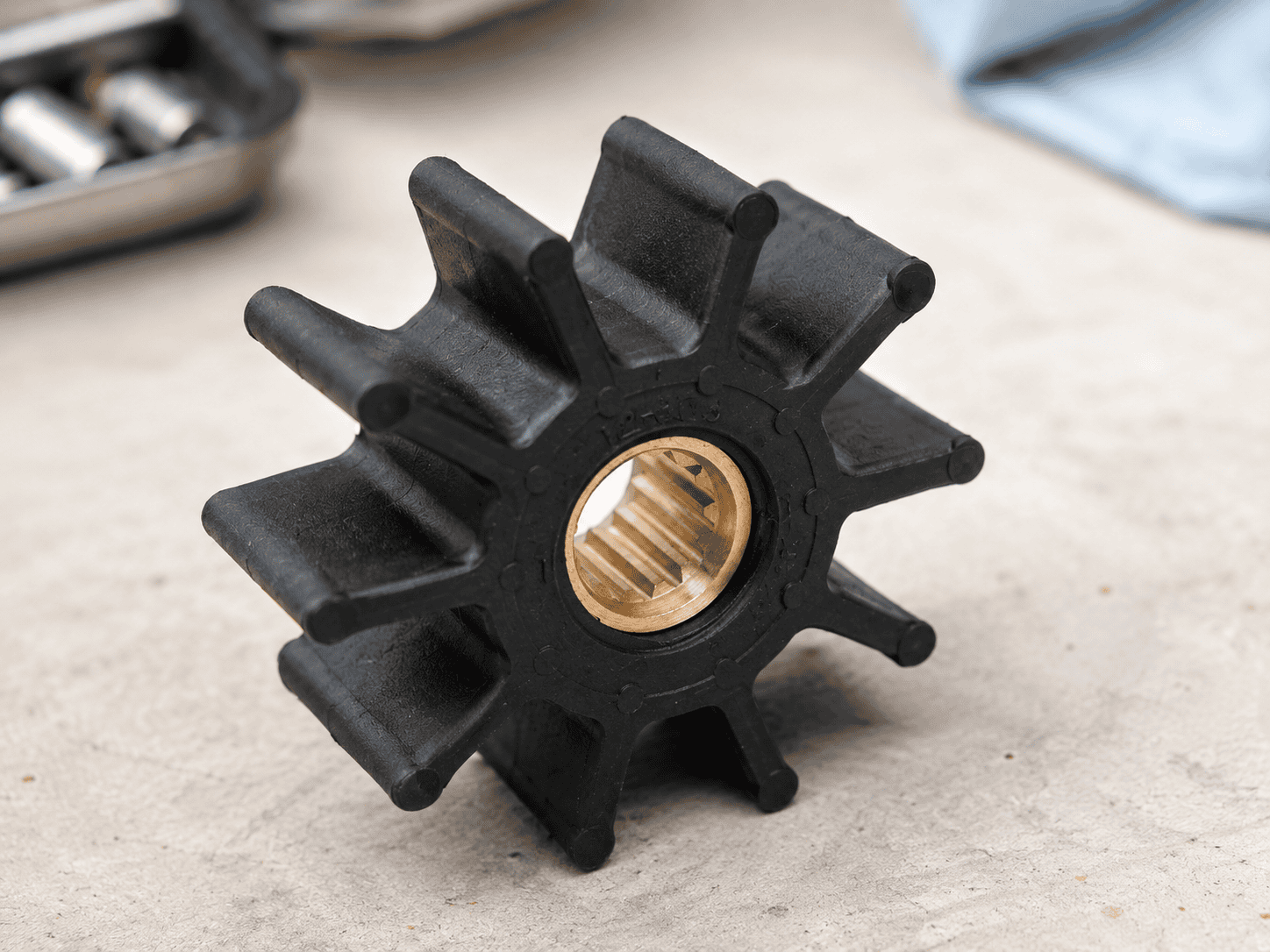
boat impeller is a small rubber part that plays a major role in keeping a marine engine cool. It sits inside the raw water pump and helps move seawater, lake water, or river water through the engine cooling system.
Although it is inexpensive, it can cause expensive problems if ignored. When a boat impeller fails, the engine may overheat quickly. As a result, hoses, exhaust parts, heat exchangers, and even major engine components can suffer damage.
In this guide, we explain what a boat impeller does, how it works, when to replace it, the warning signs of failure, and how owners and crew can prevent cooling system problems before they become serious.
This post is all about Boat Impellers!
Quick Answer: What is a boat impeller and when should you replace it?
A boat impeller is a flexible rubber part inside a marine water pump that moves cooling water through the engine. Most boat impellers should be inspected regularly and replaced as per manufacturing guidelines, or sooner if there are signs of overheating, weak water flow, cracked vanes, or unknown service history.
What Is a Boat Impeller?
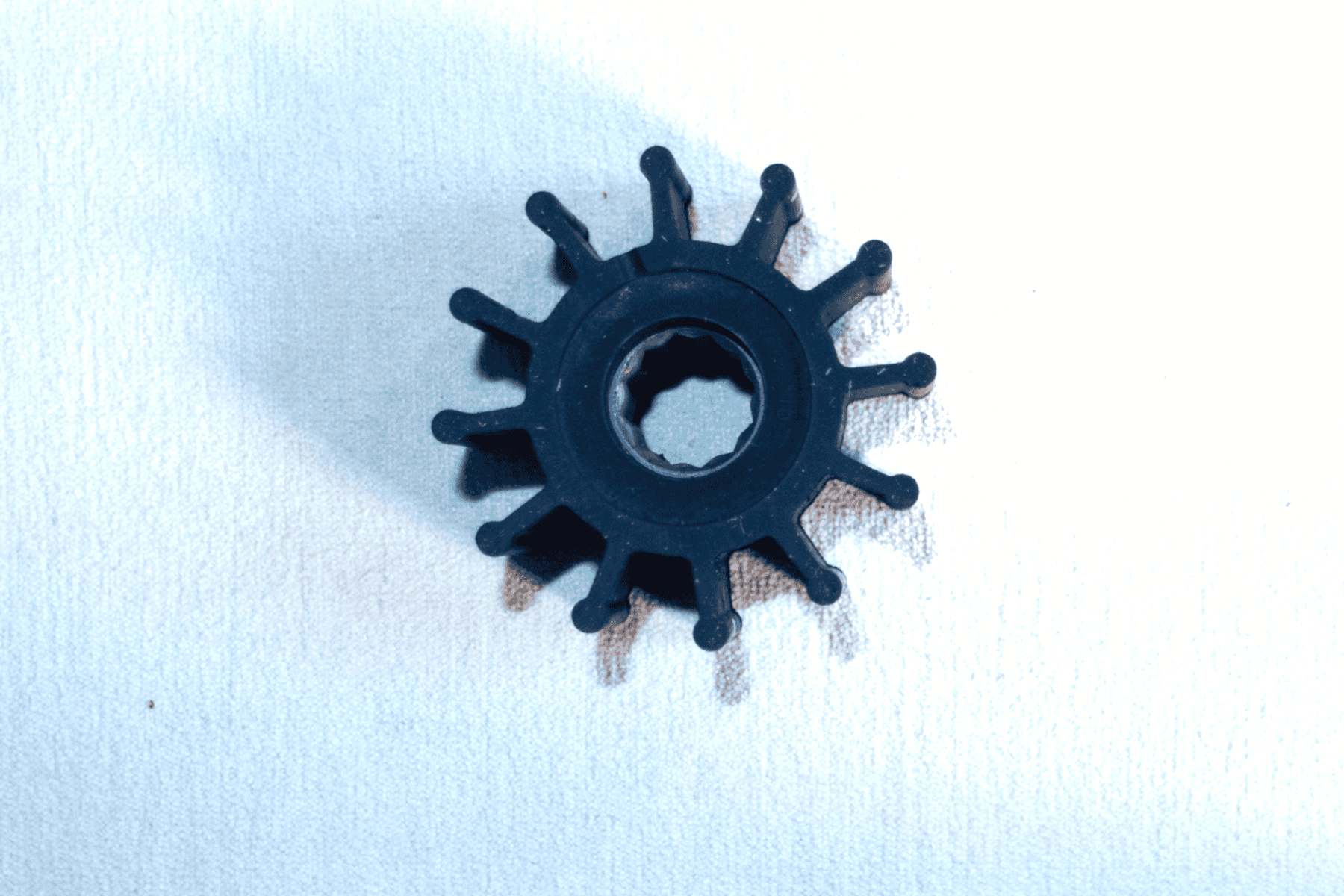
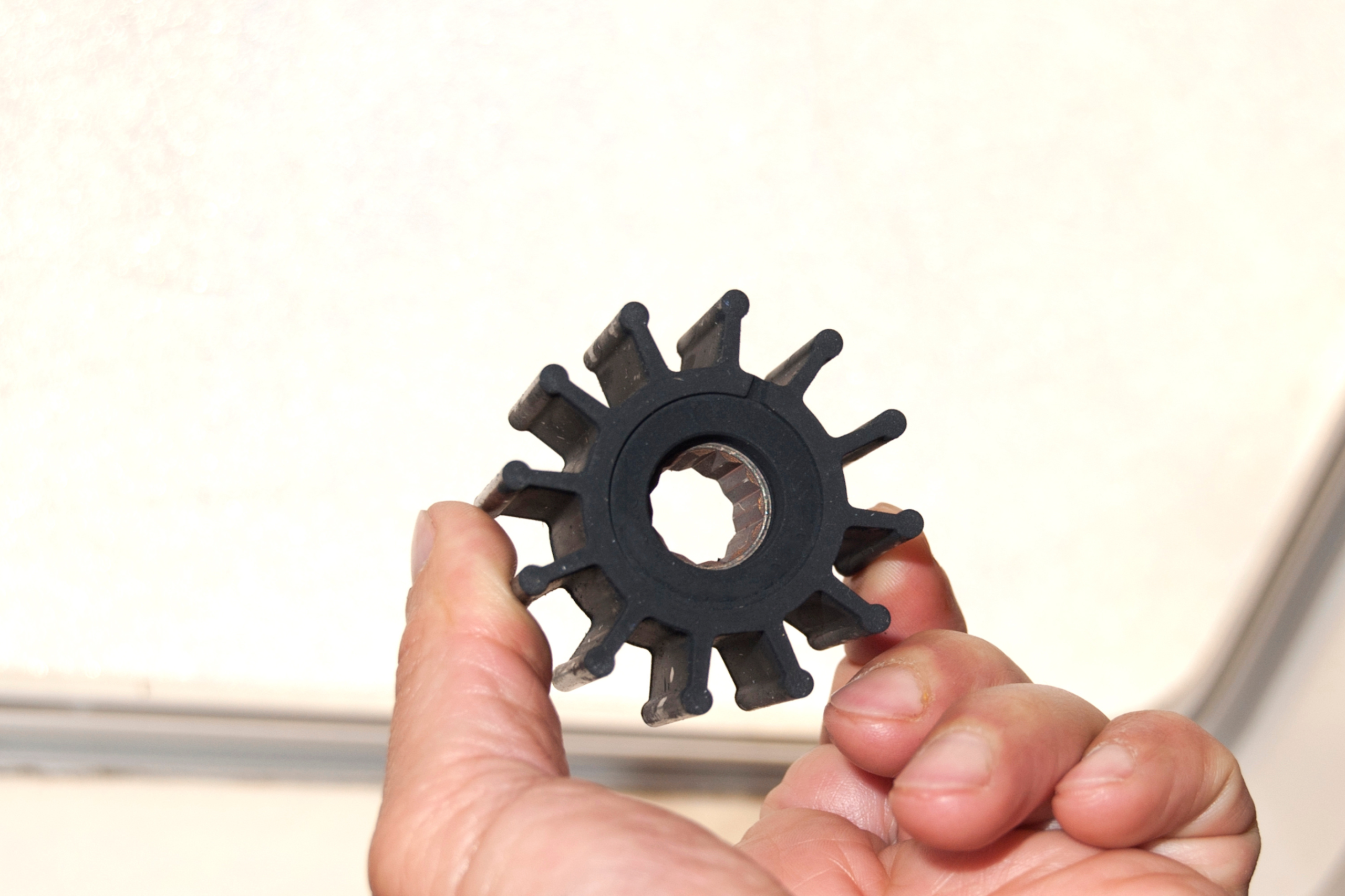
A boat impeller is a flexible rubber wheel with several vanes. As it spins inside the pump housing, the vanes bend and push water through the cooling system.
On many boats, the most important impeller is the raw water pump impeller. This draws water from outside the boat and sends it through the cooling system to help control engine temperature.
You may find marine impellers in:
Inboard diesel engines
Petrol inboard engines
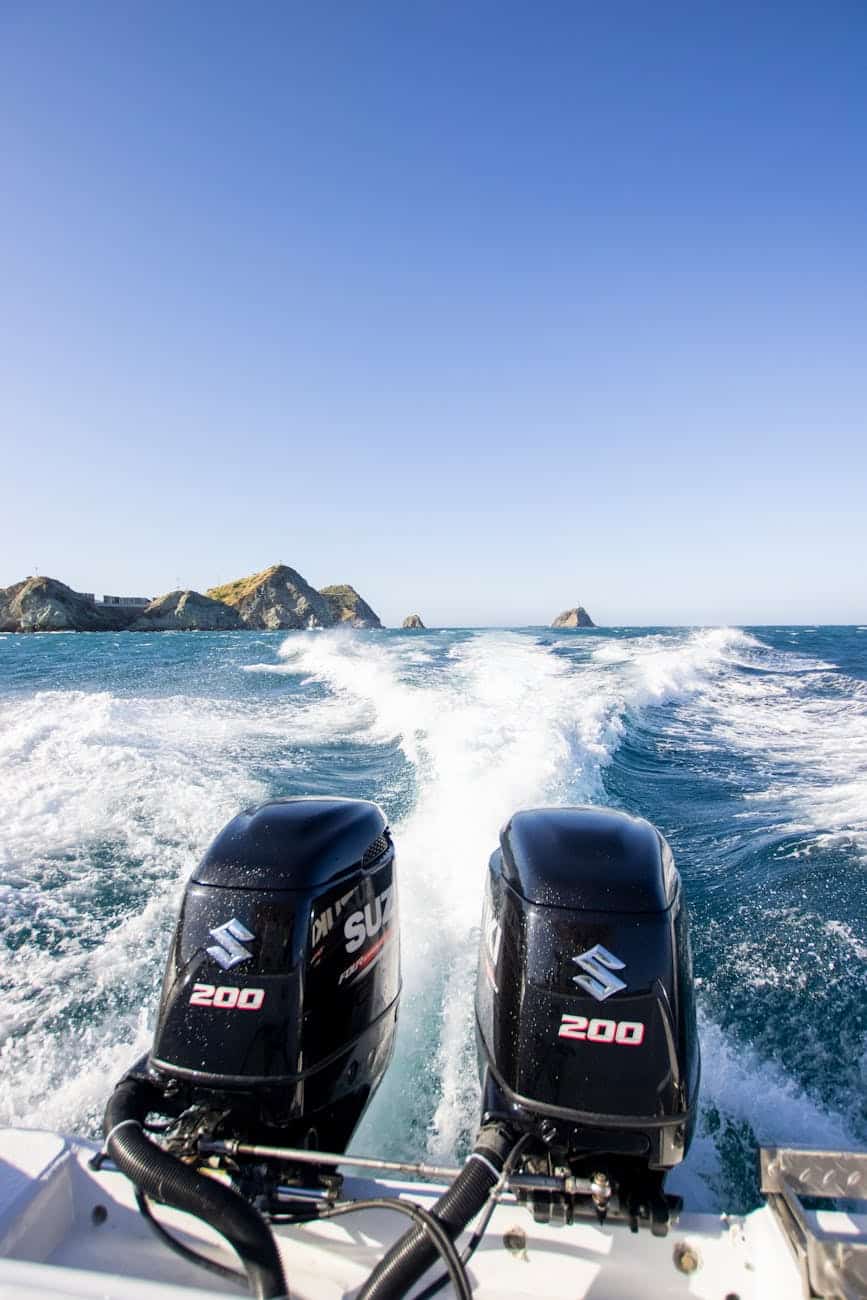
Outboard motors
Marine generators
Air conditioning seawater pumps
Some transfer and bilge systems
However, when most owners talk about a boat impeller, they usually mean the engine cooling impeller.
Why a Boat Impeller Matters
The impeller matters because marine engines rely on steady water flow. Without it, the engine cannot cool properly.
If the impeller fails, you may experience:
Engine overheating
Steam from the exhaust
Weak water flow
Damaged exhaust hoses
Melted rubber components
Heat exchanger issues
Engine alarms
Breakdown at sea
Therefore, impeller maintenance should be treated as preventative care, not emergency repair. It is much cheaper to replace a worn impeller during routine servicing than to deal with an overheated engine later.
How a Marine Impeller Works
A marine impeller rotates inside a close-fitting pump body. As the vanes turn, they create suction on one side of the pump and pressure on the other.
This process pulls water through the intake, past the seacock and strainer, and into the cooling circuit. The water then helps remove heat from the engine before exiting through the exhaust or discharge outlet.
Over time, however, the rubber vanes wear down. Heat, saltwater, sand, silt, dry running, and long periods without use can all shorten the life of a boat water pump impeller.
For this reason, even low-hour engines still need impeller checks. Rubber can crack or harden even when the boat is not used often.
When to Replace a Boat Impeller
There is no single replacement interval for every boat. However, most owners should treat the boat impeller as an annual service item.
Use Case
Suggested Interval
Why It Matters
Light private use
Every year
Rubber ages even with low hours
Regular cruising
Every year or 100–200 hours
Prevents cooling loss during use
Charter or heavy use
Inspect often, replace sooner if needed
Higher hours increase wear
Sandy or silty water
Inspect more frequently
Debris damages vanes
Unknown service history
Replace immediately
Avoid guessing
In addition, always check the engine manual for the manufacturer’s guidance. If access is already open during servicing, replacing the impeller is often the sensible choice.
Warning Signs of Boat Impeller Failure
A failing boat impeller often gives early warning signs. Therefore, owners and crew should know what to look for.
Common boat impeller symptoms include:
Engine temperature rising above normal
Overheating alarm
Weak water flow from the exhaust
Little or no tell-tale stream on an outboard
Steam from the exhaust outlet
Intermittent cooling water flow
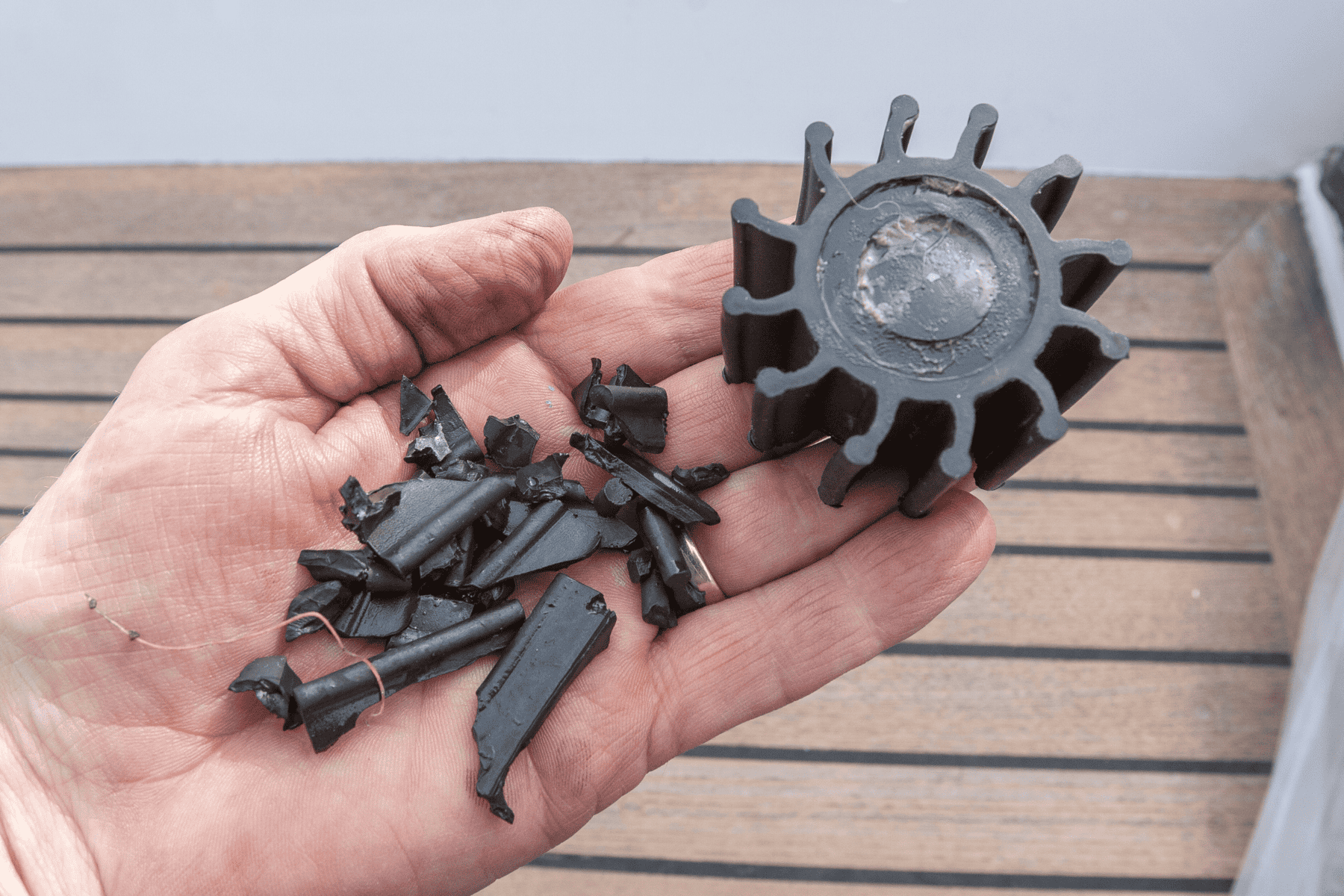
Cracked, stiff, or missing impeller vanes
Burnt rubber smell after a dry start
Unusual pump noise
If the engine overheats, do not keep running it and hope the problem clears. Instead, stop the engine, investigate the raw water system, and check the seacock, strainer, hoses, belt, and impeller.
Boat Impeller Problems vs Other Cooling Issues
Not every overheating problem comes from the impeller. However, because it is such a common failure point, it should be one of the first checks.
Symptom
Possible Cause
First Checks
Weak exhaust water flow
Worn impeller or blocked strainer
Seacock, strainer, impeller
Overheating at idle
Poor raw water flow
Pump and impeller
Overheating under load
Reduced cooling capacity
Impeller, intake, heat exchanger
No flow after launch
Airlock or damaged impeller
Inlet hose and pump
Missing impeller vanes
Failed impeller
Find all broken pieces
New impeller but still overheating
Debris in cooling circuit
Flush and inspect system
After an impeller failure, always look for missing rubber vane pieces. Otherwise, they can travel into the cooling circuit and cause another blockage later.
Boat Impeller Replacement Cost
Boat impeller replacement cost depends on the engine type, pump access, part quality, and labour rate.
Item
Typical Cost Range
Notes
Small outboard impeller kit
$15–$60
Varies by engine size
Inboard diesel impeller kit
$20–$120+
Larger engines cost more
Full pump service kit
$50–$170+
May include seals and wear plates
Professional labour
0.5–2 hours
Access affects cost
Emergency repair
Variable
Usually more expensive
Although cheaper impellers are available, fit matters more than price. Always use the correct boat impeller kit for the engine and pump model.
How to Choose the Right Boat Impeller Kit
Before ordering a marine impeller, check the exact part number. Do not rely only on appearance, because many impellers look similar but have different sizes or drive types.
Check:
Engine make and model
Pump make and model
Impeller part number
Shaft diameter
Outside diameter
Impeller depth
Number of vanes
Drive type
Gasket or O-ring type
In addition, keep the correct part number in your maintenance log. This makes future servicing easier and helps crew order spares quickly.
DIY vs Professional Replacement
Many boat owners can replace a boat impeller themselves, especially on small engines with good access. However, some installations are awkward, and mistakes can cause further cooling problems.
DIY May Be Suitable If:
The pump is easy to reach
You have the correct impeller kit
You can safely isolate the seawater intake
You understand the cooling system layout
You can check for leaks and water flow afterwards
Call a Marine Professional If:
Access is poor
Pump bolts are seized
The engine has overheated
Impeller pieces are missing
The pump housing is scored
You are unsure about restart checks
For larger yachts, charter vessels, or expensive engines, professional servicing is often worthwhile. A good engineer will also inspect the pump cover, seals, wear plate, hoses, and raw water flow.
Tools and Parts Needed
Before starting, prepare everything. This prevents delays while the pump is open.
Tool or Part
Purpose
Correct impeller kit
Main replacement part
New gasket or O-ring
Prevents leaks
Screwdrivers or socket set
Removes pump cover
Impeller puller
Helps remove tight impellers
Marine-safe lubricant
Helps installation
Torch or headlamp
Useful in engine spaces
Rags and absorbent pads
Controls water and mess
Maintenance log
Records date and engine hours
Avoid forcing the old impeller out with a screwdriver against the pump housing. Otherwise, you may score the metal surface and reduce pump performance.
Basic Boat Impeller Replacement Steps
This is a general overview. Always follow your engine manual.
Stop the engine and let it cool.
Close the seacock or isolate the intake.
Place rags below the pump.
Remove the pump cover.
Pull out the old impeller.
Check for missing vane pieces.
Inspect the housing, cover plate, and seals.
Lubricate the new impeller.
Fit it in the correct direction.
Install the new gasket or O-ring.
Refit the pump cover evenly.
Open the seacock.
Start the engine and check for leaks and water flow.
After replacement, watch the exhaust outlet and temperature gauge. If flow still looks weak, stop and investigate before continuing.
Common Mistakes to Avoid
Waiting Until It Fails
An impeller should not be a “run until failure” part. Replace it before it causes overheating.
Forgetting the Seacock
Starting an inboard engine with the seacock closed can damage the impeller quickly.
Reusing Old Gaskets
Old gaskets and O-rings can leak. Therefore, replace them whenever the pump is opened.
Ignoring Missing Vanes
If pieces are missing, find them. Otherwise, they may block the cooling system later.
Buying the Wrong Impeller
A similar-looking impeller may not fit correctly. Always match the part number and pump model.
Poor Maintenance Records
Without records, servicing becomes guesswork. Log the date, engine hours, and part number after every replacement.
Practical Maintenance Tips
To reduce the risk of boat impeller failure:
Replace the impeller before the main season
Carry at least one spare impeller kit onboard
Check raw water flow at every engine start
Inspect the sea strainer regularly
Never run the engine dry
Investigate temperature changes early
Record every replacement in the maintenance log
Flush the system after a major impeller failure
For crew, these checks should be part of normal engine room rounds before departure.
FAQs: Boat Impellers
How often should you replace a boat impeller?
Most boat impellers should be replaced every year, every 100–200 engine hours, or according to the engine manufacturer’s guidance.
What happens when a boat impeller fails?
The engine can lose cooling water flow and overheat. As a result, hoses, exhaust parts, and engine components may suffer damage.
Can I replace a boat impeller myself?
Yes, if access is good and you have the correct kit. However, call a marine engineer if the engine has overheated, parts are seized, or vanes are missing.
How do I know if my boat impeller is bad?
Common signs include weak water flow, rising engine temperature, steam from the exhaust, cracked vanes, missing blades, or an overheating alarm.
Should I carry a spare boat impeller onboard?
Yes. Every boat should carry the correct spare impeller kit for each engine and generator.
Summary
A boat impeller is a small part, but it protects one of the most important systems onboard. Therefore, regular inspection and planned replacement are essential.
The best approach is simple: replace the impeller before failure, carry the correct spare, check water flow regularly, and keep clear maintenance records. As a result, you reduce overheating risk, avoid unnecessary repair costs, and keep the boat more reliable.
Join the newsletter for practical yacht maintenance advice, new guide releases, downloadable resources, product recommendations and seasonal reminders designed to help owners, captains and crew make better maintenance decisions onboard. As TYMH grows, subscribers will also get early access to new checklists, maintenance resources, recommended products and exclusive offers or discounts from selected marine brands.
Success
Thank you for signing up to receive updates from The Yacht Maintenance Hub.
Blog / Boat Impeller Guide: What It Does and When to Replace It
We track how people interact with our online web content and resources, and some of that tracking involves storing cookies on your device. By continuing to use our site you accept that you agree to this. For more details see our Privacy Statement.
 310
310
310
310