Raw water pumps play a vital role in marine engine cooling. They pull seawater through the cooling system, help remove heat from the engine and then discharge the water through the exhaust or outlet system. When they work correctly, the engine stays at a safe operating temperature.
However, when a raw water pump fails, the engine can overheat quickly. A worn impeller, leaking seal, blocked strainer or damaged pump body can turn a normal trip into an expensive repair. Therefore, yacht owners, captains and crew should understand the warning signs before a small issue becomes serious.
This guide explains what raw water pumps do, how they work, what they cost and when to repair or replace them. It also covers common failure symptoms, maintenance intervals, DIY checks and practical advice for keeping marine engines protected.
Some links on this page are affiliate links. This means The Yacht Maintenance Hub may earn a commission if you click through and make a purchase, at no extra cost to you. We only recommend products, tools and marine suppliers that we believe are useful for yacht owners, captains, crew and marine professionals.
This article is all about Raw Water Pumps!
Quick Answer: What Does a Raw Water Pump Do?
Raw water pumps move seawater through a marine engine cooling system to help prevent overheating. Most problems come from worn impellers, leaking seals, blocked strainers, corrosion or poor maintenance. Owners should inspect the system regularly, replace impellers before they fail and repair or replace the pump when leaks, bearing wear or poor water flow appear.
What Is a Raw Water Pump?
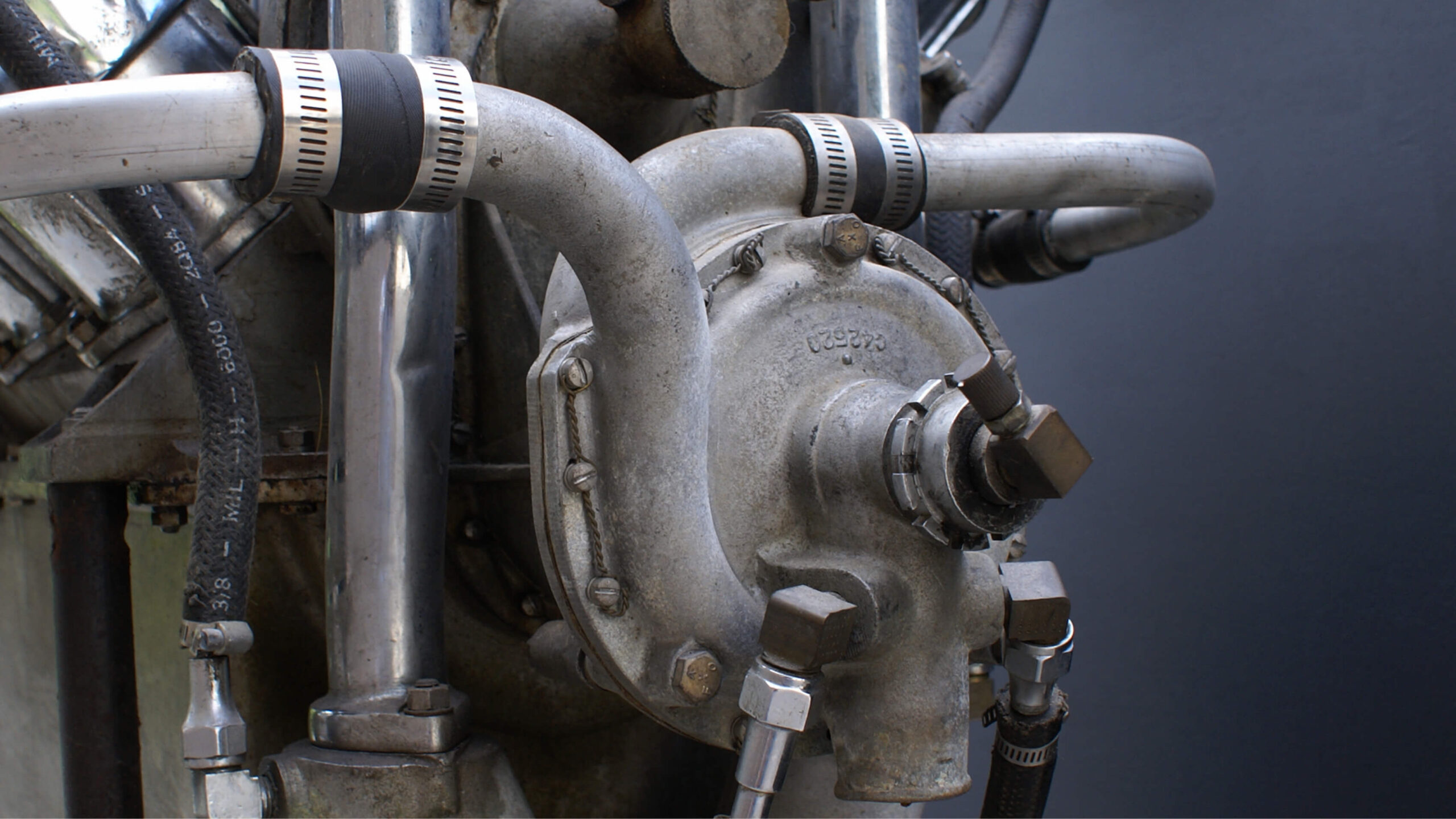
A raw water pump is a marine engine cooling pump that moves outside water through part of the engine cooling system. On most inboard marine engines, it draws seawater from the intake, through the seacock and strainer, then pushes it through the heat exchanger or cooling circuit.
You may also hear it called a marine raw water pump, boat raw water pump, seawater pump, engine cooling pump or marine diesel raw water pump. Although the names vary, the job stays the same: keep cooling water moving.
Because the pump protects the engine from overheating, it should never be treated as a minor component. In fact, a small pump issue can lead to major engine damage if ignored.
How Raw Water Pumps Work
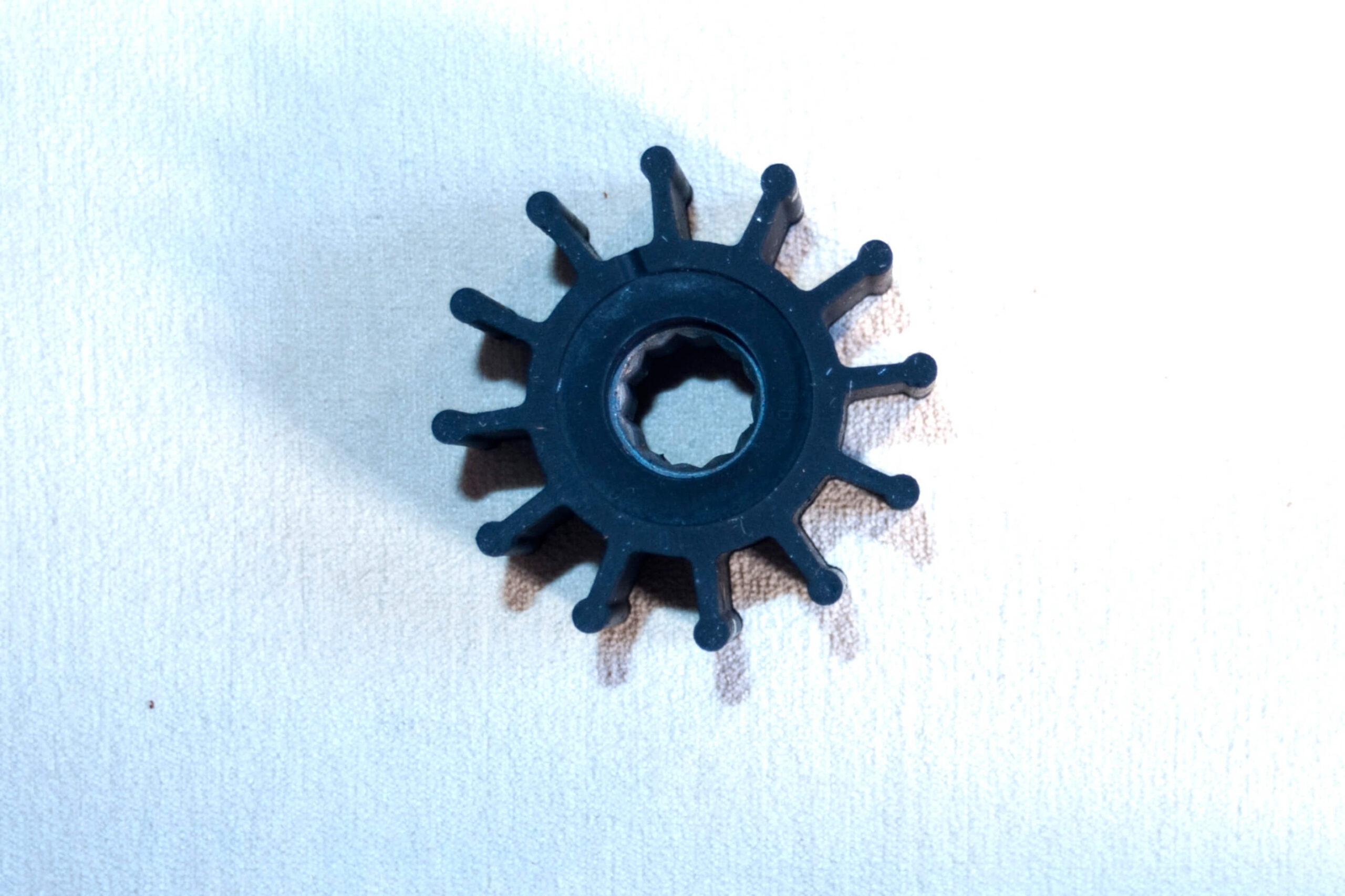
Most raw water pumps use a flexible rubber impeller. As the shaft turns, the impeller blades bend inside the pump housing and move water from the inlet to the outlet.
The system usually works like this:
Seawater enters through the hull intake.
The seacock controls water flow.
The strainer catches weed, shells and debris.
The raw water pump pulls water through the system.
Water passes through the heat exchanger or cooling route.
Water exits through the exhaust or discharge outlet.
Because the impeller works in seawater and under constant movement, it wears over time. As a result, raw water pump maintenance should always include impeller checks.
Raw water pump failure symptoms are often easy to miss at first. However, early signs usually appear before the pump stops completely.
Symptom
Possible Cause
What to Check First
Engine overheating
Failed impeller, blockage or poor flow
Seacock, strainer and exhaust flow
Little water from exhaust
Damaged impeller or blocked intake
Strainer and pump impeller
Water leak from pump
Worn seal or damaged gasket
Pump body and weep hole
Squealing or grinding noise
Bearing wear or dry running
Bearings and belt drive
Steam from exhaust
Low cooling water flow
Exhaust outlet and temperature
Repeated impeller damage
Blockage, worn housing or misalignment
Cover plate, cam and intake route
Salt crust around pump
Small leak or seal issue
Seals and hose connections
If the engine overheats, shut it down quickly and investigate. Do not keep running the engine and hope the temperature drops.
Raw Water Pump Impeller: The Key Service Part
The raw water pump impeller is usually the first part to wear. It is also one of the most important spare parts to keep onboard.
Impellers can fail because of age, heat, dry running, blocked intakes, sand, debris, long storage periods, poor installation or a worn pump housing. Therefore, owners should inspect them regularly rather than waiting for a high-temperature alarm.
A damaged impeller may also lose blades. If this happens, do not just fit a new one and move on. Instead, find the missing pieces. They can travel into the heat exchanger and reduce cooling flow.
Many owners replace the raw water pump impeller annually as preventative maintenance. Others follow engine-hour intervals from the engine or pump manufacturer. Either way, heavy use, shallow water, sandy conditions or previous overheating should shorten the interval.
Raw Water Pump Cost Guide
Raw water pump cost depends on the engine brand, pump type, access, part availability and whether you choose repair or full replacement.
Item
Typical Cost Range
Notes
Raw water pump impeller kit
$20–$100+
Model-specific and worth carrying onboard
Cover gasket or O-ring
$5–$25
Often changed with the impeller
Shaft seal or rebuild kit
$30–$150+
Useful for leaks and worn seals
Small engine raw water pump
$250–$600+
Varies by engine and brand
Larger marine diesel raw water pump
$600–$1,200+
Higher-output pumps cost more
Professional labour
$100–$500+
Depends on access and diagnosis time
Heat exchanger cleaning
$150–$600+
May be needed after impeller failure
These figures are broad guide prices. Therefore, always confirm the engine model, pump model and part number before ordering.
Repair or Replace: Which Is Better?
A raw water pump repair often makes sense when the pump body is sound and the fault sits with the impeller, seal, gasket or cover plate. In these cases, a raw water pump rebuild kit can save money.
Repair may work when:
The pump body has no cracks
The shaft has little play
The bearings feel smooth
The leak comes from a serviceable seal
The housing looks clean
Parts remain easy to source
However, raw water pump replacement makes more sense when the pump leaks repeatedly, the shaft has movement, bearings feel rough, the housing has deep scoring or corrosion has weakened the body. Also, replacement may be smarter when labour costs make rebuilding uneconomical.
In short, rebuild a healthy pump with worn service parts. Replace a tired pump that keeps causing problems.
How to Inspect and Maintain a Raw Water Pump
Regular inspection helps catch problems early. Start with simple checks before removing parts.
Check the following:
Water flow from the exhaust
Engine temperature under load
Salt deposits around the pump
Drips from the pump body or weep hole
Belt tension if belt-driven
Hose condition and hose clips
Strainer cleanliness
Impeller condition
Pump cover plate wear
Unusual noise
In addition, compare how the engine behaves now with how it normally runs. A small change in exhaust water flow, steam or temperature can give an early warning.
A sensible maintenance routine includes:
Interval
Task
Before each run
Check seacock position and exhaust water flow
Weekly during use
Inspect strainer and listen for noise
Monthly
Check hoses, clips, leaks and salt crust
Annually
Inspect or replace the impeller
After overheating
Replace impeller and check for missing blades
Before long trips
Carry spare impeller, gasket and tools
This routine takes little time. However, it can prevent major overheating issues.
DIY Raw Water Pump Work
Many owners and crew can replace a raw water pump impeller themselves if access is good. The job usually needs basic tools, the correct impeller kit and careful installation.
Before starting, close the seacock, isolate the engine and keep absorbent pads nearby. Next, take a photo of the cover and hose layout before removing anything. Then remove the cover, pull the old impeller carefully and check for missing blades.
After that, lubricate the new impeller as recommended, fit a new gasket or O-ring and reinstall the cover. Finally, reopen the seacock before starting the engine. Run the engine and check for leaks, stable temperature and strong exhaust water flow.
When to Call a Marine Professional
DIY work can save time and money, but some situations need a marine engineer. Call a professional if the engine has overheated, the pump shaft has play, bearings feel rough or the pump leaks from behind the body.
You should also get help if a new impeller fails quickly. In that case, the real problem may sit elsewhere in the raw water cooling system, such as a blocked intake, worn pump cam, restricted heat exchanger or collapsing hose.
Common Mistakes to Avoid
One common mistake is running the engine with the seacock closed. This can destroy an impeller quickly. Therefore, always check the raw water seacock before starting the engine.
Another mistake is ignoring weak exhaust water flow. Reduced flow often appears before overheating. So, treat weak flow as a warning sign, not a minor inconvenience.
Also, avoid replacing the impeller without finding broken blades. Missing impeller blades can block the heat exchanger and cause repeated overheating.
In addition, do not buy parts without the pump model. Raw water pump parts are model-specific, so use the engine model, pump number and old part references before ordering.
Finally, never overlook the strainer. A blocked strainer can make a good pump look faulty. Check it first when water flow drops.
Practical Advice for Owners and Crew
Every boat should have a simple raw water pump plan. Record the engine model, pump model, impeller part number and gasket part number. Then keep at least one spare impeller kit onboard.
In addition, train crew to check water flow from the exhaust after startup. This habit catches problems early and helps prevent overheating.
Finally, inspect the system before longer passages. A clean strainer, fresh impeller and leak-free pump give much more confidence than waiting for a high-temperature alarm offshore.
FAQs: Raw Water Pumps
What does a raw water pump do on a marine engine?
A raw water pump moves seawater through the engine cooling system. This helps remove heat from the engine and exhaust system so the engine can run safely.
How do I know if my raw water pump is failing?
Common signs include overheating, weak exhaust water flow, leaks from the pump, salt crust, unusual noise, steam from the exhaust or repeated impeller damage.
How often should I replace a raw water pump impeller?
Many owners replace the impeller annually, while others follow engine-hour guidance. Heavy use, sandy water, overheating or dry running should shorten the interval.
Can I rebuild a raw water pump?
Yes, many raw water pumps can be rebuilt with seals, bearings, gaskets, cover plates and impellers. However, a cracked, badly worn or corroded pump usually needs replacement.
How much does a raw water pump replacement cost?
A small replacement pump may cost a few hundred dollars, while larger marine diesel raw water pumps can cost over $1,000. Labour, access and related repairs affect the final price.
Summary
Raw water pumps protect marine engines by keeping cooling water moving. Therefore, owners and crew should treat them as essential maintenance items, not parts to ignore until failure.
In most cases, regular inspections, clean strainers and timely impeller replacement prevent serious problems. However, leaks, bearing wear, poor flow and repeated impeller failure often point to a pump that needs rebuilding or replacing.
The best next step is simple: identify your raw water pump, record the part numbers and keep the correct impeller kit onboard before you need it.
Use TYMH’s practical winterisation checklist to help protect your engine, plumbing, batteries, deck gear, safety equipment and onboard systems before the cold weather sets in.
Success
Thank you for submitting the form, we will be in touch with you shortly.
Sign up for updates
Join the newsletter for practical yacht maintenance advice, new guide releases, downloadable resources, product recommendations and seasonal reminders designed to help owners, captains and crew make better maintenance decisions onboard. As TYMH grows, subscribers will also get early access to new checklists, maintenance resources, recommended products and exclusive offers or discounts from selected marine brands.
Success
Thank you for signing up to receive updates from The Yacht Maintenance Hub.
Blog / Raw Water Pumps for Marine Engines: Costs, Uses & Replacement Advice
We track how people interact with our online web content and resources, and some of that tracking involves storing cookies on your device. By continuing to use our site you accept that you agree to this. For more details see our Privacy Statement.
 310
310
310
310